
Achieve Superior Surface Finishing with High Quality 4 Diamond Polishing Pads
Understanding 4 Diamond Polishing Pads for Superior Surface Finishing
Achieving a flawless, high-gloss finish on stone, concrete, or tile surfaces requires the right tools. 4 diamond polishing pads are essential components in this process, offering a systematic approach to grinding, honing, and polishing. This article provides a comprehensive guide to understanding these pads, their applications, how to choose the right set, and tips for maximizing their performance. Whether you're a professional contractor or a DIY enthusiast, this information will help you achieve professional-quality results.

What are 4 Diamond Polishing Pads?
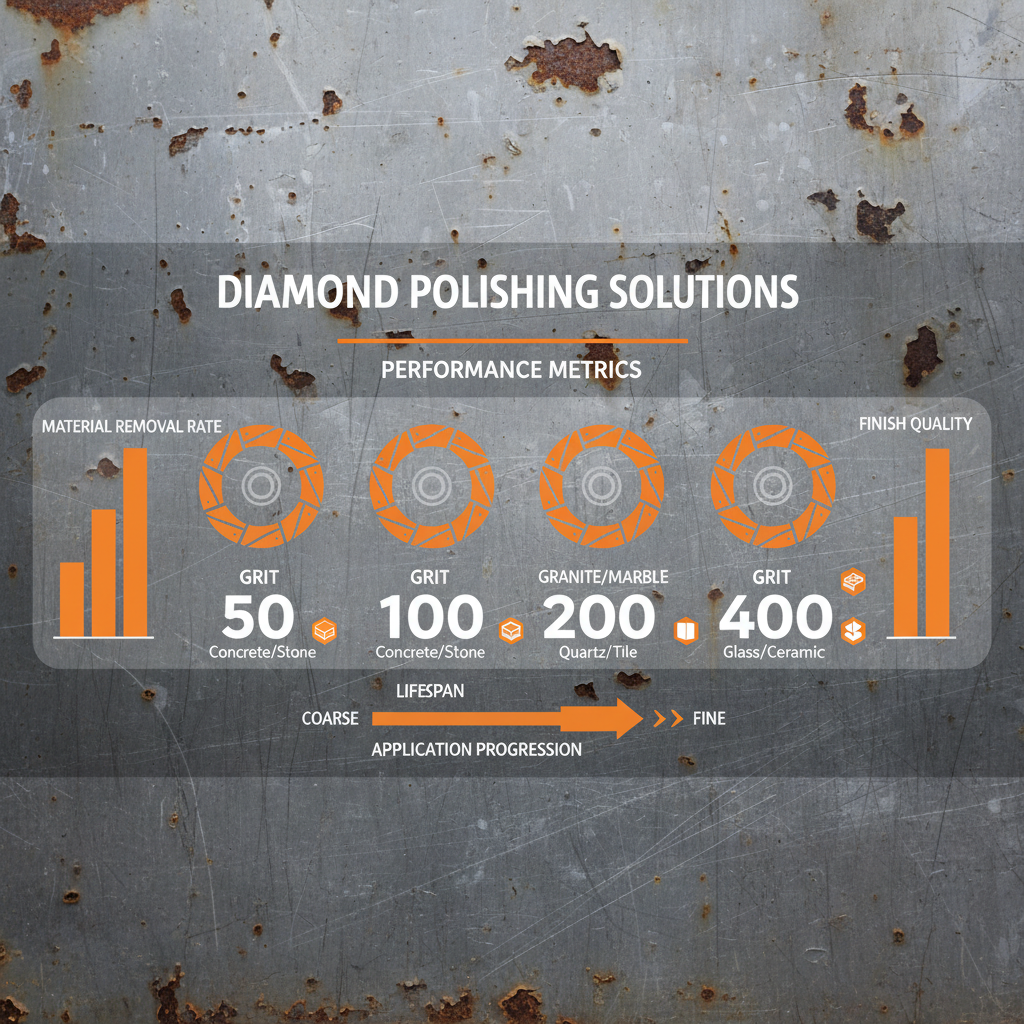
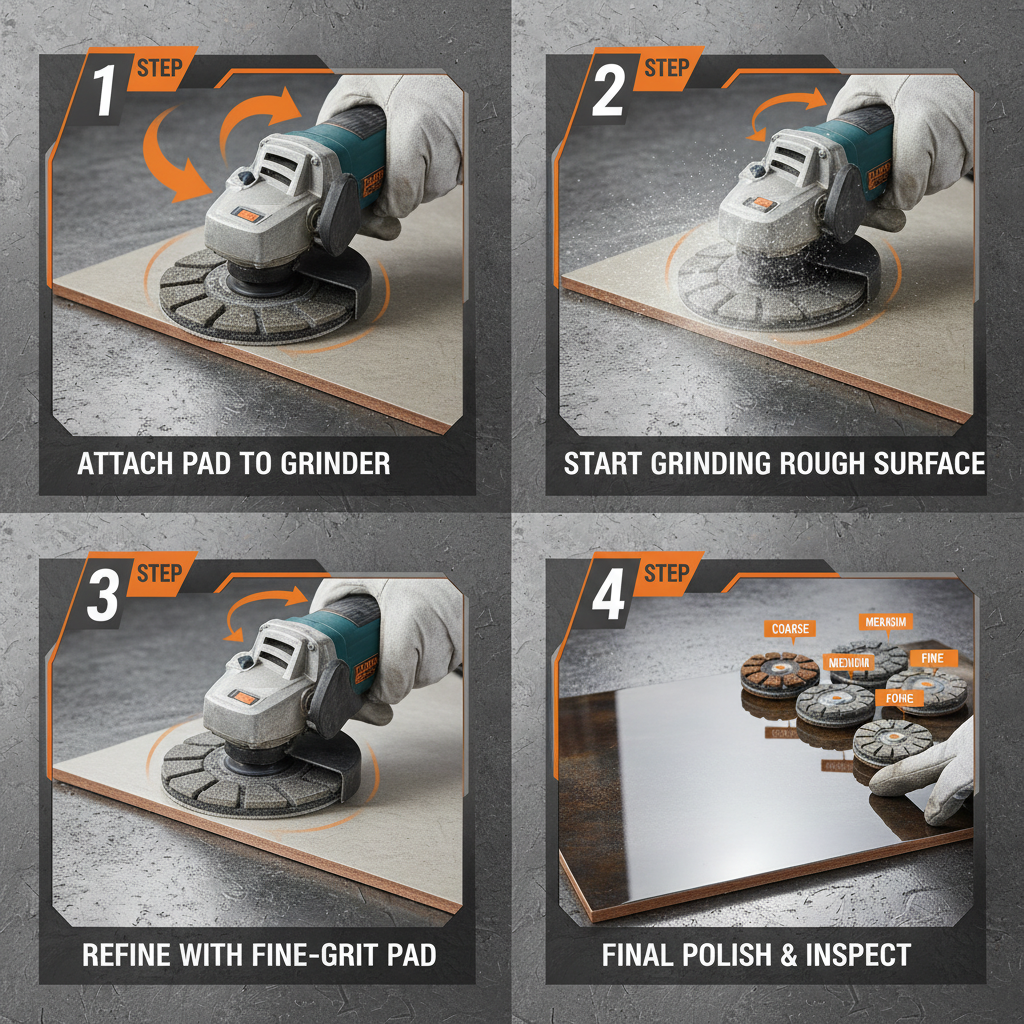
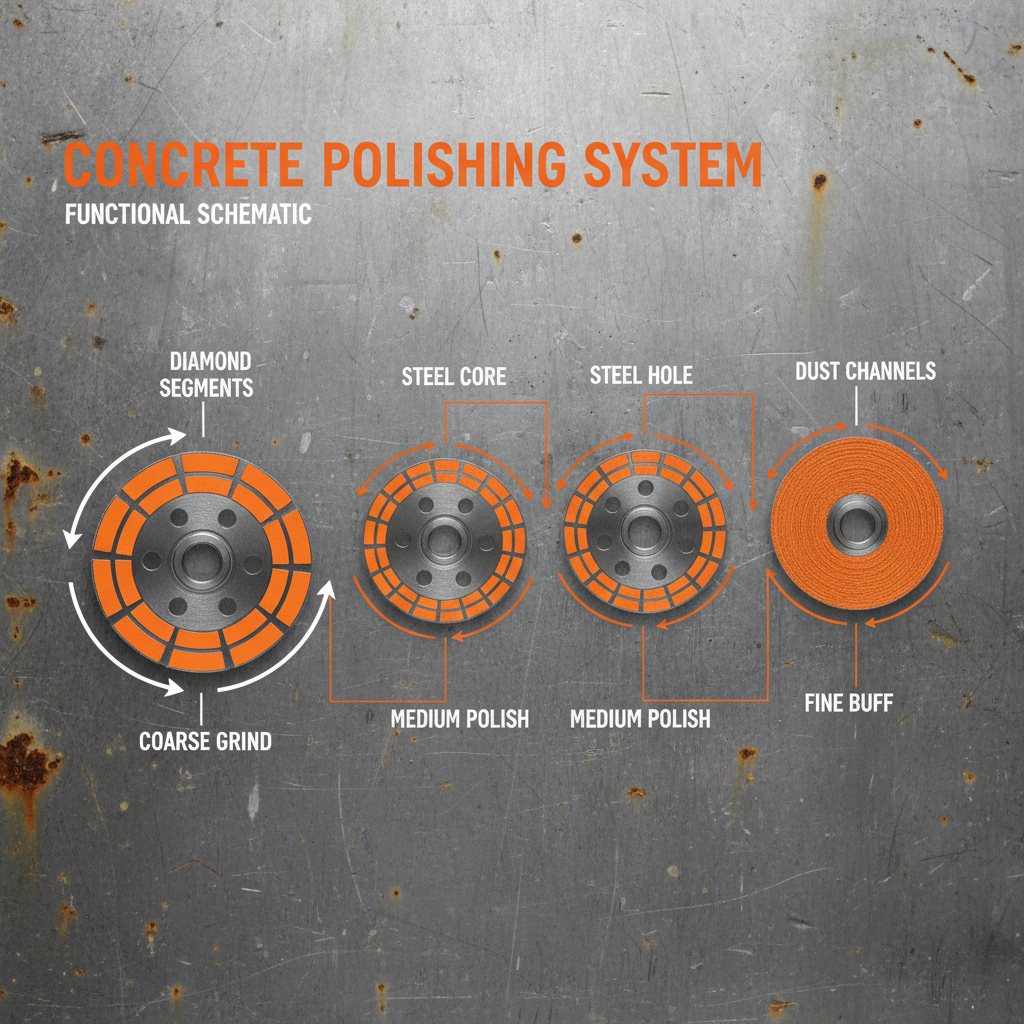
4 diamond polishing pads refer to a set of four pads, each with a different grit level, used in sequence to refine a surface. Typically, the grit sequence starts with a coarser grit to remove imperfections, then progressively moves to finer grits to achieve a polished sheen. The common grit sequence is 50, 100, 200, and 400 grit, though variations exist depending on the material being polished and the desired finish. These pads are commonly used with a variable-speed polisher and are available in both wet and dry applications, with wet polishing generally preferred for dust control and better results. You can explore a wide range of these pads at My Diamond Blade.
Key Takeaway: 4 diamond polishing pads offer a systematic and efficient method for achieving a professional-quality polished surface.
Grit Levels and Their Applications
Understanding grit levels is crucial for successful polishing. Lower grit numbers (e.g., 50, 100) are more abrasive and are used for initial grinding and removing scratches, chips, or unevenness. As you progress to higher grit numbers (e.g., 200, 400), the pads become finer and are used for honing and polishing to achieve a smooth, reflective surface. Choosing the right grit sequence depends on the starting condition of the surface. Heavily damaged surfaces will require starting with a lower grit, while surfaces with minor imperfections can start with a higher grit. Here’s a breakdown:
Wet vs. Dry Polishing Pads
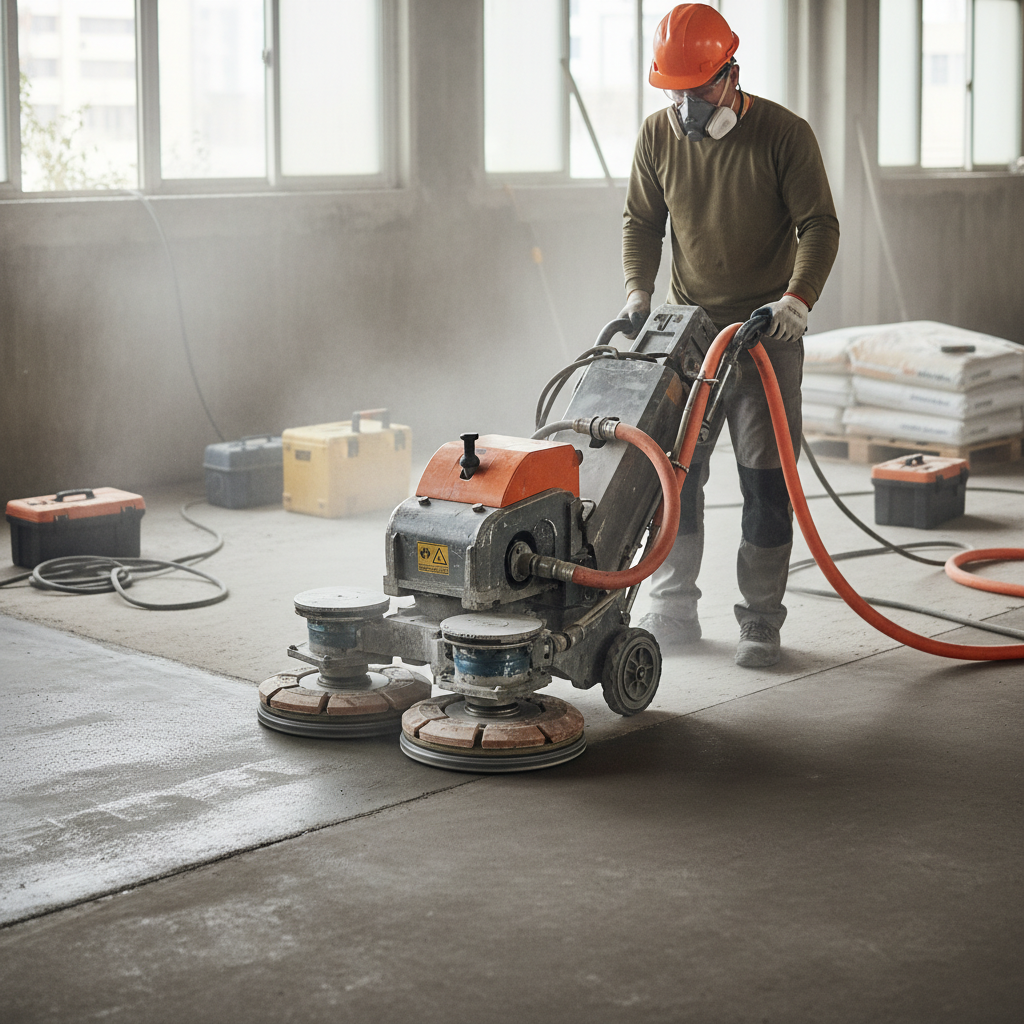
Diamond polishing pads are available for both wet and dry polishing. Wet polishing involves using water to lubricate the surface and cool the pad, minimizing dust and extending pad life. Dry polishing, while faster, generates significant dust and can wear down pads quicker. Wet polishing is generally recommended for most applications, especially indoors, due to its dust control benefits and superior finish. When using wet pads, ensure a consistent water supply to prevent the pad from overheating and glazing over.
Wet Polishing Advantages:
• Reduced Dust Exposure
• Longer Pad Life
• Superior Finish Quality
• Cooling Effect Prevents Glazing
Choosing the Right 4 Diamond Polishing Pads
Selecting the right set of 4 diamond polishing pads depends on the material you’re working with and the desired outcome. For natural stone like granite and marble, high-quality resin-bonded pads are ideal. For concrete, metal-bonded pads are preferred due to their durability. Consider the pad size based on the size of the surface being polished. Investing in a reputable brand, like those available at My Diamond Blade, ensures consistent quality and performance.
Product Specifications and Features
Here's a typical specification sheet for a common 4-inch diamond polishing pad set:
Conclusion: Achieving a Polished Perfection
Investing in quality 4 diamond polishing pads is crucial for achieving stunning, long-lasting results. By understanding the grit levels, wet vs. dry polishing techniques, and material compatibility, you can confidently tackle any polishing project. Explore the diverse range of options available at My Diamond Blade and take the first step towards a flawlessly polished surface.
Frequently Asked Questions (FAQs)
How often should I replace my diamond polishing pads?
The lifespan of diamond polishing pads varies depending on usage, material hardness, and quality. Regularly inspect the pads for wear and tear, such as glazing or loss of diamond grit. If you notice a significant decrease in cutting performance or visible damage, it’s time to replace them. Generally, resin-bonded pads will need replacing more frequently than metal-bonded pads. A good rule of thumb is to replace pads when they no longer effectively remove material or achieve the desired finish.
What speed should I use with my polishing pads?
The optimal speed depends on the material and the grit level of the pad. Generally, start with a slower speed for coarser grits (50-100) and gradually increase the speed for finer grits (200-400). Excessive speed can generate heat and damage the pads or the surface. Always refer to the pad manufacturer's recommendations for specific speed guidelines. A variable-speed polisher allows you to adjust the speed for optimal performance.
Can I use diamond polishing pads on all types of stone?
While diamond polishing pads are versatile, it’s essential to choose the right pad type for the specific stone. Softer stones like marble require softer bonding materials (resin) and more delicate polishing techniques. Harder stones like granite can withstand more aggressive pads (metal). Always test the pads on a small, inconspicuous area first to ensure compatibility and avoid damage. Consult with a stone care professional if you're unsure about the best approach.
How do I clean my diamond polishing pads?
Cleaning diamond polishing pads after each use is crucial for maintaining their performance. For wet pads, rinse them thoroughly with clean water to remove any slurry or debris. Avoid using harsh chemicals or solvents, as these can damage the pad’s bonding material. Allow the pads to air dry completely before storing them. Periodically, you can use a pad cleaning brick to remove embedded contaminants and restore the pad's cutting efficiency.
Related Products


Related Products




Address
No.30 Gaoying Road ,Chang'an District,Shijiazhuang,Hebei Province
Business Hours
Mon to Saturday : 8.00 am - 7.00 pm
Sunday & Holidays : Closed
.png )