
Maximize Tile Cutting Precision with the Versatile Tile Diamond Pad
Understanding the Versatility of the Tile Diamond Pad
When undertaking tile cutting, whether for home renovation or professional installations, the right tools are crucial. A tile diamond pad is an essential accessory, enhancing the efficiency and quality of your work. This article provides a comprehensive guide to tile diamond pads, covering their uses, benefits, types, and how to choose the right one for your needs. We will delve into how these pads contribute to cleaner cuts, longer blade life, and overall project success.
What is a Tile Diamond Pad?
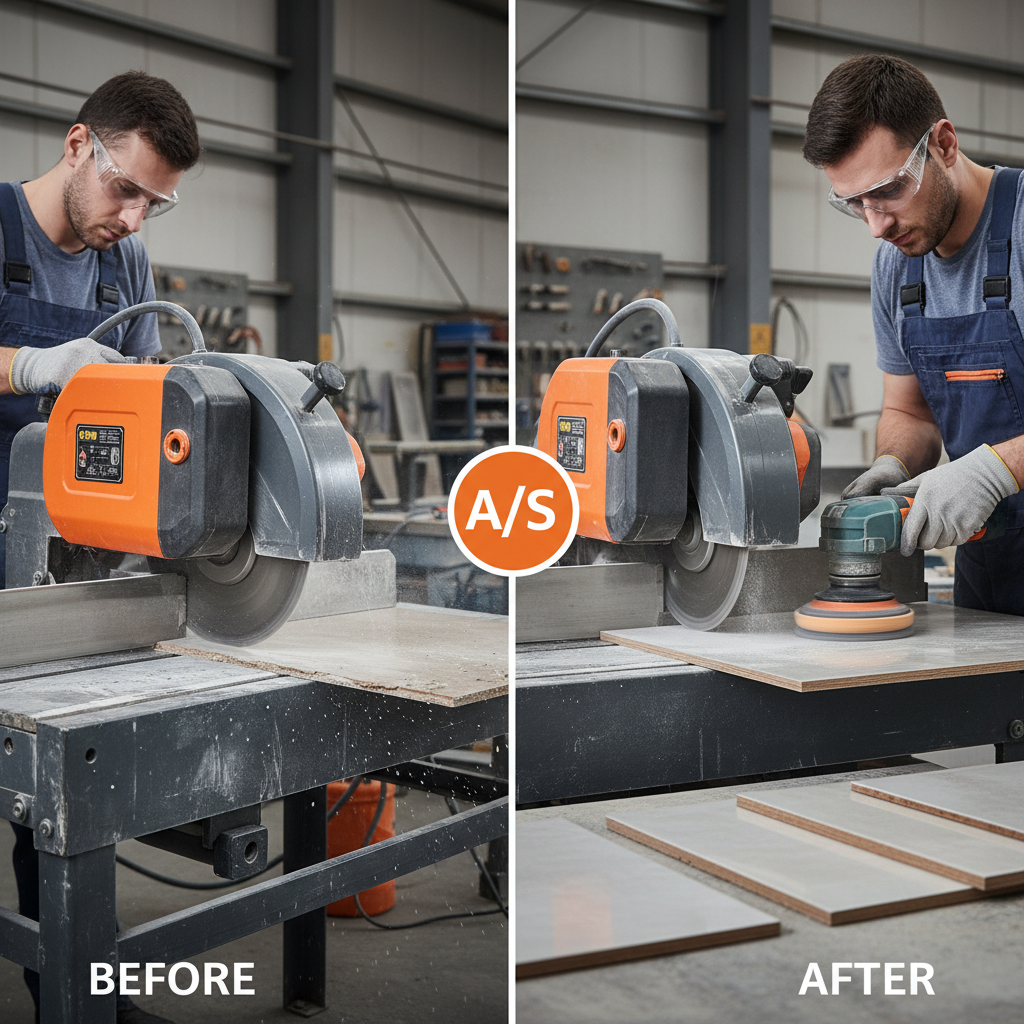
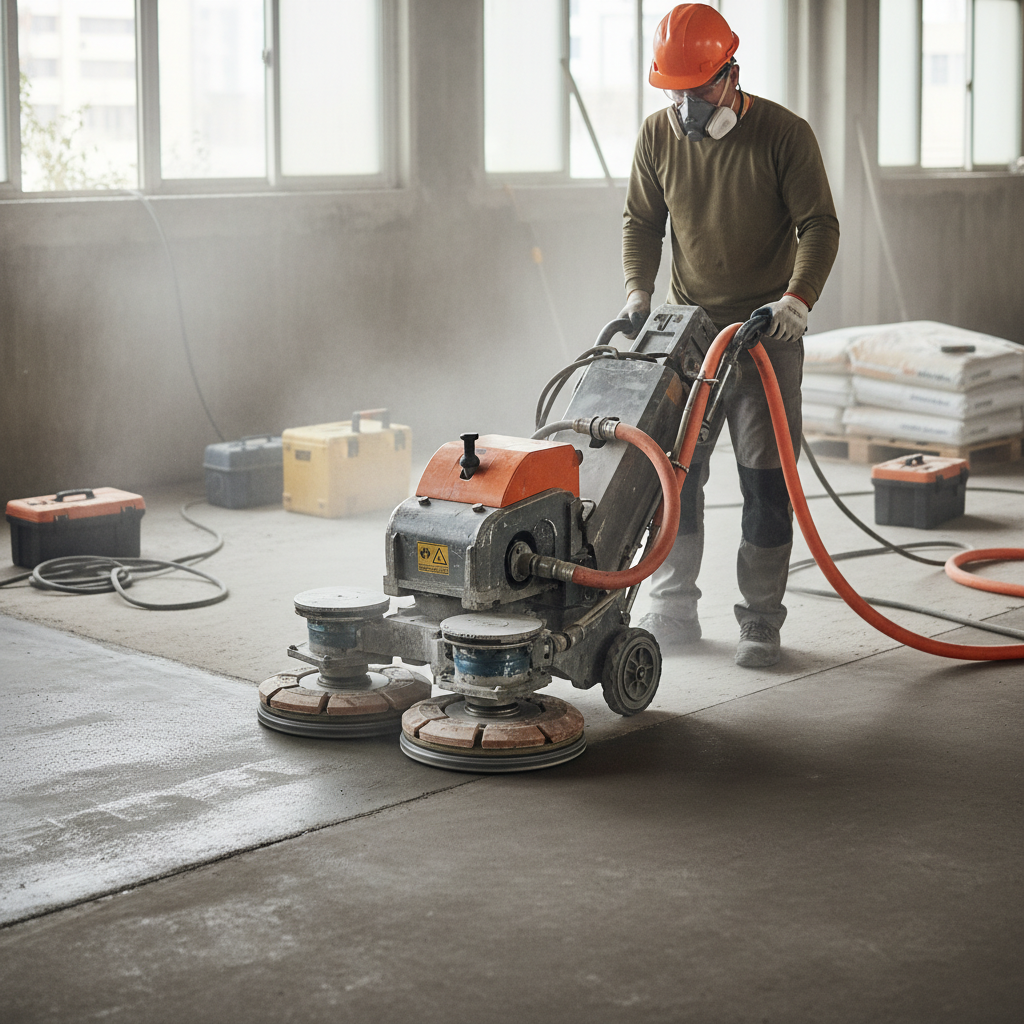
A tile diamond pad is a polishing and grinding tool used with tile saws and grinders. It features an abrasive surface embedded with industrial-grade diamond particles. These particles effectively wear away the tile material, allowing for smooth, precise cuts, shaping, and polishing. Unlike traditional abrasive pads, diamond pads offer superior durability and a longer lifespan, making them a cost-effective solution for both DIY enthusiasts and professional tile installers. They're versatile enough for ceramic, porcelain, glass, and natural stone tiles.
Key Highlights: Diamond pads offer exceptional durability, a longer lifespan, and can be used on a variety of tile materials. They ensure precise and smooth results for cutting, shaping, and polishing.
The Benefits of Using a Tile Diamond Pad
Utilizing a tile diamond pad provides several advantages. First, they deliver exceptionally clean and precise cuts, reducing the need for extensive post-cutting cleanup. Second, they significantly extend the life of your tile blades, as the diamond pad handles much of the material removal. Third, they're capable of achieving a high-gloss polish on various tile surfaces. Finally, they offer versatility, capable of handling intricate shapes and designs.
Key Benefits:
• Clean and precise cuts
• Extended blade life
• High-gloss polishing
• Versatility with different tile types
Choosing the Right Tile Diamond Pad: Grit and Bond
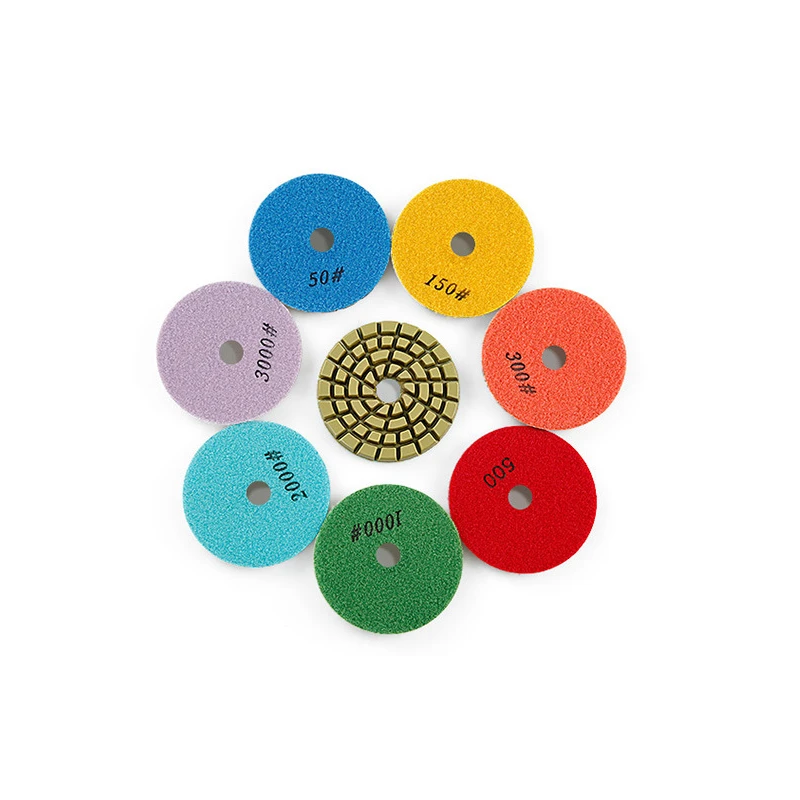
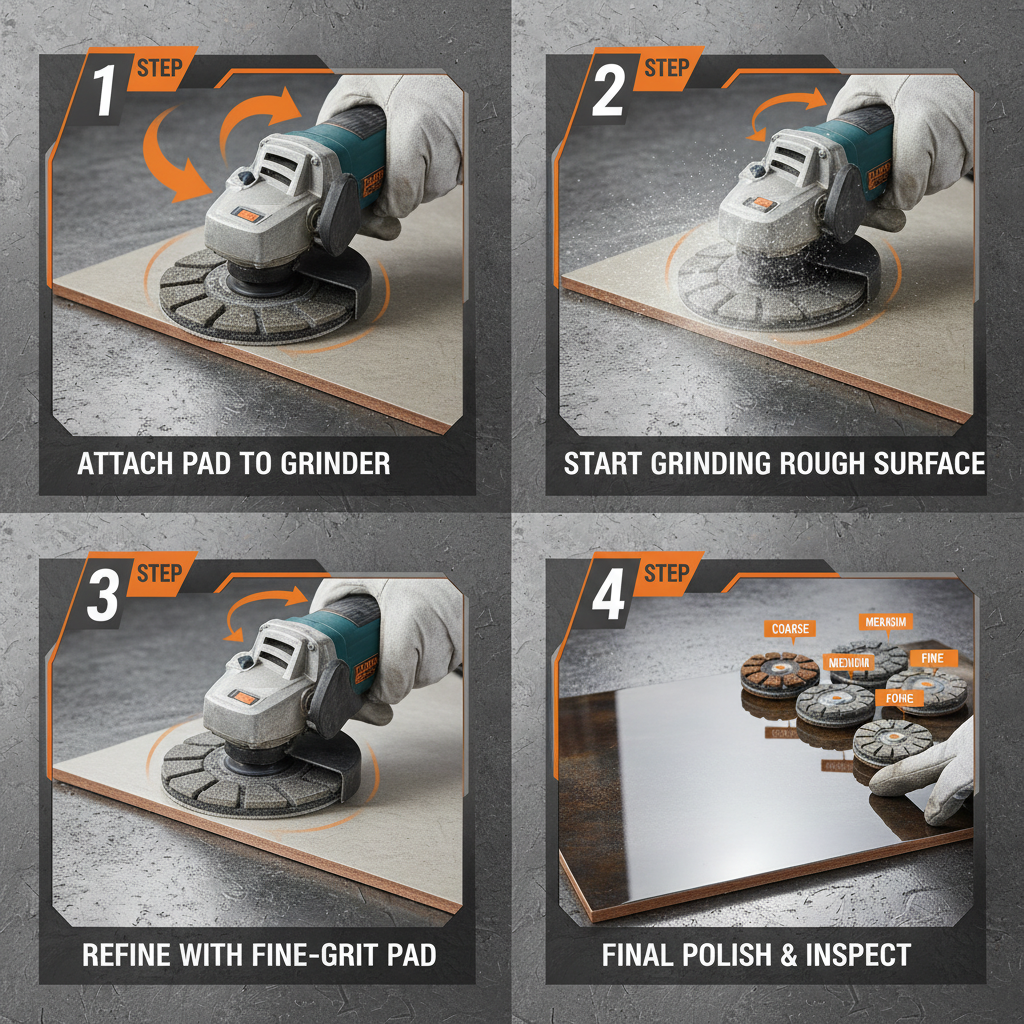
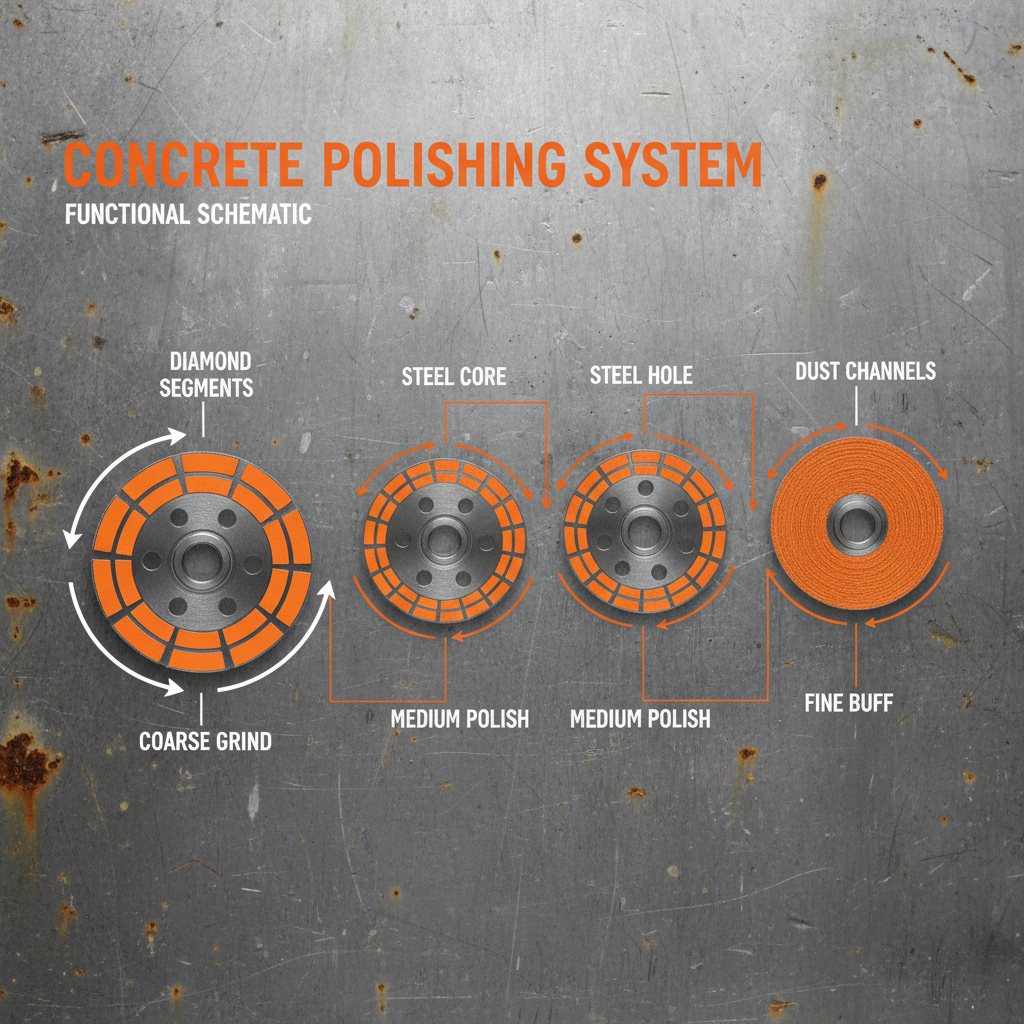
Selecting the appropriate tile diamond pad depends on the specific task. The grit level, indicated by a number, determines the abrasiveness. Lower grit numbers (e.g., 50, 100) are for aggressive material removal, ideal for initial shaping or leveling. Medium grits (e.g., 200, 400) are used for refining the surface. Higher grits (e.g., 800, 1500, 3000) are for polishing to achieve a smooth, glossy finish. The bond refers to how tightly the diamond particles are held within the pad; softer bonds are more aggressive, while harder bonds are more durable.
Types of Tile Diamond Pads
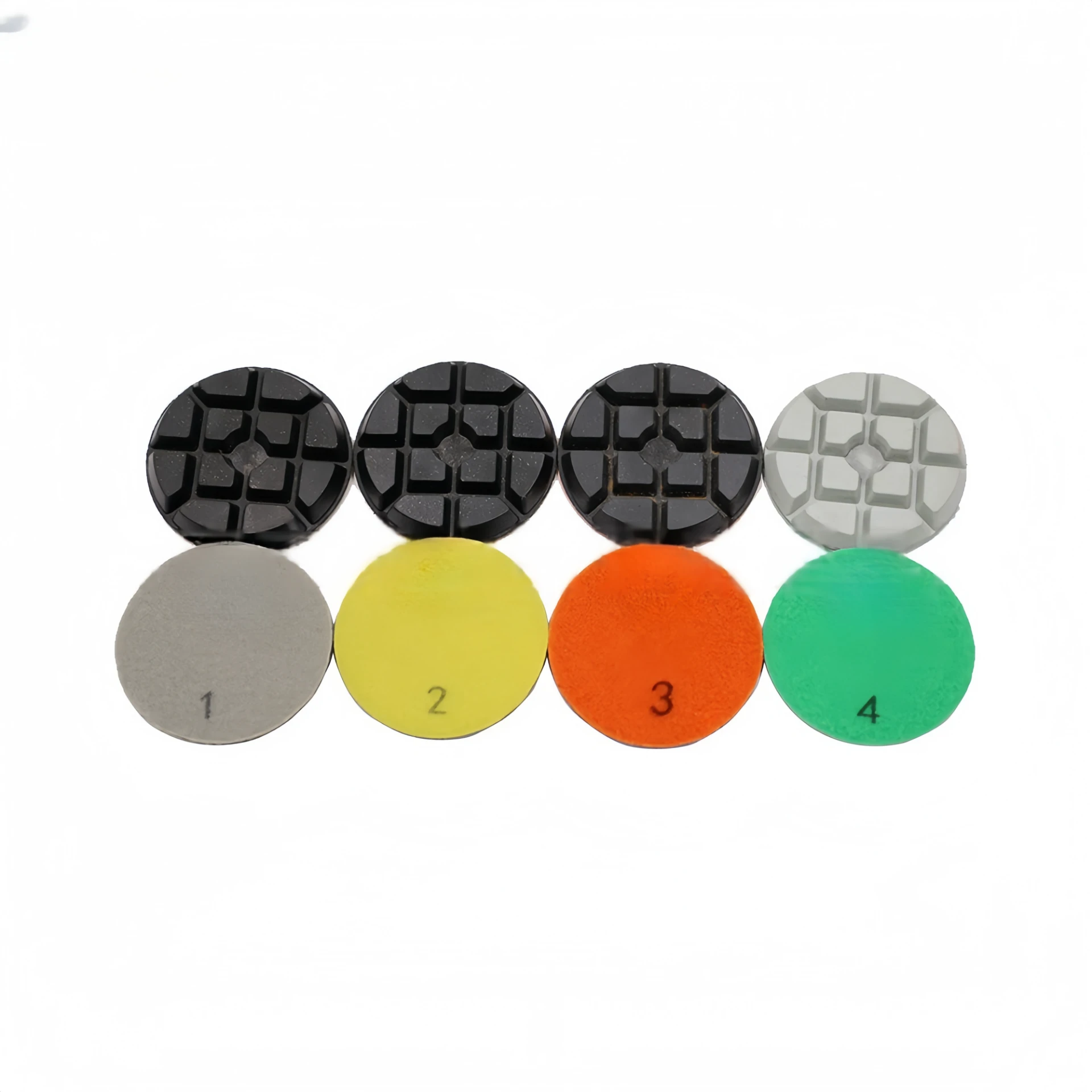
Tile diamond pads come in various forms, each suited for different applications. Rigid pads are generally used with handheld grinders and provide aggressive material removal. Flexible pads are designed for wet polishing and are ideal for achieving a smooth, even finish on large surfaces. Hook-and-loop pads offer quick and easy attachment and removal, making them convenient for frequent pad changes. Choosing the right type depends on your tool and the desired outcome.
Proper Usage and Maintenance of Tile Diamond Pads
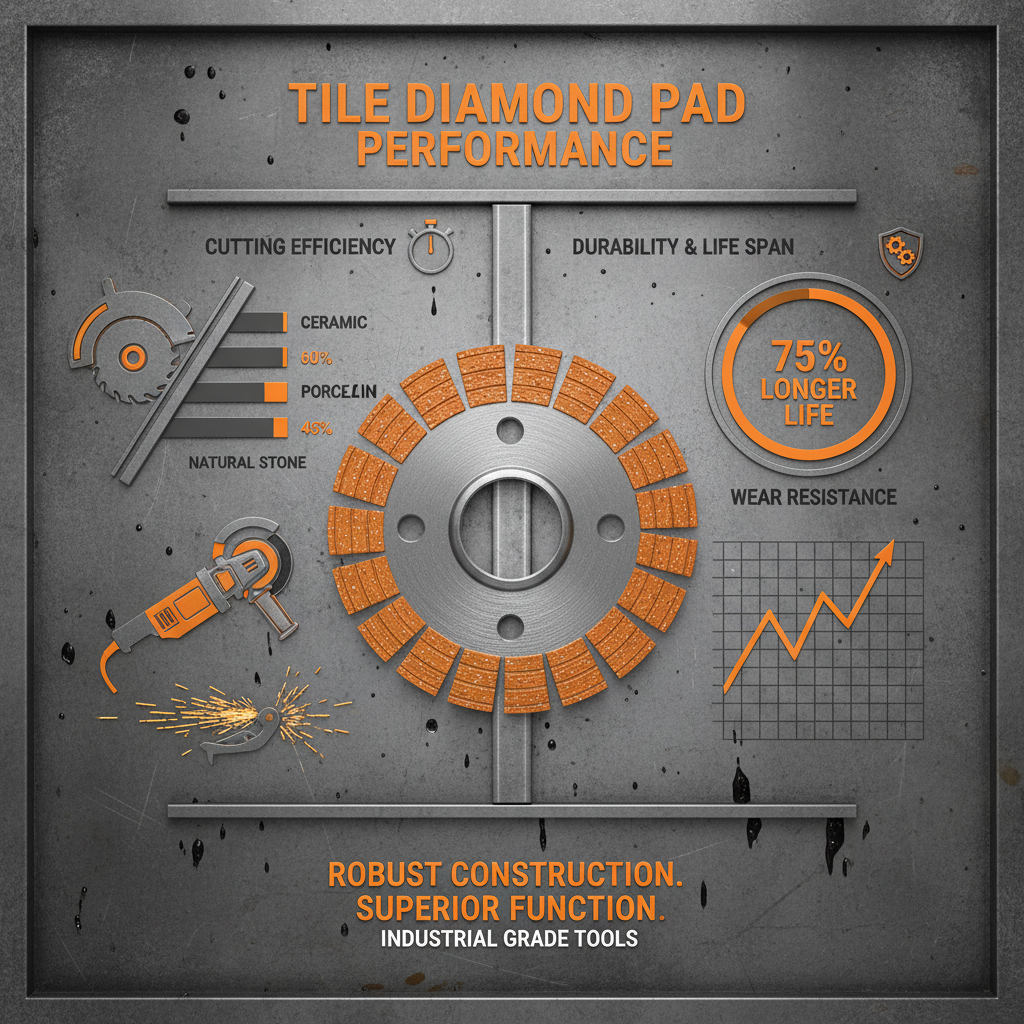
To maximize the lifespan and performance of your tile diamond pads, proper usage and maintenance are essential. Always use water when using diamond pads to cool the surface and prevent dust buildup. Avoid applying excessive pressure, as this can damage the pad. Regularly clean the pad with a brush to remove debris and maintain its cutting efficiency. Store pads in a dry, clean environment to prevent corrosion. Investing in quality pads from a reputable supplier, like My Diamond Blade, will also ensure you receive durable and effective tools.
Conclusion: Enhance Your Tile Work with Quality Diamond Pads
Investing in high-quality tile diamond pads is a smart choice for achieving professional-looking results. By understanding the different types, grits, and proper usage techniques, you can optimize your tile cutting and polishing projects. Ensure you select the correct pad for your needs and maintain it properly to maximize its lifespan and performance.
Frequently Asked Questions (FAQs)
How long should a tile diamond pad last?
The lifespan of a tile diamond pad varies depending on usage, the materials being cut, and the quality of the pad. With proper use and maintenance (including keeping it wet and clean), a quality diamond pad can last for several projects. However, noticeable wear, decreased cutting efficiency, or visible damage indicates it's time for a replacement. Expect a lifespan ranging from a few hours of heavy use to several projects with moderate use.
Can I use a tile diamond pad dry?
Generally, it's not recommended to use a tile diamond pad dry. Water acts as a coolant, preventing overheating and reducing dust. Dry use can significantly shorten the pad's lifespan and create hazardous airborne particles. Some specialized dry-use diamond pads are available, but most require water lubrication for optimal performance and safety.
What is the best way to clean a tile diamond pad?
The best way to clean a tile diamond pad is to use a nylon brush while the pad is still wet. Gently scrub the surface to remove debris and slurry. Avoid using harsh chemicals or solvents, as they can damage the pad's bond. Regular cleaning ensures the diamond particles remain exposed and maintain optimal cutting performance. After cleaning, rinse the pad thoroughly with water.
Related Products
Related Products





Address
No.30 Gaoying Road ,Chang'an District,Shijiazhuang,Hebei Province
Business Hours
Mon to Saturday : 8.00 am - 7.00 pm
Sunday & Holidays : Closed
.png )