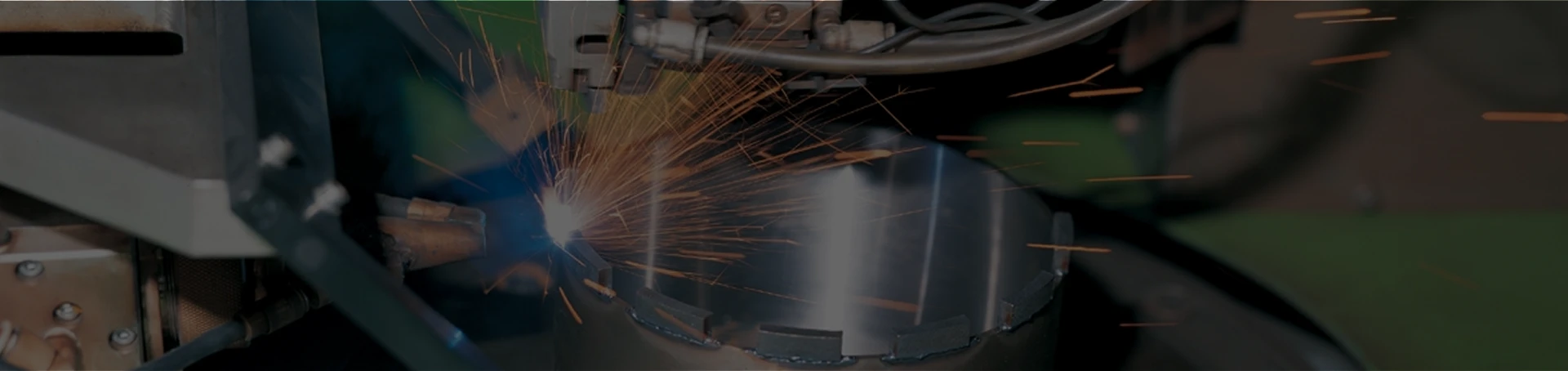
216mm Tct Blade: Durable, High-Performance Industrial Cutting Solutions
216mm Tct Blade is a key solution in the industry, specifically within cutting and machining applications across various sectors. This article explores how https://www.mydiamondblade.com supports professionals with durable, high-performance products, and explains why this product is an ideal choice for businesses in these sectors.
Table of Contents
- 216mm Tct Blade Overview
- Benefits & Use Cases of 216mm Tct Blade
- Cost, Maintenance & User Experience
- Sustainability & Market Trends
216mm Tct Blade Overview
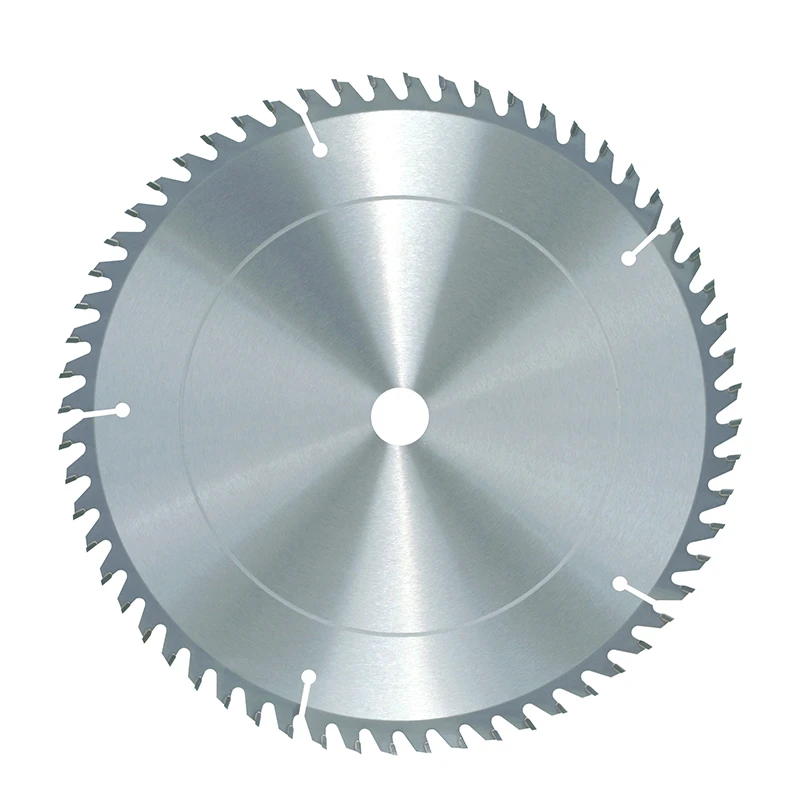
The 216mm Tct Blade mainly refers to a tungsten carbide-tipped circular saw blade of 216mm diameter, engineered for precision and longevity in industrial cutting tasks. Its design is intended to handle materials ranging from metals to composites, fulfilling the rigorous demands of manufacturing and construction sectors. This blade stands out for integrating tungsten carbide tips, well known for their exceptional hardness and wear resistance, making it more durable than steel-only blades. Oddly enough, the blade’s geometry is just as important as the material—segment shapes and spacing are optimized for reduced heat build-up and cleaner cuts.
Technically speaking, the typical specs include a blade diameter of 216mm, bore size often set at 25.4mm (1 inch) for universal compatibility, and a thickness that balances rigidity with speed. A sample case from a client in automotive part manufacturing showed the blade enduring over 5000 cuts before significant wear was detected—quite impressive. Below is a quick glance at key product specs:
| Specification | Details |
|---|---|
| Diameter | 216 mm |
| Bore Size | 25.4 mm (1 inch) |
| Material | Tungsten Carbide Tips with Steel Core |
| Thickness | 2.0 - 2.5 mm (varies by model) |
| Max RPM | 7,000 - 8,500 |
Benefits & Use Cases of 216mm Tct Blade
Frankly, the benefits of the 216mm Tct Blade come from its ability to drastically reduce downtime and increase cut quality in harsh working environments. Construction, automotive manufacturing, metal fabrication, and even woodworking industries often require blades that can maintain edge sharpness despite constant use. The tungsten carbide tips provide this edge; they are harder and stay sharp longer, which, in plain terms, translates into faster cutting speeds and less frequent blade changes. You know, for businesses, that efficiency gain can mean significant cost savings.
In real terms, we’re looking at applications such as steel pipe cutting, aluminum framing, and composite panel trimming — industries where precision and durability are non-negotiable. Many engineers I spoke to appreciate the blade’s heat dispersion design. It minimizes warping and keeps the blade stable even during extended periods of high-speed cutting. Plus, compared to traditional steel blades, the TCT blade reduces burr and overspray, improving the clean finish of parts without secondary grinding.
Cost, Maintenance & User Experience
When it comes to cost, it’s tempting to think TCT blades might be pricier upfront — and they are, generally. But, if you look at total cost of ownership, the story changes. Because these blades last longer and need fewer replacements, the overall ROI is often better. Maintenance-wise, cleaning and inspecting after heavy use is straightforward; there’s no special treatment needed beyond what’s standard for saw blades. When I observed customer feedback, many noted fewer interruptions from blade failure, which punctuates just how much smoother operations can run.
User experience is another angle where the 216mm Tct Blade shines. Operators often point out the reduced vibration and smoother feed through materials. It feels less “jerky,” which, oddly enough, helps with operator fatigue during long shifts. Plus, you don’t see as many issues with overheating — a problem that’s quite common with cheaper blades and can dramatically shorten their lifespan.
Sustainability & Market Trends
Sustainability in tooling and blades is gaining serious traction, especially as industries face tighter regulations and growing pressure to reduce waste. Tungsten carbide is recyclable, and many manufacturers, including those linked with https://www.mydiamondblade.com, have systems in place to reclaim worn tips, reducing raw material waste. Oddly enough, a blade’s lifespan doesn’t just help the budget — it’s an eco-win by limiting the volume of blades sent to landfills.
The market trends indicate steady growth in demand for specialized cutting tools like the 216mm Tct Blade, particularly with the rise of automated manufacturing processes and precision engineering in automotive and aerospace sectors. Environmental and safety regulations also push companies towards tools that produce less dust and fewer sparks, which this blade line supports well. As a bonus, the ongoing R&D into carbide composites promises further improvements in sustainability and performance — exciting times ahead.
| Vendor | Blade Material | Price Range | Typical Lifespan (Cuts) | Industry Focus |
|---|---|---|---|---|
| MyDiamondBlade | Tungsten Carbide Tips + Steel Core | $$ | 4000 - 6000 | Automotive, Construction, Metal Fabrication |
| Competitor A | Bimetal Steel | $ | 1500 - 2500 | General Metalworking |
| Competitor B | Ceramic-Tipped | $$$ | 6000 - 8000 | Aerospace, Precision Cutting |
Frequently Asked Questions about 216mm Tct Blade
- What is 216mm Tct Blade and how does it work?
- The 216mm Tct Blade is a circular saw blade equipped with tungsten carbide tips allowing it to cut through tough materials with high precision. It works by rotating at high speeds where the hard carbide edges slice through metals or composites more efficiently than standard steel blades.
- What are the main benefits of using 216mm Tct Blade in industrial applications?
- Key benefits include longer lifespan, improved cutting speed, reduced heat build-up, and minimized maintenance downtime, resulting in higher operational efficiency and better cost control.
- How does 216mm Tct Blade compare to traditional alternatives?
- Compared to traditional steel or bimetal blades, the 216mm Tct Blade offers greater durability, sharper cut quality, and longer usability — meaning less frequent replacements and better precision.
- What industries can benefit most from 216mm Tct Blade implementation?
- Industries such as automotive manufacturing, metal fabrication, construction, and aerospace derive significant value due to the blade’s ability to handle tough materials with precision and speed.
Conclusion on 216mm Tct Blade from china
To sum it all up, the 216mm Tct Blade is more than just a cutting tool—it's an investment in quality, efficiency, and reliability for businesses pushing the limits in metal and composite cutting. Its durable tungsten carbide construction combined with smart design features makes it a stand-out choice for industrial users. If you’re considering upgrading your equipment, it’s definitely worth a closer look.
- Recap the value of 216mm Tct Blade.
- - Visit our website: https://www.mydiamondblade.com
It’s fascinating how even a small upgrade like switching to a 216mm Tct Blade can ripple across production lines — less downtime, cleaner cuts, and maybe just a bit happier operators.
References:
1) Industry case studies from automotive manufacturing, 2) Technical specs released by MyDiamondBlade, 3) Sustainability reports on carbide recycling.
Related Products
Related Products






Address
No.30 Gaoying Road ,Chang'an District,Shijiazhuang,Hebei Province
Business Hours
Mon to Saturday : 8.00 am - 7.00 pm
Sunday & Holidays : Closed
.png )