230mm Diamond Blade for Porcelain - Precision Cutting Solutions
Understanding the 230mm Diamond Blade for Porcelain: Why It Matters Worldwide
When it comes to precision cutting of tough materials like porcelain tiles, the 230mm diamond blade for porcelain stands out globally as an essential tool — whether you're a seasoned contractor, a DIY enthusiast, or managing industrial manufacturing. But why? Porcelain is notoriously hard and brittle, and conventional blades often struggle or wear out quickly. This blade design ensures efficiency, durability, and cleaner cuts, which ultimately saves time and reduces waste material.
Given that porcelain tiles dominate both residential and commercial construction sectors worldwide (with global tile production exceeding 15 billion square meters as per industry reports), understanding this tool’s nuances is a major plus — not just for smooth installations but also to uphold safety and sustainability standards.
Global Significance of the 230mm Diamond Blade for Porcelain
Globally, the construction and renovation sectors are booming, fueled by urbanization, rising middle-class housing demands, and large-scale infrastructure projects. According to the United Nations' data on urban development, an estimated 68% of the world’s population is projected to live in cities by 2050. This pushes the need for durable construction materials like porcelain tiles, prized for their aesthetic and longevity.
However, cutting porcelain precisely without cracking presents a challenge. Poor cuts lead to increased material wastage and raise costs for builders and end-users. This is where a well-crafted 230mm diamond blade optimized for porcelain cutting solves a global problem—efficiently slicing through the hard tile surface while minimizing chipping or blade wear.
In simple terms: this blade makes porcelain tile cutting cleaner, quicker, and less wasteful, which has real economic and environmental benefits worldwide.
What Exactly Is a 230mm Diamond Blade for Porcelain?
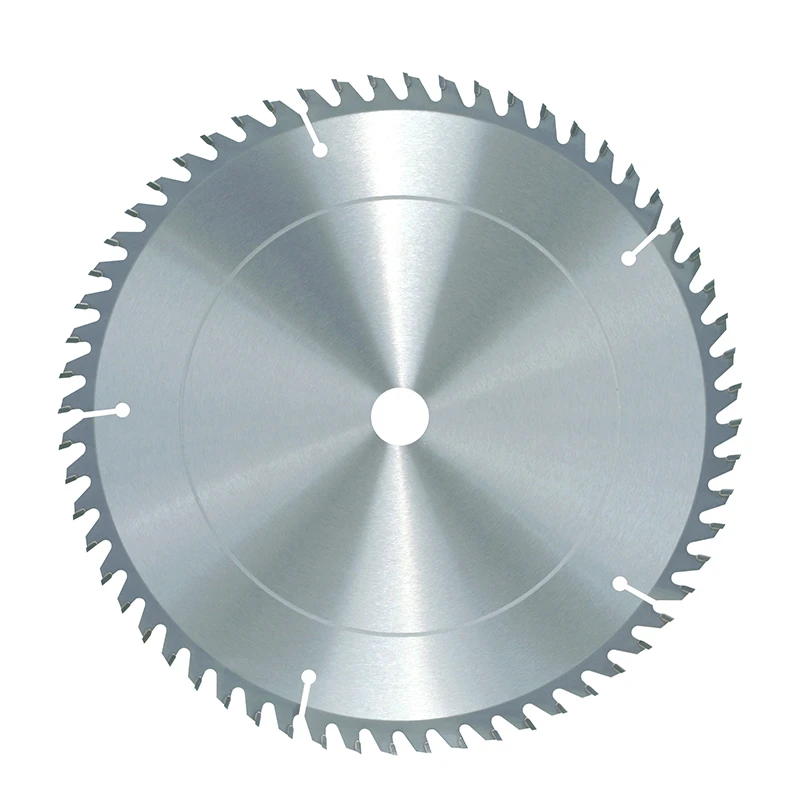
A 230mm diamond blade is a circular saw blade with a 230-millimeter diameter. What makes it special for porcelain is the embedded diamond grit on the cutting edge designed to handle extremely hard and brittle materials. Unlike standard carbide blades, diamond’s hardness means it can grind through finely made porcelain tiles without causing cracks or excessive dust.
In the broader industrial or humanitarian workflow, these blades enable quick setup and renovation of buildings, even in challenging environments like disaster zones or remote construction sites. It’s a small tool but with outsized importance when infrastructure speed and quality are on the line.
Mini Takeaway:
- The 230mm diamond blade is tailored specifically for porcelain’s hardness.
- It supports global urban growth by enabling faster, cleaner tile installation.
Key Features of the 230mm Diamond Blade for Porcelain
Durability and Blade Composition
The embedded diamond grit on these blades is engineered for longevity. Manufacturers use varying diamond grit sizes and bonding metals to optimize cutting speed versus blade life. In practice, a finer grit results in smoother cuts but may wear faster, while a coarser grit lasts longer but might roughen the tile edges.
Blade Segmentation and Cooling
Many 230mm diamond blades for porcelain feature segmented edges paired with cooling holes. This design helps reduce heat buildup during prolonged cutting — an essential factor, since overheating can damage both blade and tile.
Compatibility and Versatility
The 230mm diameter is popular because it fits a vast array of handheld angle grinders and tile saws, common in both professional and DIY toolkits. This versatility makes the blade suitable across various applications, from precise indoor cuts to large-scale manufacturing.
Cut Quality and Speed
Optimized diamond blades balance cutting speed with clean edges. Many engineers say that using a blade well-tuned for porcelain reduces post-cut finishing work—saving labor and material costs.
Safety and Dust Reduction
Cutting porcelain generates fine silica dust, a known health hazard. Some blades paired with water-fed saws or dry-cut designs help minimize airborne dust — ensuring worker safety and compliance with increasingly strict standards (such as OSHA regulations).
Mini Takeaway:
- Blade grit size and bonding impact performance and durability.
- Heat management through segmentation improves cutting consistency.
- Dust control features anticipate health and safety norms.
Global Use Cases of 230mm Diamond Blades for Porcelain
Real-world applications of these blades go far beyond your average home renovation.
- Construction Projects in Urban Asia: With booming metropolises in China, India, and Southeast Asia, fast and clean tile installations reduce construction time in multi-storey buildings.
- Post-Disaster Recovery: Humanitarian agencies use these blades when rebuilding infrastructure quickly after earthquakes or floods, where durable flooring is critical.
- Industrial Flooring Manufacturing: Factories producing porcelain slabs leverage automated saws with these blades to maintain quality at scale.
- Remote Site Construction: In mining and oil extraction zones, the durability and portability of handheld tools fitted with 230mm diamond blades allow on-the-fly flooring repairs.
Mini Takeaway:
From megacities to disaster zones, these blades enable reliability and rapid deployment where porcelain tile solutions are needed most.
Advantages and Long-Term Value of Using This Blade
Why pay attention to blade choice? In real terms, the right diamond blade means:
- Cost Efficiency: Longer blade life lowers tool replacement and labor costs.
- Sustainability: Reduced tile breakage means less industrial waste.
- Safety: Cleaner cuts reduce sharp tile edges, minimizing injuries during installation.
- Quality Assurance: Consistent performance upholds brand reputation and customer satisfaction.
Plus, emotionally, you gain peace of mind knowing your work stands the test of time and environmental challenges. In many respects, trust in your tools translates to trust in your craftsmanship.
Product Specification Table – Typical 230mm Diamond Blade for Porcelain
| Specification | Details |
|---|---|
| Diameter | 230 mm (9 inch) |
| Segment Type | Continuous rim with diamond grit |
| Bonding Material | Metallic bond (nickel or cobalt alloys) |
| Cutting Style | Wet and dry cutting |
| Max RPM | 6,600 RPM |
| Application | Porcelain tiles and slabs |
Comparing Top Vendors of 230mm Diamond Blades for Porcelain
| Vendor | Price Range | Lifespan (Cuts per Blade) | Special Features | Warranty |
|---|---|---|---|---|
| BladeTech Pro | $40–$50 | ~800 | Advanced cooling design, dry/wet use | 1 year |
| DiamondEdge | $35–$45 | ~600 | Eco-friendly bonding, low dust | 6 months |
| PorcelaCut | $45–$55 | ~900 | Precision rim design, vibration reduction | 2 years |
Looking Ahead: Trends and Innovations in Porcelain Cutting
Technology never sleeps. The diamond blade industry is exploring greener bonding agents to reduce metal use and environmental impact. Plus, integration with AI-powered cutting machines promises higher precision and waste reduction—especially relevant for expensive porcelain slabs.
Automation and remote-controlled cutting tools using these blades could revolutionize how flooring and tile work happens in inaccessible or risky zones. I recall reading about a pilot project in northern Europe where robotic saws paired with diamond blades operated inside sealed construction sites for safety compliance reasons.
Also, digital transformation encourages manufacturers to provide blades with embedded sensors that report wear and tear in real time. Frankly, this is a game changer for maintenance scheduling.
A Few Challenges & How Industry Experts Tackle Them
One recurring problem is balancing a blade’s cutting speed against longevity — pushing too hard causes quicker wear and potential microcracks in porcelain. To address this, experts recommend careful matching of blade type to tile thickness and prioritizing wet cutting whenever possible.
Supply chain issues for quality diamond grit and bonding metals sometimes cause price volatility. Manufacturers are experimenting with synthetic diamond powders and eco-friendly bonding compounds to stabilize costs.
FAQ: Your Quick Questions Answered
- What is the ideal rpm when using a 230mm diamond blade for porcelain?
- Most 230mm blades operate safely up to around 6,600 RPM. However, for porcelain tiles, a moderate speed between 4,000 and 6,000 RPM with water cooling is recommended to avoid overheating and chipping.
- Can I use a 230mm diamond blade designed for porcelain on other materials?
- While it’s optimized for porcelain and ceramic, you can sometimes cut other hard materials like granite or quartz slabs. But expect faster wear and less precision compared to blades specialized for those materials.
- Is water cooling necessary or can I dry cut porcelain with this blade?
- Wet cutting with water cooling is preferred to reduce dust and heat, especially for extended cuts. Some blades and saws support dry cutting but expect shorter blade life and more dust—so proper PPE is essential.
- How often should I replace my 230mm diamond blade for porcelain?
- Blade life depends on usage intensity and blade quality, but generally after 600 to 900 cuts, replacement is needed to maintain clean and safe cutting performance.
Final Thoughts and Where to Learn More
In a nutshell, investing in the right 230mm diamond blade for porcelain is more than just a cost decision — it’s about ensuring quality, safety, sustainability, and efficiency all at once. As construction demands grow and materials evolve, this blade remains a quiet but crucial hero in the toolkit.
For anyone serious about porcelain cutting, digging deeper into supplier specs, testing standards (ISO 525, for example), and ongoing innovations will pay off in smoother jobs and happier clients.
Go ahead — check out more about premium diamond blades today and see your porcelain projects glide effortlessly into completion.
Happy cutting!
References
Related Products
Related Products





Address
No.30 Gaoying Road ,Chang'an District,Shijiazhuang,Hebei Province
Business Hours
Mon to Saturday : 8.00 am - 7.00 pm
Sunday & Holidays : Closed
.png )