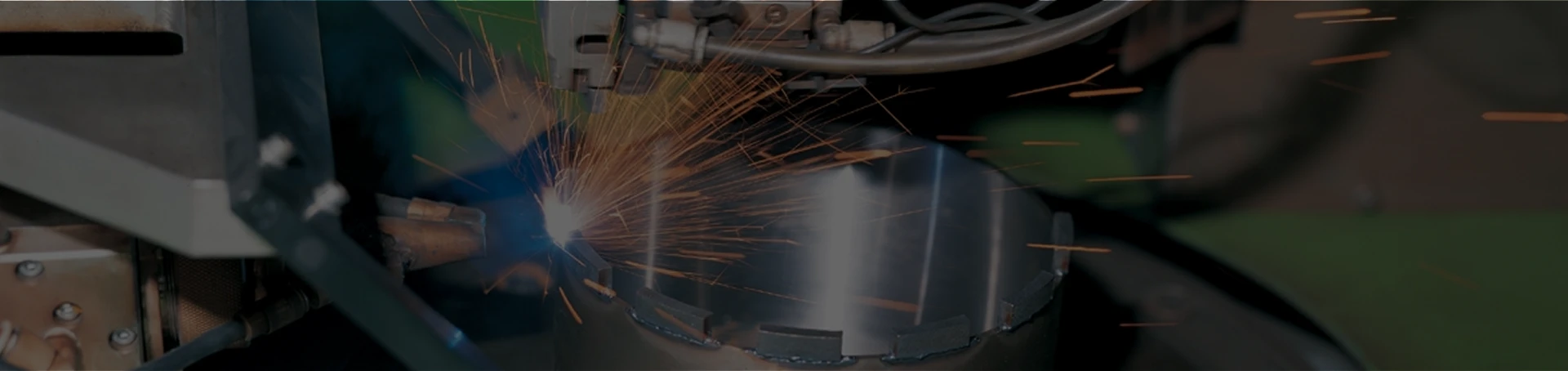
250mm Porcelain Diamond Blade: Precision Cutting Tool for Porcelain & Ceramic Surfaces
Understanding the 250mm Porcelain Diamond Blade: Why It Matters Globally
When you first hear 250mm porcelain diamond blade, it might sound like a niche technical tool best left to industry insiders and professionals. But oddly enough, this simple tool tells a much bigger story about construction, precision cutting, and the global push for efficiency in material processing. Globally, industries from construction to manufacturing rely heavily on tools like this blade to shape, cut, and finish materials with accuracy and durability. Why should you care? Because the efficiency and quality this blade delivers directly affect costs, safety, and even sustainability across multiple sectors.
In real terms, understanding what makes a 250mm porcelain diamond blade special sheds light on how we build the world — literally starting from the ground up.
The Global Context: How the 250mm Porcelain Diamond Blade Addresses Industry Challenges
Globally, ceramic and porcelain tile markets are booming. According to industry analysis, over 30 billion square meters of tiles are produced and used annually worldwide, with Europe, Asia, and North America as key players. Precision cutting tools — especially diamond blades — are vital for that industry’s growth and safety standards. The 250mm porcelain diamond blade boasts an ideal size for balancing portability and cutting depth, making it indispensable.
But here’s the crux: porcelain is a notoriously tough, dense material, prone to chipping and cracking when cut improperly. Inadequate tools lead to dangerous outcomes — either costly waste or unsafe job sites. Enter the 250mm porcelain diamond blade, engineered specifically to meet these challenges.
Mini takeaway: The 250mm porcelain diamond blade sits at the intersection of industry demand and material science, unlocking safer, more precise porcelain cutting worldwide.
Defining the 250mm Porcelain Diamond Blade
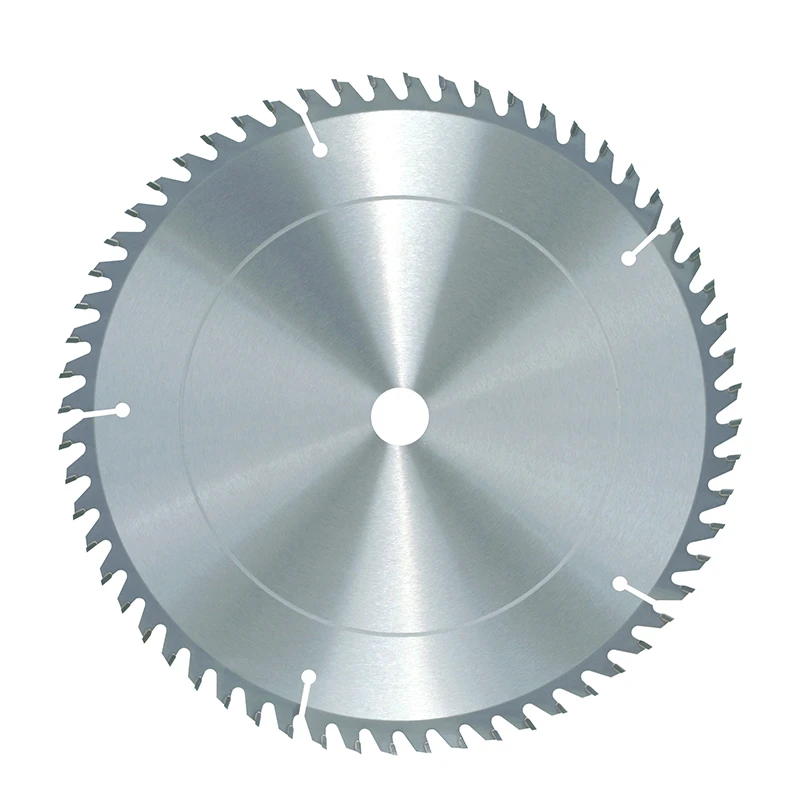
Put simply, a 250mm porcelain diamond blade is a circular cutting disc, 250 millimeters (roughly 10 inches) in diameter, embedded with tiny synthetic diamond particles along its edge. These diamonds act as microscopic saw teeth, able to slice through hard, brittle surfaces like porcelain tile without crumbling or overheating.
The blade is mounted on saws or cutters and spins at high speeds, delivering clean, straight cuts that traditional blades just can’t manage. Its design blends metallurgy — usually a steel core — with these diamond segments for longevity and precision.
More than just a tool, the porcelain diamond blade supports modern infrastructure projects, from housing developments to artistic ceramic installations, making it a quiet but essential contributor to both humanitarian and industrial progress.
Core Components and Key Factors That Make It Work
Durability and Segment Quality
The blade’s segment — that’s the diamond-embedded edge — determines its lifespan and cutting ability. Higher quality synthetic diamonds mean more cuts per blade, saving money over time. Many manufacturers infuse these segments with cobalt or other metals to improve bonding and reduce breakage.
Cutting Speed and Smoothness
Oddly enough, the right speed varies depending on the material hardness, water usage (some require wet cutting), and blade design. The 250mm blade balances this speed-to-precision tradeoff better than larger or smaller diameters, making it a preferred size on many job sites.
Compatibility With Tools
Because 250mm blades fit many standard handheld and bench saws, their versatility centers on ease-of-use in different applications—from small workshops to large-scale industrial sites. This scalability is part of their appeal.
Heat Dissipation and Cooling
Cutting porcelain generates a lot of heat. Many 250mm porcelain diamond blades are designed with vent slots or use water cooling to prevent overheating, preserving the diamond edge and ensuring smooth cuts without glazing the tile surface.
Cost Efficiency
Though these blades come at a premium compared to generic blades, the durability and precision reduce waste and job time, often offsetting initial costs.
Mini takeaway: The magic lies in the blade’s diamond segments, cooling methods, and compatibility which together make the 250mm porcelain diamond blade the go-to for porcelain cutting.
Global Applications & Real-World Use Cases
Porcelain tiles adorn homes, public spaces, hospitals, and even art installations worldwide. From European urban developments to new hospitality constructions in Asia, cutting porcelain precisely is a must. The 250mm porcelain diamond blade is used extensively in:
- Construction sites: For tile fitting in residential and commercial projects.
- Disaster reconstruction: NGOs rely on fast, safe rebuilding methods where porcelain elements add hygiene and aesthetic value.
- Manufacturing plants: Where tiles and porcelain components are cut to exact specifications.
- Artisan workshops: Creating intricate designs without damaging fragile tiles.
For example, in Japan, where earthquake-resistant building materials are essential, precision cutting with this blade ensures fits are perfect, contributing to structures that better withstand seismic forces.
Product Specification Table
| Specification | Details |
|---|---|
| Diameter | 250 mm (10 inches) |
| Segment Type | Turbo or continuous rim with diamond grit |
| Max RPM | 6,600 RPM (subject to manufacturer) |
| Cooling Method | Wet (water-cooled) or dry cutting options |
| Material Compatibility | Porcelain, ceramic, granite, marble |
| Product Life | Up to 500 cuts (varies by usage environment) |
Vendor Comparison: Finding the Right 250mm Porcelain Diamond Blade
| Brand | Cutting Performance | Price Range | Durability | Ideal Use Cases |
|---|---|---|---|---|
| DiamondPro X | Excellent, ultra-precise cuts | $$$ (Premium) | High-end industrial use | Heavy-duty construction, tile factories |
| TileMaster Pro | Solid performance with low chip | $$ | Commercial and artisan use | Contractors, ceramic workshops |
| CutRight Economy | Decent for light use | $ (Budget) | Limited; not for heavy-duty | DIY and home use |
Advantages & Long-Term Value of the 250mm Porcelain Diamond Blade
The benefits of using a 250mm porcelain diamond blade go beyond just the cut. For one, its precision reduces material waste — that’s a big deal in large projects. Plus, faster cuts mean less labor time, cutting costs as well.
Environmentally, reducing broken tiles helps sustainability efforts, and efficient wet cutting minimizes dust, improving workplace air quality. Emotions run high on especially tricky projects where chipped tiles could frustrate workers or violate client expectations — no one wants their bathroom remodel ruined by jagged edges.
In other words, this blade isn’t just a cutting tool; it’s a trust builder in craftsmanship.
Future Trends & Innovations in Diamond Blade Technology
Keep an eye out for blades incorporating nano-diamond coatings and innovative metallurgical bonding — these promise longer life and even cleaner cuts. Automation in cutting tools, combined with IoT sensors monitoring blade wear in real-time, is another emerging trend.
Plus, as green building standards tighten, low-dust and water-efficient cutting methods paired with advanced blades will become the norm.
Challenges & Solutions with Current Porcelain Diamond Blades
The biggest hurdle? Balancing speed with heat buildup — too fast, and the blade overheats, damaging tiles. Also, cheaper blades tend to chip more and wear out fast.
Many experts recommend wet cutting combined with incremental blade pressure to solve these. Some manufacturers now offer blades with cooling channels, reducing these headaches.
FAQs about 250mm Porcelain Diamond Blades
- Q1: What is the best cutting method for a 250mm porcelain diamond blade?
- A: Wet cutting is preferred for porcelain to reduce dust and heat, preserving both tile and blade lifespan.
- Q2: How long does a typical 250mm porcelain diamond blade last?
- A: Depending on use, quality, and cooling, blades can last anywhere from 200 to 500 cuts before replacement is necessary.
- Q3: Can I use the 250mm porcelain diamond blade for other materials?
- A: Yes, many blades can also cut ceramic, granite, and marble, but always check manufacturer guidelines to avoid damage.
- Q4: Is this blade compatible with all saw types?
- A: It fits most saws designed for 10-inch blades, but always verify arbor size and RPM limits.
- Q5: How does blade quality affect project cost?
- A: Investing in higher quality blades may seem costly upfront but reduces waste, labor, and downtime — saving money long-term.
Conclusion: Why the 250mm Porcelain Diamond Blade Is a Small Tool with a Big Impact
Ultimately, the 250mm porcelain diamond blade might seem like just another tool in the box, but it actually enables the kind of precision, speed, and durability that modern construction, art, and industrial work demands. For anyone serious about cutting porcelain without compromise, this blade is a trusted companion.
Long-term, the blade contributes to safer job sites, less waste, and higher quality results — hardly small feats.
Want to learn more or find the perfect blade for your project? Visit our website: https://www.mydiamondblade.com
References:
Related Products
Related Products






Address
No.30 Gaoying Road ,Chang'an District,Shijiazhuang,Hebei Province
Business Hours
Mon to Saturday : 8.00 am - 7.00 pm
Sunday & Holidays : Closed
.png )