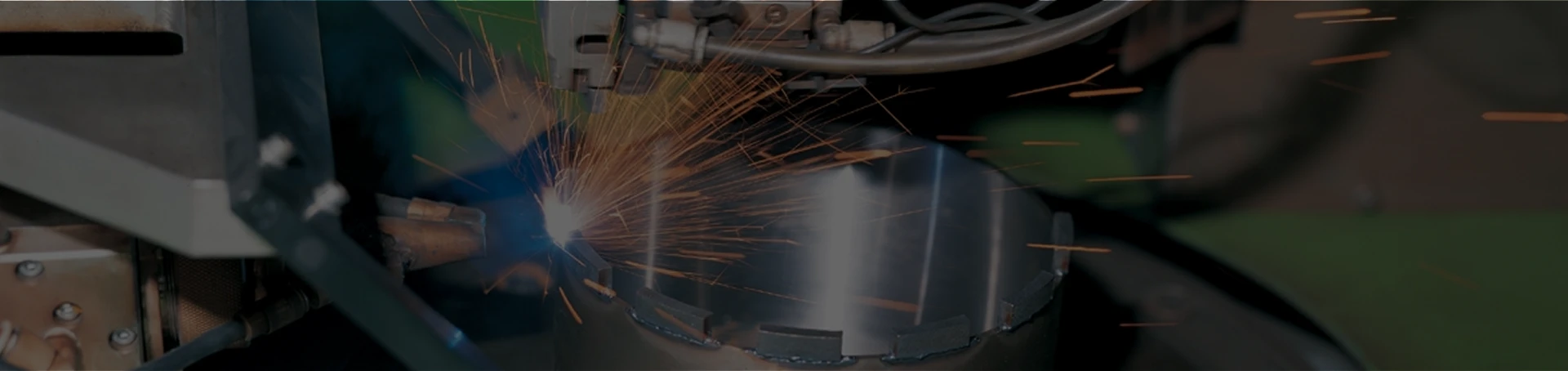
300mm Porcelain Diamond Blade: Precision Cutting Tool for Global Industries
Understanding the 300mm Porcelain Diamond Blade: A Global Perspective
When it comes to precision cutting tools, the 300mm porcelain diamond blade stands tall—quite literally—offering a unique blend of strength and finesse. But why does this tool matter beyond construction sites? Globally, industries ranging from manufacturing to infrastructure rely heavily on materials like porcelain for tiles, sanitaryware, and electrical components, and cutting these materials efficiently is pivotal. The diamond blade, specifically a 300mm variant, strikes the right balance between size and precision, allowing professionals worldwide to save time, reduce waste, and improve safety.
Understanding this blade’s benefits isn’t just technical jargon—it connects directly to economic savings, environmental impacts, and even humanitarian efforts where rapid and reliable building materials matter.
Global Context: Why the 300mm Porcelain Diamond Blade Is Relevant
The porcelain tile market alone is expected to exceed USD 94 billion by 2028, according to industry reports. In tandem, the demand for efficient and durable cutting tools grows. The International Organization for Standardization (ISO) and various safety boards emphasize tool longevity and worker safety, making diamond blades a focus for regulatory compliance worldwide. Oddly enough, despite regional manufacturing differences, the 300mm porcelain diamond blade remains a consistent favorite because it caters both to large-scale industrial needs and boutique-level craftsmanship.
Yet, there's a pressing challenge: cutting porcelain without chipping or premature blade wear has historically been difficult. That’s where these blades shine. Their design minimizes material wastage and reduces the need for costly reworks—a small detail with big global economic ramifications.
What Exactly Is a 300mm Porcelain Diamond Blade?
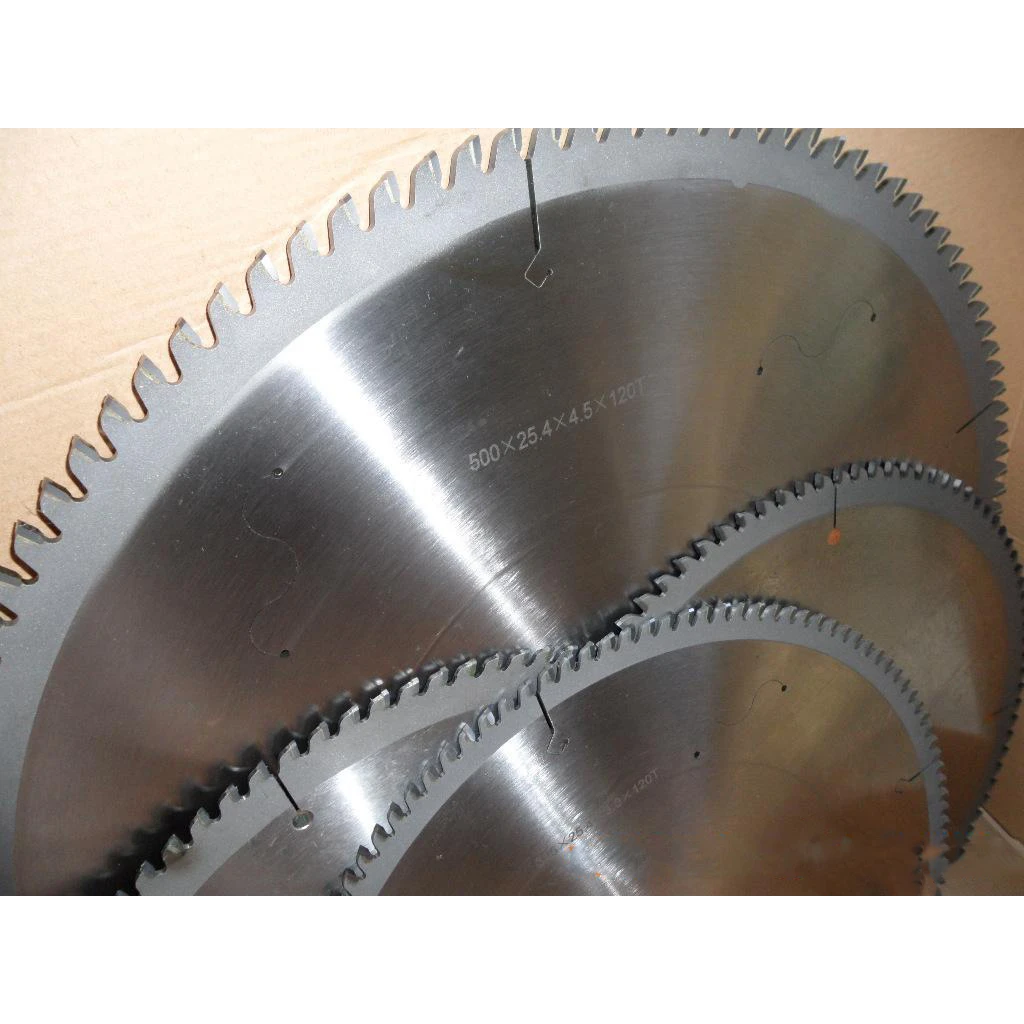
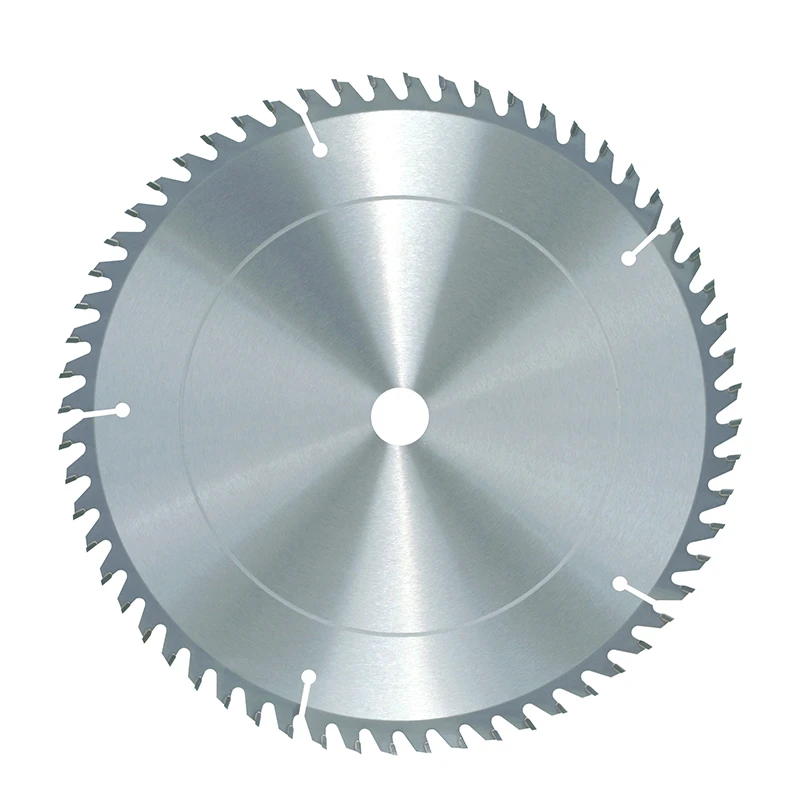
Simply put, it’s a circular saw blade, 300 millimeters in diameter, whose cutting edge is coated with synthetic diamond grit. This grit is fused to a metal core that’s specifically engineered to handle the toughness of porcelain tiles, which are notoriously brittle yet dense. These blades differ from general-purpose diamond blades by having a finer diamond grain and a bond tailored for cutting porcelain’s unique composition.
In modern industry, they're indispensable for ensuring clean cuts without fractures or spalling. And beyond factories, they’ve proven useful in humanitarian responses, for example, where building materials must be processed on-site quickly and reliably.
Key Factors Behind the 300mm Porcelain Diamond Blade’s Performance
Diamond Grit Quality and Size
The synthetic diamonds used here are super fine, typically 25-45 microns. This fine grit ensures precision cutting, reducing chipping. Many engineers say finer grit means smoother edges but slower cutting—so manufacturers balance durability and speed carefully.
Blade Segment Bond
The metal matrix bonding the diamonds affects how long the blade lasts and how aggressively it cuts porcelain. Harder bonds last longer for abrasive materials like porcelain but might cut more slowly.
Cooling Features
Porcelain blades often come with rim laser-welded segments and sometimes water channels to dissipate heat, which prevents blade warping and extends life when cutting dense materials.
Blade Core Design
The steel core thickness and its heat treatment help maintain blade stability so cuts stay straight and vibration is minimized—a real boon on site.
Compatibility and Versatility
The 300mm size fits many saw models, making it versatile. Oddly enough, this size is a sweet spot, offering enough diameter for deep cuts yet still manageable for handheld saws.
Environmental Considerations
More manufacturers now produce eco-friendlier blades through improved metals recycling and reduced waste during manufacturing, answering growing sustainability demands.
Mini takeaway:
Understanding these factors clarifies why the 300mm porcelain diamond blade is so widely specified: it's a precision-crafted tool balancing cutting efficiency, durability, and safety.
Product Specifications of a Typical 300mm Porcelain Diamond Blade
| Specification | Details |
|---|---|
| Diameter | 300 mm (12 inches) |
| Segment Height | 10 mm |
| Diamond Grit Size | 25-45 microns (fine) |
| Bond Hardness | Medium-Hard |
| Max RPM | 4300 RPM |
| Cooling Method | Laser-welded rim; water-cooled options available |
Global Applications of the 300mm Porcelain Diamond Blade
- Construction and Renovation: From Europe to Asia, porcelain tiles are a building staple. These blades ensure flawless cuts for floors, walls, countertops.
- Manufacturing Sanitary Ware: Industries producing sinks and toilets use these blades for precise shaping.
- Emergency and Disaster Relief: In rapid post-disaster construction, the blade’s reliability supports quick rebuilding using porcelain-based materials.
- Artisanal and Boutique Workshops: Craftspeople appreciate its ability to cut intricate shapes without cracking.
For example, NGOs involved in rebuilding schools in earthquake-hit zones often deploy portable cutting kits utilizing these blades for fast, clean tile installation. You can also find them indispensable in remote industrial zones in South America where local supply chains demand versatile and durable tools.
Mini takeaway:
These blades' wide-ranging uses—from ultra-precise artisan work to demanding field construction—highlight their global versatility.
Vendor Comparison: Leading 300mm Porcelain Diamond Blades
| Brand | Price per Blade | Avg. Cutting Life (sq. m.) | Special Features | Warranty |
|---|---|---|---|---|
| DiamondPro X300 | $45 | 250 | Laser-welded rim, water channel | 12 months |
| PorcelainCut Pro | $52 | 280 | Eco-friendly metal bond, smooth edge tech | 18 months |
| SafeCut Ultra | $48 | 230 | Vibration reduction core | 12 months |
Advantages and Long-Term Benefits
First, the financial logic is clear: longer-lasting blades mean fewer replacements, lower downtime, and reduced labor costs. Sustainability-wise, efficient cuts produce less waste, and increasingly, manufacturers use recyclable materials or methods reducing environmental impact.
On a more human level, precise cuts minimize workplace injuries from jagged tile edges and reduce frustration—a subtle but important benefit. Innovation brings trust: professionals know that using accredited blades compliant with ISO 60335 safety standards reassures clients their jobs will be safe and durable.
Future Trends & Innovations
The future looks promising. Emerging materials like nano-diamond coatings could boost blade life by 30% or more. Automation and smart saws integrating sensor technology could optimize cutting speed and blade usage in real time.
Sustainability is gaining precedence too: companies develop greener manufacturing and recycling programs for spent blades. With the shift towards digital construction and Building Information Modeling (BIM), we might soon see blades integrated into IoT (Internet of Things) ecosystems—tracking wear and usage for predictive maintenance.
Challenges & Solutions
Let’s be honest, no tool is perfect. Even the best 300mm porcelain diamond blades can dull unevenly or overheat if not used properly. Cutting porous or glazed porcelain can be tricky, sometimes causing chip-outs or excess dust.
Solutions often revolve around training operators on correct feed rates and maintenance. Water-cooled blades outperform dry ones where feasible. Also, continual R&D in segment bonding and grit distribution aims to mitigate these issues.
FAQ: Common Questions on 300mm Porcelain Diamond Blades
- Q: How often should I replace my 300mm porcelain diamond blade?
A: Replacement depends on usage and material hardness. Typically, blades last between 200-300 square meters of porcelain tile. Signs to replace include chipping, slow cutting speed, or blade vibration. - Q: Can I use a 300mm porcelain diamond blade with handheld saws?
A: Absolutely, many handheld saws accept this blade size, but always ensure the saw’s max RPM rating matches to avoid accidents. - Q: Is water-cooling necessary?
A: Water-cooling prolongs blade life and reduces dust and heat buildup, especially for longer or thicker cuts, but dry-cut variants exist for job sites without water access. - Q: Are these blades compatible with other materials?
A: They work best on porcelain and similarly hard, brittle materials. Using them on softer stones may wear the blade unnecessarily fast. - Q: Where can I buy trusted 300mm porcelain diamond blades?
A: Reputable sources include industrial tool suppliers and specialized sites like here, which offer tested and certified products.
Conclusion: Why Invest in a Quality 300mm Porcelain Diamond Blade?
In real terms, investing in the right diamond blade means better cuts, safer jobs, and less waste. It supports evolving global industry demands, embraces sustainable practices, and ultimately inspires confidence in every cut. Whether you're a craftsman slicing delicate tiles or an industrial operator working on infrastructure projects, these blades help you deliver precision every time.
For the full range of high-quality 300mm porcelain diamond blade options, tailored support, and up-to-date innovations, be sure to visit our website and stay ahead of the curve.
A little reflection: The humble 300mm porcelain diamond blade might seem a niche item, but in the hands of skilled professionals, it becomes a cornerstone of modern construction and manufacturing—proof that sometimes the most precise cuts drive the biggest impacts.
References
Related Products
Related Products





Address
No.30 Gaoying Road ,Chang'an District,Shijiazhuang,Hebei Province
Business Hours
Mon to Saturday : 8.00 am - 7.00 pm
Sunday & Holidays : Closed
.png )