
4 Inch Porcelain Blade – Precision Cutting Tools for Porcelain & Ceramic
Understanding the 4 Inch Porcelain Blade: Precision Cutting’s Unsung Hero
In the world of cutting tools, the 4 inch porcelain blade may sound niche, but its impact in industries ranging from construction to ceramics is surprisingly widespread. Why does it matter? Globally, precision and efficiency in cutting delicate yet tough materials like porcelain are critical — whether it's for architectural tile installation or intricate ceramic sculptures. A blade that can manage clean cuts without cracking the material saves time, reduces waste, and boosts quality. As urbanization and infrastructure development continue worldwide, the demand for such specialized tools grows steadily.
Mini takeaway: A 4 inch porcelain blade is a small but vital piece in modern manufacturing and construction, enabling precision and sustainability on a global scale.
Global Context: Porcelain Cutting in Industry and Beyond
According to the International Organization for Standardization (ISO), tile and ceramic production has seen an annual growth rate of about 3.5% globally over the last decade. Particularly in fast-developing regions like Southeast Asia and parts of Latin America, high-grade porcelain tiles are increasingly popular for residential and commercial projects. This surge also boosts the demand for reliable cutting tools like our 4 inch porcelain blade.
However, a real challenge persists: porcelain’s brittleness makes it prone to cracks when cut unevenly. Many construction delays or extra costs stem from discarded cracked tiles. Here, the right blade doesn’t just mean better craftsmanship — it translates into cost efficiency and less waste, which, frankly, is a big deal as sustainability becomes a shared goal worldwide.
What Exactly Is a 4 Inch Porcelain Blade?
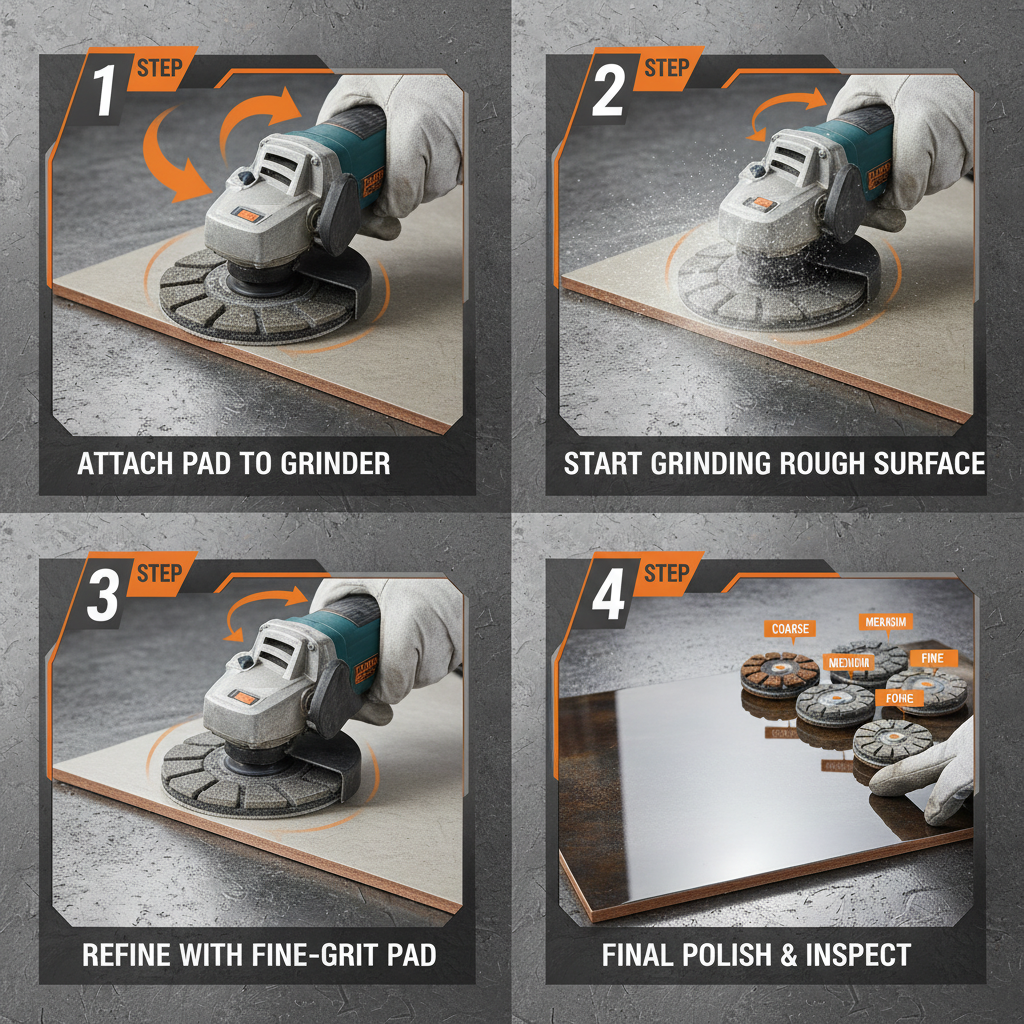
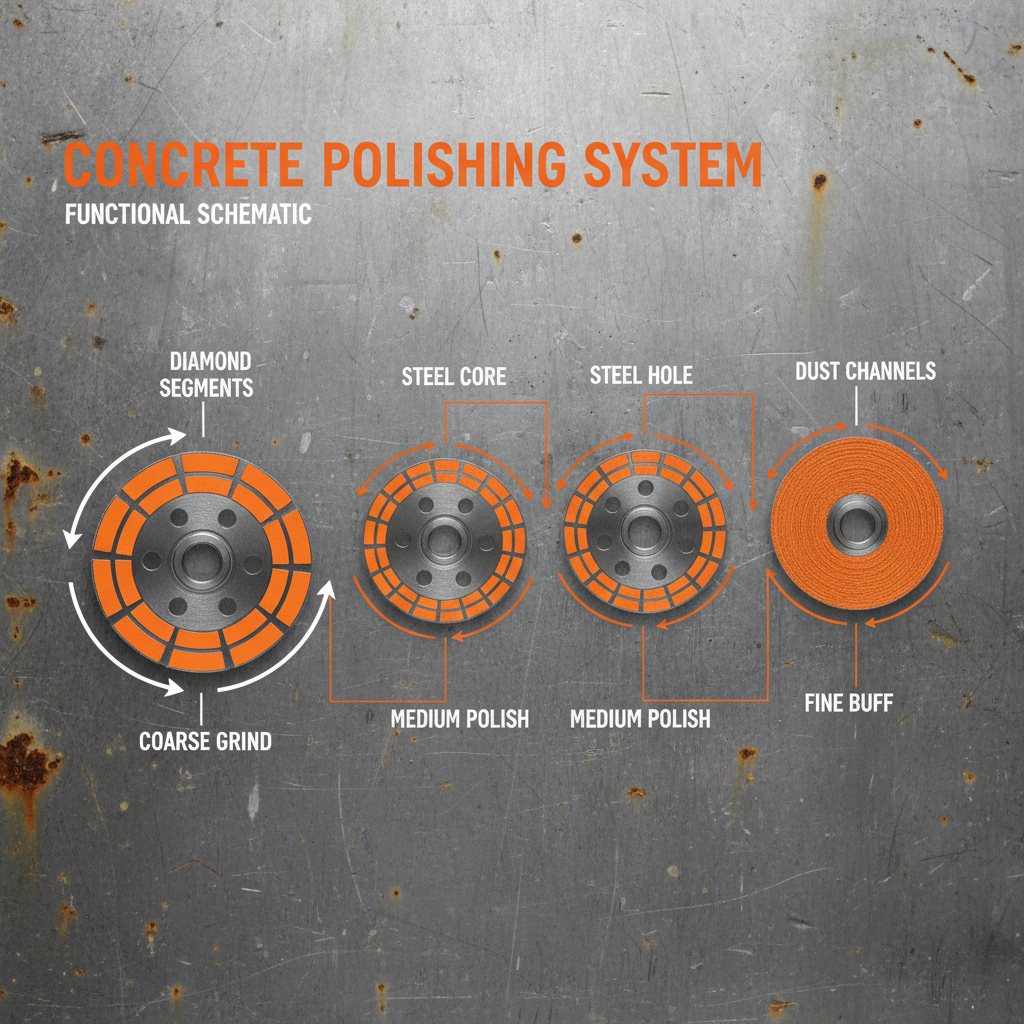
Simply put, a 4 inch porcelain blade is a specialized circular saw blade with a 4 inch diameter, designed specifically for cutting through porcelain tiles and similar ceramics. Its makeup often includes diamond segments or industrial-grade abrasives bonded to a steel core, engineered to handle porcelain’s hardness without shattering.
Beyond construction, it finds use in artistic ceramics, lab settings, even some manufacturing niches where precision cutting of thin, hard materials is required. With skills and the right equipment, you get a clean, crisp edge every time — which is vital both for appearance and the tile’s longevity.
Core Aspects that Define the 4 Inch Porcelain Blade
Durability
Porcelain blades usually feature diamond-embedded edges, which resist wear remarkably well. This means less frequent blade changes and steady performance on tough materials.
Cut Quality
Blade design and grit size directly influence the cut’s smoothness and edge strength, reducing chip-outs or cracks. For porcelain, a fine diamond grit is essential.
Compatibility
Many 4 inch blades fit handheld tile cutters, angle grinders, or specialty saws — offering flexibility on job sites or workshops.
Cooling and Dust Control
Some blades come with features to minimize dust and heat build-up, crucial to protect both material and user.
Cost Efficiency
While premium blades cost more upfront, their longevity and clean cuts often save substantial resources in the long run.
Mini takeaway: Choosing the right porcelain blade boils down to balancing durability, precision, and cost — all reflective of your specific needs and job demands.
Global Applications and Real-World Use Cases
In Latin America’s booming housing markets, quick, reliable porcelain cutting means projects finish faster without compromising quality. In Europe, where design aesthetics deeply matter, architects and artisans rely heavily on specialized blades to produce flawless tile finishes.
NGOs involved in infrastructure redevelopment after natural disasters often need fast, precise solutions when rebuilding homes and facilities—porcelain tiles included. The right blades physically support those efforts by reducing waste and speeding workflow.
Advantages & Long-Term Value of Using a 4 Inch Porcelain Blade
- Cost savings: Less material waste and blade replacements.
- Sustainability: Reduces environmental impact by minimizing discarded tiles.
- Reliability: Clean cuts improve installation quality and lifetime durability.
- Safety: Reduces accidents caused by unexpected tile breakage.
- Innovation: Emerging materials add life to the blades and versatility.
Emotionally, there’s a satisfying confidence in using tools that "just work", building trust among craftsmen and project managers alike.
Future Trends & Innovations in Porcelain Blades
Advances in synthetic diamond technology, ultrathin blade profiles for minimal kerf, and eco-friendly manufacturing processes are reshaping this field. Digital monitoring tools integrated with saws can soon provide live feedback on blade condition, improving safety and maintenance.
The push for greener construction materials aligns with more sustainable blade options, including recycled steel cores and reduced toxic elements in bonding compounds.
Challenges & Practical Solutions
Even the best blades face issues: overheating, premature wear, or compatibility problems with diverse saw tools. Proper training in blade handling, along with gradual torque control on power tools, helps mitigate damage.
Vendors are responding with specialized blade coatings and hybrid fibers embedded in diamonds to extend life and adaptability.
Frequently Asked Questions About 4 Inch Porcelain Blades
- What is the best blade type for cutting thin porcelain tiles?
- Generally, a fine diamond-grit 4 inch porcelain blade is best because it reduces chipping and allows precise cuts on thin tiles.
- Can I use a 4 inch porcelain blade on an angle grinder?
- Yes, many 4 inch blades are designed for use with angle grinders. Just ensure compatibility with your grinder’s arbor size and RPM rating.
- How often should I change my porcelain cutting blade?
- Blade life depends on the usage intensity and material hardness, but monitor for signs like slow cutting or rough edges and replace accordingly, usually after several hundred cuts.
- Are diamond blades safe for indoor cutting?
- Yes, but always use adequate dust control, ventilation, and personal protective equipment because cutting porcelain generates fine dust.
Product Specification Table
| Specification | Details |
|---|---|
| Diameter | 4 inches (100 mm) |
| Material | Diamond grit on steel core |
| Grit Size | Fine (30-50 micron) |
| Max Speed (RPM) | 13,300 |
| Application | Porcelain and ceramic tile cutting |
Vendor Comparison Table
| Vendor | Price per Blade | Durability (cuts) | Special Features |
|---|---|---|---|
| CeramicCut Inc. | $35 | ~300 cuts | Heat-resistant coating |
| DiamondEdge Tools | $40 | ~350 cuts | Dust control slots |
| Precision Blades Ltd. | $32 | ~280 cuts | Economy model |
Final Notes and Reflection
Oddly enough, the more you delve into specialized tools like the 4 inch porcelain blade, the clearer it becomes that these “small” items carry outsized weight in manufacturing ecosystems. They may not grab headlines, but their precision and efficiency ripple upward, shaping finished projects, budgets, and sustainability efforts. For professionals and hobbyists alike, understanding these blades is a pragmatic step toward better results and smarter investments.
- ISO Tile and Ceramic Standards, iso.org
- World Bank Infrastructure Data, worldbank.org
- Diamond Blade Technology Insights, Wikipedia
Related Products
Related Products






Address
No.30 Gaoying Road ,Chang'an District,Shijiazhuang,Hebei Province
Business Hours
Mon to Saturday : 8.00 am - 7.00 pm
Sunday & Holidays : Closed
.png )