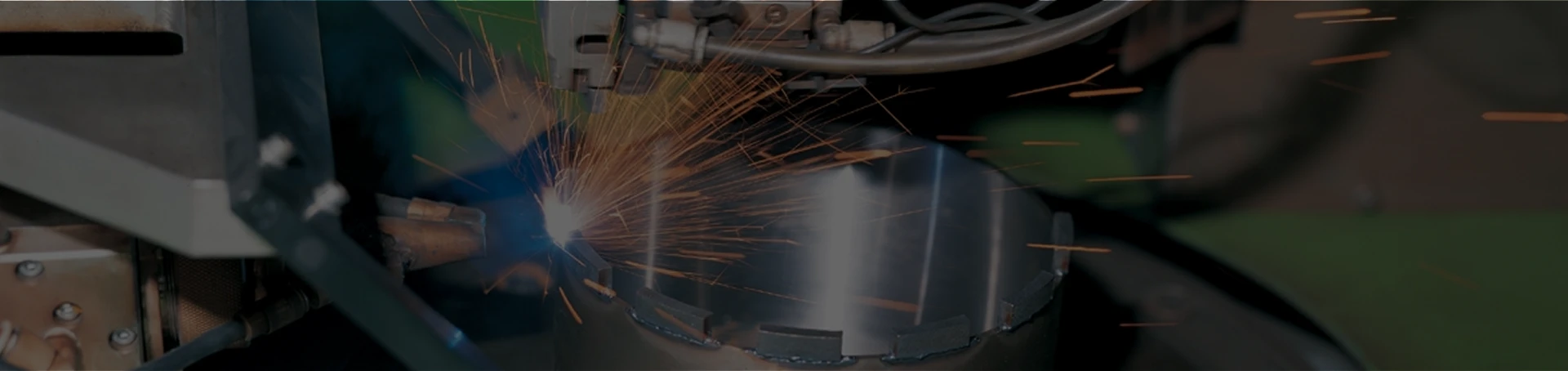
Asphalt Diamond Blade – Fast, Clean Cuts, Long Life
Asphalt Diamond Blade: what pros really look for on the cut line
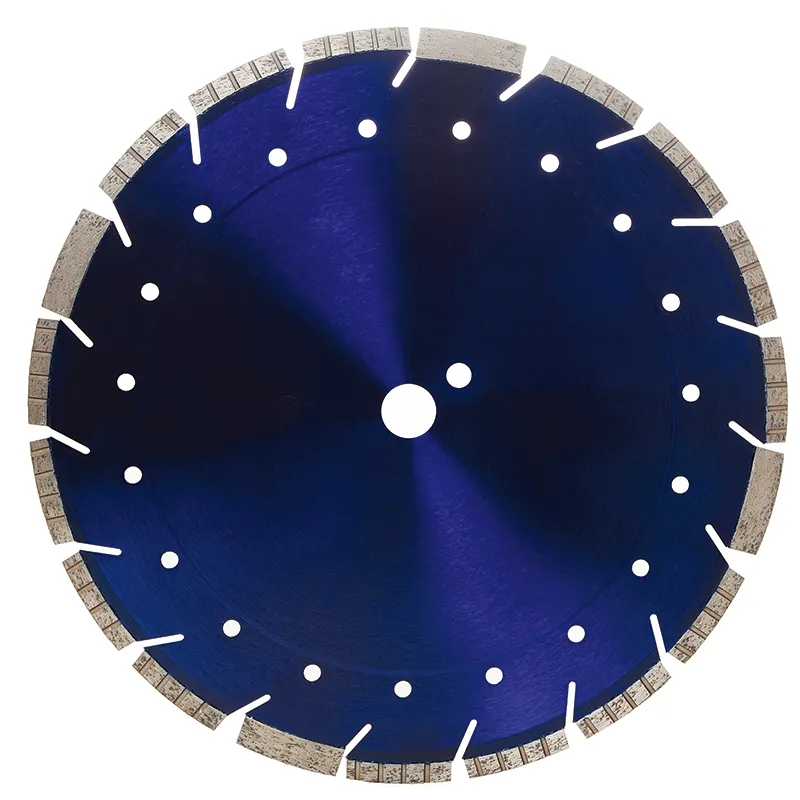
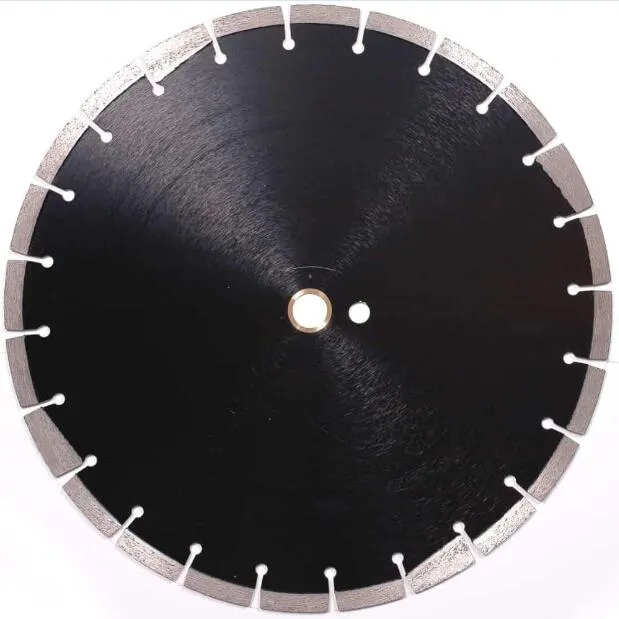
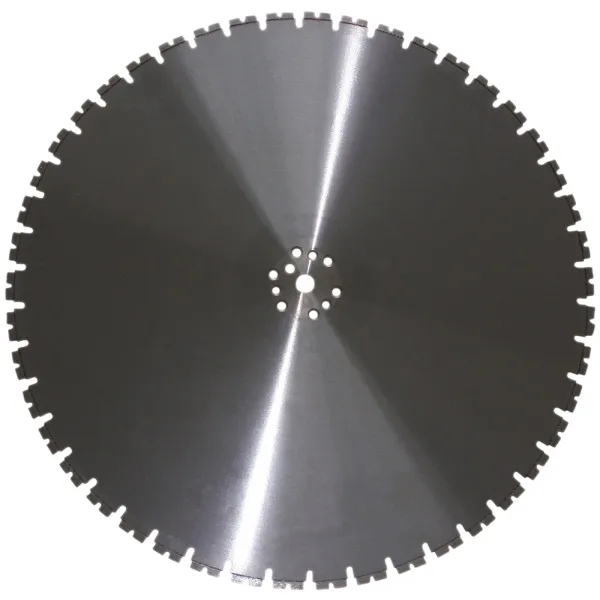
If you spend your mornings behind a road saw, you already know the difference between a blade that sings and a blade that screams. The Asphalt Diamond Blade I’m talking about here—formally, the “Diamond Blade For Cutting Concrete And Asphalt Road”—comes out of No.30 Gaoying Road, Chang'an District, Shijiazhuang, Hebei. In plain terms: it’s built for fast, stable trenching and joint cuts with a long, predictable service life. The segments are stout and, to be honest, surprisingly forgiving when operators push pace.
Industry pulse: speed, safety, and silica rules
Contractors tell me two things drive blade choice right now: cutting speed vs. crew cost, and compliance with dust controls. Wet-cut setups remain the norm on asphalt for slurry management and blade cooling; low-noise slotted cores are trending on night work. Laser-welded segments have become the baseline, and anti-undercut protection isn’t optional on hot mixes—especially where sand content chews steel.
Key specifications (field-proven, not lab fantasy)
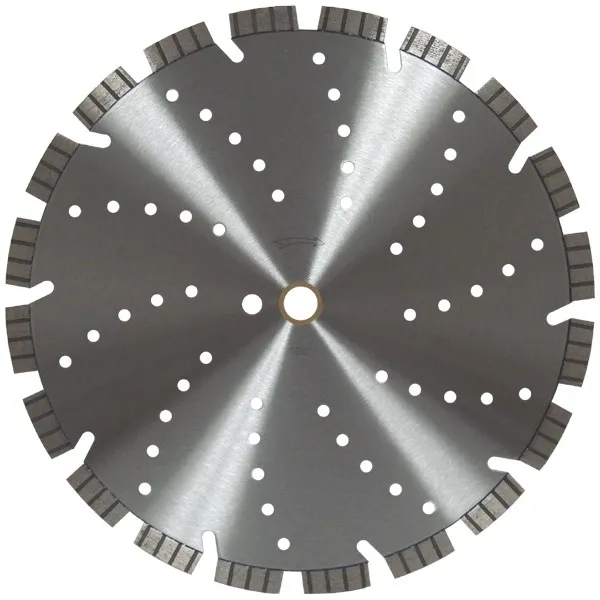
| Blade diameters | 300–1200 mm (12–48 in) typical |
| Arbor/Bore | 25.4 mm (1 in), others on request |
| Segment height | 10–12 mm ≈ (real-world may vary by mix) |
| Bond system | Soft bond for abrasive asphalt; diamond grit 30/40–40/50 |
| Core | Tensioned 65Mn steel, expansion slots, optional noise damping |
| Welding | Laser-welded segments with undercut protection |
| Max RPM (14 in) | ≈ 5,400 RPM (check saw manual) |
| Best use | Wet cutting; walk-behind road saws 20–65 hp |
How it’s built (materials, methods, tests)
Materials: premium synthetic diamond, soft metal matrix (iron/bronze/cobalt blends) tuned for asphalt abrasion. Methods: hot-press sintering for segment density, then laser welding onto a tensioned core; gullets shaped for debris evacuation. Testing includes segment pull strength and drop tests in line with EN 13236 guidance, runout and balance checks (ISO 1940 concepts), plus wet-cut endurance cycles. Typical service life for a 14 in Asphalt Diamond Blade: around 800–1,500 m on medium-hot asphalt, 25–50% less on highly abrasive, fresh mixes.
Where it shines (and why)
Application scenarios: utility trenching, patch cutting, joint widening, and airport/apron maintenance. Advantages cited by crews: fast start, straight tracking, cooler cut under steady feed, and segments that don’t chip when you hit the occasional stray aggregate. Many customers say it stays sharp through long, wet, early-morning runs—when productivity matters most.
Vendor comparison (at a glance)
| Vendor | Customization | Certs/Compliance | Lead time | Typical price |
|---|---|---|---|---|
| MyDiamondBlade (Hebei) | Bond tuning by mix; bores, silencers | Built to EN 13236/ANSI B7.1 guidelines | 10–20 days ≈ | Value-focused |
| Major US brand | Catalog + engineered SKUs | EN/ANSI; some MPA-listed lines | Stock to 2 weeks | Premium |
| Budget import | Limited | Varies; check docs | Varies | Lowest |
Customization options
- Soft/softer bonds for hot, sandy asphalt; medium-soft for cooler dense-graded mixes
- Segment height and kerf width tuned to saw horsepower and slurry plan
- Noise-damped cores for night work; alternative gullets for high-debris cuts
- Arbor sizes and drive pin configurations for your fleet
Case notes (real crews, real roads)
City trenching, 14 in Asphalt Diamond Blade, wet, 30 hp saw: 1,250 m on a medium-hot mix before swap—operators liked the steady feed rate. Airport apron patching, 20 in blade on dense-graded asphalt: about 420 m, then a quick bond change improved bite by ~15%. Feedback was consistent: “tracks straight, runs cool.”
Safety, standards, and good habits
Match blade size/RPM to the saw and follow guard and wet-cut protocols. Look for blades conforming to EN 13236 and ANSI B7.1 safety principles; use silica controls per OSHA. Honestly, the fastest cut is the one you don’t have to redo—so let water flow, don’t force feed, and re-tension cores as needed.
Citations
- EN 13236: Safety requirements for superabrasive products (summary guidance, oSa/MPA publications)
- ANSI B7.1: Safety Requirements for the Use, Care and Protection of Abrasive Wheels
- OSHA Respirable Crystalline Silica Standard for Construction, 29 CFR 1926.1153
- FHWA: Concrete Pavement Cutting and Jointing Best Practices (general cutting guidance)
Related Products
Related Products





Address
No.30 Gaoying Road ,Chang'an District,Shijiazhuang,Hebei Province
Business Hours
Mon to Saturday : 8.00 am - 7.00 pm
Sunday & Holidays : Closed
.png )