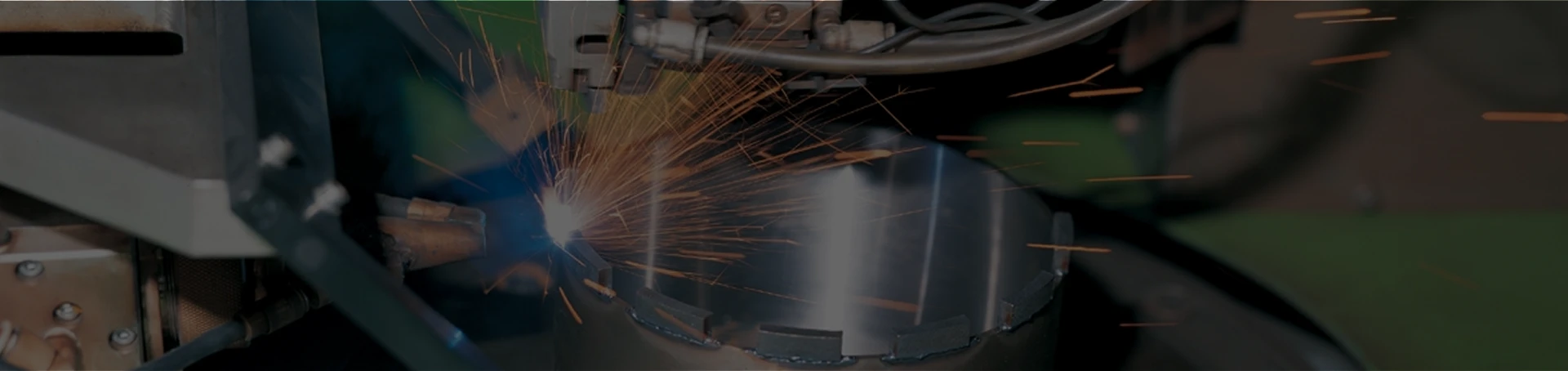
Best Cutting Disc for Porcelain Slabs – Precision & Durability for Industry Pros
Cutting Discs for Porcelain Slabs: Why They Matter and What You Should Know
Porcelain slabs have become a darling of modern architecture and interior design, thanks to their sleek appearance and durable properties. But cutting these slabs is a task that demands precision, safety, and the right tools — enter the cutting disc for porcelain slabs. Understanding this tool is crucial not only for manufacturers and installers but also for anyone involved in sustainable construction and material efficiency worldwide. Given the rising demand for porcelain in commercial and residential projects, knowing about the cutting discs used is surprisingly more pivotal than one might think.
By grasping the ins and outs of cutting discs tailored for porcelain, professionals ensure quality finishes, reduce material waste, and enhance jobsite safety. And frankly, the difference between a subpar blade and an optimized one can save hours and even thousands of dollars in costly mistakes.
Setting the Stage: The Global Relevance of Cutting Discs for Porcelain Slabs
Porcelain slabs have surged in popularity globally due to their stain resistance, low maintenance, and aesthetic versatility. According to ISO standards, porcelain manufacturing volumes have increased by nearly 15% annually over the past decade, largely driven by markets in Europe, Asia, and North America.
Yet, paradoxically, cutting porcelain slabs remains a challenge for many artisans and contractors. The hardness and brittleness of porcelain mean standard cutting tools can cause chipping, cracking, or even dangerous accidents. This issue is especially acute in fast-growing urban areas in countries like Spain, Italy, China, and the US, where demand outpaces skilled labor and high-quality equipment.
Moreover, improper cutting wastes valuable material — an environmental concern as governments push for sustainability in construction. Thus, the cutting disc for porcelain slabs directly addresses these global industrial and ecological challenges by offering precision, safety, and efficiency.
What Exactly Is a Cutting Disc for Porcelain Slabs?
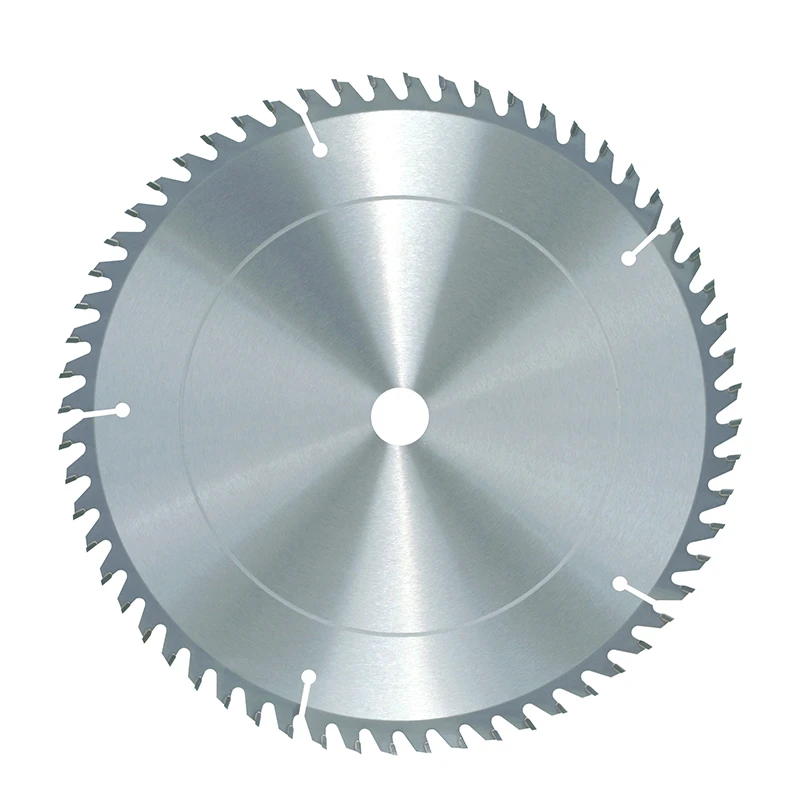
In the simplest terms, a cutting disc for porcelain slabs is a specialized rotary blade designed specifically to slice through tough porcelain surfaces cleanly and efficiently. Unlike general-purpose diamond blades, these discs feature unique bonding agents, diamond grit sizes, and rim designs that minimize heat, reduce chipping, and extend tool life.
The connection to modern industry is direct: porcelain slabs are used everywhere from kitchen countertops and bathroom walls to commercial facades. The right cutting disc ensures the slabs can be customized on-site with minimal loss, facilitating modular construction and rapid installation — concepts increasingly vital in humanitarian aid housing projects and urban renewal schemes alike.
Core Components and Factors of Cutting Discs for Porcelain Slabs
1. Durability
The blade’s lifespan is critical. A durable cutting disc resists wear even after slicing multiple slabs, cutting project downtime and tool replacement costs.
2. Grit Quality and Size
Diamond grit is the star player here. Finer grits (around 30–50 microns) provide smoother finishes but cut slower, while coarser grits tackle thicker slabs faster but risk micro-chipping.
3. Rim Design
Continuous rims reduce vibration and chip formation, whereas segmented rims offer better cooling but can cause rough edges. Manufacturers often balance these with hybrid rims optimized for porcelain’s hardness.
4. Heat Dissipation
Cutting porcelain generates intense heat, which can crack slabs or dull blades prematurely. Efficient heat dissipation via blade design or coolant application is essential.
5. Compatibility
Different saws demand varying disc sizes and arbor fittings. Compatibility ensures effective, safe operations across job sites.
6. Cost Efficiency
While premium discs come at higher upfront investment, the cost per cut often proves more economical when factoring in speed, precision, and longevity.
Mini takeaway: Choosing the right cutting disc is a mix of understanding material science, tool engineering, and application-specific demands. The devil’s in the details, as always.
Global Applications and Use Cases of Porcelain Cutting Discs
Across Europe and Asia, porcelain slabs are favored in commercial interiors, and high-end residential architecture. In Italy’s historic centers, artisans rely on these discs to retrofit and preserve spaces without damaging delicate tiles.
In fast-growing cities like Shanghai or Dubai, the industrial demand requires quick, clean cuts for massive façade installations, where every hour saved counts. Post-disaster reconstruction efforts in Japan and New Zealand also benefit, as porcelain is often used for its durability, hygienic qualities, and ecological footprints.
Even nonprofits working in refugee camps utilize these tools to customize lightweight porcelain elements for modular, resilient housing designs — an example of how advanced industrial tools connect to humanitarian goals.
Advantages and Long-Term Value of Using Specialized Cutting Discs
- Material Preservation: Reduced waste by minimizing chip-offs saves costs and conserves natural resources.
- Enhanced Safety: Proper tooling reduces operator fatigue and risks, contributing to safer construction sites.
- Improved Finish Quality: Precise cuts mean less finishing work and faster project turnover.
- Environmental Impact: Efficient discs reduce energy consumption and encourage reuse of materials.
- Trust and Innovation: Using specialized tools signals professionalism and commitment to quality.
Product Specification Table
| Specification | Details |
|---|---|
| Diameter | 125 mm / 230 mm (common sizes) |
| Grit size | 30 to 50 microns |
| Rim type | Continuous / Segmented / Hybrid |
| Max RPM | 12,200 (varies by size) |
| Material | Diamond-coated steel core |
| Cooling | Wet and dry compatible |
Popular Vendors Compared
| Vendor | Price Range (USD) | Durability (cuts per disc) | Special Features |
|---|---|---|---|
| DiamondPlus | $45–$80 | 100+ cuts | Hybrid rim + heat-resistant bonding |
| PorcelCut Pro | $50–$90 | 120+ cuts | Synthetic diamond grit, wet cutting optimized |
| UltraBlade | $40–$70 | 90+ cuts | Segmented edges, quick-cooling design |
Looking Ahead: Innovations and Trends in Cutting Discs for Porcelain
Innovation continues to push these discs into new territory. For instance, manufacturers are exploring eco-friendly resin bonding to reduce toxic emissions during production and disposal. Digital sensors embedded in blades to monitor wear and temperature are slowly becoming reality, promising smarter tool maintenance and fewer accidents.
Automation and robotic cutting systems paired with these optimized discs allow for precision cuts without human fatigue or error. Plus, the trend toward dry cutting to cut water usage aligns with green building efforts globally.
Material science also improves grit morphology; nanodiamond particles offer longer lasting sharpness. Oddly enough, sometimes something as tiny as grit shape can change an installer’s entire workflow.
Common Challenges and How Experts Tackle Them
Common problems include disc overheating, rapid wear on very hard porcelain variants, and inconsistent cut quality due to operator skill differences. Some blades chip easily when cutting thinner slabs, frustrating installers and wasting slabs.
Experts recommend:
- Regular blade inspection and rotation
- Wet cutting when possible to control heat
- Starting cuts slowly to stabilize
- Training operators on blade compatibility and speeds
Advanced labs even develop custom bonding formulas and rim designs tailored to regional porcelain hardness — showing just how bespoke this tool can get.
FAQs About Cutting Discs for Porcelain Slabs
- Q1: Can I use a general-purpose diamond blade to cut porcelain slabs?
- A: While general diamond blades cut many materials, porcelain’s brittleness often causes chipping or cracking with these tools. Specialized cutting discs reduce this risk by balancing grit size, rim design, and heat dissipation to suit porcelain's unique properties.
- Q2: How often should I replace my cutting disc when working with porcelain?
- A: Disc lifespan depends on usage intensity and slab thickness, but typically discs last about 90-120 cuts. Inspect your blade regularly for wear or uneven cuts—replacing it promptly avoids poor finishes and safety issues.
- Q3: Is wet cutting always necessary for porcelain?
- A: Wet cutting is highly recommended as it reduces heat buildup and dust, protecting both your blade and health. However, some advanced discs are designed for dry cutting, useful in sites without water access.
- Q4: What saw types are compatible with porcelain cutting discs?
- A: Most circular saws and tile cutters accept these discs, as long as the blade diameter and arbor size match. Always check manufacturer specs before fitting a disc to avoid accidents.
- Q5: Can cutting discs for porcelain be used on other materials?
- A: While technically possible, these discs are optimized for porcelain. Using them on harder materials like granite may dull the blade quickly, while very soft materials might not require such specialized tooling.
Wrapping It Up: The Last Slice
In the long run, investing in the right cutting disc for porcelain slabs isn’t just about convenience — it’s about precision, sustainability, and trust in your materials and tools. Whether you’re an artisan shaping delicate interiors or a contractor managing large-scale builds, the right disc makes all the difference.
Looking for top-quality cutting discs? Visit our website: cutting disc for porcelain slabs to explore premium products tailored for your needs.
References
- ISO - International Organization for Standardization
- Wikipedia - Porcelain
- World Bank - Urban Development
Related Products
Related Products





Address
No.30 Gaoying Road ,Chang'an District,Shijiazhuang,Hebei Province
Business Hours
Mon to Saturday : 8.00 am - 7.00 pm
Sunday & Holidays : Closed
.png )