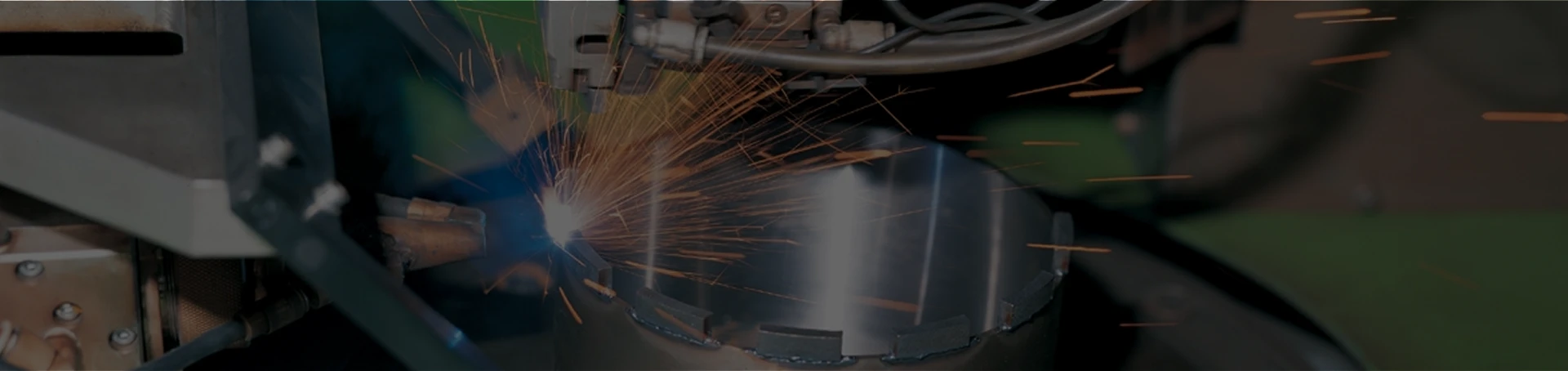
Best Disc for Cutting Porcelain Tiles – Precision, Durability & Cost Efficiency
Understanding the Role of a Disc for Cutting Porcelain Tiles
Porcelain tiles have become a staple choice for everything from upscale flooring to intricate wall designs worldwide. But behind their smooth, polished look lies the less glamorous hero—a disc for cutting porcelain tiles. It’s this specialized tool that lets masons and fabricators shape the tile without cracking or chipping the delicate surface.
Why does it matter? Globally, with urbanization booming and construction growing (the UN estimates urban population to hit 68% by 2050), efficient tools for quality tile installation are crucial. A proper cutting disc saves time, reduces waste, and ultimately ensures buildings are safer and more beautiful.
The Global Context: Why Cutting Porcelain Tiles Has Become More Important
Porcelain tiles are incredibly dense—much denser than ceramic. This density means that normal blades snap or overheat quickly, making the right cutting disc essential for professional results. Worldwide, the growth of infrastructure—in regions from the booming Middle East to metropolitan Asia and Europe—has driven demand for specialized cutting equipment.
Statistics from the International Organization for Standardization (ISO) identify precision in cutting as a key factor in reducing material waste on construction sites by up to 25%. This not only saves money but reduces environmental impact. Yet many challenges remain: inconsistent quality of tools, lack of widespread training on proper blade usage, and the high cost of premium discs.
What Exactly Is a Disc for Cutting Porcelain Tiles?
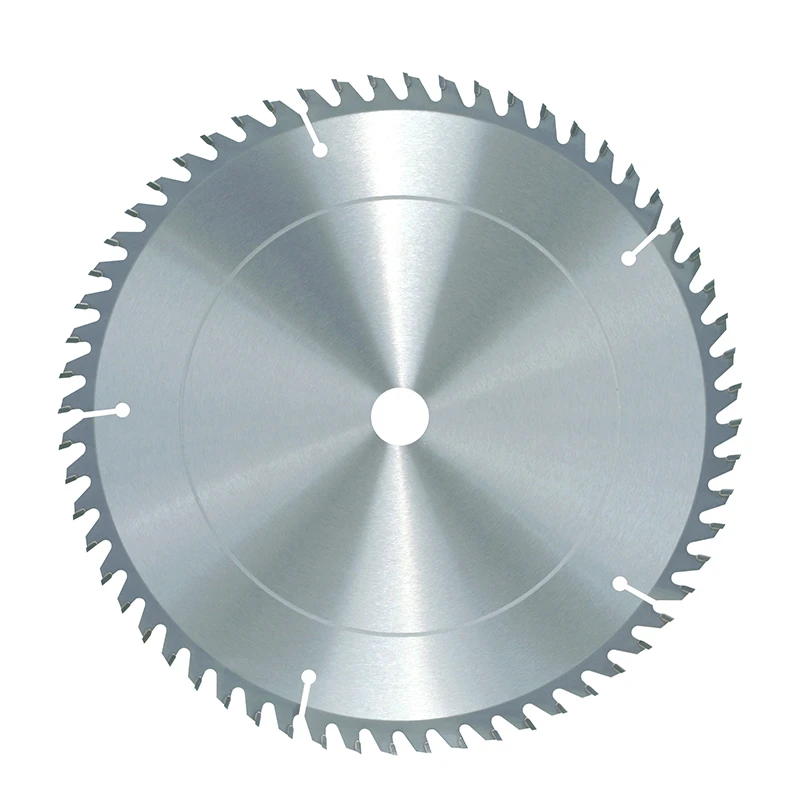
Simply put, it’s a rotary cutting blade designed specifically for porcelain's hardness and brittleness. Usually featuring diamond segments bonded to a steel core, these discs slice cleanly without excessive vibration or heat.
This tool intersects both traditional craftsmanship and modern precision engineering. For humanitarian projects rebuilding after disasters or upgrading urban spaces, it ensures professionals can achieve exact fits, maintain tile integrity, and keep installations durable over decades.
Key Features of a Quality Cutting Disc
1. Durability
A porcelain tile cutting disc must resist wear from tough materials while maintaining sharpness. The diamond segments embedded on the disc’s rim endure thousands of cuts.
2. Smooth Cutting & Minimal Chipping
Porcelain is brittle; a less suitable blade causes chips or cracks. A well-designed disc balances grit and bond hardness to slice cleanly.
3. Heat Dissipation
Cutting generates heat that can damage both the tile and the blade. Many discs feature segmented designs or cooling holes, helping to keep temps low during prolonged use.
4. Compatibility
Different cutters—from handheld angle grinders to tile saws—require specific disc sizes and arbor fits. Versatility adds to usefulness on the job site.
5. Cost Efficiency
While premium discs cost more upfront, their lifespan and performance often lead to cost savings and higher productivity.
Mini Takeaway:
Choosing the right disc for cutting porcelain tiles isn’t trivial—it’s a balance of durability, cutting quality, and cost. Intelligent investment here pays off big later.
How Are These Discs Used Around the World?
From sprawling urban developments in Dubai to renovation projects in Europe, and even in remote Pacific islands rebuilding after cyclones, these discs serve as critical tools. For example, NGOs working on post-disaster housing rely on precise tile installation to ensure dwellings are weatherproof and resilient.
The manufacturing sectors, particularly stone and tile fabricators in Italy and China, employ large volumes of high-performance cutting discs to meet global quality standards. Meanwhile, DIY enthusiasts in North America and Australia increasingly invest in professional-grade discs to ensure seamless home renovations.
Specification Table: Typical Dimensions and Features of Porcelain Tile Cutting Discs
| Feature | Typical Value | Notes |
|---|---|---|
| Diameter | 115 mm / 4.5" to 230 mm / 9" | Varies by tool and cutting depth |
| Arbor Size | 22.2 mm (common) | Fits most angle grinders |
| Segment Type | Continuous rim or segmented | Continuous rim better for smooth cuts |
| Material | Steel core with diamond grit | Industry standard |
| Max RPM | ≤ 13,300 RPM | Safety rating varies |
Comparing Top Vendors of Porcelain Tile Cutting Discs
| Vendor | Price Range (per disc) | Durability (cuts per disc) | Best Feature |
|---|---|---|---|
| DiamondPro Tools | $25 - $40 | Approx. 300 cuts | Exceptional smooth edge finish |
| TileMaster | $15 - $30 | Approx. 250 cuts | Affordable and widely compatible |
| PrecisionCut | $35 - $50 | Approx. 400 cuts | Long-lasting with minimal noise |
What Are the Advantages and Long-Term Values of Investing in Quality Cutting Discs?
- Cost Savings: Better discs reduce tile breakage and changeouts.
- Time Efficiency: Faster cuts mean jobs finish quicker.
- Improved Safety: Less vibration and heat lower risk to the operator.
- Eco-conscious: Minimizing tile waste contributes to sustainability goals.
- Professional finish: Clean cuts enhance design aesthetics and consumer satisfaction.
Emerging Trends and Innovations
Interestingly, the trend is moving toward eco-friendly bonding materials using recycled components. Automation also plays a role, with CNC tile cutters incorporating diamond discs programmed for intricate cuts. There’s also a push toward smart discs with RFID chips that track wear and recommend replacements, which feels very 21st century.
Of course, digital transformation doesn’t stop there. Online stores like ours provide expanded product data and tutorials to help even hobbyists pick the right disc for cutting porcelain tiles—no guesswork.
Challenges You May Face—and How to Work Around Them
Common issues include premature blade wear, overheating, and compatibility mismatches. Experts recommend using water-cooled saws for thicker tiles, selecting a disc size matched perfectly to your tool, and ensuring consistent operating speed to avoid stress.
Plus, investing time in learning cutting techniques can dramatically extend disc life and improve your results.
FAQ: Quick Answers About Discs for Cutting Porcelain Tiles
- Q: Can I use a regular ceramic tile blade for porcelain?
- A: Porcelain is denser than ceramic, so standard ceramic blades usually chip or dull quickly. It’s better to use a blade specifically designed for porcelain tiles to ensure clean cuts and longer blade life.
- Q: How do I know what disc size fits my tile saw or grinder?
- Check your power tool’s specifications for max disc diameter and arbor size. Common discs for porcelain range from 115mm (4.5") to 230mm (9") diameters. Mismatched sizes can cause safety hazards or poor cutting performance.
- Q: Are continuous rim blades better for porcelain tiles than segmented ones?
- Continuous rim discs typically provide smoother cuts and less chipping, especially on porcelain. Segmented blades are faster on rough cuts but may cause chipping around edges.
- Q: How long does a good quality porcelain tile cutting disc last?
- On average, high-quality discs can manage 300–400 cuts before losing efficiency, depending on tile thickness and cutting technique.
- Q: Where can I buy reliable discs and accessories?
- Reputable suppliers like MyDiamondBlade offer wide selections, detailed specs, and customer support tailored to your needs.
Conclusion: When Precision Matters, Choose Wisely
In the grand scheme, a disc for cutting porcelain tiles is more than just a tool—it’s the linchpin of quality workmanship in modern construction and renovation. Investing in the right disc means less waste, safer work environments, and stunning finished surfaces that last decades.
If you’re gearing up for your next porcelain tile project, why not get it right from the start? Visit our website: https://www.mydiamondblade.com for expert guidance and premium discs designed exactly for your needs.
Mini takeaway: In the perfect world, cutting discs aren’t just blades—they’re your silent partners in craftsmanship, shaping not just tiles but the very atmosphere of homes and buildings.
References
Related Products
Related Products





Address
No.30 Gaoying Road ,Chang'an District,Shijiazhuang,Hebei Province
Business Hours
Mon to Saturday : 8.00 am - 7.00 pm
Sunday & Holidays : Closed
.png )