
Best TCT saw blade for aluminium: burr-free, long life?
TCT Saw Blades for Aluminium: Precision, Throughput, and Lower Cost per Cut
tct saw blade for aluminium,what is the best blade for cutting aluminum,what type of blade do you use to cut aluminum is a key solution in the Hardware tools industry, specifically within cutting tool and saw blade. This article explores how Mingye tools Technologies Co.,Ltd supports professionals with durable, high-performance products, and explains why this product is an ideal choice for businesses in these sectors.
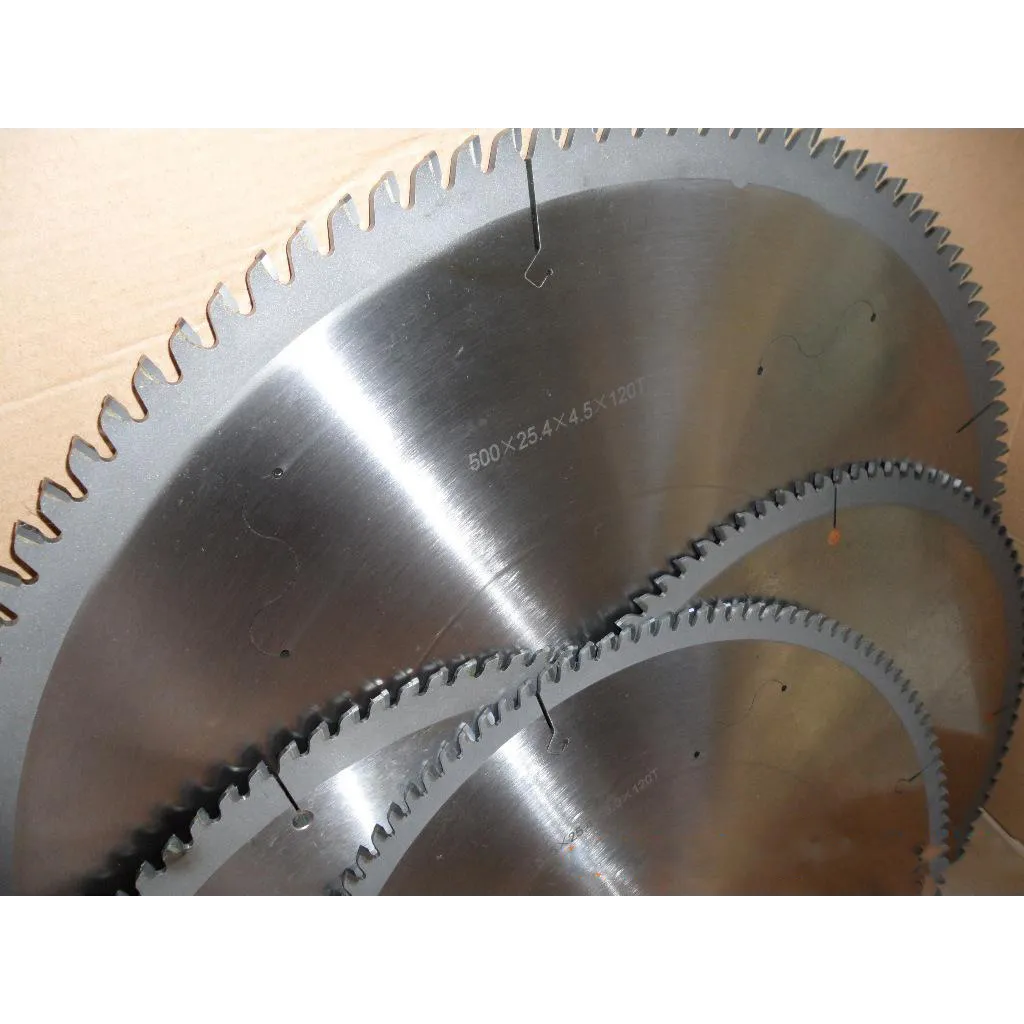
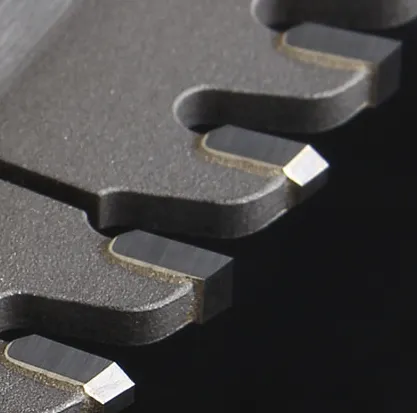
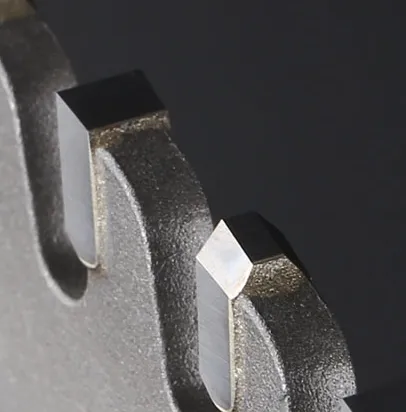
Table of Contents
- tct saw blade for aluminium,what is the best blade for cutting aluminum,what type of blade do you use to cut aluminum Overview
- Benefits & Use Cases of tct saw blade for aluminium,what is the best blade for cutting aluminum,what type of blade do you use to cut aluminum in saw blade
- Cost, Maintenance & User Experience
- Sustainability & Market Trends in Hardware tools
- Conclusion on tct saw blade for aluminium,what is the best blade for cutting aluminum,what type of blade do you use to cut aluminum from Mingye tools Technologies Co.,Ltd
tct saw blade for aluminium,what is the best blade for cutting aluminum,what type of blade do you use to cut aluminum Overview
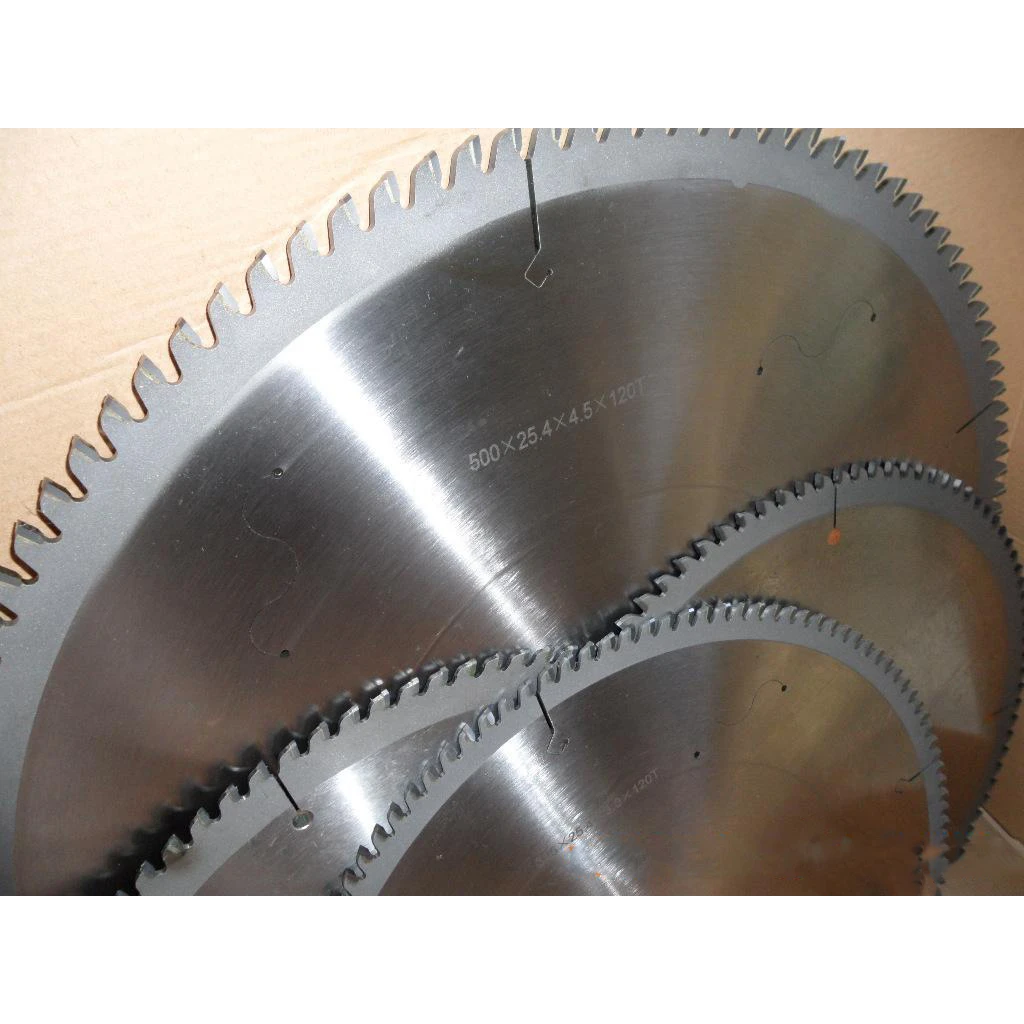
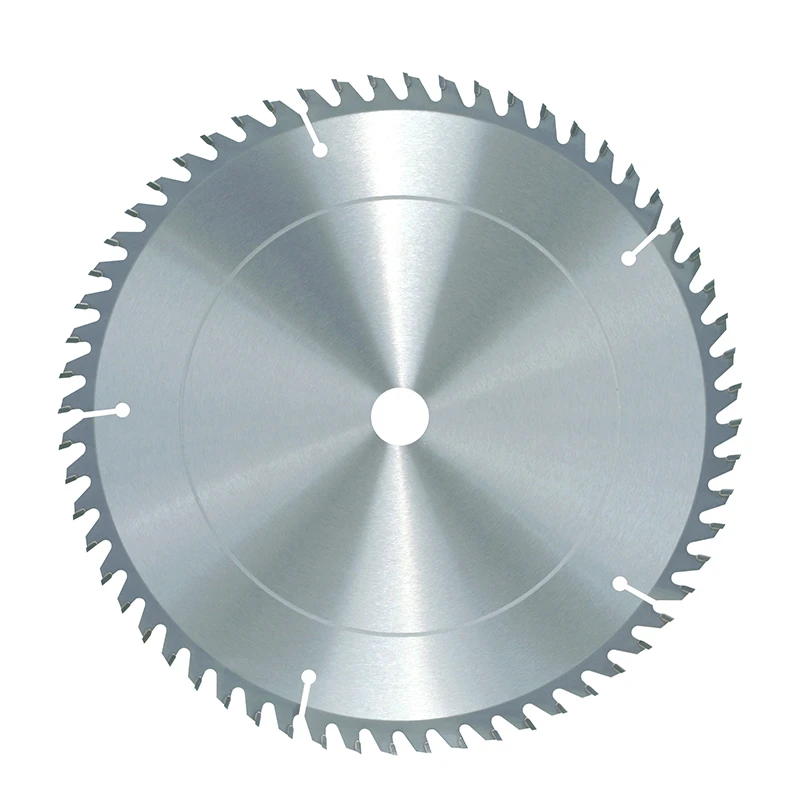
A TCT (Tungsten Carbide Tipped) saw blade for aluminium is engineered to cut non‑ferrous metals—primarily aluminum extrusions, plate, profiles, and composites—while maintaining edge integrity and surface finish. If you are asking “what is the best blade for cutting aluminum” or “what type of blade do you use to cut aluminum,” the industry consensus points to a triple‑chip grind (TCG) geometry, negative rake angle, and a high tooth count. Typical specs include negative hook angles of −5° to −10°, precision‑ground TCG teeth for burr control, and balanced plates with laser‑cut expansion slots to stabilize the cut at high RPM.
Mingye tools Technologies Co.,Ltd manufactures aluminium‑cutting TCT saw blades in a wide range of diameters (commonly 185 mm to 355 mm and beyond), kerfs optimized for throughput and rigidity, and arbors to match mitre, chop, table, and automatic saws. Bodies are tensioned from premium alloy steel; micro‑grain carbide tips are brazed and ground for consistent chip formation and extended life. In production settings, these blades deliver clean edges that reduce downstream deburring and polishing, supporting tighter tolerances and higher yield.
Benefits & Use Cases of tct saw blade for aluminium,what is the best blade for cutting aluminum,what type of blade do you use to cut aluminum in saw blade
Applications span window and door profiles, curtain wall frames, heat sinks, furniture fittings, automotive trim, and precision machining stock. On mitre and double‑head saws, a TCT saw blade for aluminium with TCG teeth controls chip load and prevents aluminum “loading” on the tooth face, improving safety and finish. For plate and bar cutting, a stiffer plate and suitable kerf mitigate wandering and heat buildup, enabling straighter cuts and tighter squareness.
Key advantages include: - Triple‑chip grind for minimal burrs and longer tip life. - Negative rake for smooth entry and reduced grabbing on thin‑wall extrusions. - Laser‑cut, resin‑filled noise slots to lower vibration and sound levels. - Optimized kerf to balance feed speed with rigidity and surface quality. - Optional coatings and lubricity finishes to decrease friction and heat.
Mingye tools Technologies Co.,Ltd brings application engineering to every project—advising on tooth count, rake, plate thickness, and RPM based on alloy temper and machine type. Whether you’re configuring a high‑throughput automated line or a versatile job‑shop saw, Mingye’s product range and customization options help standardize processes and improve first‑pass yield.
Cost, Maintenance & User Experience
Total cost of ownership is driven by blade life, re‑sharpenability, cut quality, and the secondary operations you avoid. Customers in extrusion and fabrication report that switching to a purpose‑built aluminium TCT blade reduces burr formation and mitigates part deformation, lowering time spent on deburring and rework. With correct feed rates and lubrication, a high‑quality blade can be re‑sharpened multiple cycles, further reducing cost per cut.
Best practices include: - Keep the blade clean to prevent aluminum build‑up; use an approved blade cleaner and a soft brush. - Match tooth count to wall thickness: higher TPI for thin sections, balanced counts for solids. - Use appropriate lubrication or misting systems on demanding cuts to control heat and chip evacuation. - Verify clamping rigidity and machine alignment to maximize life and accuracy.
Mingye tools Technologies Co.,Ltd supports users with selection guidance and after‑sales service, helping operations set correct RPM, feed, and re‑sharpening intervals. The result is predictable performance, fewer line stops, and a clearer ROI relative to general‑purpose or wood‑grade blades.
Sustainability & Market Trends in Hardware tools
Aluminum’s recyclability and the growth of lightweight structures in transportation and construction are accelerating demand for precise, low‑waste cutting. Blades that maintain edge quality reduce scrap, save energy on rework, and keep noise within regulatory targets. Laser‑cut vibration‑damping slots and refined grind geometries also support safer, quieter facilities—an increasing priority under evolving health and safety standards.
Market trends include higher automation on double‑mitre and CNC saws, data‑driven maintenance, and greater emphasis on re‑sharpening cycles to cut waste. Mingye tools Technologies Co.,Ltd aligns with these trends by offering durable plates, re‑tip/resharpen‑friendly carbide grades, and packaging that minimizes materials. By engineering blades for longer life and consistent cuts, Mingye helps manufacturers reduce consumable turnover and improve the sustainability profile of their cutting operations.
Conclusion on tct saw blade for aluminium,what is the best blade for cutting aluminum,what type of blade do you use to cut aluminum from Mingye tools Technologies Co.,Ltd
For professionals asking “what is the best blade for cutting aluminum” and “what type of blade do you use to cut aluminum,” the answer is a purpose‑built TCT saw blade engineered for non‑ferrous metals. Mingye tools Technologies Co.,Ltd delivers precisely that—optimized geometry, stable plates, and consistent finish that drive throughput and reduce rework across demanding B2B applications. Partner with Mingye to standardize quality and lower total cost per cut. Contact us: email: sales@mydiamondblade.com. Visit our website: https://www.mydiamondblade.com
Related Products
Related Products






Address
No.30 Gaoying Road ,Chang'an District,Shijiazhuang,Hebei Province
Business Hours
Mon to Saturday : 8.00 am - 7.00 pm
Sunday & Holidays : Closed
.png )