Buy the Best 350mm Diamond Blade Porcelain for Precise Tile Cutting | MyDiamondBlade
Understanding the 350mm Diamond Blade Porcelain: A Cut Above the Rest
If you’re in construction, tiling, or any industry where cutting precision porcelain is a daily grind, you probably already know that not all blades are created equal. The 350mm diamond blade porcelain stands out as a powerhouse tool — designed specifically to handle tough, brittle materials like porcelain tiles with accuracy and reliability. Globally, as urbanization accelerates and infrastructure projects mount, having the right cutting tools like these blades impacts efficiency, safety, and cost management. Knowing what makes these blades tick helps professionals get the most out of their investment and avoid headaches during complex installations.
The benefits? Precise straight cuts, minimized chipping, less downtime from blade replacements, and overall better tile aesthetics. For builders, contractors, or even DIY enthusiasts here and there, that’s a win worth unpacking.
The Global Picture: Why 350mm Diamond Blade Porcelain Matters
Construction and renovation alone contribute roughly 13% of global GDP, according to sources like the World Bank, making efficient tools essential worldwide. Porcelain tiles are increasingly popular due to their durability, water-resistance, and aesthetic appeal — the international tile market is expected to reach $203 billion by 2030 (source: Statista).
However, cutting porcelain isn’t straightforward; traditional blades often chip or wear quickly. That’s where specialized, larger diameter blades like the 350mm diamond blade porcelain come into play. The challenge? As cities expand—whether in Europe, Asia, or the Americas—timely tile installation can’t afford delays or quality issues caused by poor tooling.
So this blade category helps solve an overlooked bottleneck: how do you marry efficiency with material preservation?
Mini takeaway:
- 350mm blades serve a growing global porcelain tile industry expecting both speed and precision.
- They mitigate costly installation flaws, making them key in urban and industrial builds.
What Is a 350mm Diamond Blade Porcelain?
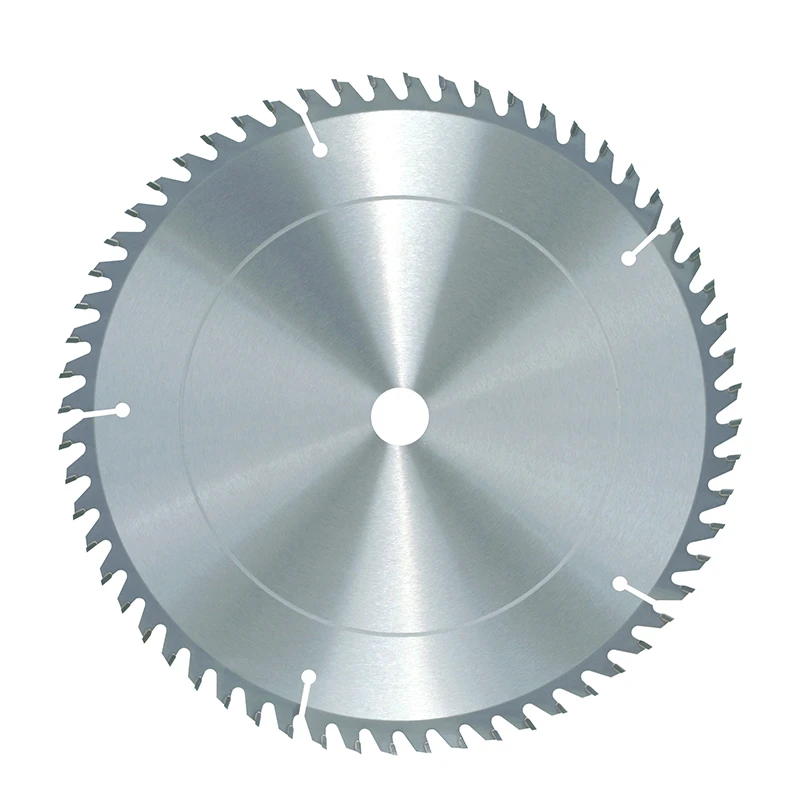
In simple terms: it's a circular cutting blade, 350 millimeters (~14 inches) in diameter, embedded with industrial-grade diamonds on its edge. These diamonds are what actually "cut" the porcelain, which is notoriously hard and brittle.
Compared to smaller or generic blades, the 350mm size helps cover broader cutting widths and maintain smoothness. It’s typically mounted on high-power tile saws or masonry cutters, ideal for calibrating tiles without cracking or overspending time on multiple passes.
The link to industry is straightforward — porcelain tiles are everywhere, from skyscrapers in Dubai to renovated cafés in Paris. Having a blade precisely made for this purpose streamlines operations critical to modern architecture, infrastructure maintenance, and even humanitarian housing projects that rely on durable, well-cut materials.
Core Aspects That Make These Blades Tick
1. Durability
Diamond segments are brazed or sintered on the core, allowing high resistance to wear during harsh cutting. The 350mm size leverages momentum to maintain cutting speed without frequent blade changes.
2. Precision Cutting
Porcelain’s delicate structure demands minimal vibration. The segmented rim and fine bonding help avoid chipping.
3. Compatibility
These blades fit standardized cutting machines but need a powerful motor (usually 2kW+) to maintain optimal RPM (~4000-6000).
4. Cost Efficiency
Despite the upfront cost, the longer lifespan and fewer wasted tiles due to damage drive down cost per cut.
5. Safety Features
High-quality blades often include cooling slots to reduce overheating, which can cause blade warping or accidents if neglected.
6. Environmental Impact
Many manufacturers are moving toward eco-friendly bonding materials and recyclable cores, echoing broader sustainability trends.
Mini takeaway:
- Durability combined with precision offers a balance rare in cutting tools.
- Professional users save time and money — and honestly, stress — with blades tuned for porcelain.
Real World Applications: Where Does the 350mm Diamond Blade Porcelain Shine?
This blade finds its home almost anywhere porcelain tiles need handling with care and efficiency.
- Urban Construction: High-rise buildings and commercial complexes using large-format porcelain tiles where speed and precision are crucial.
- Renovation & Interior Design: Boutique hotels or luxury apartments where flawless tile cuts reflect brand quality.
- Disaster Relief & Temporary Housing: Quick installation of tiled surfaces in emergency shelters where reliable materials matter.
- Industrial Zones: Factories or warehouses requiring durable flooring to withstand heavy equipment traffic.
Oddly enough, I’ve noticed even smaller contractors in remote areas increasingly rely on these blades once the price point became reasonable, supplied through online channels. The global reach is stunning — distribution networks are improving. You can find these blades from Moscow to Melbourne — each tackling local porcelain cutting challenges at speed.
350mm Diamond Blade Porcelain: Advantages Over Alternatives
- Increased lifespan: Fewer blade replacements over project timelines.
- Reduced tile wastage: Cleaner cuts mean less material thrown away.
- Time savings: Faster deployment on-site reduces labor costs.
- Lower heat buildup: Less risk of tile cracking or blade damage.
- User safety: Stable cut reduces kickback risks.
- Supports sustainability: Efficient cutting means less waste, aligned with ISO environmental standards.
There’s a real dignity in getting clean, exact tile cuts — no ugly chips glaring back at you after hours of work. Plus, clients notice. Trust builds faster when your craftsmanship shines through.
Looking Ahead: Trends That Will Shape Diamond Blade Porcelain Cutting
Manufacturers are focusing on these major trends:
- Eco-friendly materials: Using less toxic bonding agents, recyclable cores, and even bio-based lubricants.
- Automation & Smart Tools: Integration of blade wear sensors and automatic RPM adjustments.
- Hybrid segments: Combining diamond grades for different porcelain hardness in a single blade.
- Improved cooling systems: Water-fed blades and ventilation technology to maximize lifespan.
- Customization: More blades tailored to specific tile sizes, thicknesses, and project types.
It almost feels like something a sci-fi engineer might design; soon enough, diamond blades could be ‘smart’ enough to tell you when they’re done. For now, though, the 350mm diamond blade porcelain remains a quiet workhorse, improving incrementally but steadily.
Addressing Challenges: What’s Not Perfect Yet?
Even the best blades face issues:
- Cost barrier: Initial investment can be high, especially for smaller contractors.
- Heat management: Overheating remains a risk without proper cooling or technique.
- Compatibility: Not all cutting machines support 350mm diameter blades — requires equipment check.
- Wear variability: Varying tile compositions can shorten blade life unexpectedly.
Solutions? Training operators is key — many issues stem less from the blade and more from how the tool’s used. Also, ongoing R&D aims to refine blade bonding to better handle a broad range of porcelain mixtures, which in theory, means happier users worldwide soon.
Product Specification Table: Typical 350mm Diamond Blade Porcelain Features
| Specification | Value |
|---|---|
| Diameter | 350 mm (14 inches) |
| Segment Type | Laser Welded / Sintered |
| Max RPM | 6,600 |
| Segment Height | 10 mm |
| Core Thickness | 2.5 mm |
| Suitable Materials | Porcelain tiles, ceramics, granite, hard stone |
Vendor Comparison: Leading Suppliers of 350mm Diamond Blade Porcelain
| Vendor | Blade Type | Price Range | Warranty | Special Features |
|---|---|---|---|---|
| DiamondCut Pro | Laser Welded | $120 - $150 | 12 months | Anti-warp core, low vibration |
| PorcelainEdge | Sintered | $100 - $130 | 6 months | Eco-friendly bonding, water-cooled |
| TileMaster Ultra | Hybrid Segment | $140 - $170 | 18 months | Smart wear indicators |
Frequently Asked Questions About 350mm Diamond Blade Porcelain
- What makes the 350mm diamond blade porcelain better than smaller blades?
- Its larger diameter allows wider and more stable cuts, reducing vibration and improving accuracy on porcelain tiles. It’s especially useful for thick or large-format tiles that smaller blades struggle with.
- Can this blade be used on other materials besides porcelain?
- Yes. While optimized for porcelain, many 350mm diamond blades can cut ceramics, granite, and certain hard stones. Always check the manufacturer's specifications to ensure compatibility.
- How long does a typical 350mm diamond blade porcelain last?
- Blade lifespan varies by usage, but if used properly on appropriate materials, you can expect hundreds of linear meters of cuts before replacement. Proper cooling and maintenance can extend life significantly.
- Is water cooling necessary when using these blades?
- Water cooling is highly recommended, as it reduces heat and dust, prolongs blade life, and improves cut quality. Some blades are optimized for dry cutting but using water is generally safer for porcelain.
- Are these blades compatible with all tile cutting machines?
- No, machines must support 350mm blades and have the appropriate motor power and RPM rating. Always verify your machine specs before purchasing.
Final Thoughts and Next Steps
So, the 350mm diamond blade porcelain is more than just a tool — it’s a critical enabler for quality and efficiency in the tile and construction industries worldwide. It strikes a delicate balance between power and precision, durability and cost-efficiency, turning what was once a tedious task into a smoother process. Whether you’re renovating your home, managing a large-scale urban project, or tackling industrial flooring, investing in the right blade pays off in the long run.
Fancy giving your porcelain tiles the cutting edge? Check out our latest selection and detailed specs at mydiamondblade.com — your next project deserves tooling that keeps pace.
References
Related Products
Related Products





Address
No.30 Gaoying Road ,Chang'an District,Shijiazhuang,Hebei Province
Business Hours
Mon to Saturday : 8.00 am - 7.00 pm
Sunday & Holidays : Closed
.png )