close
  • 378_2025032719101269029.webp
  • 378_2025032719084087564.webp
0%

Table of Contents

Look, I’ve spent the last fifteen years knee-deep in concrete dust, talking to crews, and watching what actually works on job sites. And let me tell you, a good grinder blade for cement isn't just a tool; it's the difference between a smooth operation and a costly headache. We’re talking about efficiency, safety, and ultimately, getting the job done right. It’s not about flashy marketing; it's about the cut, the lifespan, and how it holds up under real-world stress. The industry needs blades that can handle the demands of modern construction, and that’s where understanding the nuances of these tools really comes into play.

The global construction industry is booming, fueled by urbanization and infrastructure development. According to the UN, the world population is projected to reach nearly 10 billion by 2050, requiring massive investment in housing, transportation, and public works. This puts incredible pressure on material processing, where efficient concrete grinding and cutting are crucial. However, older methods and inferior blades lead to significant downtime, material waste, and even safety hazards. I've seen projects delayed for days because of blade failures. The need for durable, high-performance grinder blade for cement solutions is more critical than ever.

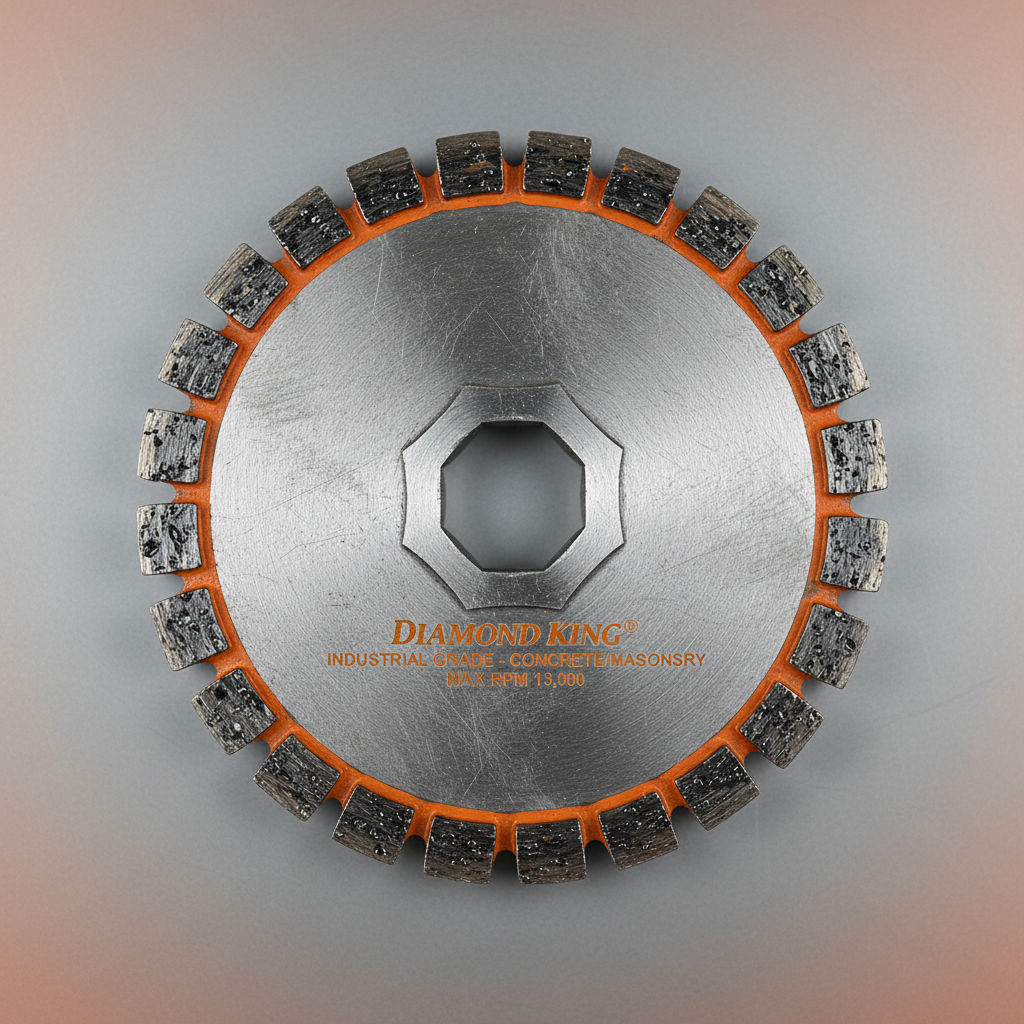
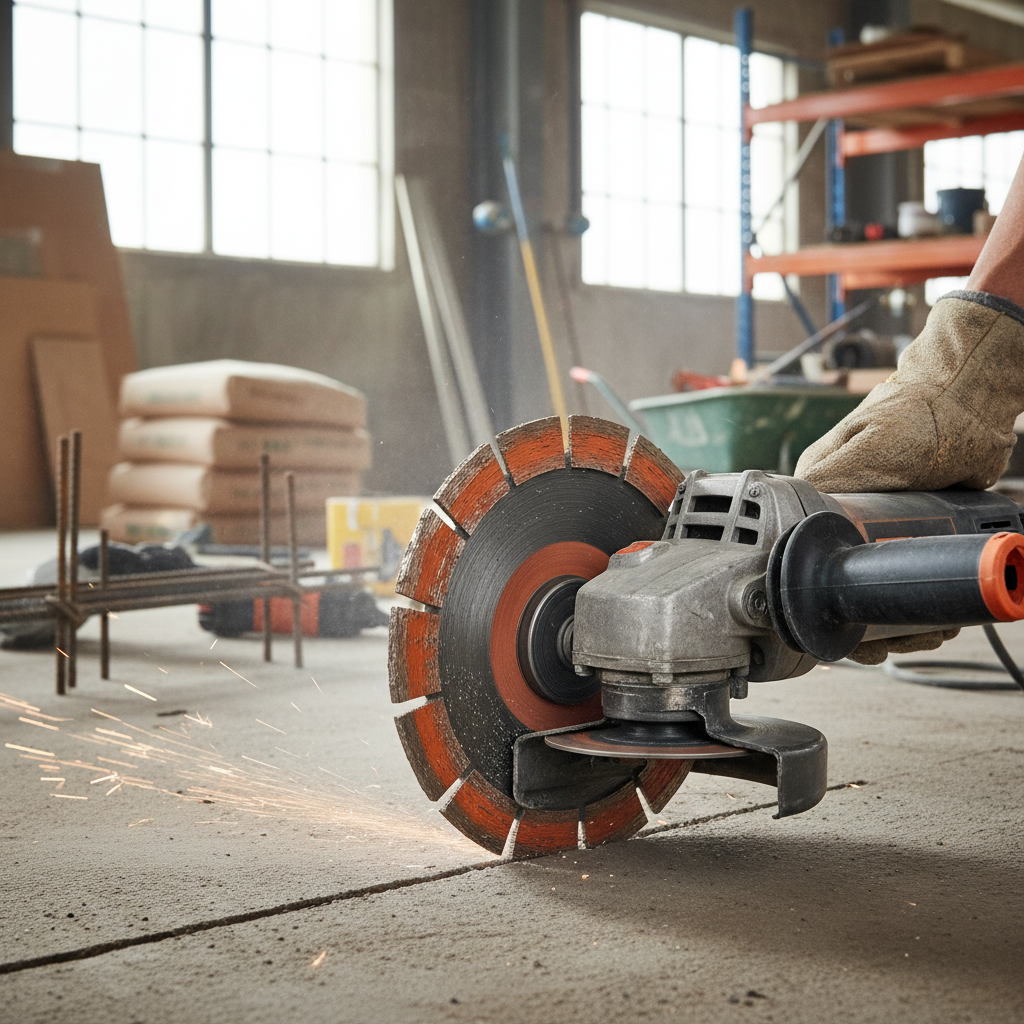
Simply put, a grinder blade for cement is a rotating tool equipped with abrasive segments—typically diamond—used to cut, grind, and polish concrete surfaces. But it’s far more than just ‘cutting stuff.’ These blades are vital for everything from creating expansion joints and removing imperfections to preparing surfaces for coatings and leveling floors. In today’s construction landscape, especially with the push for sustainable building practices, precise concrete work is paramount. This isn't just about meeting building codes; it's about the long-term durability and efficiency of the structure.
Choosing the Right Grinder Blade for Cement A Comprehensive Guide

Key Factors in Selecting a grinder blade for cement

Choosing the Right Grinder Blade for Cement A Comprehensive Guide

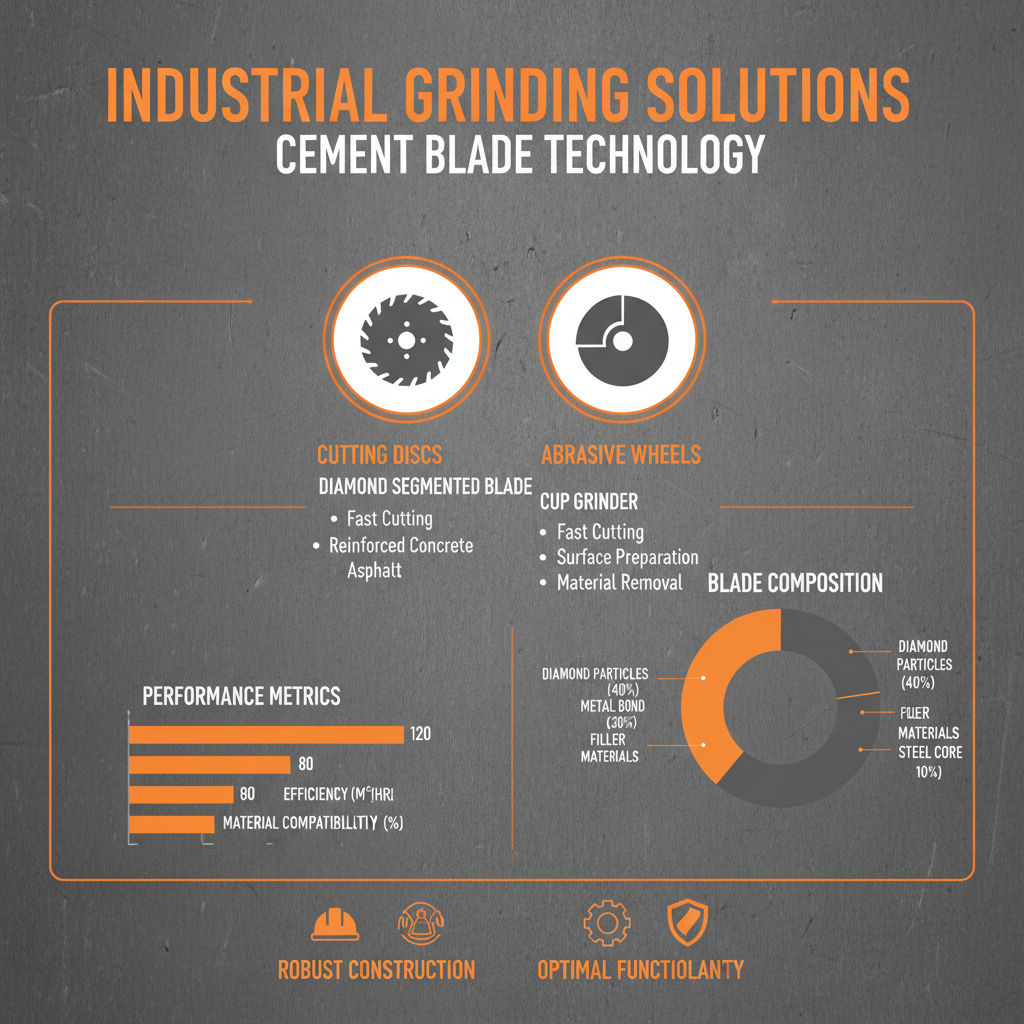
First off, you've got to consider the diamond bond quality. Cheap blades use low-grade diamonds that wear down quickly, leaving you replacing them constantly. The matrix – the metal powder holding the diamonds – is just as crucial. A soft bond is better for abrasive materials, while a hard bond is suited for harder aggregates. Then there’s the segment height. More segment height means more life, plain and simple.

Beyond that, it's about the specific concrete you're cutting. Different aggregates—granite, quartz, limestone—require different blade formulations. Ignoring this is a recipe for disaster. I’ve seen guys try to use a blade meant for soft concrete on reinforced concrete and it just…fails. It’s a waste of time and money, and frankly, dangerous.

Global Applications of grinder blade for cement

You see these blades everywhere, honestly. In North America, they’re integral to highway construction and large-scale commercial projects. Europe relies heavily on them for restoration work on historical buildings, demanding precision and minimal damage. Asia, with its rapid infrastructure growth, is a huge consumer, especially in China and India. It's not just big projects, either.

Even in smaller operations—residential renovations, driveway repairs—a quality grinder blade for cement makes all the difference. Post-disaster relief efforts are another critical area. Quickly cutting through concrete rubble to access survivors or create pathways requires reliable, durable blades. I worked a project after a hurricane where we were literally clearing roads with them.

And don't underestimate the impact on specialized fields like epoxy flooring installation. Preparing the concrete substrate requires precise grinding and surface profiling – and a cheap blade won’t cut it. We’re seeing increased demand in the renewable energy sector too, with foundations for wind turbines and solar farms requiring substantial concrete work.

Defining Characteristics of High-Quality grinder blade for cement

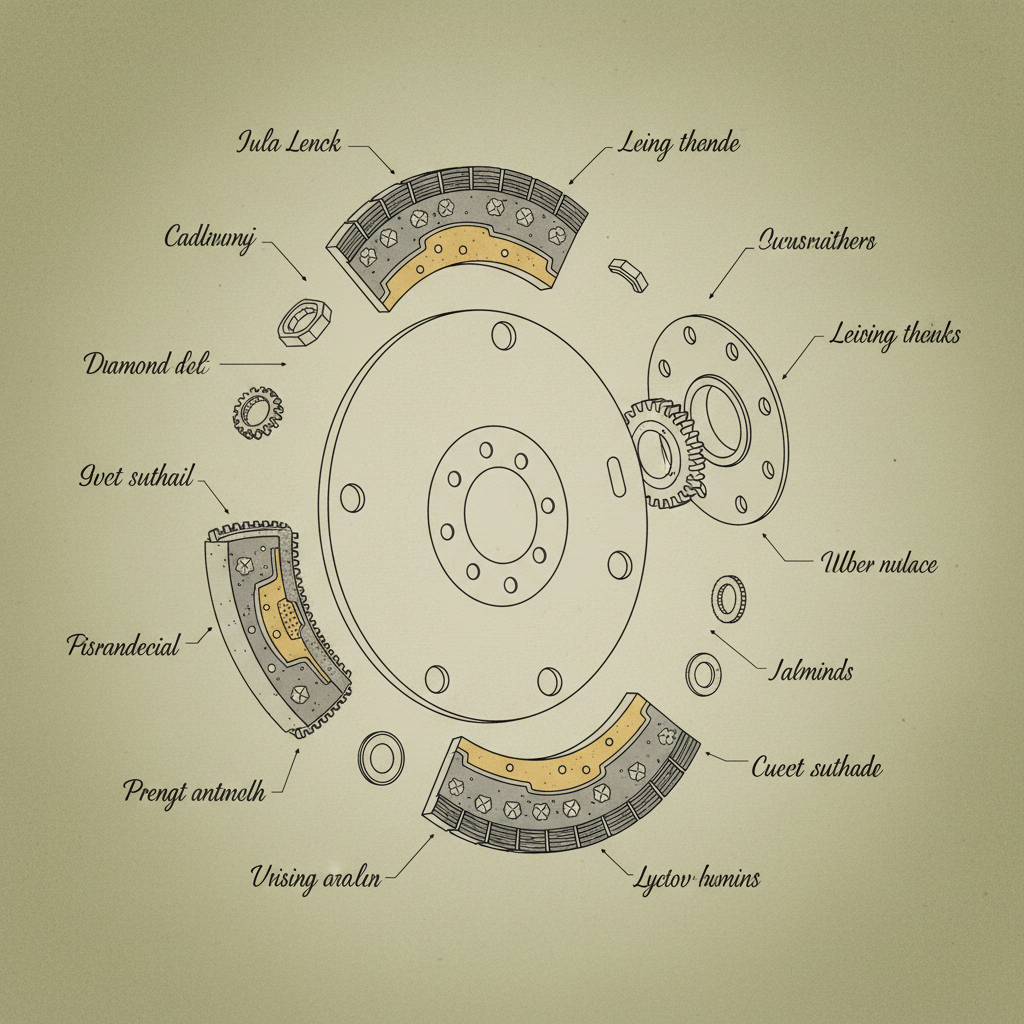
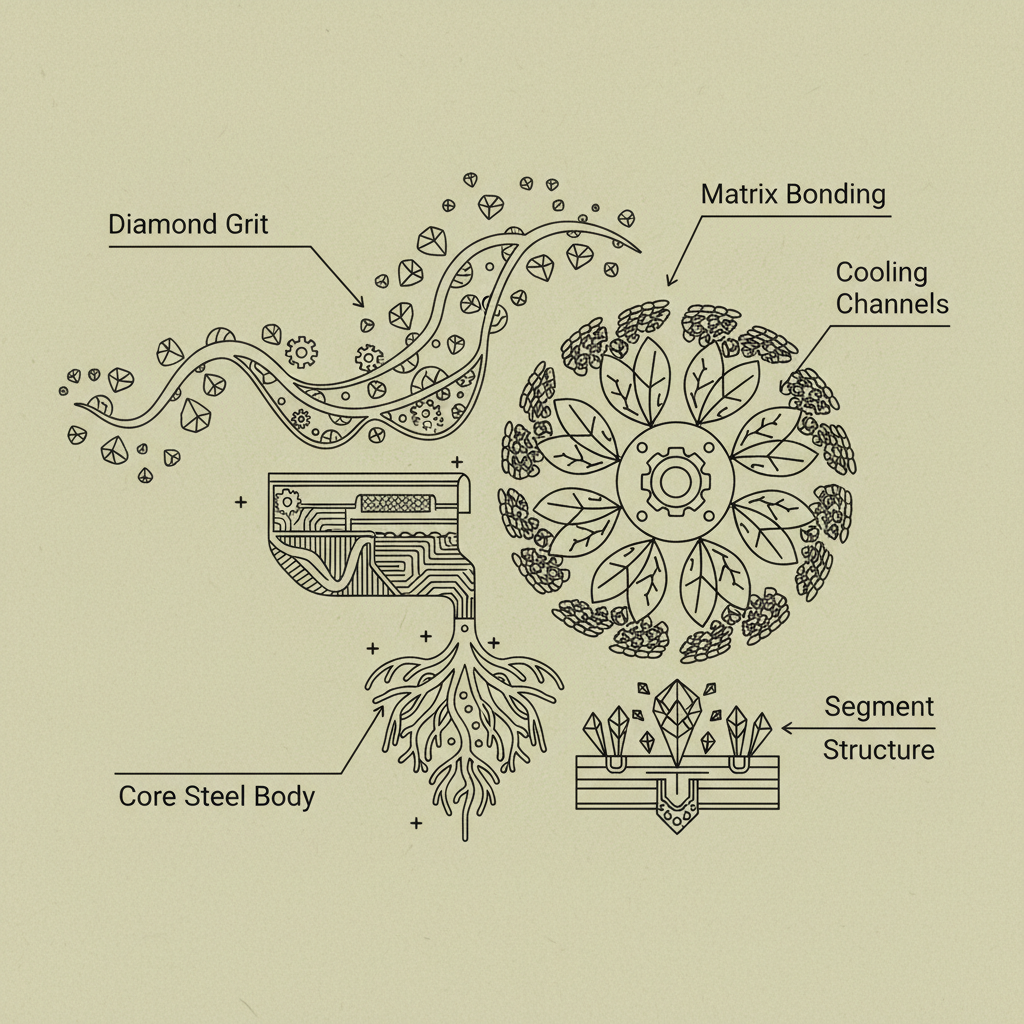
A truly high-quality blade isn’t about the price tag; it's about the construction. You want a blade that uses laser-welded segments – that’s the gold standard. It provides superior diamond retention and a stronger bond between the segment and the core. Cheaper blades often use brazing, which is weaker and prone to segment loss.

The diamond grit itself is crucial. Look for blades that specify the diamond type and size. Higher-quality diamonds – industrial-grade, of course – will last longer and cut faster. The grit size will influence the finish. Coarser grits are for aggressive material removal, while finer grits are for polishing.

Finally, pay attention to the core material. A high-quality steel core provides the necessary rigidity and prevents warping, especially when used with powerful grinders. A warped blade is a dangerous blade. You want something that’s built to withstand the heat and stress of continuous use.

Performance Metrics for grinder blade for cement

When evaluating a grinder blade for cement, you need to look beyond just the manufacturer's claims. Cut speed is important, but it’s not the whole story. You have to factor in the life of the blade, the amount of material removed per hour, and the quality of the cut.

We evaluate blades based on several key metrics: Total material removed before significant wear, cutting time per square foot of concrete, the amount of dust generated (dust control is a huge safety issue), and the straightness of the cut. A good blade should leave a clean, precise cut with minimal chipping.

Comparative Performance of grinder blade for cement Types


Real-World Use Cases of grinder blade for cement

I’ve seen grinder blade for cement used in some incredibly demanding situations. For example, when repairing airport runways, you need blades that can quickly and accurately cut through reinforced concrete to remove damaged sections. Downtime there is incredibly expensive.

Another common application is in the installation of in-floor radiant heating systems. Creating the necessary channels for the tubing requires precise cutting and grinding, and the blade needs to be able to handle the rebar embedded in the concrete.

Long-Term Value and Cost Analysis of grinder blade for cement

The cheapest blade isn’t always the most economical. If it wears out quickly, you’re spending more time and money on replacements, not to mention the lost productivity. A higher-quality blade may have a higher upfront cost, but its longer lifespan and superior performance will often result in lower total cost of ownership.

Consider the labor costs associated with blade changes. Every time a crew has to stop and replace a blade, it’s costing you money. Investing in a durable blade minimizes downtime and maximizes efficiency. We always advise clients to look at the lifecycle cost, not just the initial price.

Furthermore, a good blade reduces the risk of damaging the concrete itself, which can lead to costly repairs. Precision cutting and grinding minimize chipping and cracking, preserving the structural integrity of the project.

Future Trends in grinder blade for cement Technology

We’re starting to see some exciting advancements in grinder blade for cement technology. Manufacturers are experimenting with new diamond bonding techniques, using more advanced matrices to improve diamond retention and cutting performance.

There’s also a growing focus on dust control. Blades with integrated dust suppression systems are becoming more popular, addressing both safety concerns and environmental regulations. We are also seeing the integration of sensors that monitor blade wear and performance, providing valuable data to optimize cutting operations.

And finally, we're exploring the use of more sustainable materials in blade construction, reducing the environmental impact of concrete cutting and grinding. This aligns with the industry's broader push for green building practices.

Summary of Future Trends in grinder blade for cement

Trend Category Technological Advancement Potential Impact Adoption Rate (1-10)
Diamond Bonding Laser-Welded Segments Increased blade life, reduced segment loss 9
Dust Control Integrated Dust Suppression Systems Improved worker safety, reduced environmental impact 7
Sensor Technology Blade Wear Monitoring Optimized cutting performance, predictive maintenance 5
Materials Science Sustainable Matrix Materials Reduced environmental footprint 6
Blade Geometry Optimized Segment Design Increased cutting speed and efficiency 8
Automation Integration Smart Blades for Robotic Systems Enhanced precision and reduced labor costs 4

FAQS

What's the difference between a segmented and continuous rim grinder blade for cement?

Segmented blades are designed for faster, more aggressive material removal, making them ideal for rough cutting and demolition. They have gaps between the segments to allow for cooling and debris removal. Continuous rim blades, on the other hand, are designed for smoother, chip-free cutting and polishing. They’re often used for finishing work and creating precise edges. Choosing the right one depends entirely on the application.

How do I determine the correct arbor size for my grinder?

The arbor size refers to the diameter of the center hole in the blade. It must match the arbor size of your grinder. Using the wrong size can be incredibly dangerous. Most grinders have a standard arbor size, but it’s always best to check your grinder’s manual or specifications before purchasing a blade. Adapters are sometimes available, but they can compromise blade stability.

What safety precautions should I take when using a grinder blade for cement?

Safety is paramount. Always wear appropriate personal protective equipment (PPE), including safety glasses, a dust mask, hearing protection, and gloves. Ensure the work area is well-ventilated. Inspect the blade for any cracks or damage before use. Never exceed the grinder’s maximum RPM rating. And always follow the manufacturer’s instructions.

How can I maximize the lifespan of my grinder blade for cement?

Avoid excessive pressure during cutting – let the blade do the work. Use a consistent cutting speed. Don’t force the blade through the material. Regularly inspect the blade for wear and tear. And use the correct blade for the material you're cutting. Proper storage also helps; keep blades dry and protected from damage.

What does 'wet cutting' vs 'dry cutting' mean, and which is better?

Wet cutting involves using water to cool the blade and suppress dust. It’s generally preferred for harder materials and reduces the risk of overheating and blade damage. Dry cutting is faster, but generates significantly more dust and heat. Always check if your blade is designed for wet or dry cutting and follow the manufacturer’s recommendations. Using water with a dry-cutting blade can be dangerous.

Are diamond blades really worth the investment compared to cheaper abrasive blades?

Absolutely. While abrasive blades are cheaper upfront, diamond blades last significantly longer and provide a cleaner, more precise cut. The increased lifespan and reduced downtime quickly offset the initial cost. Think of it as an investment in efficiency and quality. Over the long run, diamond blades are almost always the more cost-effective choice, especially for regular use.

Conclusion

Ultimately, selecting the right grinder blade for cement isn't just about picking up the cheapest option. It’s about understanding your application, the materials you’re cutting, and the long-term value of a quality tool. From maximizing efficiency and safety to minimizing downtime and material waste, the right blade can make a significant difference on any job site.

As technology continues to evolve, we’ll see even more innovative blade designs and materials that further enhance performance and sustainability. Staying informed about these advancements and partnering with reputable suppliers like Diamond Blade is essential for staying ahead of the curve. Visit our website today: www.mydiamondblade.com

Michael Chen

Michael Chen

Michael Chen is a Product Development Specialist at Mingye Tools Technologies. His focus lies in researching and testing new diamond formulations and bonding technologies to enhance the performance and lifespan of our tools. Michael collaborates with our engineering team to translate customer feedback and market demands into innovative product designs.
Previous Advanced Grinder Disc Diamond Technology for Precision Material Processing
Next Maximize Cutting Efficiency with a High Performance Grinder Blade Diamond
Can't Find The Products And Services You Need?
If you need our help,
Our staff will be happy to help and answer your questions!

Contact Us

Email: sales@mydiamondblade.com

Phone:0086-15369377868

Address

No.30 Gaoying Road ,Chang'an District,Shijiazhuang,Hebei Province

Business Hours

Mon to Saturday : 8.00 am - 7.00 pm

Sunday & Holidays : Closed

If you are interested in our products, you can choose to leave your information here, and we will be in touch with you shortly.