Comprehensive Guide to Choosing the Right 10 inch Buffer Pads for Polishing
Understanding 10 Inch Buffer Pads: A Comprehensive Guide
Choosing the right buffer pad is crucial for achieving professional results in polishing, grinding, and finishing applications. 10 inch buffer pads are a popular choice for a wide range of projects, offering a balance of coverage and control. This article delves into the different types of 10 inch buffer pads, their applications, and how to choose the best pad for your specific needs. From automotive detailing to concrete polishing, we’ll cover everything you need to know to achieve a flawless finish.
Types of 10 Inch Buffer Pads
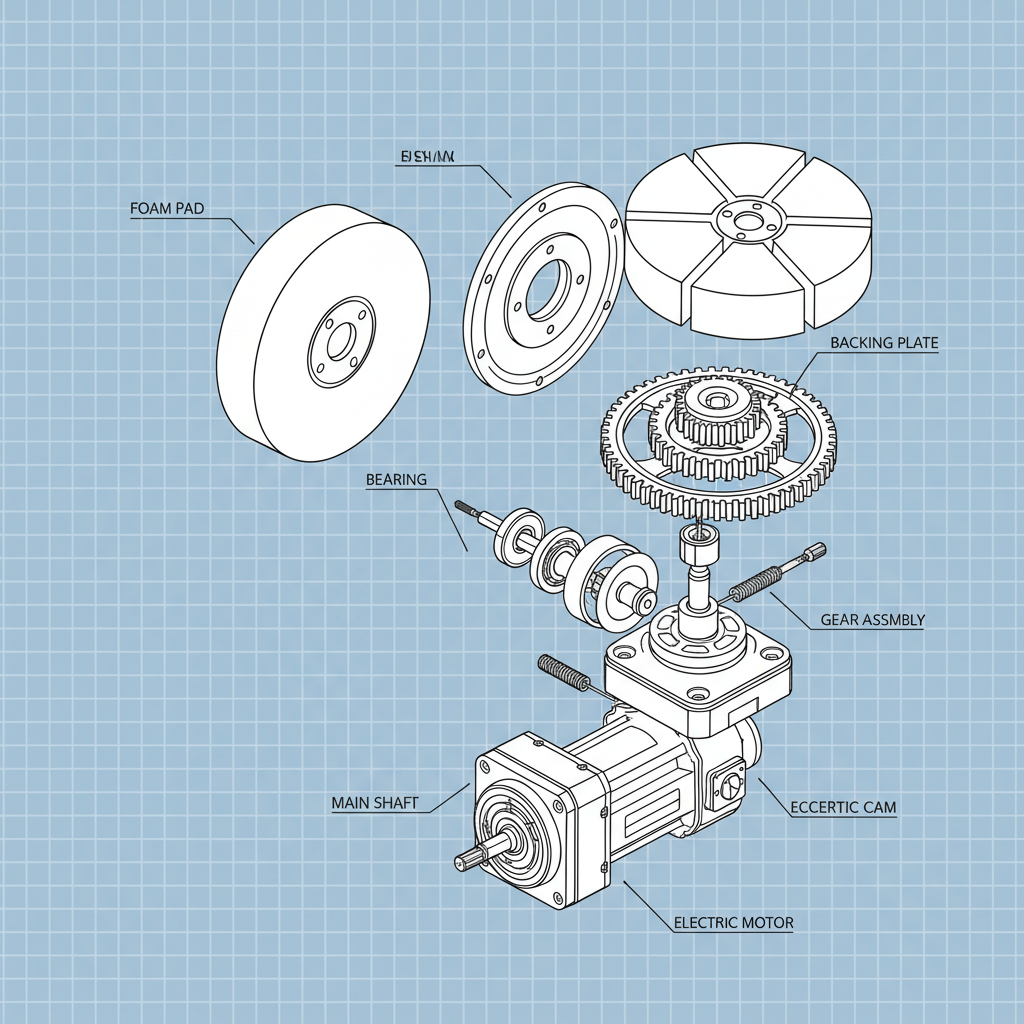
10 inch buffer pads come in various materials, each offering unique properties for different applications. The most common types include foam, wool, and microfiber pads. Foam pads are generally used for polishing and finishing, providing a smooth and consistent surface. Wool pads are more aggressive, ideal for cutting through imperfections and removing scratches. Microfiber pads offer a versatile option, combining the benefits of both foam and wool, suitable for both cutting and polishing. Understanding the characteristics of each material is essential for selecting the right pad for your project. Diamond Blade offers a comprehensive selection of 10 inch buffer pads for all your polishing needs.
Key Highlights: 10 inch buffer pads are available in foam, wool, and microfiber materials, each suited to specific tasks from heavy cutting to delicate polishing. Choosing the right material is crucial for achieving optimal results.
Applications of 10 Inch Buffer Pads
The versatility of 10 inch buffer pads makes them applicable across numerous industries. In automotive detailing, they’re used for paint correction, polishing, and waxing. For concrete polishing, they are utilized for grinding, honing, and achieving a high-gloss finish. Other applications include marine vessel polishing, floor care, and even woodworking. The right pad, combined with the appropriate compound or polish, can transform a dull, damaged surface into a gleaming, protected one. Different grits and material combinations are used depending on the surface and desired outcome.
Common Applications:
• Automotive Polishing & Waxing
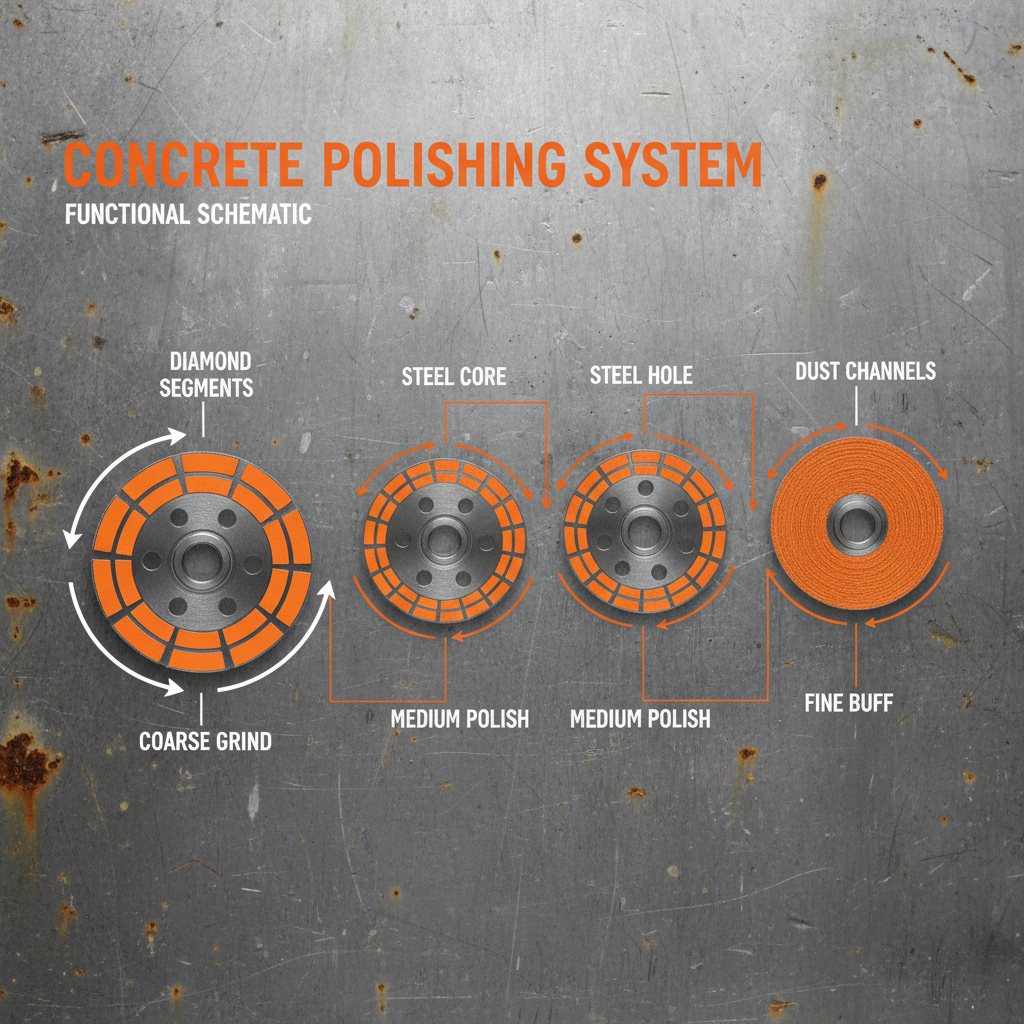
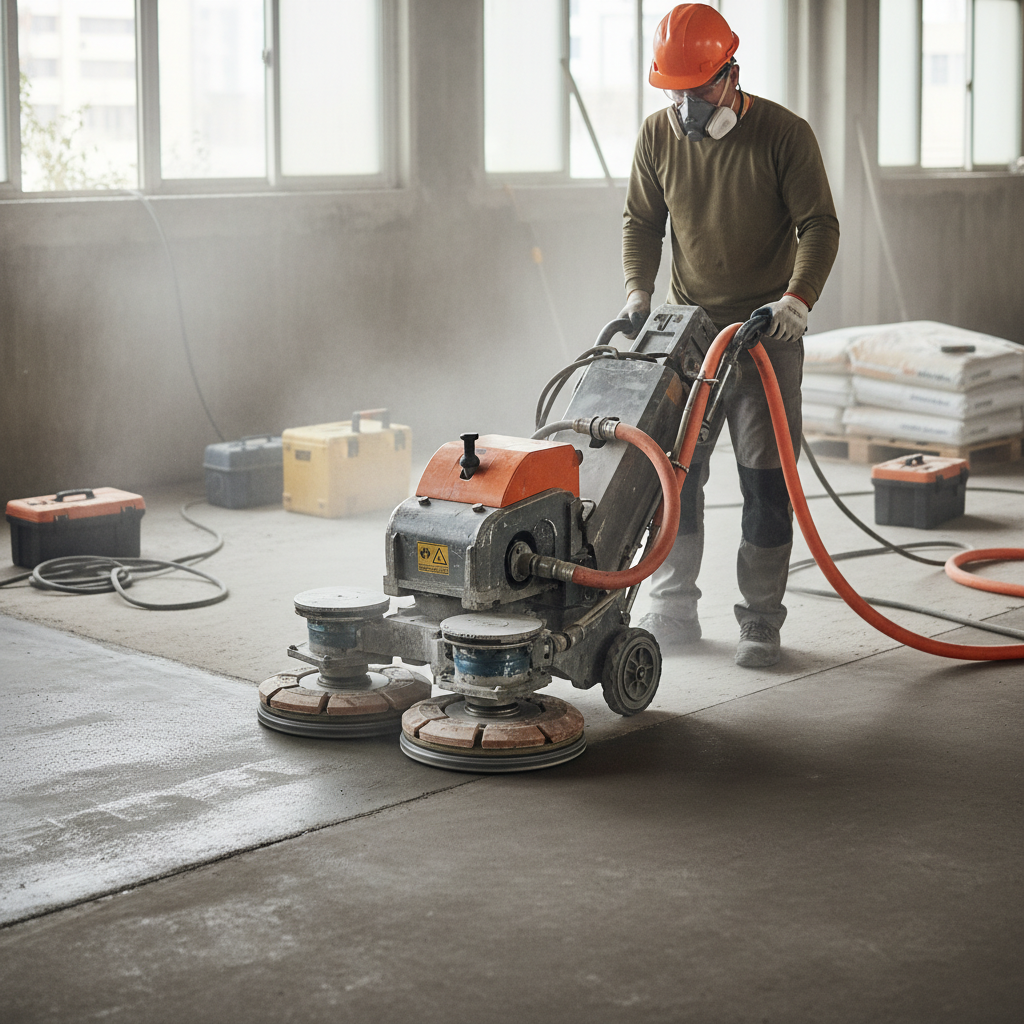
• Concrete Grinding & Polishing
• Marine Vessel Polishing
• Floor Care & Restoration
Choosing the Right 10 Inch Buffer Pad: A Comparison
Selecting the ideal 10 inch buffer pad depends on the task at hand. Foam pads are best for applying polish and wax, providing a gentle and even finish. Wool pads are more aggressive and are ideal for removing scratches and oxidation. Microfiber pads offer a middle ground, suitable for both cutting and polishing. The density of the foam or the pile height of the wool also impacts the pad’s aggressiveness. Consider the severity of the imperfections and the desired level of gloss when making your choice. Browse our selection to find the perfect pad for your project.
Key Considerations When Using 10 Inch Buffer Pads
Proper pad maintenance is crucial for maximizing its lifespan and performance. Regularly clean your pads with a pad cleaner to remove compound residue and contaminants. Avoid using harsh chemicals that can damage the pad's material. Also, inspect the pad for wear and tear before each use, replacing it when necessary. Using a worn pad can result in uneven polishing and potentially damage the surface. Consider using a pad driver to ensure a secure and consistent attachment to your buffer.
Product Specifications & Common Sizes
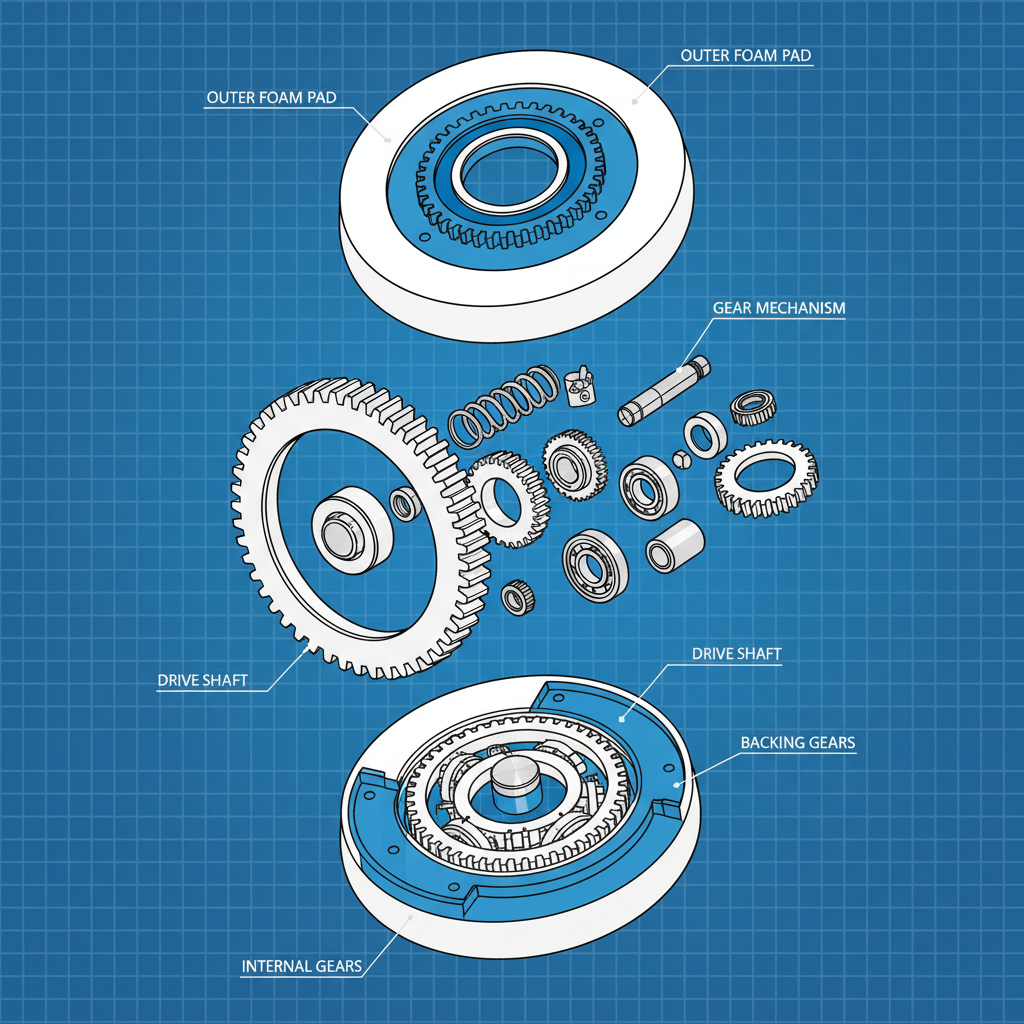
Most 10 inch buffer pads feature a standard 5/8-11 thread attachment, making them compatible with a wide range of rotary and dual-action polishers. They are generally constructed with a hook and loop backing for easy attachment and removal. The thickness of the pad can vary depending on its intended use, with thicker pads providing more cushioning and support. Find your perfect fit at Diamond Blade.
Conclusion: Achieving a Professional Finish with the Right Pad
Investing in quality 10 inch buffer pads is essential for achieving professional-quality results in a variety of applications. By understanding the different types of pads, their applications, and proper maintenance techniques, you can ensure a flawless finish every time. Diamond Blade is your trusted source for premium buffer pads and polishing solutions.
Frequently Asked Questions (FAQs)
How often should I clean my 10 inch buffer pad?
Ideally, you should clean your buffer pad after each use, or even multiple times during a single project if you’re working with heavy compounds. Cleaning removes built-up residue that can diminish the pad’s effectiveness and potentially scratch the surface. Use a dedicated pad cleaning brush or pad washer with a pad cleaning solution. Regularly cleaning extends the life of the pad and ensures consistent performance. Neglecting pad cleaning can lead to swirl marks and an uneven finish.
What's the difference between a cutting pad and a polishing pad?
A cutting pad is designed for removing imperfections like scratches, oxidation, and swirl marks. These pads are typically made of wool or a more aggressive foam and have a coarser surface texture. Polishing pads, on the other hand, are used to refine the surface after cutting, creating a high-gloss finish. They're typically made of softer foam with a finer texture. Using the wrong pad can damage the surface or fail to achieve the desired results. Always start with a cutting pad if necessary, followed by a polishing pad.
Can I use a 10 inch buffer pad with a dual-action polisher?
Yes, most 10 inch buffer pads are compatible with both rotary and dual-action polishers, as long as they have the standard 5/8-11 thread attachment or hook and loop backing. However, the technique and compounds used will differ slightly between the two types of polishers. Dual-action polishers are generally safer for beginners as they are less likely to burn through the paint.
How do I know when it's time to replace my buffer pad?
If your pad becomes hard, glazed over, or begins to tear, it’s time to replace it. Also, if you notice the pad is no longer effectively removing imperfections or creating a consistent finish, it's likely worn out. Regular inspection for wear and tear is crucial. Continuing to use a worn pad can damage the surface you’re working on and ultimately cost you more time and money.
Related Products
Related Products





Address
No.30 Gaoying Road ,Chang'an District,Shijiazhuang,Hebei Province
Business Hours
Mon to Saturday : 8.00 am - 7.00 pm
Sunday & Holidays : Closed
.png )