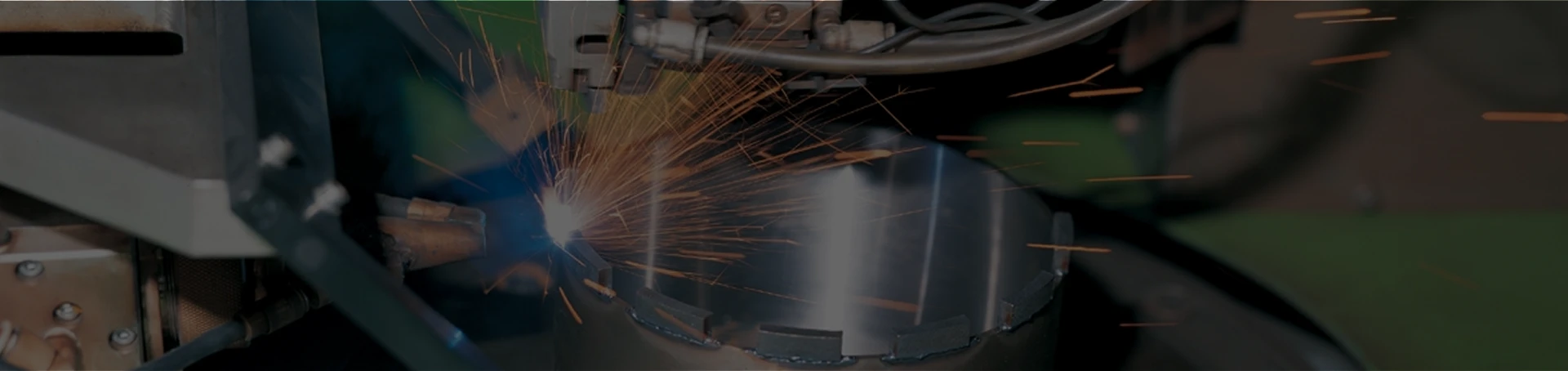
Comprehensive Guide to Diamond Cutting Disc Sizes for Construction and Industry
Why Getting to Grips with Diamond Cutting Disc Sizes Matters Globally
Diamonds aren’t just about sparkling jewels—they’re at the heart of some of the toughest cutting and grinding tasks in industry today. Specifically, the size of a diamond cutting disc can make or break a job, whether someone's building skyscrapers, carving through stone for monuments, or even responding to urgent disaster recovery efforts.
Understanding diamond cutting disc sizes is essential not only for tool manufacturers and construction professionals but for anyone invested in efficiency, safety, and cost-effectiveness on project sites worldwide. If you're scratching your head wondering why the disc size must matter so much, well, it’s about striking the right balance between power, precision, and risk management. Plus, the right size means fewer breakdowns and a much happier contractor.
The Global Context: Why Diamond Cutting Disc Sizes Are More Relevant Than Ever
Globally, the construction and manufacturing industries are booming. The World Bank reports that infrastructure spending is increasing rapidly, especially in emerging markets. Streets, tunnels, and energy projects need to be built faster, stronger, and smarter. Diamond cutting discs, particularly their sizes, play an underrated but pivotal role here.
ISO standards (like ISO 603 and ISO 11547) have made clear guidelines on cutting tools, but “one size fits all” certainly doesn’t apply. Discs come in a wide range of diameters, each tailored to specific machines and scenarios. Choosing the wrong size leads to inefficiency and safety issues — suppliers and operators complain about inconsistent sizing practices worldwide.
Oddly enough, while the technology behind diamond coatings has advanced fast, many operators still struggle finding the right disc size for varied jobs in places as diverse as South America’s mining belts and Europe’s urban renewal zones. A mismatch not only wastes money but causes downtime and hazards.
What Exactly Are Diamond Cutting Disc Sizes?
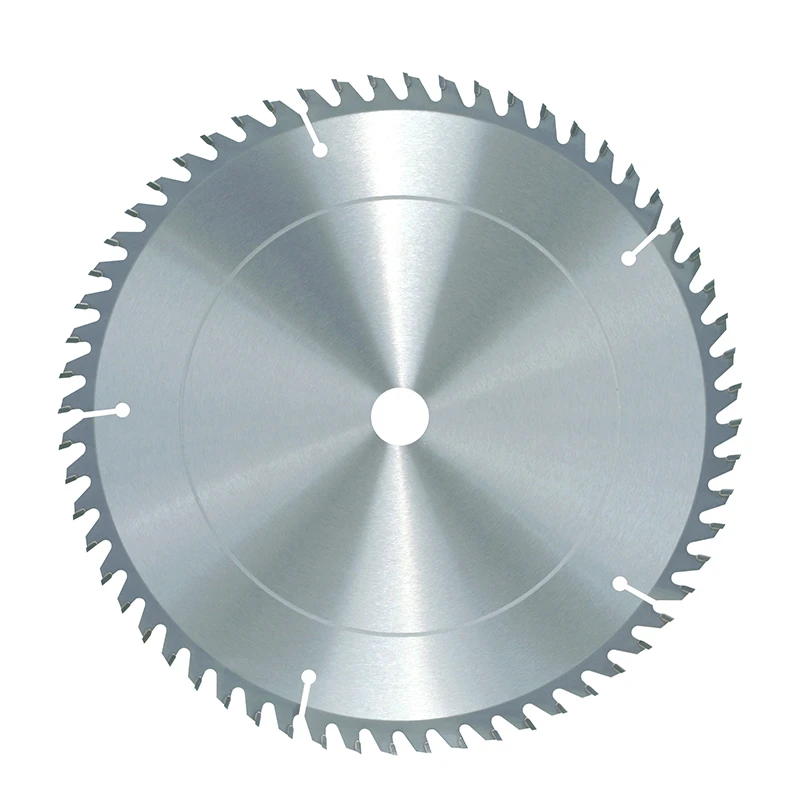
Simply put, diamond cutting disc sizes refer to the diameter of the circular blade used for cutting hard materials such as concrete, stone, asphalt, and ceramics. These discs are made by embedding industrial-grade diamonds into the metal matrix, enabling them to tackle some of the hardest substances known.
The size, usually measured in millimeters or inches, affects everything — how deep the blade cuts, the rotational speed it requires, and the type of equipment it fits onto. From a small 115 mm blade perfect for precision tile cutting to heavy-duty 400 mm discs on road construction saws, each size serves its own purpose in the industry.
Beyond the cutting depth and speed, these sizes indirectly influence wear rates and dust control measures — again, all practical considerations on site.
Key Factors Affecting Diamond Cutting Disc Sizes
1. Durability and Wear Resistance
The bigger the disc, sometimes, the more robust it needs to be. Engineers often tweak the diamond grit size and bonding matrix to balance longevity. Large discs for heavy-duty use might have coarser diamonds and a tougher bond to deal with vibrations and heat.
2. Cutting Speed and Motor Compatibility
Each size is paired to the saw’s power and maximum rotational speed (RPM). A 230 mm blade can safely spin at higher RPMs than a 400 mm one, so choosing the right disc size ensures optimal cutting speed without risking catastrophic failures.
3. Application Specificity
Precise cuts for tiles or bricks demand small discs with fine diamond grit, while tunnels and demolition work require larger discs that cut deeper and faster. Misjudging this can delay entire projects.
4. Cost Efficiency
Smaller discs cost less upfront and waste less material when replaced, but for large-scale infrastructure, they don’t cut deep enough to be practical. Conversely, oversized discs can be expensive and require more powerful, costly machinery.
5. Safety and Ergonomics
Handling giant discs can be hazardous if not mounted and balanced correctly. Awareness of disc size ensures operators work safely—especially on uneven or restricted terrain where maneuverability matters.
Mini takeaway: Choosing the right diamond cutting disc size requires juggling durability, speed, application demands, cost, and safety — a multi-dimensional puzzle worth solving carefully.
Applications Around the World: Where and How Diamond Cutting Disc Sizes Make a Difference
In the bustling construction sites of Dubai, giant 400-500 mm diamond discs cut through reinforced concrete to build skyscrapers faster than ever. Meanwhile, in Europe’s intricate restoration of heritage stonework, smaller 125-150 mm discs let craftsmen make delicate, precise cuts without destroying historical details.
Mining operations in South Africa rely on massive discs for quick rock slicing, optimizing output and safety underground. In emergency relief settings—say, after earthquakes in Southeast Asia—portable saws with mid-size 230 mm discs assist responders cutting through rubble quickly, facilitating rescues and clearing paths.
Organizations like the UN and Red Cross recommend certain disc sizes for rapid deployment toolkits because they balance versatility with power, making them suitable for unpredictable disaster environments.
Table 1: Typical Diamond Cutting Disc Sizes and Specifications
| Disc Diameter (mm) | Max RPM | Typical Material Cut | Common Applications | Average Price (USD) |
|---|---|---|---|---|
| 115 | 13,300 | Tiles, Bricks | Small cutters, handheld saws | $15-$25 |
| 230 | 6,600 | Concrete, Asphalt | Walk-behind saws, angle grinders | $30-$50 |
| 350 | 4,300 | Heavy Concrete, Stone | Roadwork, Excavation | $60-$90 |
| 400+ | 3,600 | Bulk Demolition, Rock | Industrial Saws, Tunneling | $100+ |
Comparing Leading Vendors: What to Look For Beyond Size
| Vendor | Available Sizes (mm) | Application Focus | USP (Unique Selling Point) | Price Range |
|---|---|---|---|---|
| DiamondPro Tools | 115-400 | General construction | Long-lasting matrix technology | $20-$110 |
| CutX Precision | 115-230 | Tile & masonry | Optimal for precision & minimal chipping | $15-$55 |
| RockMaster | 230-500 | Mining & heavy industry | Custom rebonding for extreme environments | $40-$130 |
Advantages & Long-Term Benefits of Choosing the Right Diamond Cutting Disc Sizes
- Reduced Material Waste: Proper sizing means cuts are clean, align exactly with design specs, and reduce rework.
- Enhanced Safety: Knowing the disc size limits means fewer accidents due to equipment failure.
- Optimized Costs: Right sizing lowers operational costs by minimizing downtime and extending tool life.
- Environmental Impact: Efficient disc use lowers energy consumption and dust production—something increasingly regulated worldwide.
- Trust & Innovation: Using optimized sizes makes teams more confident—often leading to faster innovation cycles and higher project morale.
Looking Ahead: Trends Shaping Diamond Cutting Disc Sizes
Emerging technologies are transforming diamond disc design. Manufacturers experiment with nano-diamond coatings that extend blade life by up to 50%. Automation and AI-powered saws now adjust RPM and cutting force dynamically, optimizing disc wear and fit in real time.
There’s also growing demand for eco-friendly discs made from recycled metals and synthetic diamonds, reflecting global pushes for greener construction practices. I suppose it’s only a matter of time before discs get “smart” themselves — self-diagnosing wear and alerting users to replacement needs.
Challenges and How Industry Experts Are Responding
One persistent challenge is standardization. Different regions often use varying sizing conventions (metric vs imperial), confusing operators and suppliers. Some vendors are pushing ISO harmonization forward, which should simplify cross-border procurement.
Another issue is counterfeit or substandard discs in online marketplaces — a problem that compromises safety and quality. Experts recommend sourcing from reputed manufacturers with transparent specs and proven testing protocols.
Lastly, training on correct disc selection is surprisingly uneven. Integrating size education into certification programs (like OSHA or CE training) can close this gap, improving on-site decision-making.
FAQ: Frequently Asked Questions About Diamond Cutting Disc Sizes
- How do I know what diamond cutting disc size fits my saw?
- Check the manufacturer’s manual or the saw label — it will list the maximum and minimum disc diameters compatible. Also, ensure RPM limits align with the disc specs to maintain safety and performance.
- Can a smaller disc cut as effectively as a larger one?
- Smaller discs can be more precise and easier to control, but they cut less deeply and may require more passes on thick material. Larger discs suit heavy-duty jobs but might be less maneuverable.
- Are there universal standards for diamond cutting disc sizes?
- There are ISO standards relevant to cutting tools (like ISO 603), but regional variations exist. Always verify measurements and compatibility before purchase to avoid mismatches.
- What is the average lifespan of a diamond cutting disc?
- This depends on size, material hardness, blade quality, and usage frequency. Typical lifespan ranges from a few hundred meters of cut for small discs to thousands for larger, industrial ones.
- Where can I find detailed info on all diamond cutting disc sizes?
- For in-depth product catalogs and technical data, visit specialized suppliers online, such as the one here: diamond cutting disc sizes.
Wrapping Up: Why Picking the Right Diamond Cutting Disc Size Is a Game-Changer
Long-term, knowing your diamond cutting disc sizes inside out affects everything from cutting quality to project timelines and safety. Whether you’re a contractor, engineer, or procurement manager, it pays to keep these insights handy. You’ll not only save money but increase trust among teams and stakeholders and play your part in pushing construction standards forward sustainably.
Curious to get the perfect disc for your next job? Visit our website today: diamond cutting disc sizes to explore a comprehensive range of options tailored for your needs.
References:
Related Products
Related Products





Address
No.30 Gaoying Road ,Chang'an District,Shijiazhuang,Hebei Province
Business Hours
Mon to Saturday : 8.00 am - 7.00 pm
Sunday & Holidays : Closed
.png )