Comprehensive Guide to Selecting the Best Buffing Pad for Grinder Applications
Choosing the Right Buffing Pad for Grinder: A Comprehensive Guide
Selecting the appropriate buffing pad for grinder is crucial for achieving a professional finish on your projects. With a vast array of options available, understanding the different types, materials, and applications can be overwhelming. This guide will provide a detailed overview to help you make an informed decision, ensuring optimal performance and longevity. Whether you're polishing metal, stone, or other materials, the right pad can significantly impact the quality of your work. We'll explore the key factors to consider when choosing a buffing pad, from grit selection to pad shape.
Understanding the Different Types of Buffing Pads
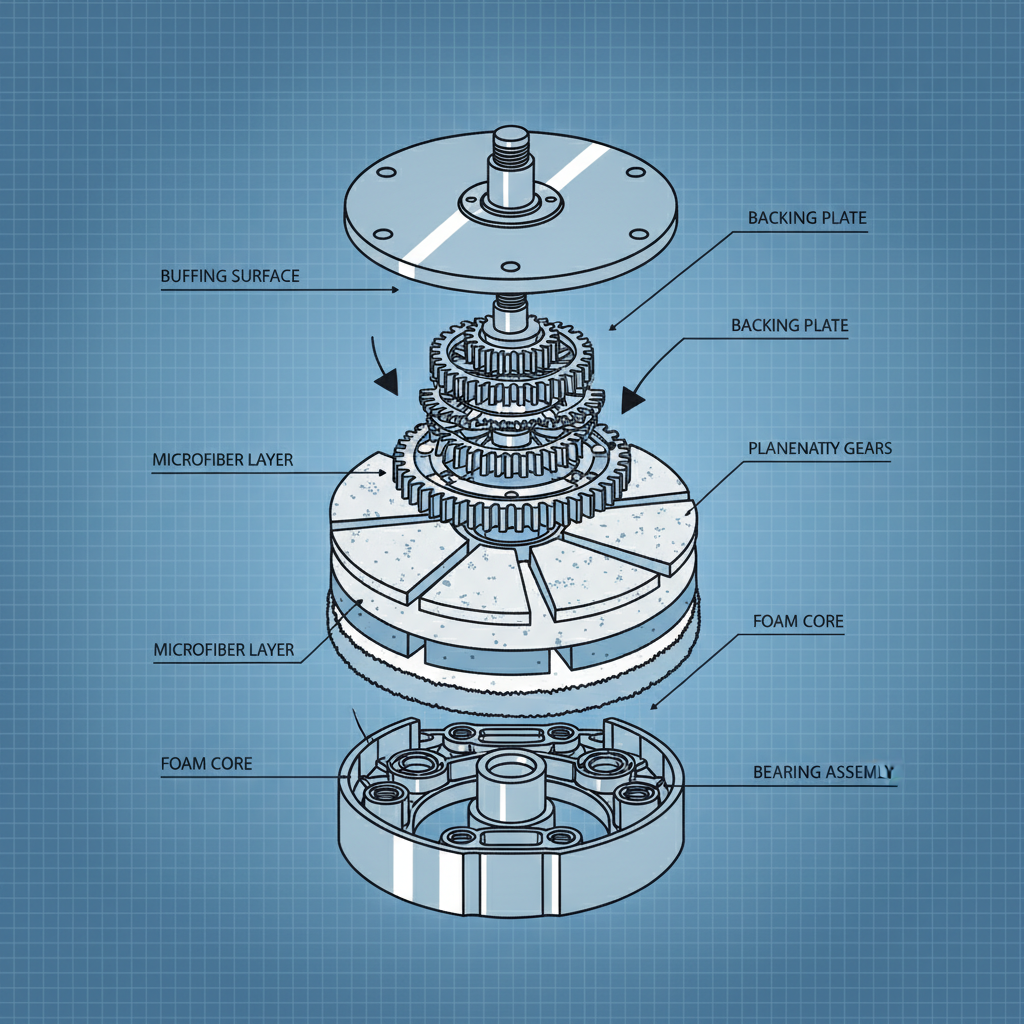
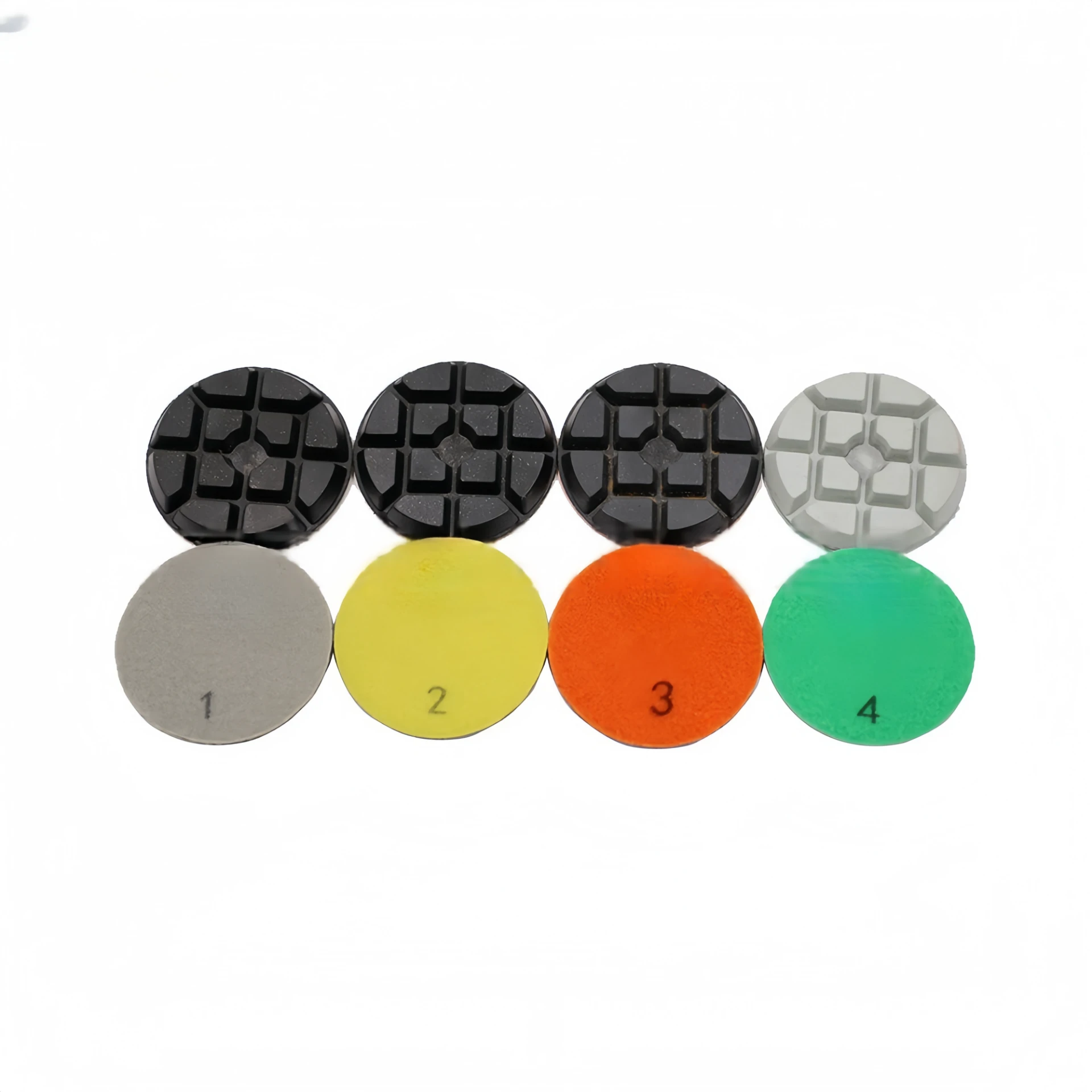
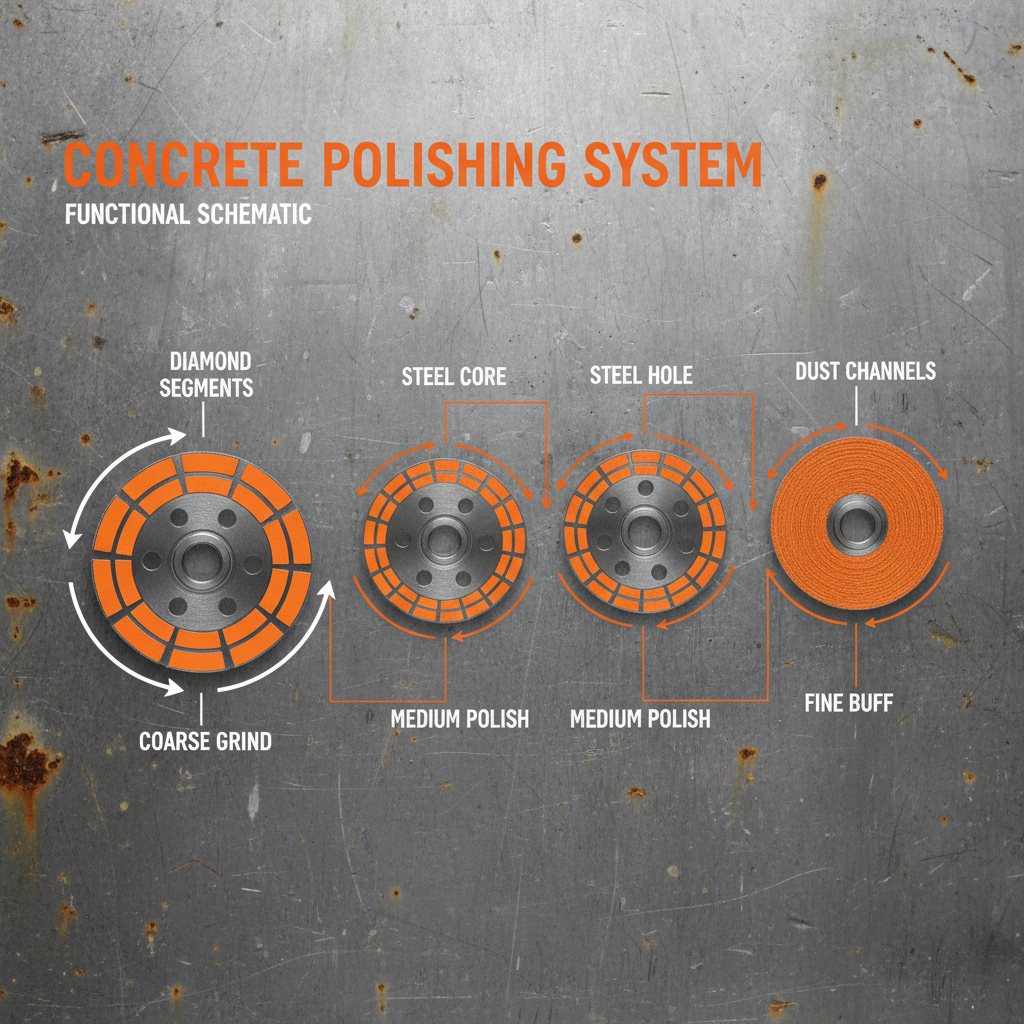
Buffing pads come in various types, each designed for specific applications and materials. Sewn pads are a popular choice, offering durability and consistent performance. Bonded pads provide a more aggressive cut and are ideal for removing heavier imperfections. Flap discs are excellent for contouring and blending, while surface conditioning discs offer a finer finish. The material of the pad also plays a significant role, with wool, cotton, and synthetic options each possessing unique characteristics. Choosing the right type of pad depends on the material you’re working with and the desired level of polish.
Key Highlights: Understanding the different types of buffing pads allows for precise material removal and polishing. Selecting the right type ensures efficient and effective results.
Material Matters: Wool vs. Cotton vs. Synthetic Pads
The material of your buffing pad for grinder significantly impacts its performance. Wool pads are known for their ability to generate heat, making them ideal for polishing softer metals like aluminum. Cotton pads offer a cooler polishing action and are well-suited for harder materials such as steel and stainless steel. Synthetic pads provide a consistent finish and are resistant to loading, meaning they don't clog up as easily. The best material for your application depends on the material you’re polishing, the desired level of finish, and the heat sensitivity of the material.
Material Comparison:
• Wool: Generates heat, best for soft metals.
• Cotton: Cooler polishing action, ideal for hard metals.
• Synthetic: Consistent finish, resistant to loading.
Buffing Pad for Grinder Grit Selection: Achieving the Perfect Finish
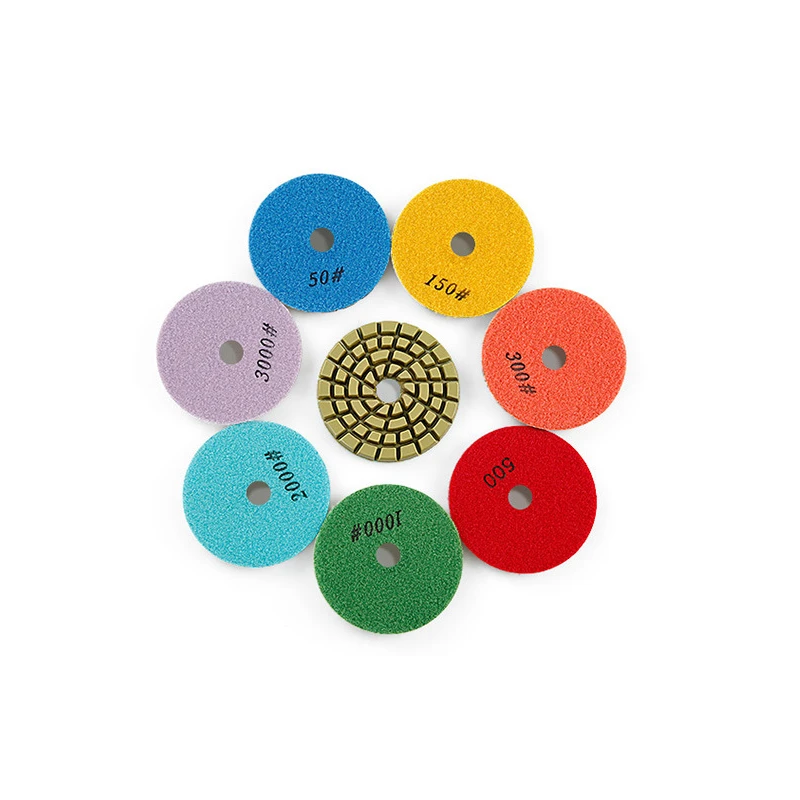
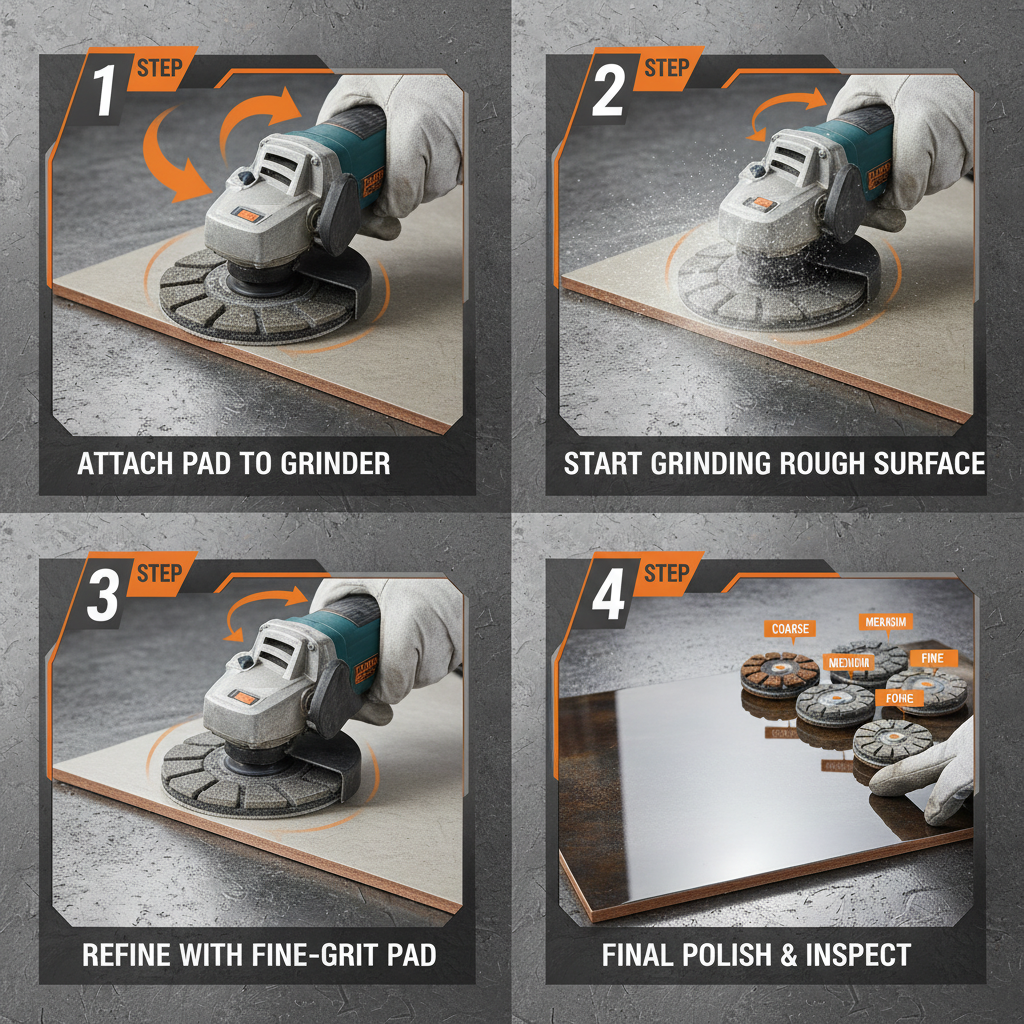
The grit of your buffing pad determines the level of material removal and the final finish. Coarser grits (lower numbers) are used for aggressive cutting and removing deep scratches, while finer grits (higher numbers) are used for polishing and achieving a mirror-like shine. It’s crucial to work through a series of grits, starting with a coarser grit to remove imperfections and gradually moving to finer grits for polishing. Using the wrong grit can result in a poor finish or damage the surface. Always follow the manufacturer's recommendations for grit progression.
Pad Shape and Size: Adapting to Your Project
The shape and size of your buffing pad for grinder are equally important. Flat pads are versatile and suitable for large, flat surfaces. Conical pads are ideal for reaching tight corners and contours. Pointed pads are best for detail work and small areas. The size of the pad should be appropriate for the size of the grinder and the surface you’re working on. Using a pad that's too large or too small can make it difficult to control and achieve a consistent finish.
Choosing the Right Pad: A Quick Guide
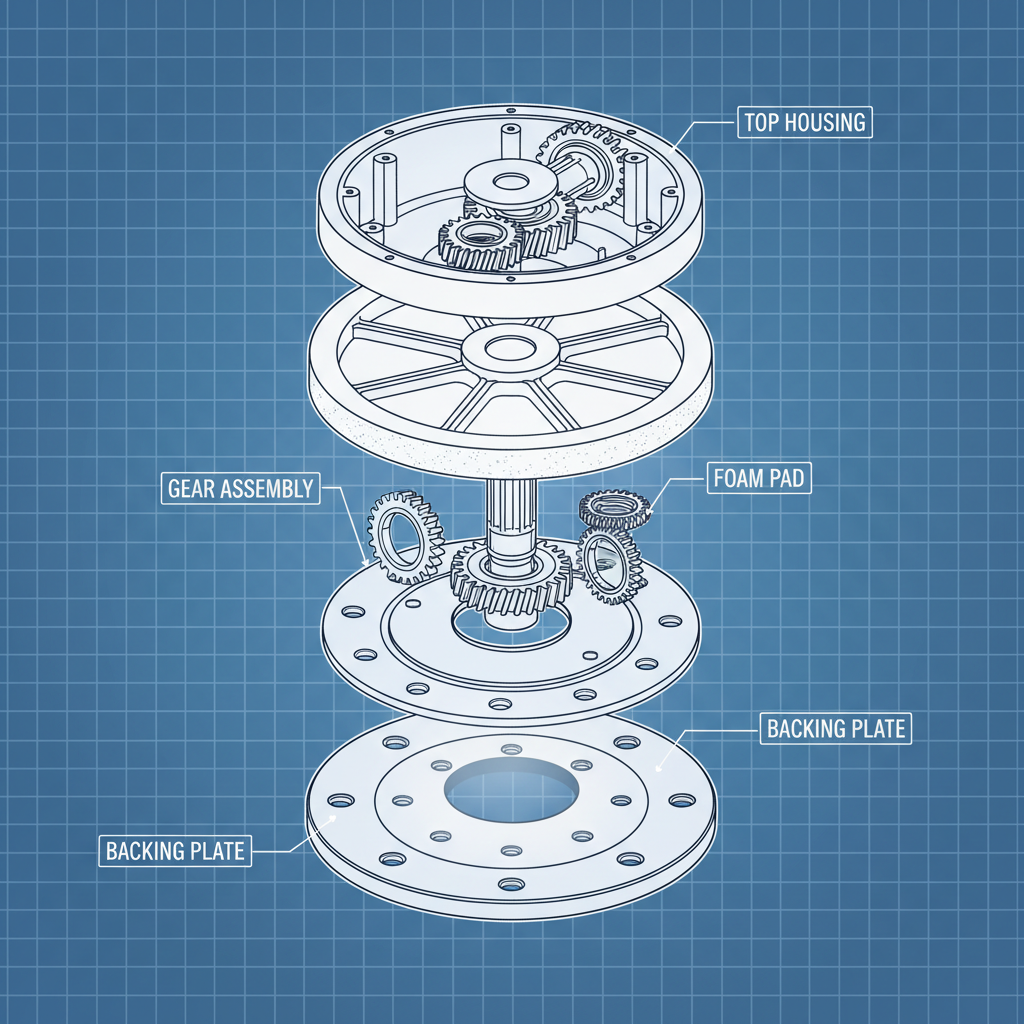
Selecting the ideal buffing pad for grinder requires careful consideration of your specific needs. Consider the material you’re working with, the desired level of finish, and the shape and size of the surface. Don’t hesitate to experiment with different types and grits to find the combination that delivers the best results. Investing in high-quality pads will save you time and effort in the long run and ensure a professional-looking finish. At MyDiamondBlade.com, we offer a wide range of buffing pads to suit every application.
Conclusion: Achieving Superior Finishes with the Right Buffing Pad
Choosing the right buffing pad is critical for achieving a high-quality finish. Understanding the different types, materials, grits, and shapes available allows you to tailor your approach to any project. By investing in the appropriate tools and techniques, you can significantly improve the results and save time and effort.
Frequently Asked Questions (FAQs)
How often should I replace my buffing pad?
The lifespan of a buffing pad depends on its usage and the materials being polished. Regularly inspect your pad for wear and tear, such as tearing, contamination, or a loss of abrasive material. Replace the pad when it no longer delivers the desired results or if it becomes damaged. Generally, pads used for aggressive cutting will wear out faster than those used for polishing. Keeping your pad clean and free of debris can extend its lifespan.
What is "loading" and how can I prevent it?
"Loading" refers to the buildup of polished material within the pad, reducing its cutting ability and efficiency. To prevent loading, use a pad cleaning stick or brush regularly during use. Choose pads designed to resist loading, such as synthetic pads. Avoid applying excessive pressure, which can accelerate the loading process. Periodically clean the workpiece to remove loose debris that could contribute to loading.
Can I use the same buffing pad for different materials?
It's generally not recommended to use the same buffing pad for different materials. Contamination from one material can affect the performance of the pad on subsequent materials. For example, using a pad on steel and then on aluminum can transfer steel particles to the aluminum, causing scratches. It's best to dedicate specific pads to specific materials to ensure optimal results and avoid cross-contamination.
What safety precautions should I take when using a buffing pad?
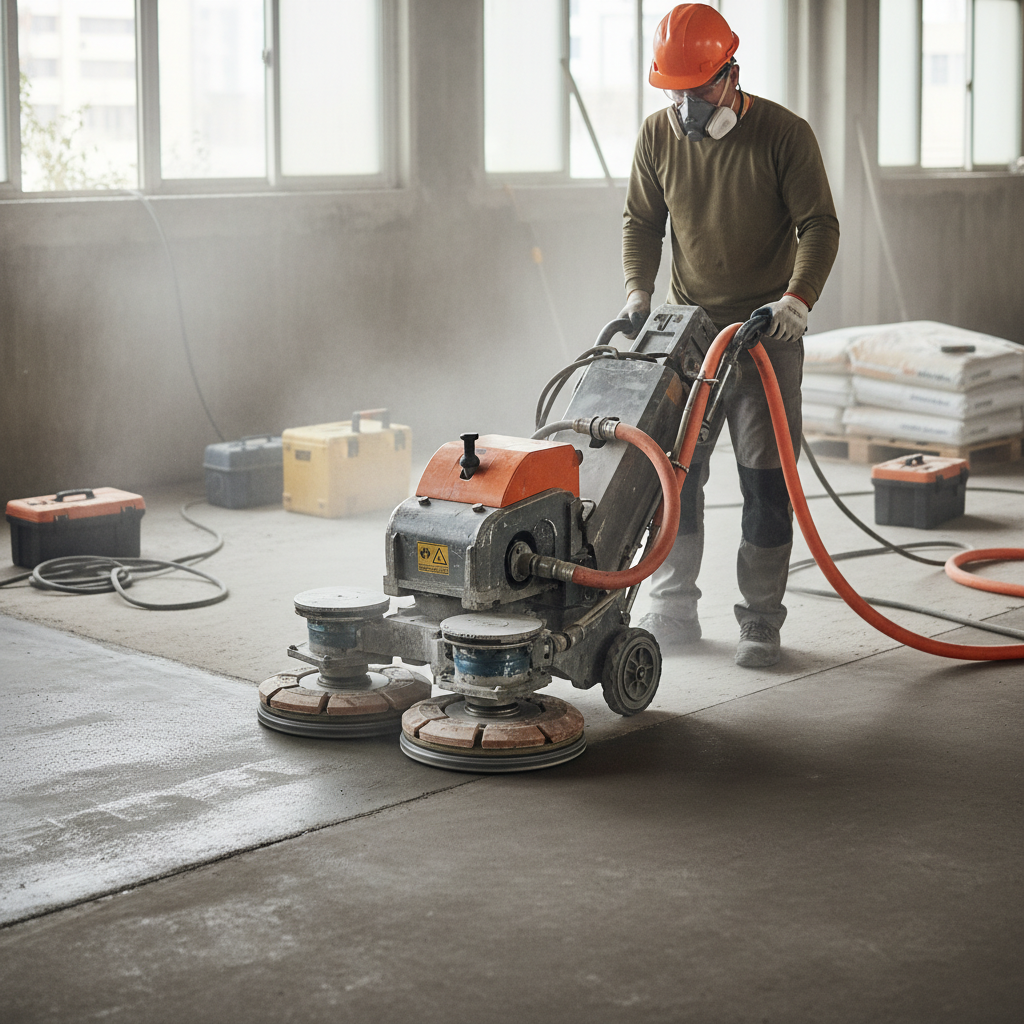
Always wear appropriate safety gear, including safety glasses, a dust mask, and gloves. Ensure the grinder is properly grounded and the workpiece is securely clamped. Never exceed the maximum speed rating of the buffing pad or the grinder. Avoid loose clothing or jewelry that could get caught in the rotating pad. Be aware of the potential for sparks and flammable materials.
Related Products
Related Products





Address
No.30 Gaoying Road ,Chang'an District,Shijiazhuang,Hebei Province
Business Hours
Mon to Saturday : 8.00 am - 7.00 pm
Sunday & Holidays : Closed
.png )