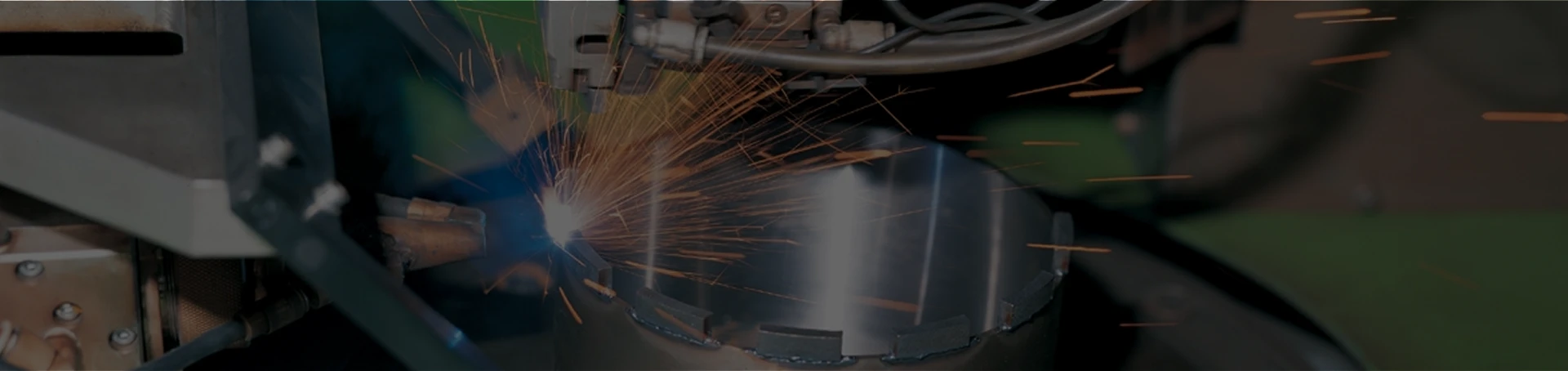
Diamond Blade Used For – Ultimate Guide to Precision Cutting Tools
Diamond Blade Used For: Cutting Through Challenges with Precision
When it comes to cutting tough materials with laser-like accuracy, few tools have the reputation and versatility of the diamond blade. Whether you're a contractor, a tile setter, or an industrial machine operator, understanding the diamond blade used for applications can save time, reduce costs, and improve the quality of your work.
Globally, industries from construction to mining depend on diamond blades to slice through concrete, asphalt, and even ceramics with remarkable efficiency. As urbanization speeds up and infrastructure projects grow, the demand for reliable cutting tools only rises. But beyond just cutting power, diamond blades represent an innovative blend of engineering and materials science — a small but mighty hero in the toolkit.
Why Are Diamond Blades So Globally Relevant?
The world is rapidly urbanizing, with over 56% of the global population living in cities as of 2020 (source: UN Urbanization Report). This boom puts pressure on infrastructure, requiring rapid construction and maintenance. Diamond blades are essential in this context because of their unmatched ability to handle modern building materials — which often beat traditional stone or wood in hardness and durability.
Take concrete, for instance. It’s notoriously hard to cut, and inefficient tools can mean delays and extra expenses — a headache nobody wants on a tight schedule. Diamond blades address this problem head-on by offering longer-lasting cutting edges and more precise results, helping projects stay on track and under budget. Plus, given the rise of green buildings and recycled materials, diamond blades help professionals adapt to new material challenges without compromising speed.
What Exactly Is a Diamond Blade Used For?
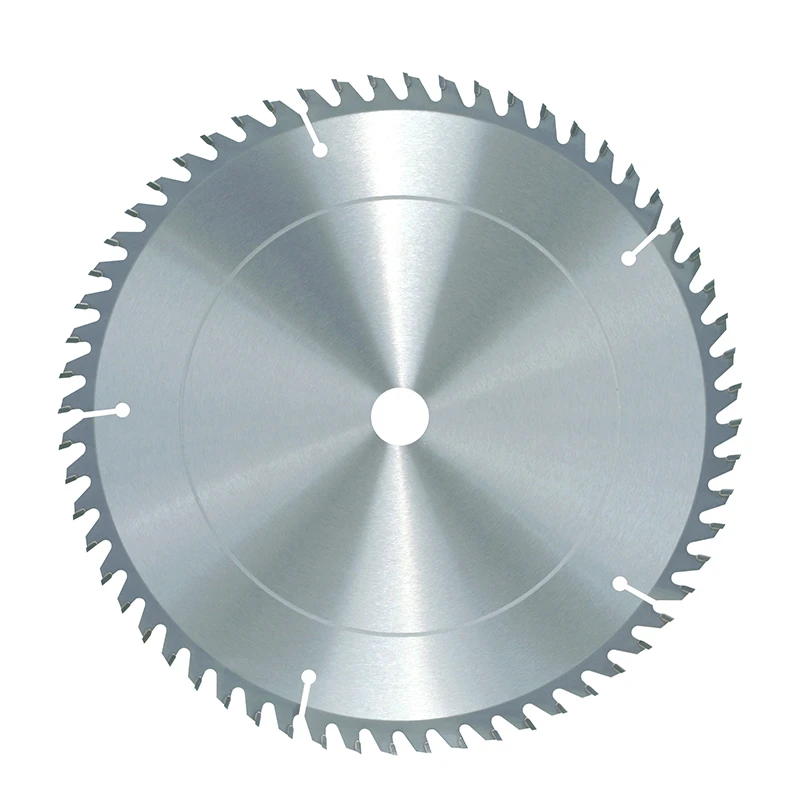
Simply put, a diamond blade is a saw blade with diamonds embedded in its cutting edge. Unlike regular blades, these gemstones (synthetic or natural) enable the blade to grind through some of the hardest substances out there.
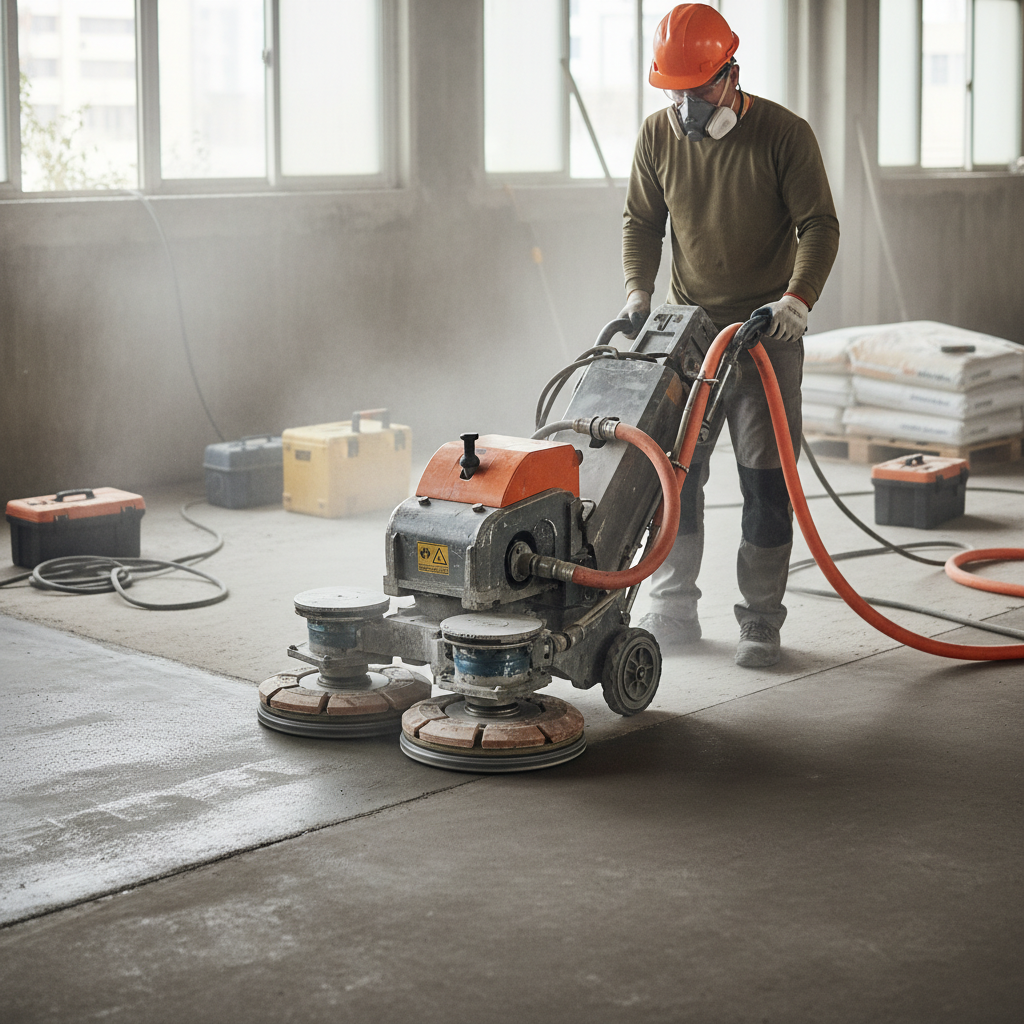
In practical terms, diamond blades are used for cutting concrete, masonry, asphalt, tiles, ceramics, glass, and even some metals. The diamond grit provides a coarse, abrasive surface that doesn’t wear down quickly, ensuring continued sharpness. In industrial applications, they're indispensable for tasks like road repairs, mining ore extraction, or precision cutting of stone tiles.
Their relevance stretches beyond construction — medical devices and aerospace components sometimes use diamond blades for ultra-fine cutting, though these are highly specialized variations.
Core Components and Key Factors of Diamond Blades
1. Durability
Diamond blades are engineered to last longer than traditional blades, thanks to the hardness of the diamond grit and quality bonding materials. This durability reduces downtime for blade changes — which, if you’ve ever been on a busy job site, you know can be a lifesaver.
2. Cutting Speed
Thanks to the abrasive diamonds, these blades slice through hard materials faster than most alternatives. In real terms, this increased speed directly translates into cost savings and faster project completion.
3. Versatility
From wet cutting on concrete slabs to dry cutting glass tiles, diamond blades come in various designs tailored for different materials and conditions. This flexibility means fewer blade swaps and more efficiency.
4. Cost Efficiency
While diamond blades can seem pricier upfront, their longevity and cutting power make them economically smart over the long run, minimizing blade replacements and material wastage.
5. Safety
Diamond blades reduce kickback and vibration during cuts, which not only improves cutting accuracy but also enhances operator safety.
Diamond Blade Specifications: A Quick Reference
| Feature | Specification Range | Typical Application |
|---|---|---|
| Blade Diameter | 4" to 14" (100mm to 350mm) | Handheld & walk-behind saws |
| Segment Height | 5mm to 12mm | All-generally heavy-duty cutting |
| Segment Type | Continuous rim, segmented, turbo | Tile, concrete, asphalt, mixed |
| Bond Type | Soft, medium, hard (based on application) | Material hardness matching |
| Max RPM | Up to 7000 RPM | Speed and safety compliance |
How Do Different Vendors Stack Up for Diamond Blades?
Choosing the right supplier can mean the difference between a well-executed project and constant headaches. Here’s a quick vendor comparison beyond just price, focusing on quality, innovation, and service.
| Supplier | Range of Products | Innovation Level | Customer Support | Price Range |
|---|---|---|---|---|
| DiamondPro | Extensive (tiles, concrete, metal) | High (patented bond tech) | 24/7 Multilingual Support | Premium |
| CutRight Tools | Moderate (focus on construction) | Medium (eco-friendly production) | Business hours only | Budget-friendly |
| BladeMakers Inc. | Niche (industrial & mining) | High (custom alloys) | Dedicated account managers | Mid-Range |
Global Applications & Real-World Use Cases
Oddly enough, the diamond blade quietly makes itself indispensable worldwide—from cramped urban construction sites in Mumbai to remote mining operations in Australia. In climate-sensitive areas like Scandinavia, the blades’ precision enables minimal material wastage, contributing to sustainability goals.
In post-disaster relief operations, teams rely on diamond blades to quickly cut debris and open pathways, enabling faster humanitarian response. Meanwhile, tile installers in the Mediterranean prefer continuous rim blades for neat ceramic cuts vital to upscale restorations. Even remote industrial zones benefit, where diamond blades help cut custom parts on-site, avoiding costly transport and delays.
- Construction Industry: Cutting reinforced concrete, asphalt roads, and stone facades.
- Mining: Extracting ore and shaping stone slabs.
- Tile & Ceramics: Precision cutting for intricate design work.
- Glass Manufacturing: Fine cutting of glass panels and elements.
Mini takeaway: The diamond blade is versatile across geographies and industries, marrying precision with endurance.
Advantages & Long-Term Value of Diamond Blades
It might sound cliché, but diamond blades pay for themselves. Here’s how:
- Cost Savings: Less blade replacement and faster cuts reduce labor costs.
- Sustainability: Longer-lasting blades mean less waste, aligning with green initiatives.
- Safety & Reliability: Lower vibration and kickback minimize accidents and improve quality.
- Social Impact: Faster infrastructure build means communities get quicker access to roads, hospitals, or homes.
Emotionally, many users trust their diamond blades like old friends — tools that never disappoint when the pressure is on. It’s this trust that translates into smoother projects and less stress for professionals.
Looking Forward: Trends and Innovations in Diamond Blading
The future feels exciting. New synthetic diamond technologies promise even harder grit, while bonding materials are becoming eco-friendlier and more adaptable to different materials.
Automation also plays a role — smart saws equipped with sensors can optimize blade speed and pressure, extending lifespan and improving cut quality. There’s talk of hybrid blades combining diamond grit and other abrasives for specialized jobs, plus recycling programs to reuse worn blades responsibly.
Challenges & Smart Solutions
Of course, diamond blades aren’t perfect. They’re costly initially, and choosing the wrong bond for a material can ruin a blade quickly — a frustrating scenario on any job site.
But innovation continues to lower barriers: modular blade designs make segment replacements cheaper, and better training teaches users how to match blades to job specifics. Plus, manufacturers develop cutting guides and apps to simplify blade selection — a handy helper when you’re juggling a dozen jobs.
FAQ: Your Questions About Diamond Blade Used For
- What materials can a diamond blade cut?
- Diamond blades excel at cutting hard materials like concrete, asphalt, stone, ceramics, and glass. Some specialized blades can even cut metals. Their versatility depends on the diamond grit size and bond type.
- How do I choose the right diamond blade for my project?
- Consider the material to be cut, blade diameter, segment type (continuous, turbo, segmented), and whether you need wet or dry cutting. If unsure, consult manufacturer guides or reach out to supplier experts.
- Can diamond blades be used for wet and dry cutting?
- Yes! Many blades are designed specifically for wet cutting (which reduces dust and heat) or dry cutting (more portable). Using the correct method increases blade life and safety.
- Why do diamond blades cost more than regular blades?
- You’re paying for superior materials — diamond grit and strong bonds — plus their longevity and efficiency. Over time, they’re often more economical due to fewer replacements.
- Are diamond blades eco-friendly?
- New manufacturing processes are making diamond blades more sustainable by using synthetic diamonds and recyclable bonds, reducing raw material waste and extending blade lifespan.
Conclusion: Why Diamond Blades Matter More Than Ever
From bustling urban centers to remote industrial sites, the diamond blade used for cutting embodies precision, reliability, and innovation. They help build the infrastructure of tomorrow while respecting the planet and budgets. If you’re looking to invest in quality tools, diamond blades stand out as a trustworthy choice that pays dividends over time.
Curious to explore the latest diamond blade technology and find the perfect fit for your next project? Visit our website — we’re here to help cut through complexity.
Mini takeaway: Think of a diamond blade as a silent partner on every project — sharp, steady, and smart.
References
Related Products
Related Products




Address
No.30 Gaoying Road ,Chang'an District,Shijiazhuang,Hebei Province
Business Hours
Mon to Saturday : 8.00 am - 7.00 pm
Sunday & Holidays : Closed
.png )