
Diamond Cut Marble – Precision Crafting for Timeless Elegance and Durability
Diamond Cut Marble: A Modern Edge to Timeless Stone
Every so often, a well-honed craft meets technological innovation, and the results redefine an industry. Diamond cut marble is exactly one of those intersections where tradition and technology collide to produce something both beautiful and practical — a cutting-edge technique literally carved out of tradition. Why does this matter globally? Marble has long been an icon of architectural grandeur and cultural heritage, but the way we shape and finish it has evolved significantly. Understanding diamond cut marble isn’t just for architects or designers; it’s vital for anyone involved in construction, restoration, or even humanitarian infrastructure, given its durability, aesthetic value, and cost-efficiency.
In essence, diamond cut marble offers a sharper, more precise approach to marble shaping that enhances both function and form.
Why Should We Care About This Technique?
Globally, the marble industry is worth billions — driven largely by growing urban development. The United Nations Industrial Development Organization (UNIDO) highlights how building materials shape sustainable growth in emerging economies, emphasizing stone's role. But with increasing demand comes challenges: the need for durability without excess waste, preserving natural aesthetics while speeding production, and maintaining eco-conscious practices. Diamond cut marble meets these head-on by delivering a superior finish, reducing flaws, and promoting smarter resource use.
Mini takeaway:
- Diamond cut marble is a technique that’s shaping sustainable, precise marble work worldwide.
- It addresses rising demands for quality, speed, and eco-friendliness in the stone industry.
Understanding What Diamond Cut Marble Really Means
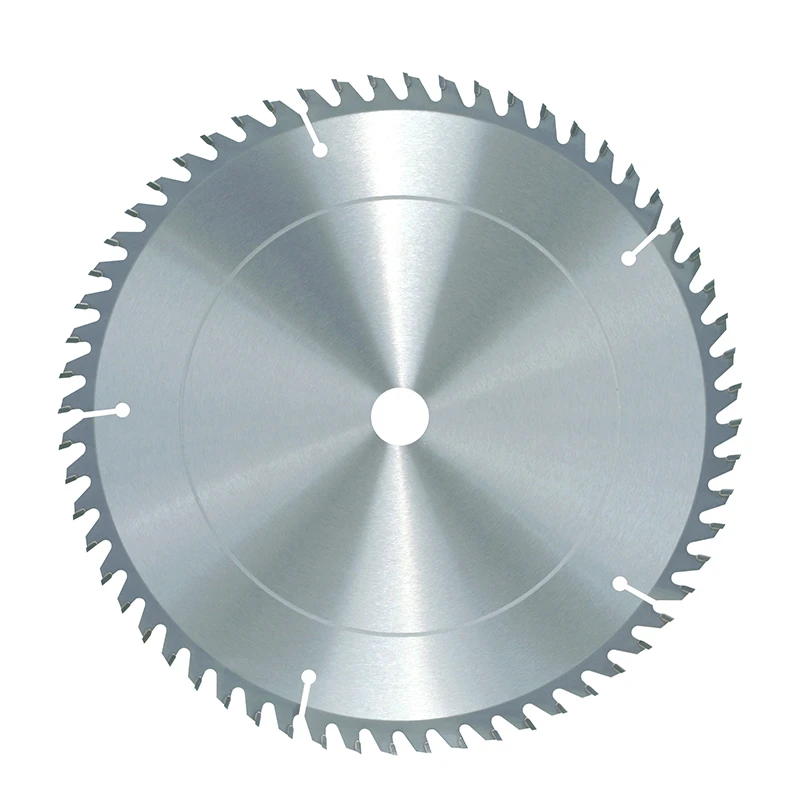
Simply put, “diamond cut marble” refers to the process of slicing and finishing marble surfaces using tools embedded with industrial-grade diamonds. These diamond-tipped blades or drills gently glide through marble with unmatched accuracy, producing a cut edge that’s crisp and often more resilient.
Why diamonds? Because, well, nothing cuts stone like a diamond. This isn’t just fancy marketing speak — it’s science. Diamonds are the hardest natural material known, and when finely embedded on blades, they can manage the toughness of marble while minimizing micro-fractures and wasted material.
Think about it: in industries where you need marble for everything from kitchen countertops to monuments, one barely obvious chip can ruin the entire piece. Diamond cut marble ensures the result is clean, durable, and aesthetically flawless.
Main Components of Diamond Cut Marble Technique
1. Durability Through Precision
The sharper the cut, the stronger the edge. Diamond cut marble minimizes surface cracks and structural weaknesses. This means the marble installation lasts longer — fewer breaks, less maintenance. It’s a win-win, especially in public buildings or outdoor applications where weathering is a real concern.
2. Scalability in Production
Using diamond-tipped machines allows manufacturers to scale up production without sacrificing quality. Smaller fragments, thin slabs, and complex shapes are faster to cut and shape, which means more design freedom for architects and builders.
3. Cost Efficiency
Cuts made by diamond blades reduce waste material — rough or uneven edges tend to lead to discards, and this has a surprisingly hefty cost impact. Less waste plus faster production means manufacturers can price their projects better, passing savings down the line.
4. Environmental Impact
While marble extraction has its environmental footprint, diamond cut techniques reduce that by extracting maximum use from smaller blocks and limiting dust. Some leading vendors integrate water recycling during cutting to decrease pollutants even more.
5. Design Versatility
Diamond cut marble supports complex patterns, intricate inlays, and polished finishes that traditional shaping struggles with — a major boon for luxury interiors or artistic installations.
Mini takeaway:
- Durability, efficiency, and design flexibility are the core strengths of diamond cut marble.
- These qualities make it relevant in everything from luxury homes to large infrastructural projects.
Diamond Cut Marble in Action: Real-World Applications
From the gleaming skyscrapers of Dubai to the eco-conscious homes of Scandinavia, diamond cut marble has proven its versatility. Post-disaster rebuilding efforts often leverage this technology to deliver durable, sturdy building components rapidly — think of quick new facades in earthquake-prone Japan. In remote industrial zones, where replacing damaged materials is costly and delayed, this high-precision cut marble saves both on long-term repair costs and downtime.
In the art world, many galleries and museums favor diamond cut marble for sleek exhibition spaces where light and texture matter immensely. Even urban planners use it in public parks, walkways, and monuments for a refined look with weather-resistant reliability.
| Specification | Details |
|---|---|
| Material Grades | Carrara, Calacatta, Statuario, Nero Marquina |
| Cutting Tolerances | ±0.3 mm |
| Maximum Slab Thickness | 30 mm |
| Surface Finish Options | Polished, Honed, Brushed, Tumbled |
| Production Capacity | 1000 sqm/month (typical plants) |
Top Vendors Offering Diamond Cut Marble Services
| Vendor | Location | Unique Offering | Sustainability Practices | Lead Time |
|---|---|---|---|---|
| StoneCraft Global | Italy | Custom artistic cuts & patterns | Water recycling & waste reduction | 4 weeks |
| MarbleEdge Inc. | USA | High-volume, precision cutting | ISO 14001 certified plants | 3 weeks |
| EcoStone Works | India | Affordable solutions for emerging markets | Renewable energy powered facilities | 5 weeks |
Key Advantages and Long-Term Value of Diamond Cut Marble
When you choose diamond cut marble, you’re investing in more than just stone. You're securing a product that is:
- Cost-effective: Less breakage means fewer replacements.
- Sustainable: Better resource usage aligns with green building standards.
- Reliable: Exceptional finish and durability ensure longevity in a variety of climates and conditions.
- Emotionally comforting: There’s something deeply reassuring in knowing the surface beneath your feet or on your walls can stand the test of time and use.
Many architects talk about the “feel” of a building being tied closely to its materials. Diamond cut marble contributes to that feeling of quality and innovation without sacrificing heritage or natural beauty.
Emerging Trends and Innovations in Diamond Cut Marble
The industry isn’t standing still. Automation is making diamond blade cutting faster and more precise, sometimes paired with AI-driven software to reduce errors and customize orders. Green energy initiatives are encouraging factories to power these machines with renewable sources, and digital twins help plan marble cuts in 3D before a single blade hits the stone, minimizing waste further.
Interestingly, hybrid materials combining marble with recycled polymers for enhanced strength are being tested — crunching the numbers shows promising results for durability and eco-friendliness.
Challenges & Practical Solutions in Today's Market
Of course, diamond cut marble isn’t without quirks. The upfront equipment cost can be prohibitive for small producers; high precision demands expert operators; and supply chain challenges still cause delays for exotic marbles. But some firms succeed by leasing cutting machines, sharing craftsmen among projects, or focusing on local stone to reduce transit risks.
Also, dust control remains a concern in confined spaces during cuttings, but advanced filtration systems and wet cutting help mitigate these health hazards.
FAQ: Practical Questions About Diamond Cut Marble
- Q1: How does diamond cut marble compare in longevity to traditional marble finishes?
- A1: Diamond cut marble usually outperforms traditional finishes in durability because its precise cutting reduces surface flaws that typically cause chipping or cracking. Many installations last decades longer, especially in high-traffic or outdoor environments.
- Q2: Is diamond cut marble more expensive upfront, and is it worth the investment?
- A2: While the initial cost might be higher due to specialized equipment and labor, the reduced waste, less maintenance, and enhanced longevity often offset the expense, making it more cost-effective in the long run.
- Q3: Can diamond cut marble be customized for unique architectural designs?
- A3: Absolutely. Diamond cutting is known for high precision, enabling intricate shapes, patterns, and detailed finishes that fit avant-garde or classical architecture alike.
- Q4: Are diamond cut marble products eco-friendly?
- A4: They’re generally more eco-friendly than traditional cutting due to reduced waste and advanced processing methods like water recycling. However, environmental impact depends on the supplier’s specific practices.
- Q5: Where can I source trustworthy diamond cut marble vendors?
- A5: Leading vendors include established companies such as StoneCraft Global, MarbleEdge Inc., and EcoStone Works. When choosing, prioritize certifications like ISO 14001 and transparent sustainability reports.
Conclusion: A Stone Made Smarter
Diamond cut marble melds old-world beauty with new-world technology, yielding a product both elegant and engineered to last. For builders, designers, and visionaries, it’s an exciting blend of art, science, and sustainability. Frankly, if you’re in the market for marble that respects tradition while embracing innovation, this technique deserves your attention.
Ready to transform your next project with diamond cut marble? Visit our website at diamond cut marble and discover how you can blend precision, longevity, and beauty seamlessly.
References
Related Products

Related Products





Address
No.30 Gaoying Road ,Chang'an District,Shijiazhuang,Hebei Province
Business Hours
Mon to Saturday : 8.00 am - 7.00 pm
Sunday & Holidays : Closed
.png )