
Diamond Cutting Blade 300mm – Durable & Precise Industrial Tool
Why the 300mm Diamond Cutting Blade Remains a Go-To in Industrial Settings
Having spent a good chunk of my career elbow-deep in the industrial equipment world, I can tell you the diamond cutting blade 300mm isn’t just another shiny tool hanging on the wall. It’s a reliable workhorse. The 300mm, or roughly 12-inch blade, hits this sweet spot between power and precision. Big enough to tackle heavy-duty materials like concrete or granite but nimble enough not to feel like lugging a small car around.
Oddly enough, the trick with a diamond blade isn’t just the diamonds — it’s how those gems are embedded, the quality of the metal core, and, frankly, the blade’s design to dissipate heat and avoid warping. I remember a factory job years ago where a subpar blade overheated halfway through a concrete segment cut. Lost the whole morning and probably a few pounds of hair in the process.
What Sets This Diamond Cutting Blade 300mm Apart?
Let’s talk design and materials first. Many engineers I know swear by blades with laser-cut vents that help cool the blade and reduce vibrations — this leads to a smoother cut and longer blade life. The bond matrix (that’s the stuff holding diamonds in place) is calibrated carefully to match the material you’re cutting. Softer materials? Softer bond. Tougher stuff like reinforced concrete? You want a harder bond to keep those diamonds locked in place longer.
One thing to note: the segment height on a 300mm blade can vary, affecting durability and cutting speed. I’ve seen blades with 10mm segments that last much longer than thinner segments — but obviously they can be slower cutting through ultra-tough materials.
Quick Product Spec Table
| Specification | Details |
|---|---|
| Diameter | 300mm (12 inch) |
| Segment Height | 10mm |
| Segment Type | Turbo (for faster cutting / smooth finish) |
| Material Compatibility | Concrete, Asphalt, Granite, Masonry |
| Max RPM | 4,000 |
| Core Material | High-strength steel with laser-cut cooling slots |
Vendor Comparison: Choosing the Right 300mm Diamond Blade
Not all blades are born equal. When shopping for a diamond cutting blade 300mm, I’ve noticed vendors vary widely on specs, warranty, and testing rigor. Some brands push their blades promising “superior cutting speed” while skimping on heat resistance — which, trust me, is a dealbreaker in the field.
| Vendor | Warranty | Application Range | Price Range | Special Features |
|---|---|---|---|---|
| MyDiamondBlade | 12 months | Concrete, Asphalt, Stone | $$$ | Laser-cooled core, segment bonding tech |
| BladePro | 6 months | Concrete, Masonry | $$ | Turbo segments, basic cooling slots |
| CutMaster | 9 months | Asphalt, Stone | $$$$ | High diamond concentration, enhanced durability |
Real-World Usage: What I’ve Seen on the Job
I once worked on a project where the client insisted on super fast turnaround on cutting granite slabs for an urban landscaping project. They tried several 300mm blades before they landed on one with a well-balanced diamond matrix and cooling design — specifically from that vendor I mentioned earlier, the diamond cutting blade 300mm specialists.
What’s surprising here is how the right blade saves more than time. It saves materials, reduces downtime, and cuts down that heart-stopping moment when a blade fails mid-cut. With the 300mm blades, the trick is to find a balance between speed and durability — too fast, and you chip up the material; too slow, and you kill your productivity.
Anyway, it feels like every industrial job has its own “perfect blade” story, but the core remains the same: quality matters. I’ll stick with my trusted 300mm today, probably because I’ve seen it pull through when it counts — and frankly, that's gold in our line of work.
Final Thoughts
When choosing a diamond cutting blade 300mm, think beyond the price. Look at specs, real user feedback, and whether the vendor backs the blade. It might not be glamorous, but those small choices add up on the job site. If you ask me, the 300mm size hits a perfect sweet spot — powerful, manageable, and versatile. Like most things in this field, it’s the fundamentals that matter.
References and Inspirations:
- Industry feedback on blade segment height and bond matrix design
- Personal project experience with concrete and granite cutting
- Vendor spec sheets and warranty materials from top blade manufacturers
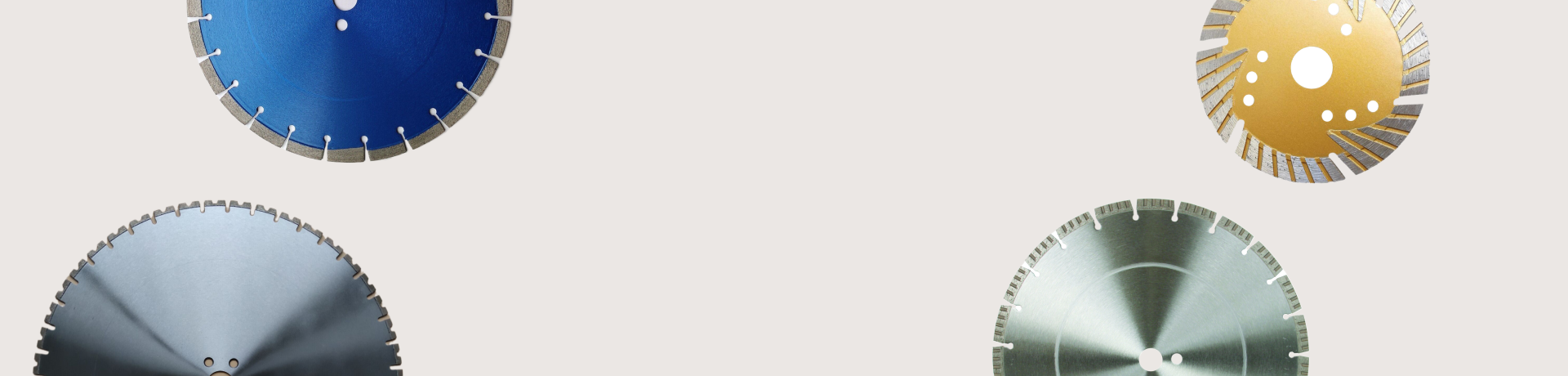
Related Products
Related Products






Address
No.30 Gaoying Road ,Chang'an District,Shijiazhuang,Hebei Province
Business Hours
Mon to Saturday : 8.00 am - 7.00 pm
Sunday & Holidays : Closed
.png )