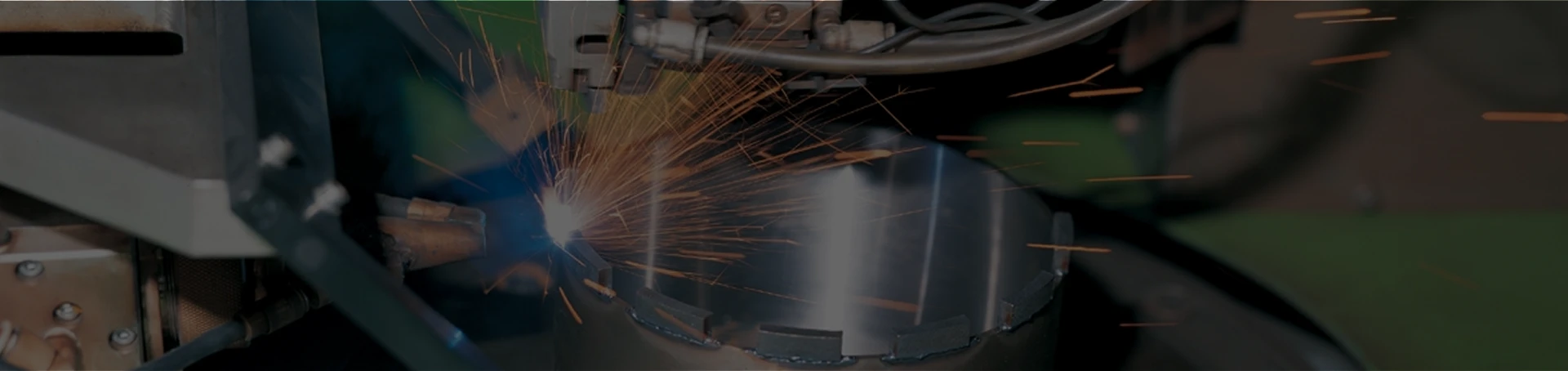
Diamond Sanding Pads: Durable Abrasive Solutions for Global Industries
Diamond Sanding Pads: What They Are and Why They Matter Globally
Diamond sanding pads—often overlooked yet critical—are specialized abrasive tools embedded with diamond particles designed to grind, smooth, and polish tough materials. From intricate artisanal crafting to colossal industrial jobs, they serve as indispensable allies in shaping surfaces to precision. Globally, their usage spans construction, automotive repair, electronics, and even aerospace—industries that underpin modern infrastructure and technology. Understanding these pads means unlocking benefits like improved efficiency, extended tool life, and consistent surface quality, pivotal for economic sustainability and material conservation worldwide.
Introduction: The Global Importance of Diamond Sanding Pads
It’s fascinating—while diamond is known for its allure in jewelry, industrial-grade diamonds embedded in sanding pads power some of the toughest surface finishing tasks globally. According to ISO standards, diamond abrasives handle materials ranging from concrete to carbide with unmatched durability. The World Bank data shows booming construction sectors in Asia and Africa, implying increased demand for abrasion tools that can keep up. However, a pressing challenge remains: traditional abrasives wear out quickly on hard materials, causing downtime and cost overruns. Diamond sanding pads address this by offering superior longevity and efficacy—an ace up many industries’ sleeves.
What Are Diamond Sanding Pads?
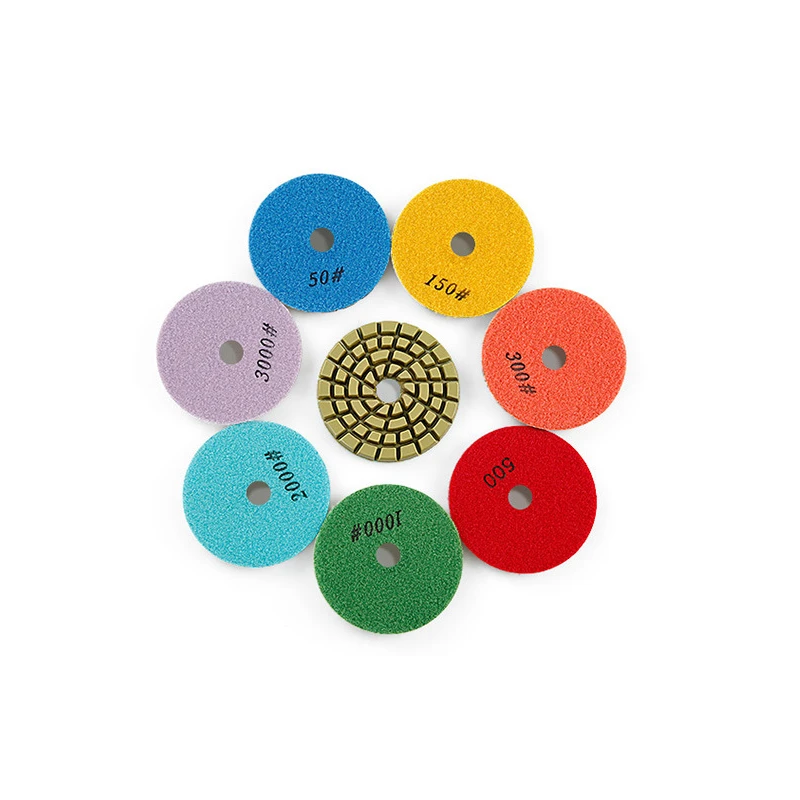
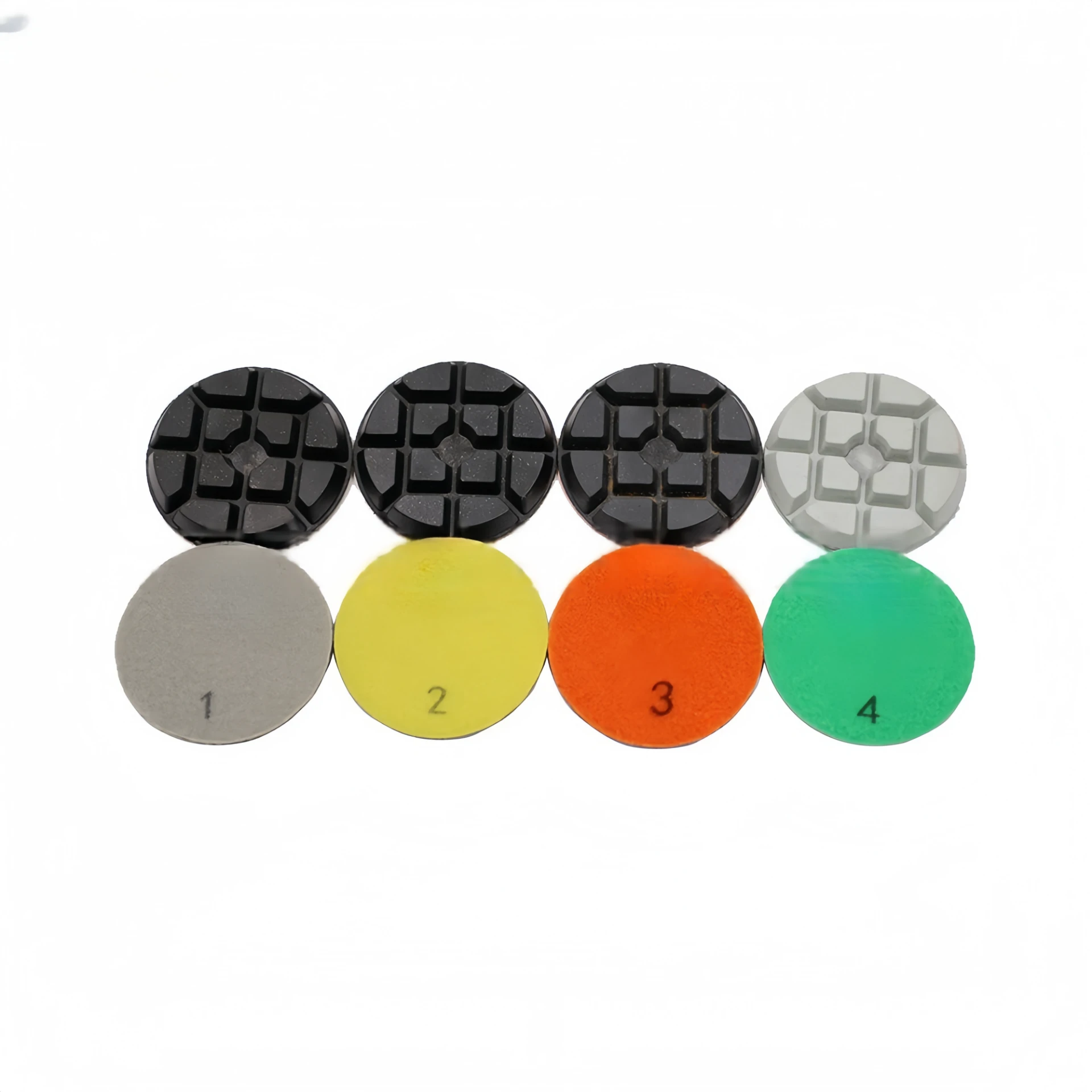
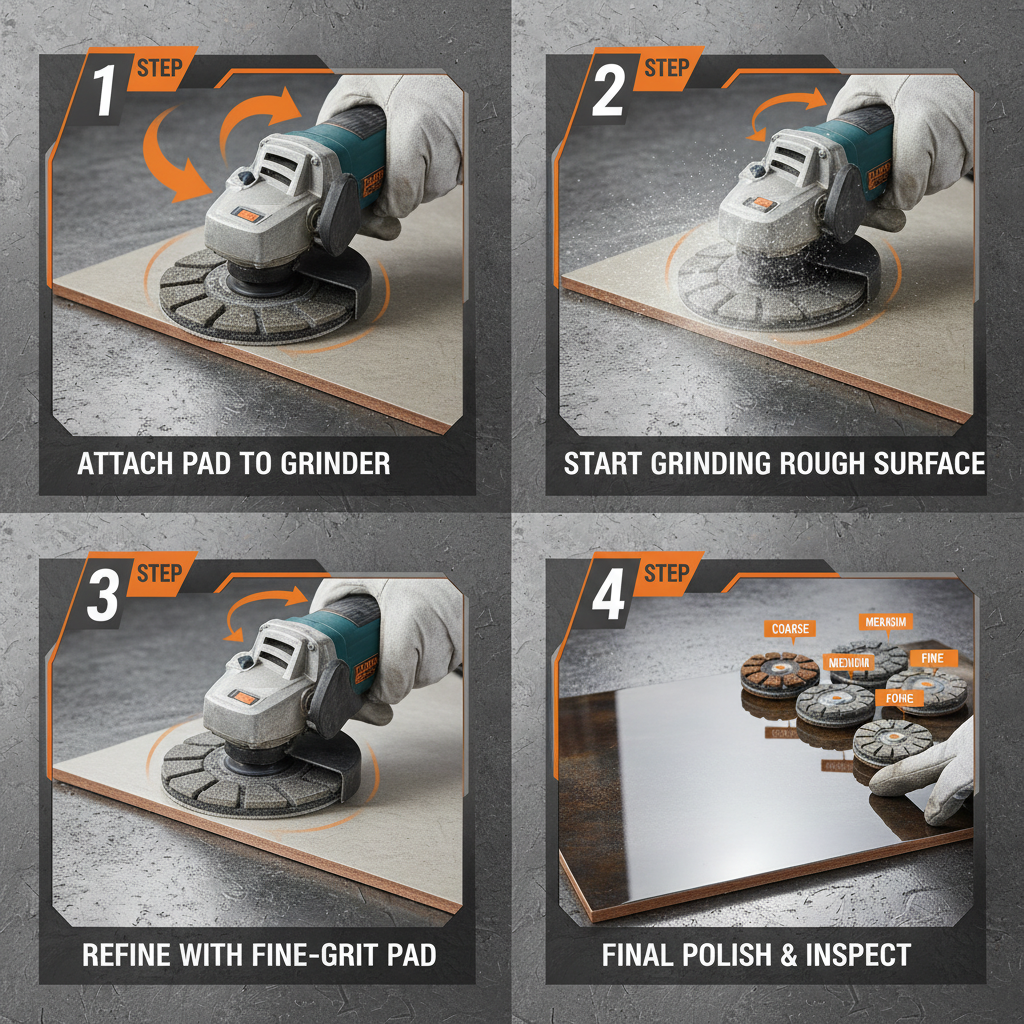
In simplest terms: diamond sanding pads are flexible discs or blocks with a layer of industrial diamond grit bonded to their surface. They attach to grinders or polishers, enabling users to smooth concrete, stone, glass, and metals with remarkable precision. Because diamonds are the hardest natural material, they cut faster and stay sharper longer than conventional abrasives.
They’re not just tools but enablers. For instance, in humanitarian reconstruction projects, especially post-disaster, rapidly restoring infrastructure demands durable abrasives that reduce machine downtime. Here, diamond pads are quietly critical.
Main Features of Diamond Sanding Pads
Durability
The diamond grit embedded is industrial-grade, engineered to last far longer than silicon carbide or aluminum oxide counterparts. This durability translates to fewer product changes and reduced downtime in manufacturing lines.
Flexibility and Compatibility
Diamond sanding pads are designed to fit a range of sanding machines—from handheld polishers to automated CNC devices—making them versatile across various applications. Many feature backing materials like Velcro or hook-and-loop for quick changeovers.
Precision and Finish Quality
The finely distributed diamond particles ensure a consistent abrasive surface, enabling smooth, even finishes. This precision is critical in automotive paint prep or architectural stonework.
Cost Efficiency
While diamond sanding pads have a higher upfront cost, their longevity and speed compensate by lowering labor and replacement expenses over time.
Global Applications & Use Cases
Diamond sanding pads are everywhere—even if they’re invisible to the casual observer. Here are some standout examples:
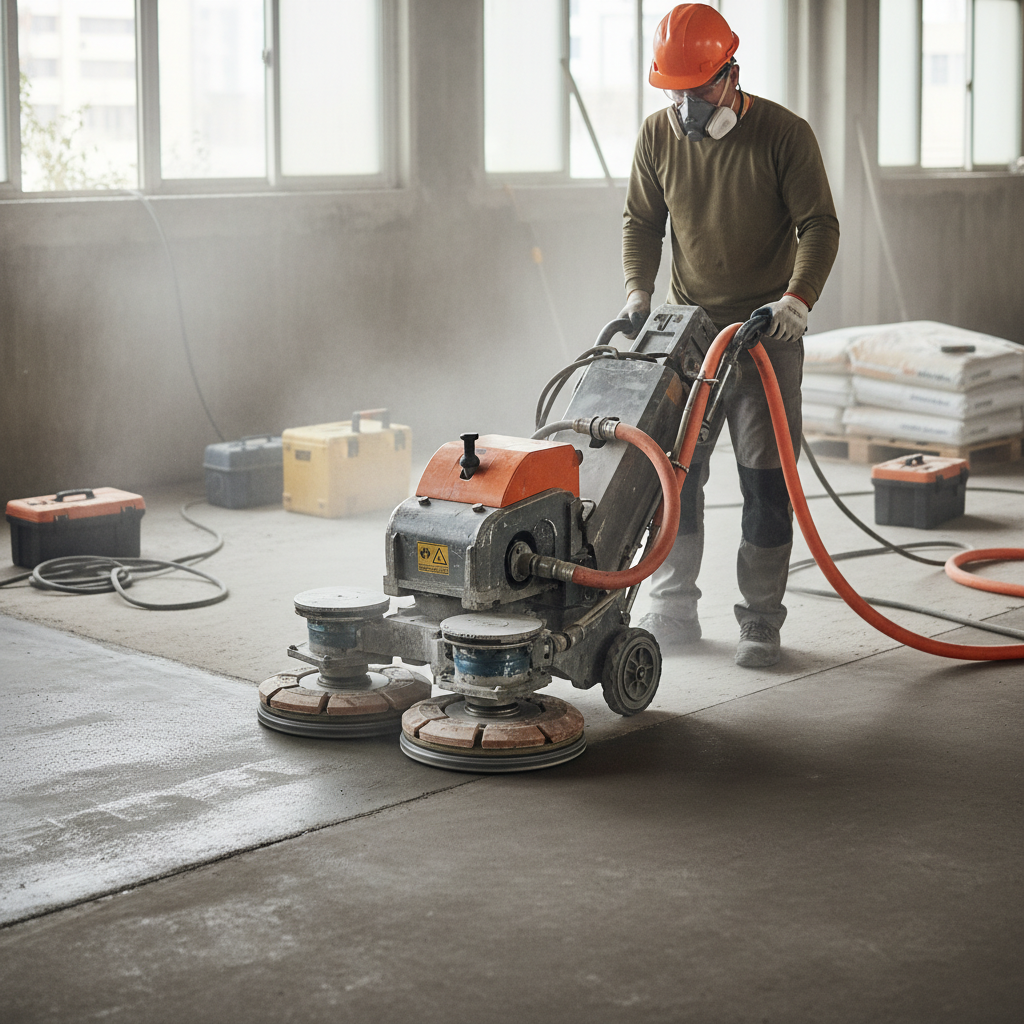
- Construction in Emerging Markets: In places like Southeast Asia, rapid urbanization requires polishing concrete floors, sidewalks, and tiles effectively and quickly.
- Post-Disaster Reconstruction: NGOs rely on diamond abrasives to smooth stone facades or repair concrete structures after earthquakes or floods, speeding up rebuilding phases.
- Industrial Manufacturing: Factories in Germany and Japan leverage diamond sanding pads in high-precision automotive and aerospace component finishing.
- Artisanal Craftsmanship: Stone sculptors and glass artists around the world use these pads for delicate, refined finishes.
| Specification | Typical Range | Explanation |
|---|---|---|
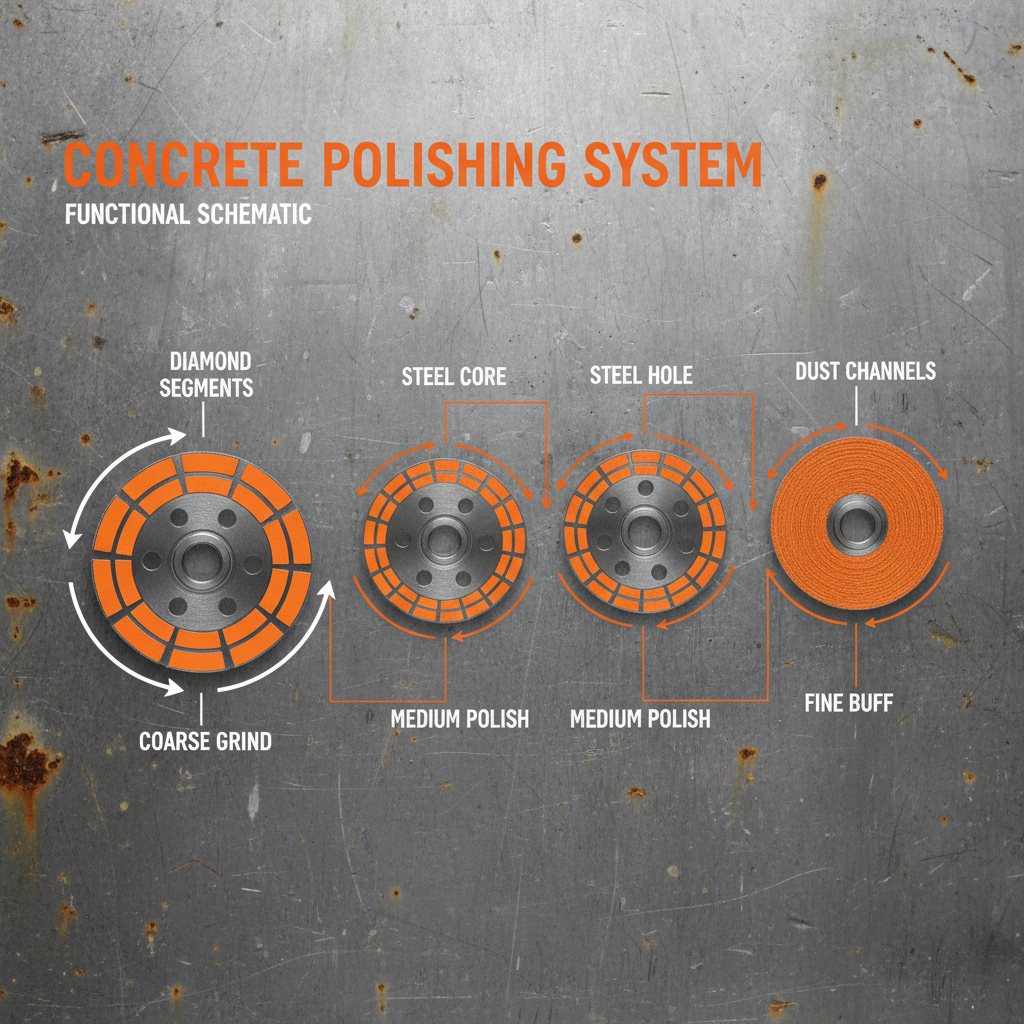
| Grit Size | 50 - 3000 | Coarser for heavy grinding, finer for polishing |
| Bond Type | Resin, Metal, Electroplated | Affects flexibility and pad lifespan |
| Pad Diameter | 3" to 7" | Varies by tool compatibility |
| Backing Type | Velcro, Hook & Loop, Magnetic | Ease of changing pads during work |
| Application | Concrete, Marble, Granite, Glass, Metal | Material compatibility |
Mini takeaway: The specifications obviously shape suitability for different tasks. Resin bonds work better for softer stones, while metal bonds are tougher—something many tool users swear by after trial and error.
Advantages and Long-Term Value
Let’s be frank: diamond sanding pads aren’t just “nicer abrasives.” They shift the economics and environmental footprint of many jobs:
- Longevity: Fewer replacements equal less waste.
- Efficiency: Faster material removal cuts labor times.
- Consistent Finish: Reduces rework, improving trust in project quality.
- Safety & Dignity: Cleaner finishes mean safer surfaces for public spaces and products.
There’s a subtle, emotional advantage too. In emergency housing reconstruction, for example, finishing floors quickly and effectively with diamond sanding pads restores not just homes but hope. This human impact often gets lost in technical specs but matters deeply.
Looking Ahead: Trends & Innovations
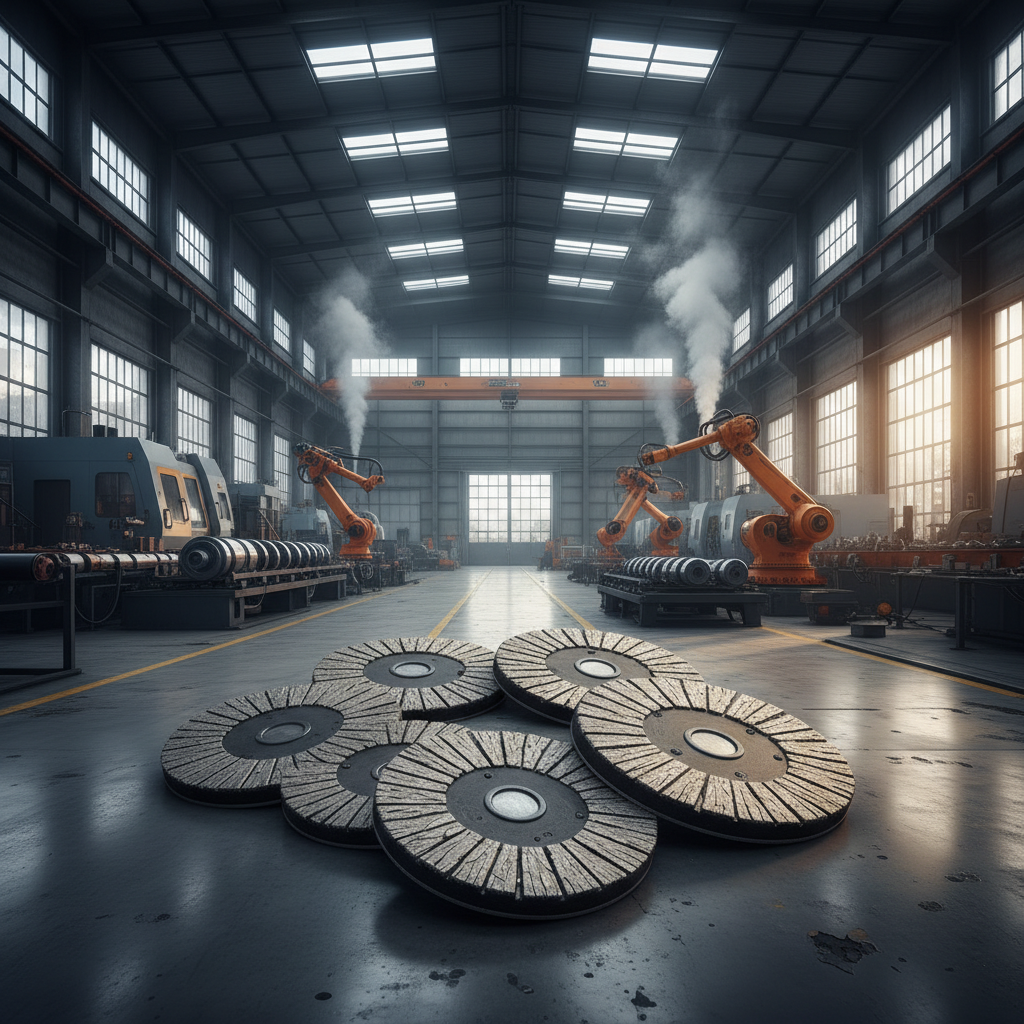
What’s next? Well, green manufacturing and digital tools are influencing this space. We already see efforts to use reclaimed diamond dust or develop pads that optimize longevity through AI-driven wear detection. Meanwhile, automation means diamond sanding pads can be integrated with robotic polishers, boosting consistency and reducing operator fatigue. Also, innovations in bonding technology hint at pads that adapt their hardness dynamically—a kind of “smart sanding.”
Common Challenges & Solutions
Of course, there are bumps in the road. Diamond pads can be pricier upfront and less forgiving on delicate surfaces if misused. Moreover, quality varies widely among suppliers. How do pros handle this? They:
- Match grit size carefully to job specs
- Test batches to ensure bond integrity
- Partner with trusted vendors who certify standards
| Vendor | Material Quality | Price Range | Global Reach | Customer Service |
|---|---|---|---|---|
| DiamondTech Inc. | High (Top 5% industrial diamonds) | $$$ | Global | Excellent |
| Forge Abrasives | Medium | $ | Major regional markets | Good |
| CrystalEdge | High | $$ | North America, Europe | Very Good |
Frequently Asked Questions about Diamond Sanding Pads
- Q: How long does a diamond sanding pad typically last?
A: Lifespan depends on usage and material. On average, they last 5–10 times longer than traditional pads, translating to weeks or even months of normal industrial use. - Q: Can diamond sanding pads be used on glass without cracking?
A: Yes, with the appropriate grit and a careful approach. Finer grits and wet sanding reduce heat and stress, preventing cracks. - Q: Are all diamond sanding pads compatible with any polisher?
A: Not always. Compatibility depends on pad diameter and backing type. It’s best to check manufacturer specs or opt for pads with hook-and-loop backing for versatility. - Q: What’s the environmental impact of diamond sanding pads?
A: While diamonds are mined, industrial synthetic diamonds are widely used, reducing the ecological footprint. Additionally, longer lifespan means less waste overall.
Conclusion
Diamond sanding pads might seem like small tools in the grand scheme, but their impact? That’s broad and deep—fueling efficient infrastructure development, artful design, and rapid reconstruction efforts worldwide. Embracing their advantages means investing in quality, sustainability, and reliability.
Hey, if you want to explore the latest offerings in diamond sanding technology, check out diamond sanding pads—they have great selections along with detailed specs that can guide your choice.
Final takeaway: Whether you’re smoothing concrete floors or polishing delicate glass, diamond sanding pads offer a blend of efficiency, durability, and precision that’s hard to beat.
References
Related Products

Related Products




Address
No.30 Gaoying Road ,Chang'an District,Shijiazhuang,Hebei Province
Business Hours
Mon to Saturday : 8.00 am - 7.00 pm
Sunday & Holidays : Closed
.png )