Different Types of Buffing Pads: A Comprehensive Industrial Guide
Exploring the Different Types of Buffing Pads: A Practical Guide
Buffing pads might not be the most glamorous topic, but frankly, they’re indispensable in many industries worldwide—from automotive to metalworking, even in polishing jewelry and optical lenses. Understanding the different types of buffing pads matters a great deal for anyone looking to achieve the perfect finish, maintain tool longevity, or optimize their operational efficiency. Plus, it’s surprisingly global in reach, touching markets as diverse as the U.S., Germany, Japan, and emerging economies expanding their manufacturing sectors.
Global Context: Why Buffing Pads Matter in Industry
It might surprise you, but the global polishing and finishing sector is a multi-billion-dollar industry, supported heavily by the innovation and evolution of buffing accessories. According to ISO standards on abrasive materials (ISO 15305:2017), the quality and type of buffing pad can drastically influence surface finishes, which impact product durability and consumer satisfaction. A challenge facing manufacturers today is balancing performance with sustainability—new eco-friendly materials are steadily changing the game.
In areas like automotive refinishing, improper pad selection can lead to rework, wasted materials, or poor finishes, costing companies upwards of 10-15% extra on projects according to industry reports. So, knowing your pads pays off, literally.
What Are Different Types of Buffing Pads?
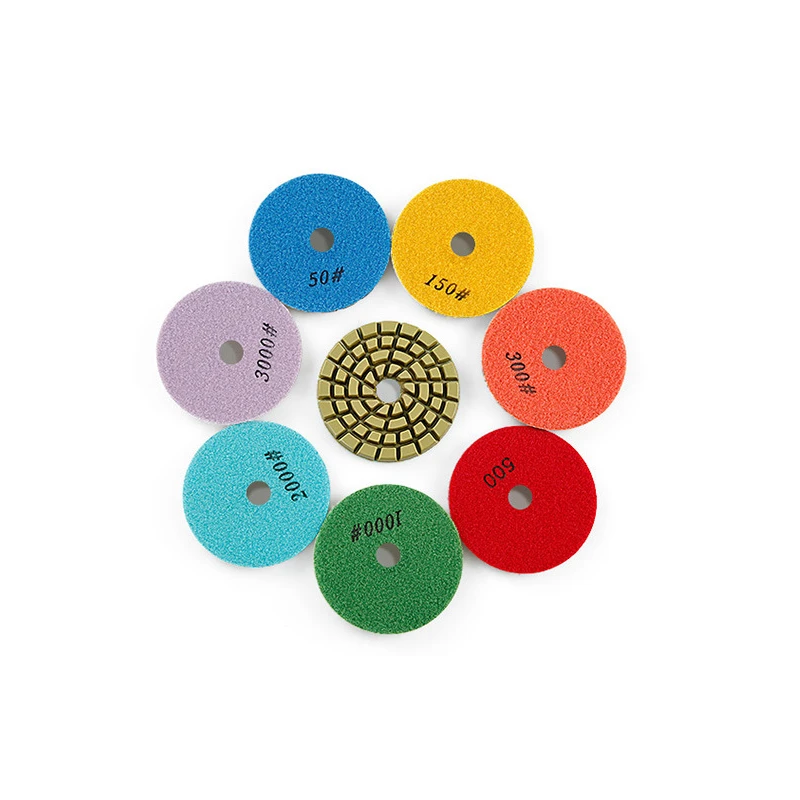
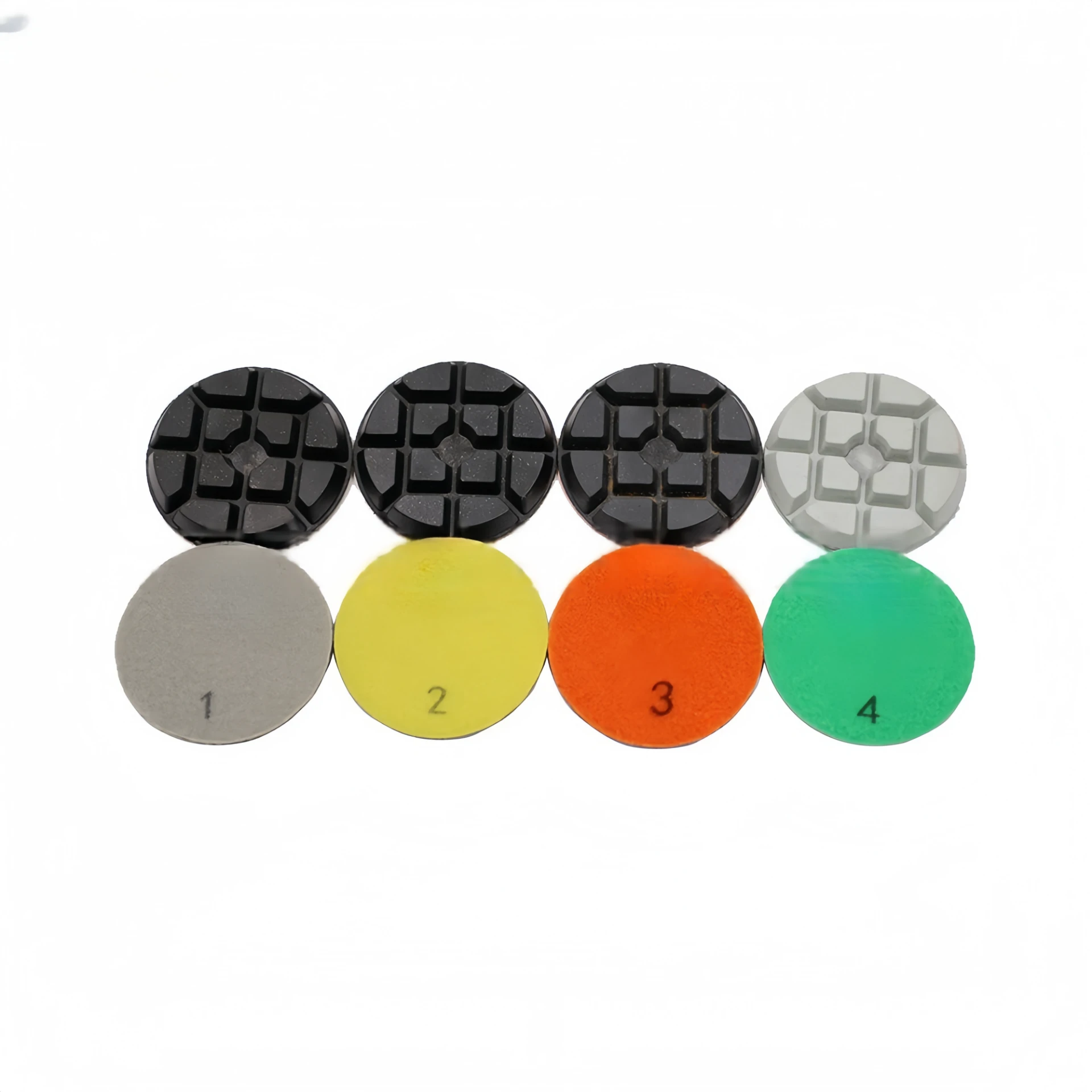
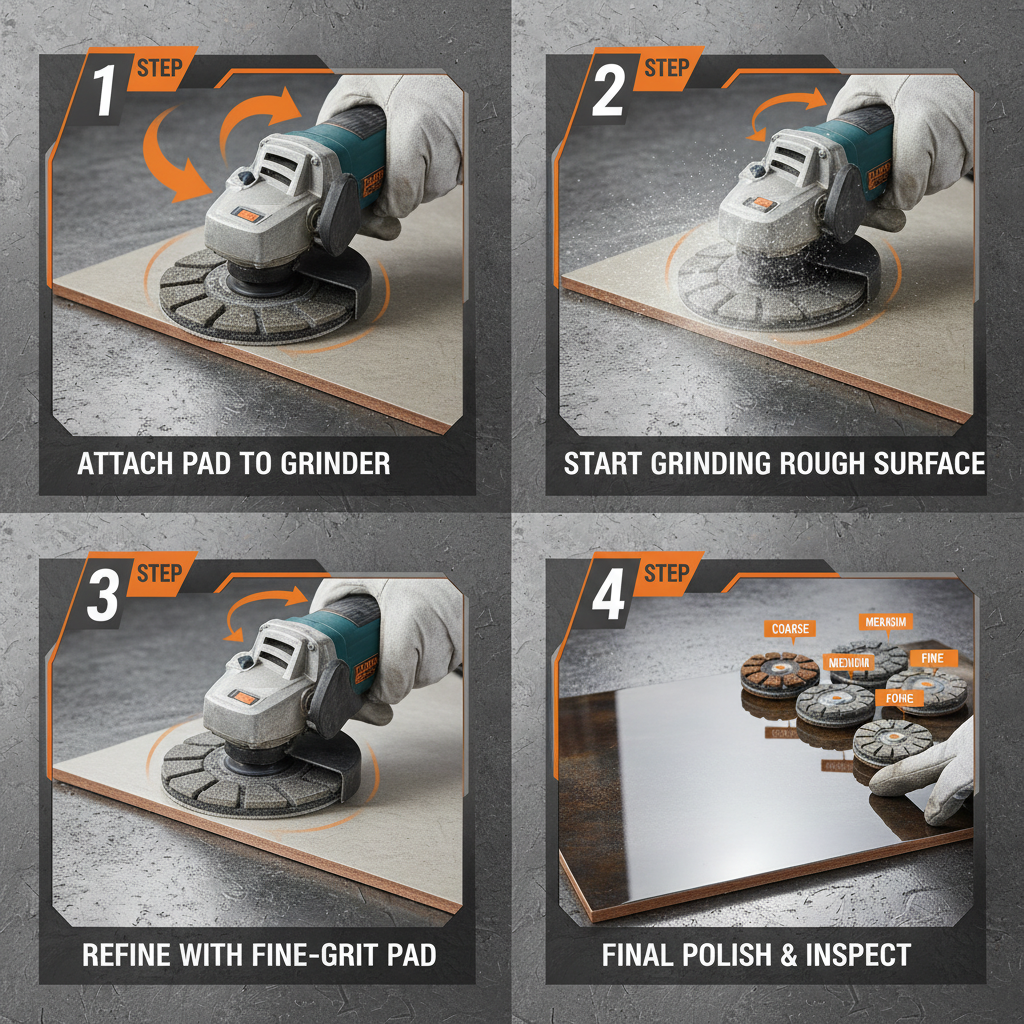
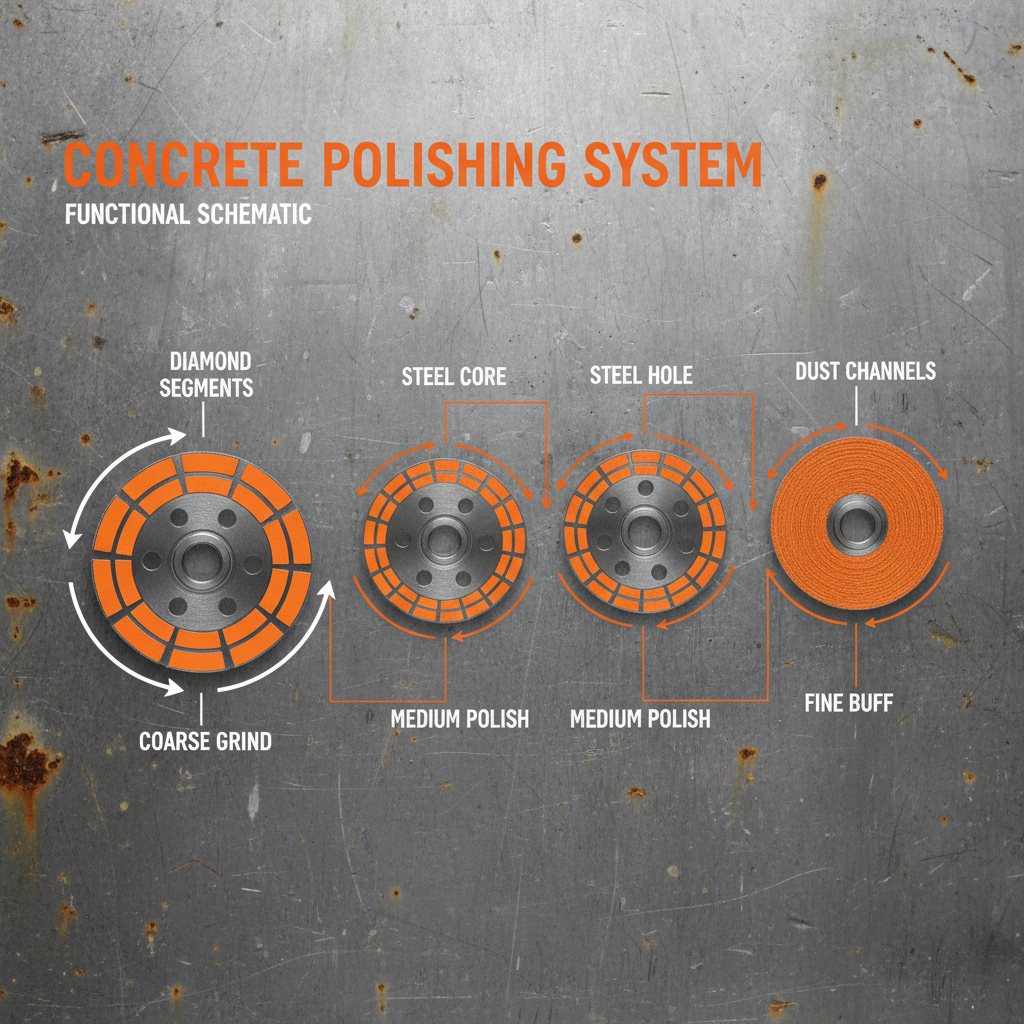
Put simply, buffing pads are tools used with rotary or orbital machines to polish and shine surfaces. They come in various forms based on material composition, density, and intended usage. From foam and wool to microfiber and synthetic blends, each pad suits different tasks, like cutting through oxidation or applying a glossy finish.
These pads connect closely with modern manufacturing needs that demand efficiency, consistency, and sometimes, delicate care for sensitive components. Humanitarian applications, such as polishing medical instruments or solar panels in remote clinics, also rely on the right buffing pads to ensure hygiene and functional longevity.
Key Characteristics of Buffing Pads
1. Material Composition
Foam pads are versatile and gentle, ideal for final polishing, while wool pads excel in rapid cutting and correction. Microfiber blends combine durability with finesse. Each material impacts the pad’s lifespan and finish quality.
2. Density and Firmness
Denser pads offer more pressure and are suited for rougher surfaces. Softer pads are better for lightweight polishing, reducing swirl marks or scratches.
3. Attachment Method
Hook-and-loop (Velcro) systems allow quick swapping of pads, enhancing productivity. Adhesive-backed pads suit simpler machines but might not last as long.
4. Compatibility with Polishing Compounds
Some pads absorb compounds better, improving efficiency, while others may degrade with harsh chemicals. Matching pad and compound ensures optimal finish.
5. Durability and Cost
Durability varies widely; wool may wear faster but cuts effectively, while foam pads last longer but need cautious handling. Investing a bit more in quality usually pays off over time.
Product Specification Table
| Pad Type | Material | Density | Best For | Typical Lifespan |
|---|---|---|---|---|
| Cutting | Wool | Medium to High | Oxidation, scratches | 10-15 uses |
| Polishing | Foam (open cell) | Low to Medium | Enhancing gloss | 20-30 uses |
| Finishing | Microfiber | Low | Removing fine swirls | 15-20 uses |
Global Applications & Use Cases
- Automotive industry: Buffing pads refine paint jobs to showroom quality. Germany and Japan lead innovation here.
- Metalworking and fabrication: Stainless steel polishing for kitchenware or medical tools uses various foam and wool pads.
- Jewelry making: Microfiber pads gently restore brilliance to precious metals and gemstones.
- Electronics manufacturing: In East Asia’s sprawling factories, precision buffing prevents surface defects on delicate parts.
- Renewable energy: Solar panel maintenance teams worldwide increasingly rely on specialized pads to optimize energy absorption.
Oddly enough, pads originally designed for automotive purposes find fresh uses in humanitarian tech setups—like cleaning water purification panels in remote clinics.
Advantages & Long-Term Benefits
Frankly, the right buffing pad saves time and material costs. It extends the life of expensive machines by reducing strain, which many plant managers appreciate. Moreover, good pad selection supports sustainability efforts—using less abrasive or longer-lasting materials means less waste. And there’s an emotional edge too: high-quality finishes build customer trust and pride in craftsmanship.
Industry Vendors at a Glance
| Brand | Material Focus | Price Range | Special Features |
|---|---|---|---|
| FlexiPolish Co. | Foam & Wool | $$ | Eco-friendly foam variants |
| MicroShine | Microfiber | $$$ | Antistatic pads designed for electronics |
| ProBuff | Wool blends | $ | Bulk options for industrial workshops |
Emerging Trends & Innovations
Technology isn't standing still. New synthetic compounds aim to balance cutting power with longer pad life. Additives providing antimicrobial properties or dust reduction are gaining traction, especially in cleanroom environments. Sustainability also means biodegradable pads or those made from recycled fibers. Digital integration is odd but real—some companies begin tracking pad wear via IoT sensors to schedule replacements preemptively.
Challenges & Expert Solutions
Not every pad fits every job. Some materials degrade unexpectedly when paired with certain compounds or on rough surfaces. Supply chain disruptions can cause inconsistency in pad quality. Experts recommend trial batches, testing pads with your exact compounds and surfaces before full adoption. Also, training operators to choose and maintain pads extends productivity—small details, big payoffs.
FAQ: Practical Questions on Buffing Pads
- Q: How do I select the right buffing pad for my car’s paint type?
- A: Consider foam pads for soft paints that need gentle polishing, and wool for rougher surfaces needing scratch removal. Using the correct compound with the pad type is critical. Always test on a small area first.
- Q: Can buffing pads be cleaned and reused?
- Yes, many foam and microfiber pads can be washed with mild detergents and air-dried, extending their life. Avoid fabric softeners or high heat drying as these damage fibers.
- Q: Are microfiber pads safe for delicate surfaces like jewelry?
- Definitely. Microfiber’s fine texture prevents scratches and removes swirls gently, making them ideal for delicate finishing work.
- Q: What’s the environmental impact of typical buffing pads?
- Traditional wool and synthetic pads often are non-biodegradable, but greener alternatives with recycled or biodegradable fibers are emerging fast to reduce landfill waste.
- Q: How often should I replace a buffing pad?
- Replacement depends on usage frequency and condition. Watch for fraying, loss of density, or contamination. A rule of thumb is every 10-30 uses, depending on material and job intensity.
Conclusion
Understanding the different types of buffing pads isn’t just a technical nicety; it’s a sound business practice that enhances quality, reduces waste, and drives customer satisfaction. Whether you’re polishing luxury vehicles or delicate electronics, the right pad can make all the difference — and with innovations continually reshaping the field, now’s a great time to explore your options. Curious to learn more? Visit our website: https://www.mydiamondblade.com for detailed guides and product recommendations.
Mini takeaway: Buffing pads are small tools with a big impact — choosing and maintaining the right one optimizes both results and resources.
References
Related Products
Related Products




Address
No.30 Gaoying Road ,Chang'an District,Shijiazhuang,Hebei Province
Business Hours
Mon to Saturday : 8.00 am - 7.00 pm
Sunday & Holidays : Closed
.png )