


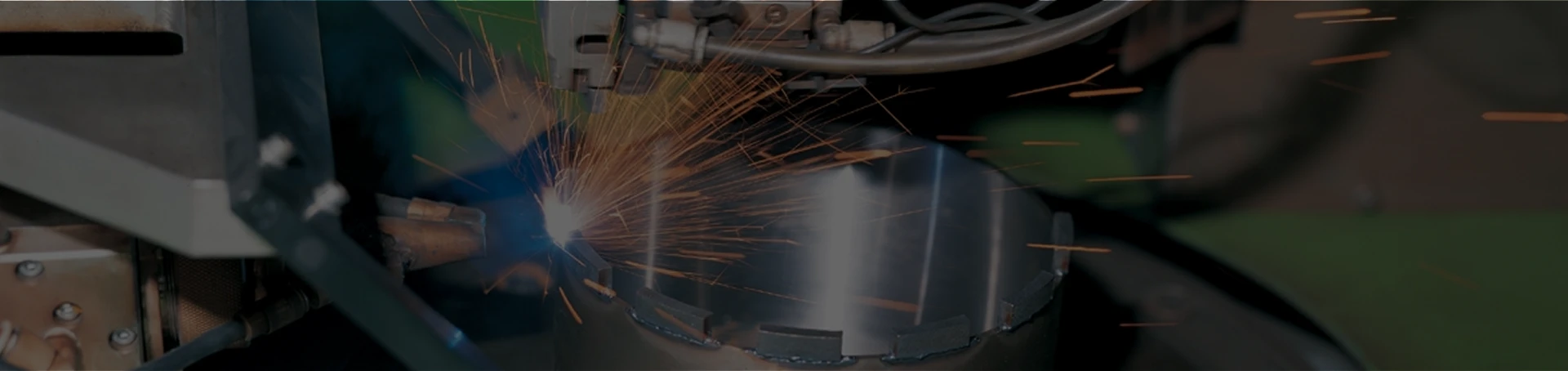
Durable 230mm Diamond Cutting Blades for Precision & Longevity
Why the diamond cutting blade 230mm remains a top pick on the shop floor
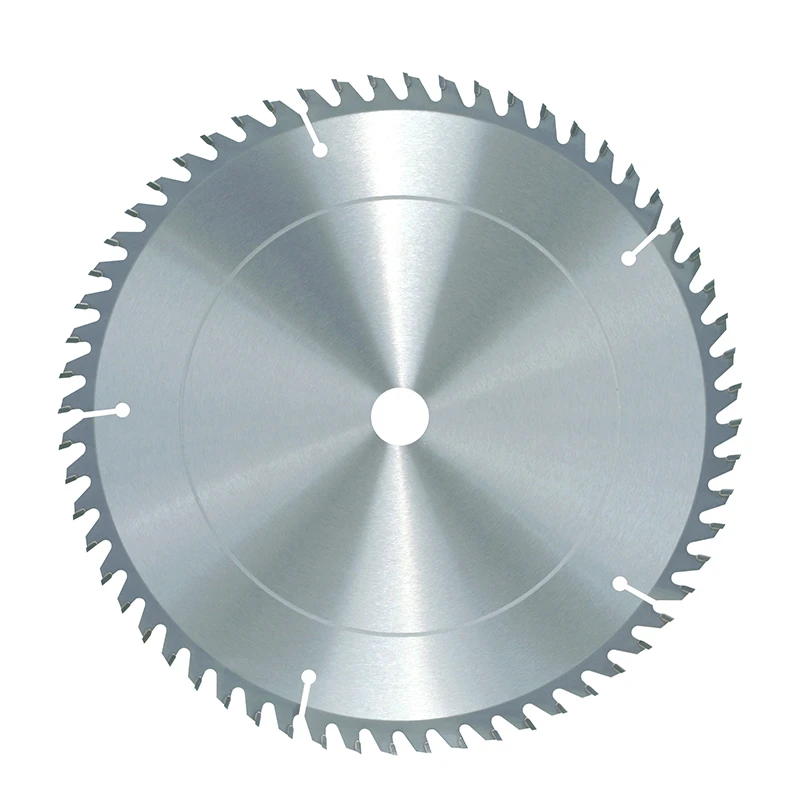
Working around industrial equipment for over a decade, I’ve grown an appreciation for tools that just keep on going without fuss. Among those, the trusty 230mm diamond cutting blade always stands out. It’s a bit of a quiet hero in construction and fabrication circles. You don’t see it stealing the spotlight like big machinery, but without it? Well, projects stall, and frustration climbs. Oddly enough, the size—230mm—hits a sweet spot. Large enough to cut through concrete, asphalt, and dense stone, yet compact enough to fit handheld grinders or smaller saws that allow quick maneuvering. If you’re cutting rebar in concrete or tackling tiles for renovation, you want that exact precision without lugging an unwieldy saw. Many engineers I know swear by diamond segments bonded with special metallic powders; the blade has to balance hardness with heat resistance. Not all diamonds—or blades—are made equal. Some chip too easily, others wear out after a few cuts. So the right blend keeps your blade sharper, longer, meaning fewer stops to change discs mid-job. I remember one project last summer where time was tight, and the concrete slabs were thick. The blade we relied on not only sliced clean but stayed cool enough that the operator could maintain steady pressure without slowing down. These days, performance speaks louder than labels, and the right diamond blade will quickly pay for itself by saving hours of downtime.What to look for in a 230mm diamond cutting blade
When you’re sizing up options, think about: - Segment type: Continuous rim for smooth tile cuts; segmented for masonry and concrete. - Bond hardness: Softer bonds wear quicker but cut harder materials better. Harder bonds last longer on abrasive materials. - Core steel quality: A well-built core reduces vibration, extends blade life, and enhances safety. - Maximum rotation speed: Must match or exceed the tool's RPM to avoid blade damage or injury. There’s no secret sauce, more a recipe refined over years. And a little field testing never hurts. Sometimes you pick a blade that sounds good on paper but falls short on abrasive stone – or worse, sparks like a firecracker!| Feature | Specification |
|---|---|
| Diameter | 230 mm (9 inches) |
| Segment Height | 10 mm – 12 mm |
| Segment Type | Segmented or Continuous Rim |
| Maximum RPM | 6,600 - 7,800 |
| Material | Diamond + metal bond + steel core |
| Typical Applications | Concrete, brick, asphalt, tile, stone |
Comparing top vendors supplying 230mm diamond blades
Choosing a supplier is as much about reliability and consistency as product specs. Over the years, I’ve noticed some vendors focus heavily on low cost but skimp on segment quality. Others charge a premium but back it with warranty and batch testing certificates. Here’s a quick rundown of three common suppliers in this space — their pros and quirks, as I’ve experienced them:| Vendor | Build Quality | Price Point | Delivery & Support | Best for |
|---|---|---|---|---|
| DiamondPro Tools | Consistent, industrial-grade | Mid-high | Reliable, fast | Heavy-duty concrete cutting |
| CutMaster Supply | Good, but varies by batch | Budget-friendly | Average | Small to mid range projects |
| PrecisionBlade Co. | High, tested rigorously | Premium | Dedicated client service | Specialized or large-scale jobs |
Final thoughts on selecting your diamond cutting blade
Honestly, the blade itself is just one part of the puzzle. Operator skill, saw maintenance, and even ambient conditions affect performance. But if you start with a solid diamond cutting blade 230mm, you're already ahead. It’s worth investing a little time to test different blades yourself, especially if you’re dealing with uncommon materials. I’ve had more than one contractor tell me that their “go-to blade” saved the day when specs turned out rougher than expected on-site. If you’ve been through the same debates—or found a hidden gem of a blade—drop a note sometime. There’s always something new in this field, even after many years.
References:
- Industrial Diamond Blade Technology Review, EquipMag 2023
- Field Tests on Concrete Cutting Performance, Builder’s Digest 2022
- Vendor Reliability Surveys, Construction Tools Quarterly 2023
Products
Related Products
Related Products




Can't Find The Products And Services You Need?
If you need our help,
Our staff will be happy to help and answer your questions!


Address
No.30 Gaoying Road ,Chang'an District,Shijiazhuang,Hebei Province
Business Hours
Mon to Saturday : 8.00 am - 7.00 pm
Sunday & Holidays : Closed
.png )

HeBei ShengShi HongBang Cellulose Technology CO.,LTDRoom 1904, Building B, Wanda Office Building, JiaoYu Road, Xinji City, Hebei Province


Copyright © 2026 Mingye tools Technologies Co.,Ltd All Rights Reserved. Sitemap | Privacy Policy | Top Blog | Global Service


