


Durable Diamond Disc 300mm – Precision Cutting Tools for Industry & Construction
Understanding the Magic Behind the Diamond Disc 300mm
If you're involved in cutting, grinding, or any heavy-duty construction or manufacturing work, you’ve probably heard of the diamond disc 300mm. But why does this tool attract so much attention globally? In short, diamond discs—especially the 300mm size—are revolutionizing how industries approach material cutting challenges, combining precision, longevity, and efficiency like few others. Why does it matter on a broader scale? The construction industry alone accounted for around 13% of global GDP according to the World Bank, and modern infrastructure projects demand durable tools that minimize downtime. The diamond disc 300mm meets that need and plays a critical role in everything from skyscraper construction to roadwork in remote regions. Understanding this tool isn't just useful for industry insiders; it’s essential for anyone interested in sustainable, cost-effective industrial operations worldwide.The Global Context: Why the Diamond Disc 300mm is More Relevant Than Ever
Today, infrastructure is booming worldwide—projects stretching from Asia’s megacities to African development corridors. According to the International Organization for Standardization (ISO), reliable cutting tools are key to safety and productivity. Yet challenges like rising costs and environmental concerns put pressure on suppliers and users alike. Here’s where the 300mm diamond disc shines. Its size is a sweet spot—big enough for heavy materials like concrete or reinforced stone, yet manageable for mobile, site-level work. Its global uptake reflects the increasing demand for tools that combine raw power with finesse, especially in environments where every minute and every cut counts. Take post-disaster relief, for example—the UN notes that construction tools that can work fast and last long reduce rebuilding times dramatically. Diamond discs are often the unsung heroes behind such rapid recoveries. Mini takeaway: The diamond disc 300mm isn’t just a tool; it’s a quiet enabler of global development, bridging the gap between industrial expectations and harsh real-world conditions.What Exactly Is a Diamond Disc 300mm?
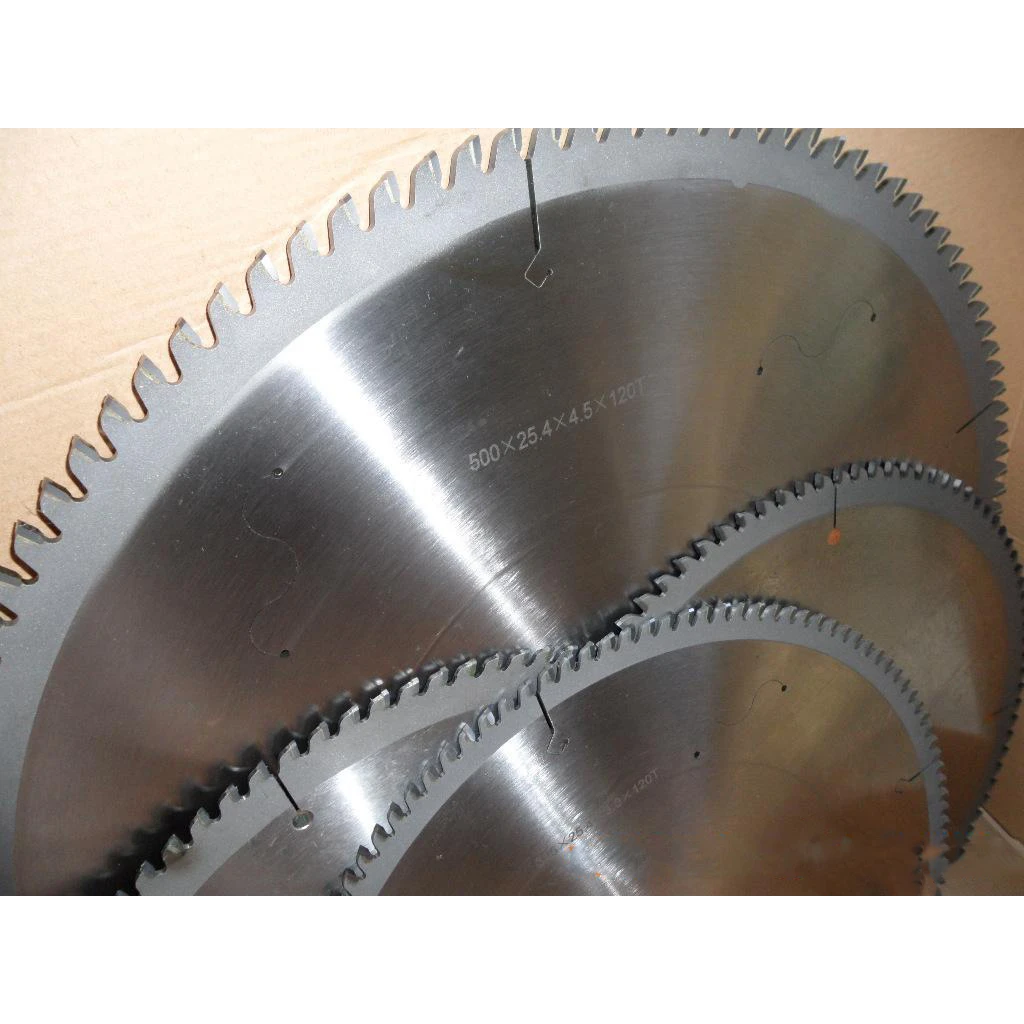
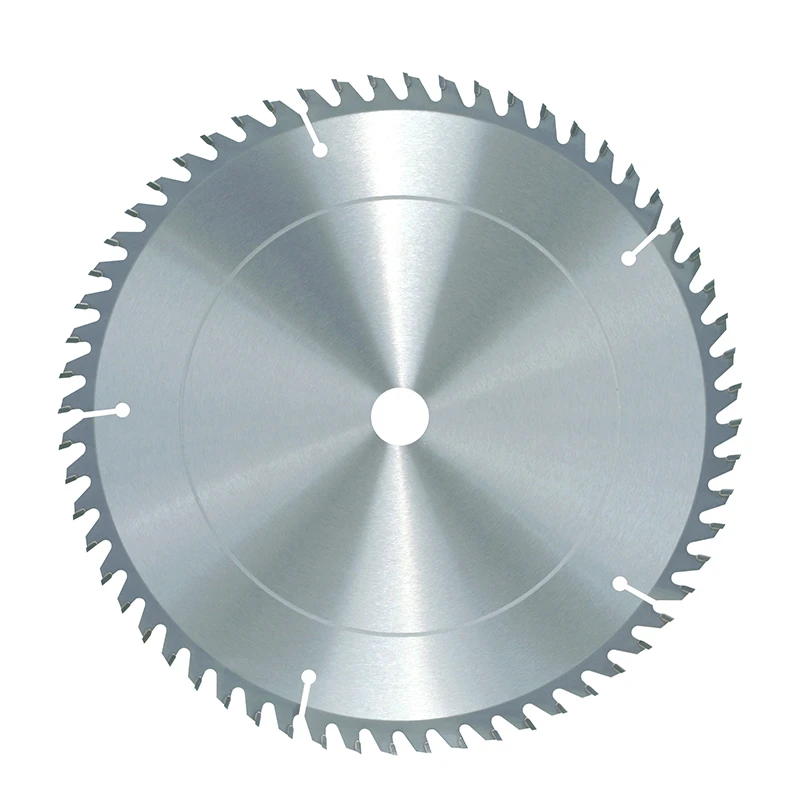
Simply put, a diamond disc 300mm is a circular saw blade roughly 300 millimeters in diameter with edges embedded with diamond grit. Diamonds, the hardest naturally occurring material, are used because they can slice through concrete, ceramics, and even hard metals with surprising ease. This disc differs from typical abrasive blades thanks to its bonding technology—the diamond grit is fused into a metal matrix, allowing for long service life and cleaner cuts. Industries such as construction, mining, and stone fabrication rely heavily on these discs to reduce waste and increase accuracy. Frankly, the diamond disc 300mm is kind of like a surgeon’s scalpel for concrete—a precise, tough tool that gets the job done fast.Core Features That Make the Diamond Disc 300mm Stand Out
1. Durability and Hardness
Diamond grit combined with metal bonds ensures the blade withstands wear and tear longer than traditional discs. This durability means fewer replacements on long projects.2. Versatility Across Materials
While concrete is the common target, these discs can cut reinforced concrete, asphalt, bricks, tiles, and even metals. This universal applicability allows companies to use one tool across different operations.3. Precision and Smooth Finish
Unlike abrasive wheels that might leave rough edges, diamond discs often produce cleaner, straighter cuts, reducing the need for rework.4. Cost Efficiency Over Time
Though the upfront cost may be higher than standard blades, the lifespan and efficiency balance it out—less downtime, fewer blades to buy, and less labor cost.5. Compatibility
The 300mm size fits most handheld and walk-behind cutters, making it easy to integrate with existing equipment fleets. Mini takeaway: Investing in a diamond disc 300mm isn’t just buying a cut tool—it’s buying reliability, flexibility, and cost control.Practical Applications Around the World
The diamond disc 300mm has found homes in some pretty diverse places and purposes: - Infrastructure development in Asia: Projects erecting urban rail networks depend on diamond discs for cutting through reinforced concrete at high speed. - Mining operations in Australia: The abrasive nature of ores demands blades that don’t wear out fast. - Post-disaster reconstruction in the Caribbean: Quick restoration of buildings after hurricanes relies heavily on reliable cutting tools. - Tile and stone fabrication in Europe: Precision cuts on expensive materials help reduce waste dramatically. In fact, many engineers working in remote industrial zones praise how this disc withstands harsh dust, moisture, and temperature swings without loss of performance.Diamond Disc 300mm Specification Table
| Specification | Details |
|---|---|
| Diameter | 300 mm (12 inches) |
| Segment Height | 10 mm |
| Bond Type | Metal Bond |
| Max RPM | 4800 |
| Application | Concrete, Asphalt, Stone, Metals |
| Typical Lifespan | Up to 700 linear meters cut |
Comparing Top Diamond Disc 300mm Vendors
| Vendor | Price Range | Warranty | Unique Benefits |
|---|---|---|---|
| SharpCut Tools | $50-$70 | 12 months | Innovative segment design for heat dissipation |
| DiamondEdge Pro | $60-$80 | 18 months | Eco-friendly metal bonds, recyclable packaging |
| UltraBlade Inc. | $55-$75 | 24 months | Customizable grit sizes for specialized cuts |
Why Choosing the Right Diamond Disc Matters: Advantages & Long-Term Value
If you’re hiring equipment or maintaining a cutting fleet, selecting the correct diamond disc 300mm goes beyond just fitting the saw. Consider: - Cost savings over time: Because these discs last longer, they end up cheaper per meter cut. - Safety: Cleaner cuts reduce kickbacks and accidents—something every site manager worries about. - Environmental sustainability: Fewer replacements mean less waste. Many vendors are even innovating in recyclable materials. - Social impact: Fast, precise cutting means projects end sooner, benefiting communities with faster infrastructure availability. Plus, it feels good knowing the tool in your hands is engineered to be dependable. Innovation breeds trust, and in heavy industries, trust is everything.Looking Ahead: Future Trends in Diamond Disc 300mm Technology
The world’s not standing still. Materials scientists are eyeing greener metal bonds that reduce environmental footprint — and smart discs embedded with sensors to monitor wear in real-time. Automation in construction suggests future diamond discs may integrate into fully robotic cutting stations. Digital twins of discs? Yes, actually — some firms are exploring virtual maintenance and tool life predictions. There's also a push for versatile designs that fit hybrid cutting technologies, marrying laser and mechanical abrasion. The diamond disc 300mm of tomorrow could be less a blade and more of a smart, adaptive machine component. Kind of sci-fi, huh?Challenges & How Industry Experts Are Overcoming Them
No tool is perfect. Diamond discs can be pricey upfront, and improper use leads to wobbling or premature wear. Plus, in ultra-hard materials, even diamonds can dull faster than you’d like. Experts recommend matching the disc’s bond hardness and grit size carefully to the material hardness: too soft a bond and the diamonds get pulled out early; too hard and they get clogged. Precision manufacturing and regular maintenance checks also extend life. Innovations in segment design and coatings are making heat dissipation better, which tackles the common issue of blade warping on long jobs. Mini takeaway: With knowledge and proper handling, the common pitfalls become manageable quirks rather than dealbreakers.FAQ: Your Key Questions About Diamond Disc 300mm
Q1: Can the 300mm diamond disc cut through reinforced concrete safely?A: Yes, when using the correct bond and segment design. Reinforced concrete is tough, but a properly chosen diamond disc 300mm can cut it effectively with reduced noise and dust. Q2: How long does a typical diamond disc 300mm last in heavy industrial use?
A: Lifespans vary by material and conditions but expect around 500-700 linear meters of cutting. Proper cooling and maintenance can extend this. Q3: Is the diamond disc 300mm compatible with all handheld cutters?
A: Most handheld cutters accept 300mm blades, but always verify the spool size and rpm limits specified by the manufacturer. Q4: Are these discs recyclable or eco-friendly?
A: More manufacturers now use eco-conscious metal bonds and packaging. Some programs exist to recycle the leftover metal parts, promoting sustainability.
Wrapping Up: Why the Diamond Disc 300mm is an Essential Industrial Ally
All told, investing in a diamond disc 300mm is about more than just getting the job done. It’s about cutting smarter, safer, and greener. When you need a tool that balances durability with precision, plus the trust of experts across the globe, this is often the go-to choice. For those ready to step up their cutting game or learn more, I highly recommend checking out the full specs and offerings at www.mydiamondblade.com. Sometimes, it’s the small slice that makes all the difference. Cheers to sharper, smoother cutting ahead!References
Products
Related Products
Related Products



Can't Find The Products And Services You Need?
If you need our help,
Our staff will be happy to help and answer your questions!


Address
No.30 Gaoying Road ,Chang'an District,Shijiazhuang,Hebei Province
Business Hours
Mon to Saturday : 8.00 am - 7.00 pm
Sunday & Holidays : Closed
.png )

HeBei ShengShi HongBang Cellulose Technology CO.,LTDRoom 1904, Building B, Wanda Office Building, JiaoYu Road, Xinji City, Hebei Province


Copyright © 2026 Mingye tools Technologies Co.,Ltd All Rights Reserved. Sitemap | Privacy Policy | Top Blog | Global Service


