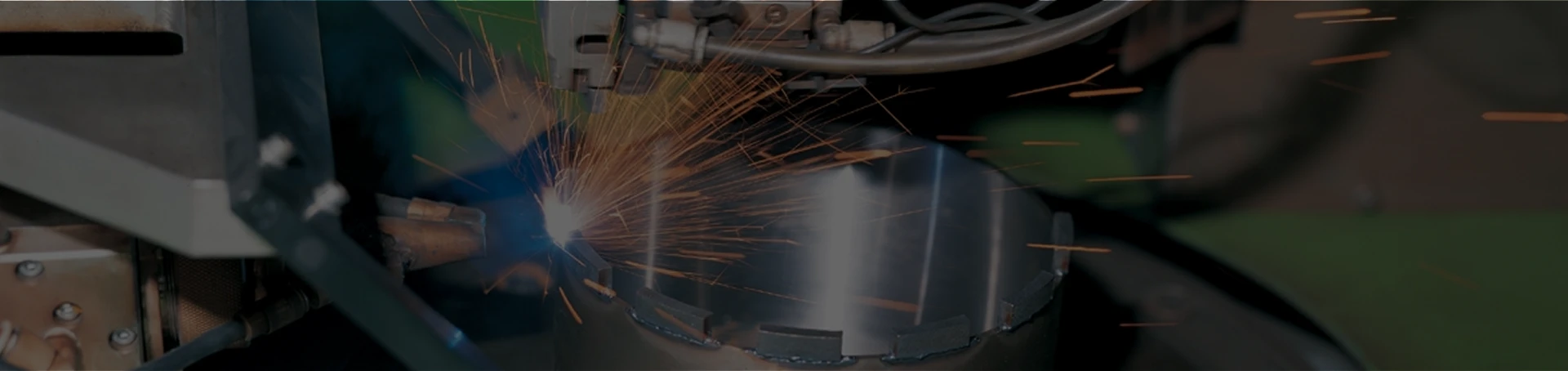
Durable Double Row Cup Wheel for Aggressive Concrete Grinding
Introduction to Diamond Double Row Cup Wheels
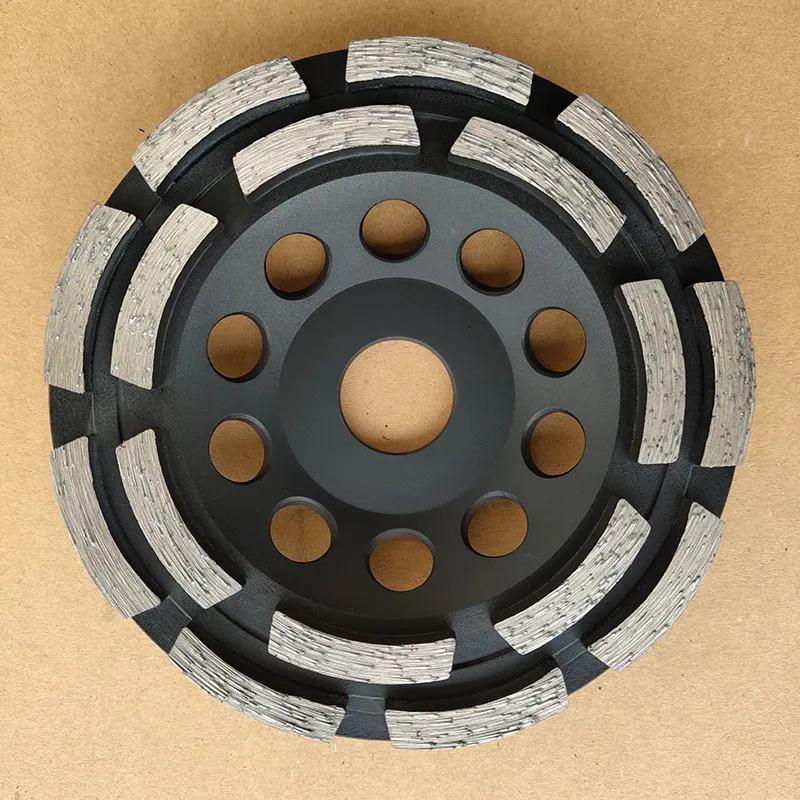
In the demanding world of construction, concrete preparation, and material removal, the choice of abrasive tools significantly impacts efficiency, finish quality, and project timelines. Among the most critical components for aggressive material removal and surface leveling is the double row cup wheel. This specialized diamond tool is engineered for robust performance across various hard surfaces, primarily concrete, masonry, brick, and stone.
The unique double-row segment configuration distinguishes these wheels, offering a superior balance between rapid material removal and extended tool life compared to single-row designs. Professionals rely on the advanced geometry of a double row cup wheel for tasks ranging from preparing concrete floors for new coatings to removing stubborn mastics and epoxies. Its robust construction, typically featuring industrial-grade diamonds brazed to a high-strength steel core, ensures durability and consistent performance in the most challenging applications. This article delves into the technical intricacies, application advantages, and market trends surrounding this indispensable grinding solution.
Industry Trends in Abrasive Technology
The abrasive tools market, particularly for diamond-based solutions, is experiencing continuous innovation driven by demand for greater efficiency, precision, and sustainability. Global market analysis indicates a steady growth in the diamond tools sector, projected to reach over USD 20 billion by 2027, primarily fueled by expansion in construction and infrastructure development. Key trends influencing the development and adoption of tools like the double row diamond cup grinding wheel include:
- Enhanced Durability and Lifespan: Manufacturers are investing in advanced bonding technologies and higher-grade synthetic diamonds to extend the service life of abrasive wheels, reducing replacement costs and downtime for end-users.
- Optimized Performance Metrics: Focus on improving grinding speed, material removal rates (MRR), and surface finish quality while minimizing vibration and heat generation. This directly translates to energy savings and reduced operator fatigue.
- Application-Specific Tooling: Development of highly specialized tools tailored to specific materials and tasks, such as specific bond matrices for abrasive concrete versus hard, dense concrete, or particular segment configurations for aggressive stock removal versus finer finishing.
- Safety and Ergonomics: Innovations aimed at reducing dust exposure, dampening vibration, and ensuring tool stability are paramount, adhering to stringent occupational safety standards.
- Sustainable Manufacturing Practices: Growing emphasis on environmentally responsible production processes, including energy-efficient manufacturing and the use of recyclable materials where feasible.
These trends underscore the importance of precision engineering and material science in producing high-performance tools like the double row cup grinding wheel, which must meet increasingly rigorous demands from the construction and industrial sectors.
Detailed Manufacturing Process of the Double Row Cup Wheel
The production of a high-quality double row cup wheel is a sophisticated process that combines metallurgical expertise with advanced diamond technology. The goal is to create a tool that offers exceptional wear resistance, aggressive cutting action, and a long service life.
Materials Selection:
- Diamond Grit: High-grade synthetic industrial diamonds are meticulously selected based on their size, shape, and toughness. For aggressive grinding, larger and more robust diamond particles are preferred.
- Metal Bond Matrix: The diamonds are embedded within a metallic matrix, typically a blend of cobalt, nickel, iron, copper, and tungsten carbide powders. The specific composition of this matrix dictates the bond hardness and its wear rate, which must be carefully matched to the intended application material (e.g., a harder bond for abrasive materials, a softer bond for hard, dense materials).
- Steel Core: The body of the cup wheel is typically made from high-strength, heat-treated steel, providing the necessary structural integrity, rigidity, and balance for high-speed rotation.
Manufacturing Process Steps:
- Powder Blending: The selected metal powders and diamond grit are precisely measured and blended to ensure a homogeneous mixture.
- Segment Formation (Pressing): The diamond-metal powder mixture is loaded into molds and subjected to high pressure, forming the individual grinding segments. This cold pressing stage creates a "green" compact.
- Sintering: The green segments are then sintered in a controlled atmosphere furnace at high temperatures (typically 800-1200°C), below the melting point of the main constituents. This process fuses the metal powders, creating a dense, wear-resistant matrix that firmly encapsulates the diamond crystals. This step is critical for developing the bond's mechanical properties and ensuring optimal diamond retention.
- Core Machining: Simultaneously, the steel core is precision-machined, often using CNC technology, to exact dimensions, ensuring concentricity and balance.
- Brazing: The sintered diamond segments are securely brazed onto the steel core. Brazing involves using a filler metal with a lower melting point than the steel core and segments to create a strong metallurgical bond, ensuring the segments remain firmly attached during high-stress grinding operations.
- Grinding and Sharpening: After brazing, the wheel's face may undergo a light grinding process to expose the initial layer of diamonds, ensuring immediate cutting action upon first use.
- Balancing: Each finished cup wheel undergoes dynamic balancing to minimize vibration during operation, which improves grinding performance, extends tool life, and reduces stress on the grinding machine and operator.
- Quality Control & Testing: Throughout the process, strict quality control measures are implemented. Final products are tested for segment adhesion, balance, dimensional accuracy, and overall structural integrity. Adherence to international standards like ISO 9001 for quality management and ANSI B7.1 for safety of abrasive wheels is paramount.
The resulting double row cup wheel is a testament to precision engineering, offering extended service life (often hundreds of hours depending on application and material) and exceptional performance. These tools are indispensable in target industries such as commercial and industrial construction, concrete finishing, infrastructure development, and even specialized applications within petrochemical and metallurgy where surface preparation is critical for corrosion resistance and structural integrity.
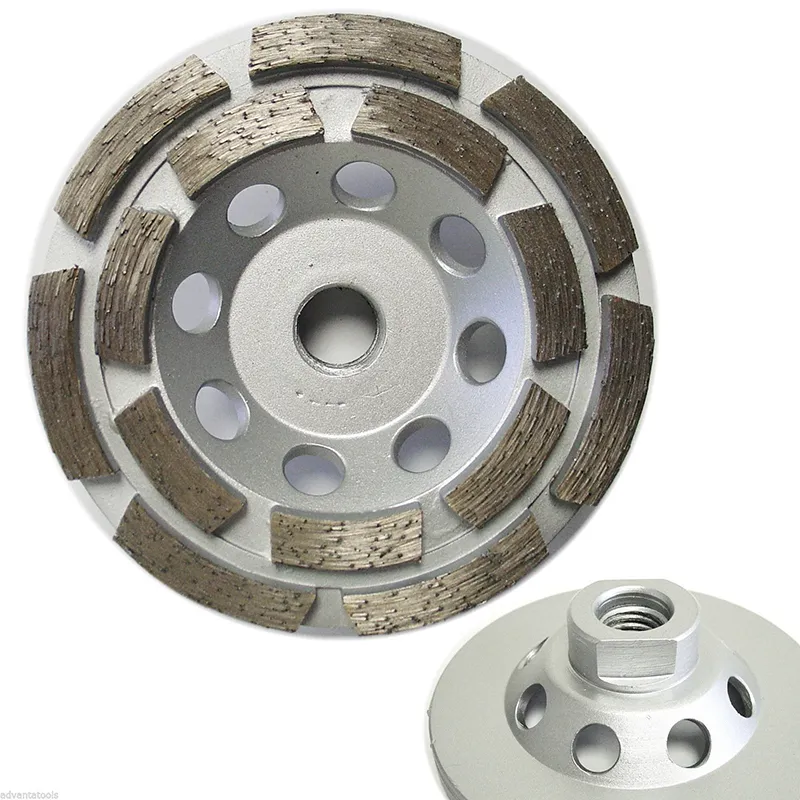
Technical Specifications and Performance Parameters
Understanding the technical specifications of a double row cup wheel is crucial for selecting the appropriate tool for a given application. These parameters directly influence the wheel's performance, durability, and compatibility with grinding equipment.
Key Specifications:
| Parameter | Description | Typical Range/Value |
|---|---|---|
| Diameter | Overall diameter of the grinding wheel. | 4 inches (100mm) to 9 inches (230mm); commonly 4 in double row diamond cup wheel (100mm) or 7 inches (178mm). |
| Arbor Size / Bore Diameter | The diameter of the hole in the center of the wheel, matching the grinder's spindle. | 7/8" (22.23mm), 5/8"-11 threaded, M14 threaded. |
| Segment Height | The vertical height of the diamond grinding segments. | 5mm to 10mm (influences lifespan). |
| Diamond Concentration | The volume percentage of diamond particles within the metal bond. | Medium to High (25% to 35% by volume for general purpose). |
| Bond Hardness | Soft, Medium, or Hard bond for different material types. | Soft for hard materials (e.g., granite), Hard for abrasive materials (e.g., green concrete). |
| Max RPM | Maximum revolutions per minute the wheel can safely operate at. | 6,000 to 15,000 RPM (depends on diameter). |
The "double row" configuration means that two concentric rings of diamond segments are arranged on the wheel's face. This design significantly increases the surface area of active diamonds, leading to faster material removal and a smoother, more even grind pattern. For instance, a diamond concrete grinding disc 100 x 22mm double row will leverage this design for both aggression and extended durability when used on challenging concrete surfaces.
Performance Metrics:
- Grinding Rate (Material Removal Rate): Measured in grams per minute or cubic centimeters per minute, indicating how quickly the wheel removes material. High-quality double row wheels typically exhibit superior MRR.
- Tool Life: The total operational hours or square footage covered before the wheel needs replacement. Influenced by segment height, bond, and application.
- Surface Finish: The quality of the ground surface, often measured in Ra (roughness average). Double row designs often provide a more consistent finish due to their balanced grinding action.
- Vibration Levels: Minimized vibration is critical for operator comfort, machine longevity, and grinding precision. Advanced balancing techniques contribute to low vibration.
These technical parameters highlight why selecting a well-engineered double row cup wheel from a reputable manufacturer is essential for achieving optimal grinding results and ensuring long-term value.
Application Scenarios and Industry Benefits
The versatility and robust performance of the double row cup wheel make it an indispensable tool across a broad spectrum of industrial and construction applications. Its design is specifically optimized for aggressive grinding and surface preparation on tough materials.
Primary Application Scenarios:
- Concrete Floor Preparation: Essential for leveling uneven concrete surfaces, removing high spots, and preparing floors for new coatings, sealants, or overlays in commercial, industrial, and residential settings.
- Mastic and Epoxy Removal: Highly effective in stripping old adhesives, glues, epoxies, paints, and other coatings from concrete substrates, vital for renovation and refurbishment projects.
- Surface Profiling and Texturing: Creating a consistent profile on concrete to enhance adhesion for subsequent applications or to achieve a specific anti-slip texture.
- Grinding Masonry and Brick: Ideal for shaping, smoothing, and removing excess material from brick, block, and various masonry products during construction or repair.
- Edge Grinding: The robust nature of these wheels makes them suitable for grinding edges and corners where other tools may struggle, ensuring uniformity across the entire surface.
- Form Mark Removal: Eliminating imperfections, form lines, and efflorescence from newly poured concrete.
Industry Benefits:
The use of an optimized double row cup wheel delivers tangible benefits across various sectors, including:
- Construction & Infrastructure: Facilitates rapid project completion through efficient material removal, reducing labor costs and improving overall productivity. In infrastructure, such as bridge deck repairs or road resurfacing, speed and durability are paramount.
- Petrochemical & Industrial Facilities: Crucial for preparing concrete bases for heavy machinery, ensuring a perfectly level and stable foundation. This is vital for equipment longevity and operational safety. Where corrosion resistance is paramount for equipment bases, proper surface preparation ensures optimal coating adhesion.
- Metallurgy & Heavy Manufacturing: Though less common, in some foundries or heavy manufacturing plants, they might be used for preparing concrete surfaces subjected to extreme conditions or for specific material handling area maintenance.
- Water Supply & Drainage: Used in the preparation of concrete channels, sumps, or reservoirs, ensuring smooth surfaces for efficient water flow or proper adhesion of waterproof membranes.
- Energy Saving: The high efficiency of these wheels means less time spent on grinding tasks, translating into reduced energy consumption for the power tools used. Their balanced design and effective cutting action minimize wasted energy due to vibration or inefficient abrasion.
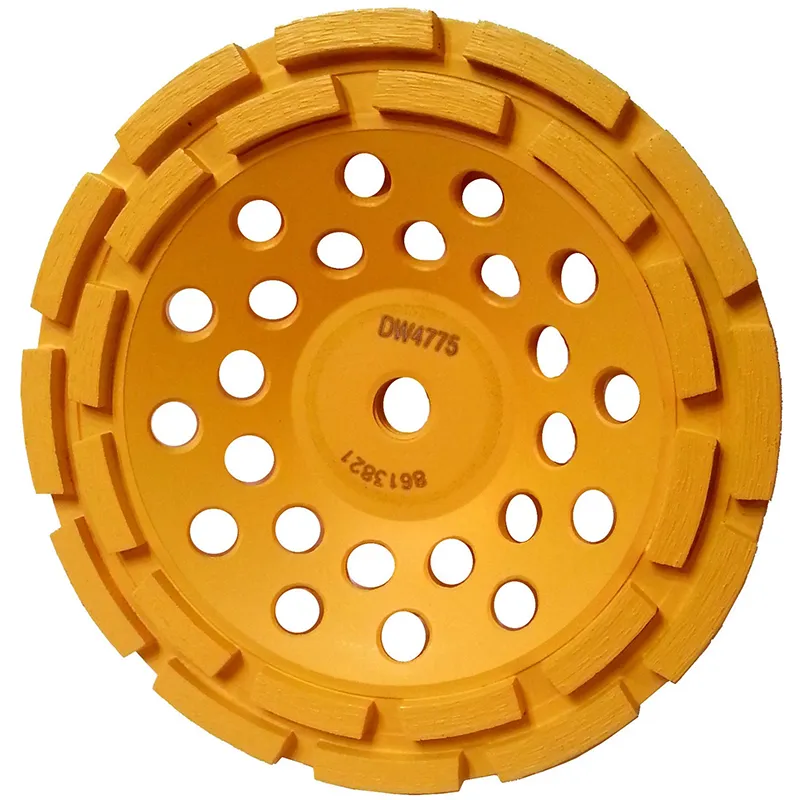
The robust construction and superior grinding action ensure that the diamond tools maintain their edge, providing reliable performance in these critical industrial environments.
Technical Advantages of Double Row Design
The "double row" segment configuration is not merely a design choice; it represents a significant engineering enhancement that provides distinct technical advantages over other cup wheel designs, such as single-row or turbo segments. These advantages contribute directly to improved performance, longevity, and cost-effectiveness.
- Enhanced Aggression and Material Removal: With two concentric rows of diamond segments, the double row cup wheel presents a larger active grinding surface area. This allows for more diamond particles to engage with the material simultaneously, leading to significantly higher material removal rates (MRR). This aggression is particularly beneficial for quickly removing thick coatings, leveling major unevenness, or preparing deeply scarred surfaces.
- Superior Balance and Reduced Vibration: The symmetrical distribution of segments in a double-row pattern inherently contributes to better wheel balance. This reduced vibration not only enhances operator comfort and safety but also extends the lifespan of the grinding equipment by minimizing wear and tear on bearings and motors. Furthermore, less vibration translates into a more consistent and predictable grinding action, leading to a smoother finish.
- Extended Lifespan: The increased volume of diamond segments means there are more active abrasive elements to wear down before the wheel is exhausted. This directly translates to a longer operational life compared to single-row wheels, reducing the frequency of tool changes and associated downtime. For demanding projects, the longevity of a double row cup wheel offers significant cost savings over the project's duration.
- Efficient Cooling and Debris Removal: The gaps between the double rows of segments, along with the larger channels between individual segments, facilitate efficient airflow and egress for grinding dust and debris. This helps to dissipate heat generated during grinding, preventing premature wear of the diamonds and bond matrix. Effective debris removal also prevents "loading" (clogging) of the wheel, maintaining consistent cutting performance.
- Versatility Across Material Hardness: While a double-row wheel is often chosen for aggressive removal, its balanced design allows for excellent performance across various concrete hardness levels when paired with the correct bond matrix. It can be a versatile choice for both soft, abrasive concrete and harder, denser concrete types.
- Consistent Scratch Pattern: The overlapping action of the two rows of segments helps to create a more consistent and even scratch pattern on the surface. This is important for preparing surfaces where subsequent coatings or polishing steps require a uniform profile for optimal adhesion and aesthetics.
In summary, the double-row design of these diamond cup wheels represents an optimal balance between aggressive grinding power and tool durability, making them a preferred choice for professionals seeking efficiency and reliability.
Vendor Comparison and Selection Criteria
Choosing the right supplier for a double row cup wheel is as critical as selecting the right tool itself. The market offers a wide array of options, and discerning professionals must evaluate vendors based on several key criteria to ensure product quality, reliability, and long-term value.
Key Factors for Vendor Evaluation:
- Diamond Quality and Sourcing: Reputable manufacturers utilize high-grade synthetic industrial diamonds, often specifying their origin and quality. Inferior diamonds can lead to premature wear and inefficient grinding.
- Bond Formulation Expertise: The composition of the metal bond matrix is critical. Leading vendors invest heavily in R&D to develop proprietary bond formulations optimized for specific applications (e.g., hard, soft, or medium bonds for varying concrete types).
- Manufacturing Consistency and Quality Control: Look for vendors with robust quality management systems (e.g., ISO 9001 certified) that ensure consistent product quality, dimensional accuracy, and proper segment brazing across batches.
- Certifications and Standards Compliance: Adherence to safety standards like ANSI B7.1 for abrasive wheels, as well as product performance certifications, indicates a commitment to quality and safety.
- Customer Support and Technical Expertise: A strong vendor provides expert technical advice on tool selection, usage, and troubleshooting. Post-sales support and clear communication are invaluable.
- Product Range and Customization: A comprehensive product catalog and the ability to offer customized solutions (e.g., specific diameters, arbor sizes, or bond types) demonstrate a deep understanding of customer needs.
- Reputation and Industry Experience: Vendors with a long track record and positive industry reputation, backed by client testimonials and case studies, inspire greater confidence.
General Comparison Table (Illustrative):
| Feature | Premium Vendor (e.g., MyDiamondBlade) | Mid-Tier Vendor | Budget Vendor |
|---|---|---|---|
| Diamond Quality | Industrial-grade, high concentration, consistent sizing. | Commercial-grade, moderate concentration. | Lower grade, variable quality, inconsistent. |
| Bond Technology | Proprietary blends, application-specific, advanced metallurgy. | Standard blends, general purpose. | Basic, less durable formulations. |
| Manufacturing QA | ISO 9001 certified, rigorous testing, dynamic balancing. | Standard checks, basic balancing. | Minimal checks, potential for imbalance. |
| Tool Lifespan | Excellent, optimized for longevity and performance. | Good, acceptable for general use. | Short, frequent replacements needed. |
| Performance (MRR) | High aggression, fast material removal. | Moderate, satisfactory for light tasks. | Low, slow and inefficient. |
| Technical Support | Comprehensive, expert-level advice. | Basic, product-focused. | Limited or non-existent. |
Investing in a high-quality double row cup wheel from a reputable vendor translates to superior project outcomes, reduced operational costs due to extended tool life, and enhanced safety for operators. MyDiamondBlade, for example, specializes in providing such high-performance diamond tooling, backed by years of industry experience and a commitment to quality.
Customized Solutions for Specialized Applications
While standard double row cup wheel configurations meet the needs of many general grinding tasks, specialized projects often require tailored solutions. Customization capabilities are a hallmark of an authoritative and customer-centric manufacturer, allowing them to address unique material challenges, equipment compatibility, and performance requirements.
Key Areas of Customization:
- Bond Type and Hardness: The most frequent customization involves modifying the metal bond matrix. A manufacturer can formulate a softer bond for very hard, dense concrete or stone to ensure the diamonds wear away efficiently to expose new, sharp edges. Conversely, a harder bond is used for abrasive materials like green concrete or soft brick to prevent premature diamond loss.
- Diamond Concentration and Grit Size: For ultra-aggressive material removal on specific surfaces, diamond concentration can be increased. Similarly, a coarser grit size can be specified for maximum stock removal, or a finer grit for achieving a smoother, more refined surface finish.
- Diameter and Arbor Size: While standard sizes exist (e.g., 4 inches, 7 inches), some specialized grinding machines or unique access requirements may necessitate custom diameters or non-standard arbor hole configurations. This ensures perfect compatibility with existing equipment.
- Segment Design and Configuration: Beyond the standard double-row, a manufacturer might offer variations in segment shape, number, or spacing to optimize for specific applications like dust control, aggressive profiling, or extended life on particular materials.
- Cooling Holes/Slots: Custom designs can include additional or reconfigured cooling holes in the steel core to improve heat dissipation and extend segment life in extreme grinding conditions.
A leading manufacturer with deep material science and engineering expertise will work closely with clients to understand their specific challenges and design a diamond concrete grinding disc that precisely meets those needs. This collaborative approach not only optimizes performance but also minimizes project risks and costs by ensuring the right tool for the job. Our team has extensive experience in developing bespoke solutions for clients in demanding sectors, leveraging our state-of-the-art manufacturing capabilities.
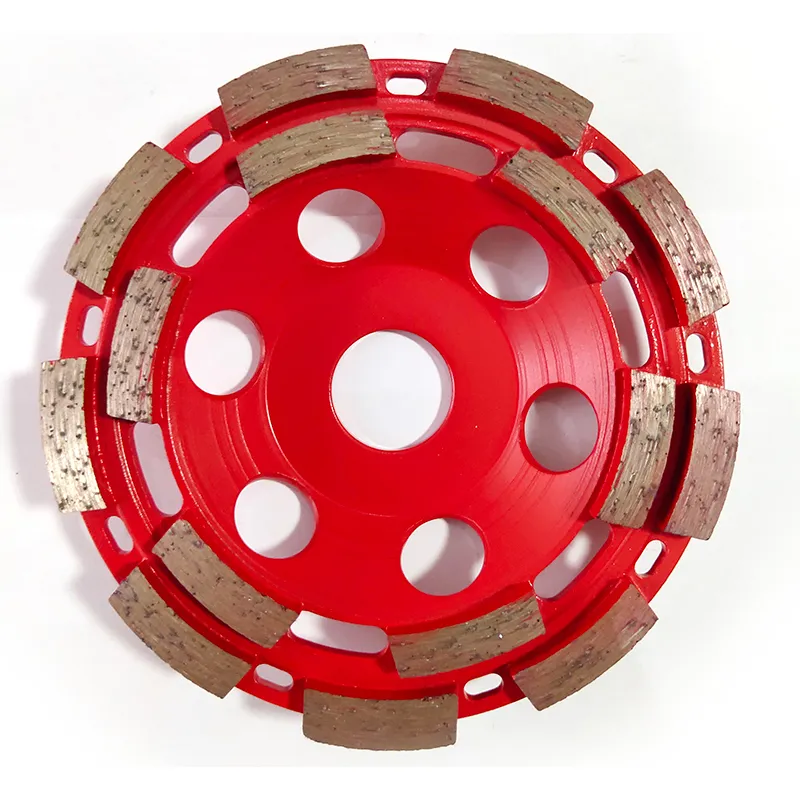
Real-World Application Case Studies
Theoretical advantages are best demonstrated through practical application. Here, we present real-world scenarios where the superior performance of our double row cup wheel has delivered significant benefits to our clients.
Case Study 1: Large-Scale Commercial Warehouse Floor Leveling
Client: A leading logistics company undertaking the renovation of a 100,000 sq ft distribution center in Dallas, TX. The existing concrete floor had significant elevation differences (up to 3/8 inch in some areas) and old, peeling epoxy coatings that needed complete removal before applying a new, high-performance floor system.
- Challenge: Rapidly level a large, uneven concrete surface and strip tenacious epoxy coatings while minimizing dust and ensuring a consistent profile for new flooring.
- Solution: The client utilized our 7-inch double row cup wheel (hard bond for the abrasive epoxy and underlying concrete) on walk-behind concrete grinders, coupled with high-efficiency dust collection systems.
- Outcome: The double-row design's aggressive material removal capabilities allowed for 25% faster floor preparation compared to previous projects using standard turbo cup wheels. The extended lifespan of the wheels reduced tool changeovers by 40%, contributing to significant labor and material cost savings. The client achieved a perfectly leveled and profiled surface, leading to excellent adhesion for the new flooring.
Case Study 2: Infrastructure Repair – Bridge Deck Resurfacing
Client: A state Department of Transportation contractor performing routine maintenance and resurfacing on a highway bridge deck. The surface had deteriorated due to heavy traffic and weather, requiring the removal of approximately 1/4 inch of concrete before applying a new overlay.
- Challenge: Efficiently remove a consistent layer of worn concrete from a large bridge deck area within tight deadlines, under varying ambient temperatures.
- Solution: Our specialized diamond concrete grinding disc 100 x 22mm double row (medium-hard bond) was deployed on handheld grinders for detailed edge work and smaller sections, complementing larger surface grinders.
- Outcome: The double-row's robust segments provided consistent, aggressive cutting action, allowing the crew to maintain high productivity. The superior balance of the wheels reduced operator fatigue during prolonged use. The project was completed ahead of schedule, with the client specifically praising the durability and reliability of the tools in demanding conditions, stating they "outperformed previous brands by a clear margin in terms of speed and longevity."
Case Study 3: Petrochemical Plant Concrete Containment Area Renovation
Client: An industrial maintenance contractor for a major petrochemical facility in Houston, TX. They needed to remove a heavily contaminated, chemical-resistant coating from a concrete containment area before applying a new, more robust chemical barrier. The existing coating was extremely hard and tightly bonded.
- Challenge: Remove an exceptionally tough, chemically resistant coating from a critical concrete structure, ensuring no damage to the underlying concrete, and achieving a specific surface profile for new coating adhesion.
- Solution: We provided custom-designed double row cup wheels with an extra-soft bond matrix and specific diamond grit for optimal performance on the extremely hard coating. These were used on 5-inch angle grinders for precision removal.
- Outcome: The customized wheels effectively delaminated the tough coating without excessive wear on the underlying concrete. The soft bond ensured continuous exposure of fresh diamonds, maintaining a consistent grinding speed. The contractor reported a 30% improvement in removal efficiency and significantly reduced consumable costs due to the extended life of the custom wheels, exceeding their expectations for such a challenging material.
These case studies underscore the practical benefits and proven performance of our diamond double row cup wheels in diverse and demanding professional environments.
Ensuring Trustworthiness: FAQ, Lead Time, Warranty, and Support
At MyDiamondBlade, we understand that trust is built through transparent policies, reliable product performance, and robust customer support. We are committed to providing an exceptional experience for every client, from initial inquiry to long-term product use.
Frequently Asked Questions (FAQ):
- Q: What is the primary difference between a single-row and a double row cup wheel?
- A: A single-row cup wheel typically has fewer, larger segments, offering aggressive material removal but often with a coarser finish and less balanced operation. A double-row cup wheel, with its two concentric rows of segments, provides more surface contact, leading to faster, smoother, and more balanced grinding with extended tool life, making it ideal for both aggressive removal and consistent surface preparation.
- Q: How do I select the correct bond hardness for my application?
- A: The general rule is to use a softer bond for harder, denser materials (e.g., cured concrete, granite) to ensure the diamonds wear away to expose fresh cutting edges. For softer, more abrasive materials (e.g., green concrete, soft brick), a harder bond is recommended to prevent premature diamond loss. Our technical support team can provide specific recommendations based on your material's properties.
- Q: What safety precautions should I take when using these diamond cup wheels?
- A: Always wear appropriate Personal Protective Equipment (PPE) including safety glasses, hearing protection, gloves, and a dust mask/respirator. Ensure the grinder is properly maintained and that the cup wheel is securely mounted and rated for the grinder's RPM. Operate within the recommended speed limits and always use with a proper dust shroud and vacuum system to control airborne particulates.
Lead Time & Fulfillment Details:
We maintain a robust inventory of standard double row cup wheel sizes and configurations to ensure prompt delivery. For in-stock items, typical lead times for shipment are 1-3 business days. For customized solutions or large-volume orders, lead times will be communicated clearly during the quotation process, generally ranging from 2-4 weeks, depending on complexity and material availability. We leverage efficient logistics networks to ensure timely and reliable fulfillment for our B2B clients.
Warranty Commitments:
MyDiamondBlade stands behind the quality and performance of all its products. Our double row cup wheels are guaranteed against manufacturing defects in materials and workmanship for a period of 90 days from the date of purchase. This warranty covers defects that cause the product to fail under normal use and service. Claims are subject to inspection and approval by our quality assurance team. Our commitment reflects our confidence in the superior engineering and rigorous quality control applied to every tool.
Customer Support and After-Sales Service:
Our dedication to client success extends beyond the sale. Our experienced technical support team is available to assist with product selection, application guidance, troubleshooting, and any post-purchase inquiries. We offer direct phone support, email assistance, and on-site consultations for major projects to ensure you maximize the value and performance of your MyDiamondBlade tools. Your operational efficiency is our priority.
Conclusion
The double row cup wheel stands as a cornerstone in professional concrete and masonry grinding. Its meticulously engineered design, encompassing high-grade diamond composites and a robust metal bond, delivers an unparalleled combination of aggressive material removal, extended lifespan, and operational efficiency. From large-scale industrial floor preparations to intricate surface profiling in specialized sectors like petrochemical and infrastructure, these tools provide the reliability and performance demanded by B2B professionals.
By understanding the detailed manufacturing process, appreciating the technical advantages of its double-row configuration, and selecting a reputable vendor committed to quality and support, businesses can significantly enhance their project outcomes, reduce operational costs, and uphold the highest standards of safety and finish quality. The continued innovation in diamond tool technology ensures that the double row cup wheel will remain an indispensable asset in the evolving landscape of construction and industrial maintenance.
References
- ISO 9001:2015 - Quality management systems — Requirements. International Organization for Standardization.
- ANSI B7.1 - Safety Requirements for the Use, Care, and Protection of Abrasive Wheels. American National Standards Institute.
- Mordor Intelligence. (2023). Diamond Tools Market Size & Share Analysis - Growth Trends & Forecasts (2024 - 2029).
- Global Market Insights. (2022). Diamond Tools Market Size, By Product (Sawing Tools, Grinding Tools, Milling Tools, Drilling Tools, Polishing Tools, Lapping Tools, Other Tools), By Application (Stone & Construction, Transport, Machinery, Other Applications) Industry Analysis Report, Regional Outlook, Application Potential, Price Trends, Competitive Market Share & Forecast, 2023 – 2032.
Related Products
Related Products





Address
No.30 Gaoying Road ,Chang'an District,Shijiazhuang,Hebei Province
Business Hours
Mon to Saturday : 8.00 am - 7.00 pm
Sunday & Holidays : Closed
.png )