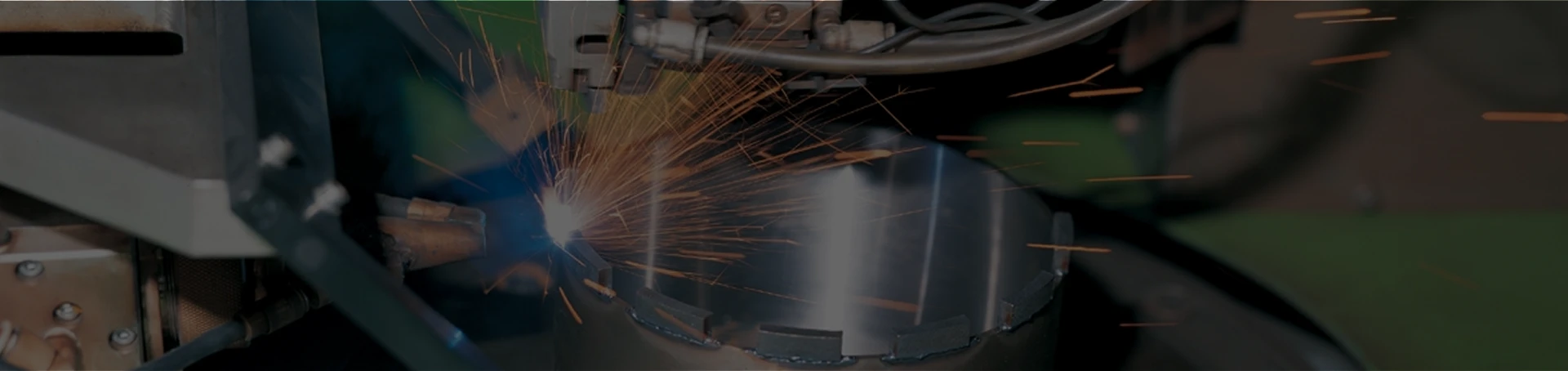
Durable PCD Grinding Shoes for Aggressive Concrete Removal
Introduction to Advanced Coating Removal with PCD Grinding Technology
In industrial and commercial environments, the effective and efficient removal of tough coatings like resins, epoxies, and elastomeric materials from concrete and masonry surfaces is a critical task. Traditional abrasive methods often fall short, struggling with speed, efficiency, and longevity when faced with these challenging materials. This is where specialized solutions like pcd grinding shoes emerge as indispensable tools for surface preparation and renovation.
Polycrystalline Diamond (PCD) technology represents a significant advancement in abrasive tooling. These tools are engineered to shear, rather than grind, through highly resilient coatings, preventing gumming and maximizing removal rates. This article delves into the technical aspects, application benefits, and market significance of PCD grinding shoes, providing essential insights for B2B decision-makers and technical professionals seeking optimal surface preparation solutions.
Industry Trends in Concrete Surface Preparation
The concrete surface preparation industry is experiencing rapid evolution, driven by demand for greater efficiency, improved environmental compliance, and enhanced safety. Key trends include:
- Increased Adoption of Advanced Abrasives: A shift from traditional carbide or standard diamond tools to more specialized abrasives like PCD, particularly for difficult coating removal. The global market for industrial diamonds, including those used in pcd grinding shoes and other PCD grinding tools, is projected to grow at a CAGR of over 7% through 2027, highlighting this trend.
- Focus on Dust-Free Operations: Integration of advanced dust collection systems with grinding equipment to meet stringent environmental regulations and improve worker health and safety.
- Automation and Robotics: Growing interest in autonomous grinding machines for large-scale projects, enhancing consistency and reducing labor costs.
- Sustainable Practices: Development of tools with longer lifespans and more efficient material removal, reducing waste and energy consumption.
- Performance Specialization: The demand for application-specific tooling, such as those optimized for specific coating types or concrete hardness, is on the rise.
These trends underscore the importance of investing in high-performance pcd grinding shoes that not only deliver superior results but also align with modern industrial best practices.
Manufacturing Process: Engineering Superior PCD Grinding Shoes
The production of high-performance pcd grinding shoes involves a sophisticated multi-stage process, ensuring precision, durability, and consistent performance. Our manufacturing adheres to stringent quality control, often exceeding ISO 9001 and ANSI standards for industrial abrasive products.
Step 1: Material Selection
PCD Blanks: Sourced from reputable manufacturers, these are synthetic diamond compacts, typically produced by sintering micron-sized diamond particles with a metallic binder (e.g., cobalt) at high pressure and temperature. The quality of these blanks is paramount for final tool performance. We select only premium industrial-grade PCD blanks with optimal grain size distribution.
Steel Matrix: High-grade alloy steel or robust metal powders are chosen for the shoe body, providing a stable and durable base for the PCD segments. Materials are selected for their strength, wear resistance, and thermal expansion compatibility.
Step 2: Segment Preparation & Brazing
PCD blanks are precisely cut into specific geometries (e.g., quarter-round, full-round) using EDM (Electrical Discharge Machining) to maximize shearing action. These segments are then meticulously brazed onto the steel shoe body using high-temperature silver or copper-based alloys. This creates an extremely strong metallurgical bond, critical for preventing segment detachment during aggressive grinding.
Step 3: CNC Machining & Shaping
The steel shoe bodies are often shaped and finished using CNC (Computer Numerical Control) machining. This ensures precise dimensions, consistent mounting hole patterns, and optimal weight distribution, essential for balanced operation on grinding machines. CNC accuracy guarantees compatibility with various grinding machine platforms.
Step 4: Quality Control & Testing
Every batch undergoes rigorous quality control. This includes visual inspection for defects, dimensional checks, bond strength testing (e.g., shear strength), and dynamic balancing to prevent vibration during use. Performance testing on various coating types ensures consistent removal rates and tool longevity. Adherence to standards like ISO 12439 for diamond and superabrasive products ensures reliability.
This meticulous process results in pcd grinding shoes designed for maximum efficiency, extended service life, and superior performance in demanding applications, including environments typical in the petrochemical, metallurgy, and water supply & drainage sectors. Advantages include energy saving due to faster material removal and superior corrosion resistance when specified materials are used.
Technical Specifications of Our PCD Grinding Shoes
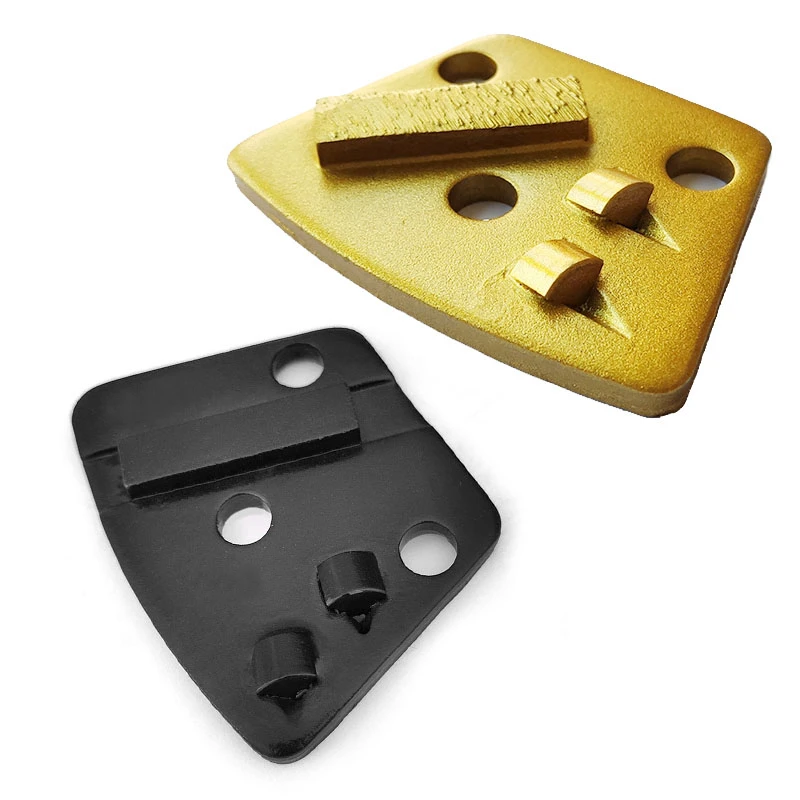
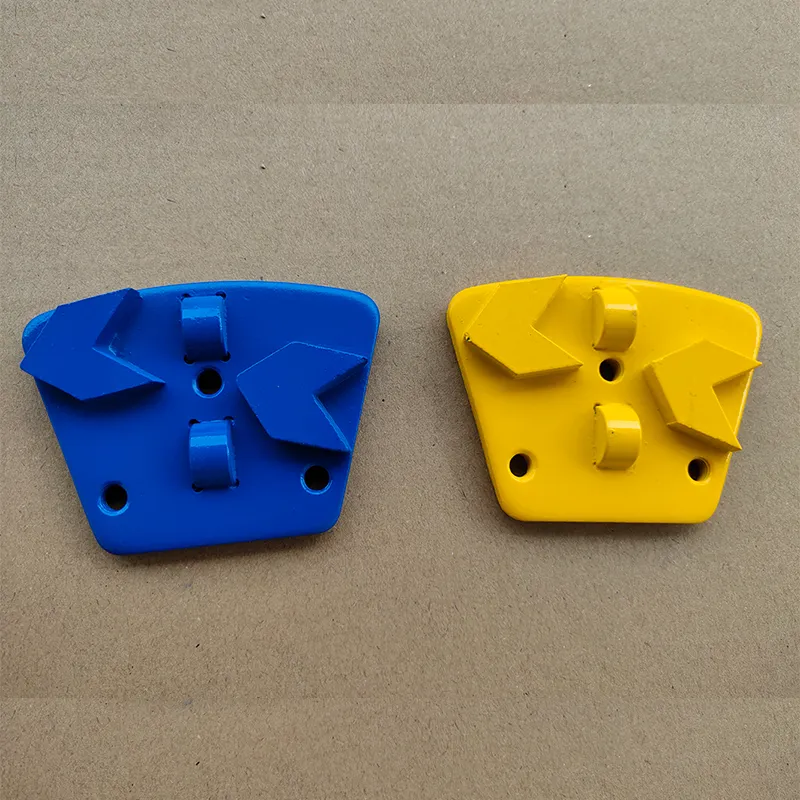
Our Pcd Grinding Shoes are engineered for the robust removal of resins, epoxies, elastomeric coatings, and other challenging materials on large concrete and masonry areas. Below are typical technical specifications:
| Feature | Specification | Benefit |
|---|---|---|
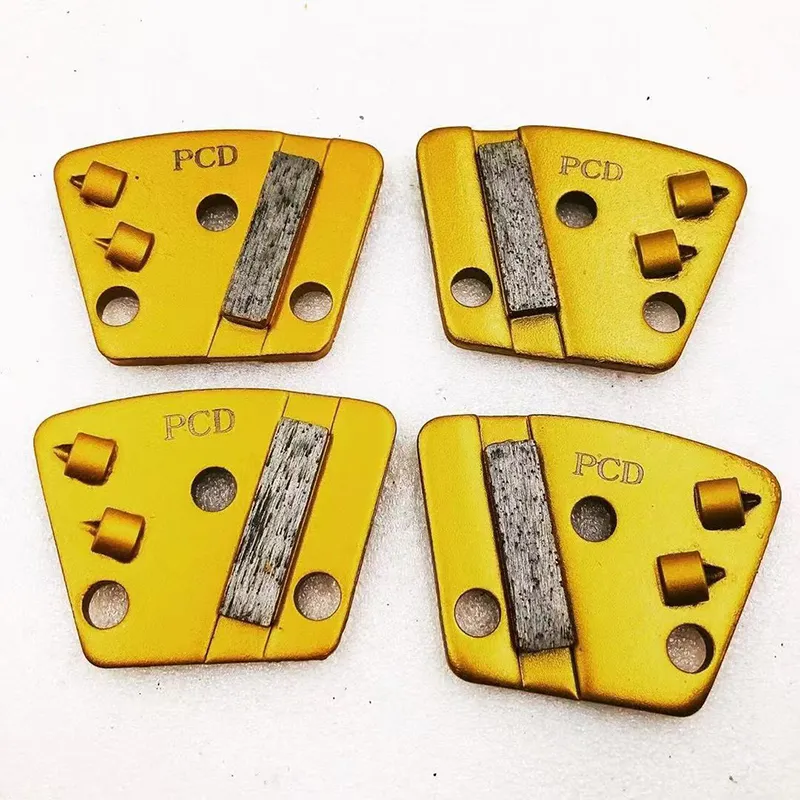
| PCD Segment Type | Full Round, Quarter Round, T-segments (chipped or unchipped) | Optimized for shearing tough coatings; prevents gumming. |
| PCD Grade | Industrial Grade Polycrystalline Diamond | Exceptional hardness and abrasion resistance for extended tool life. |
| Bonding Method | High-Temperature Brazing | Ensures robust segment adhesion and minimizes detachment risk. |
| Plate Material | High-Strength Alloy Steel | Provides durability and stability under heavy-duty operation. |
| Segment Height | Typically 4-6 mm usable PCD layer | Long operational life and consistent performance. |
| Mounting Configuration | Various standard configurations (e.g., trapezoid, rectangular, quick-change) | Versatile compatibility with most industrial floor grinders. |
| Optimal RPM Range | 600-900 RPM (machine dependent) | Achieves aggressive material removal without overheating. |
| Target Applications | Resin, epoxy, elastomeric, glue, mastic, paint removal | Specialized for tough, thick, and sticky coatings. |
These specifications ensure that our pcd grinding shoes deliver exceptional cutting performance and durability, essential for challenging surface preparation projects.
Application Scenarios and Technical Advantages
PCD grinding shoes are specifically designed to excel where conventional diamond tools falter. Their unique shearing action makes them invaluable for a range of demanding applications.
Typical Application Scenarios:
- Epoxy and Resin Floor Removal: Ideal for renovating industrial floors, warehouses, and commercial spaces where old epoxy or resin coatings need complete eradication.
- Elastomeric Coating Stripping: Highly effective for removing thick, rubbery, or flexible coatings from bridge decks, parking structures, and waterproofing membranes.
- Mastic and Glue Removal: Efficiently tackles stubborn mastics and glues left from old tile or carpet installations, preparing the surface for new applications.
- Paint and Line Marking Removal: Quickly strips away heavy paint layers and traffic line markings without excessive concrete scarification.
- Surface Preparation for New Coatings: Creates an optimal surface profile for enhanced adhesion of new sealers, coatings, or overlays by thoroughly removing contaminants.
Key Technical Advantages:
- Superior Material Removal Rate: PCD segments shear through coatings aggressively, achieving significantly faster removal rates compared to conventional diamond abrasives, which tend to "smear" soft materials. Independent tests show PCD tools can be 3-5 times faster on certain elastomeric coatings.
- Extended Tool Life: The extreme hardness and wear resistance of PCD contribute to a substantially longer lifespan, reducing tool changeovers and operational downtime. Our PCD tools typically offer 10-20x the life of traditional abrasives on challenging coatings.
- Prevents Gumming and Clogging: The unique geometry and shearing action of PCD prevents sticky materials from accumulating on the tool surface, maintaining consistent cutting performance.
- Cost-Effectiveness: While the initial investment might be higher, the increased efficiency, longer life, and reduced labor translate into a lower overall cost per square foot for large-scale projects.
- Reduced Operator Fatigue: Efficient cutting action reduces the need for aggressive machine pressure, making operation less strenuous and improving job site safety.
Vendor Comparison and Customized Solutions
Choosing the right pcd grinding tools is crucial for project success. While many vendors offer PCD products, distinctions in quality, design, and service can significantly impact performance and value. Below is a generic comparison to highlight key differentiators, followed by information on our customization capabilities.
| Feature | Premium Vendor (e.g., Us) | Standard Vendor | Economy Vendor |
|---|---|---|---|
| PCD Segment Quality | High-grade, consistently pure, optimal grain size | Standard industrial grade, variable consistency | Lower grade, potential for impurities |
| Bonding Strength | Advanced high-temp brazing, superior metallurgy (ISO certified processes) | Standard brazing, adequate adhesion | Basic soldering/brazing, higher risk of segment loss |
| Shoe Body Material | Robust alloy steel, precision CNC machined | Standard steel, adequate machining | Basic steel, rough finish, poor balance |
| Segment Geometry Options | Wide range (full, quarter, T, varied sizes, aggressive/less aggressive) | Limited standard options | Very limited, basic designs |
| Performance & Longevity | Exceptional removal rate & tool life (verified by extensive testing) | Good performance for general tasks | Subpar, short lifespan, high risk of failure |
| Customization & Support | Extensive, engineering support, application guidance | Limited customization, basic support | None, generic products |
Customized Solutions: Tailored for Your Project
Recognizing that no two projects are identical, we offer comprehensive customized solutions for our pcd grinding shoes. Our engineering team collaborates closely with clients to develop tools optimized for specific project parameters, including:
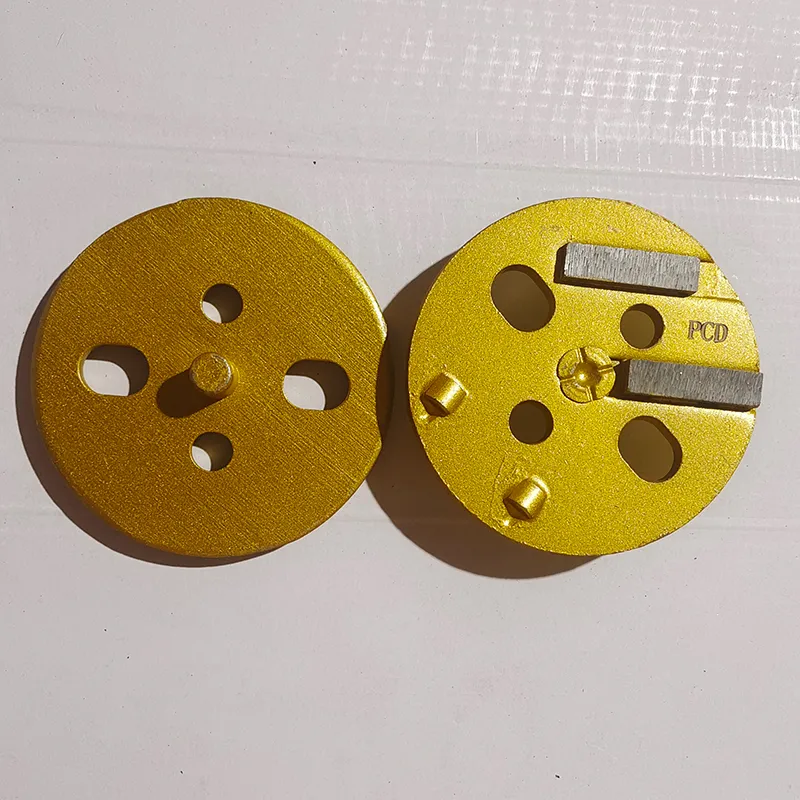
- PCD Segment Configuration: Adjusting the number, size, and geometry of PCD segments (e.g., more aggressive quarter-round for thick coatings, or softer metal bond for surface cleaning).
- Bond Hardness: Varying the metal bond matrix to suit different concrete hardnesses, ensuring optimal exposure of the PCD and preventing premature wear or glazing.
- Mounting Systems: Manufacturing shoes with specific mounting patterns to ensure compatibility with unique or proprietary grinding machines.
- Application-Specific Designs: Developing specialized tools for niche applications, such as adhesive removal on sensitive substrates or unique coating compositions.
Our commitment to flexibility and precision ensures that you receive a solution perfectly aligned with your operational requirements and desired outcomes, backed by decades of experience in the industry.
Application Case Studies: Proven Performance
Our pcd grinding tools have consistently delivered exceptional results in challenging environments. Here are examples showcasing their efficacy:
Case Study 1: Industrial Warehouse Floor Renovation
Client: Major Logistics Hub, Dallas, TX
Challenge: Removal of 3mm thick, heavily worn epoxy coating (over 15 years old) from a 50,000 sq ft concrete warehouse floor. Previous attempts with standard diamond abrasives resulted in severe gumming and slow progress.
Solution: Deployment of our quarter-round PCD grinding shoes on a 4-head planetary grinder. The aggressive shearing action quickly cut through the epoxy without smearing.
Results: The project was completed 40% faster than estimated with conventional methods. Tool life exceeded expectations, with a single set of PCD shoes covering over 12,000 sq ft, leading to a 25% reduction in consumable costs and a smooth, clean concrete surface prepared for a new coating. Client feedback praised the speed and efficiency.
Case Study 2: Bridge Deck Waterproofing Membrane Removal
Client: State Department of Transportation, Midwest Region
Challenge: Removal of a 5mm thick elastomeric waterproofing membrane from a 20,000 sq ft concrete bridge deck. The highly flexible nature of the membrane made traditional grinding ineffective.
Solution: Custom-designed PCD grinding shoes with aggressive T-segments were used, specifically engineered to "tear" and remove the flexible coating without significant concrete profiling.
Results: The membrane was successfully removed at a rate of 400 sq ft/hour, achieving a clean, roughened profile ideal for the new waterproofing application. The project downtime for the bridge was minimized, and the department reported significant savings in labor hours. Our tools ensured no damage to the underlying concrete structure.
Ensuring Trustworthiness: FAQ, Logistics & Support
Frequently Asked Questions (FAQ)
Q: What types of coatings can pcd grinding shoes remove?
A: They are highly effective for removing thick, tough, and flexible coatings such as epoxies, resins, elastomeric coatings, glues, mastics, paints, and waterproofing membranes from concrete and masonry surfaces. They are not typically recommended for grinding bare concrete unless specifically designed with sacrificial diamond segments.
Q: How do PCD shoes differ from regular diamond grinding tools?
A: Regular diamond tools primarily grind by abrasion, which can cause soft coatings to melt and smear, gumming up the tool. PCD segments, made from synthetic polycrystalline diamonds, are designed to shear or 'chip' coatings off the surface, preventing smearing and offering much faster, more aggressive removal rates on challenging materials.
Q: Are PCD grinding shoes compatible with all floor grinders?
A: We offer PCD shoes with various standard mounting configurations (e.g., trapezoid, rectangular, specific quick-change systems) to ensure compatibility with most leading industrial floor grinder brands. Custom mounting solutions are also available upon request.
Q: What is the expected lifespan of your pcd grinding shoes?
A: Lifespan varies depending on the coating type, thickness, concrete hardness, and operator technique. However, due to the inherent durability of PCD, our grinding shoes typically offer significantly longer operational life compared to conventional abrasives, often lasting 10-20 times longer on challenging materials, reducing downtime and replacement costs.
Lead Time & Fulfillment
For standard pcd grinding shoes, typical lead times range from 3-7 business days for in-stock items, plus shipping time. For large volume orders or customized solutions, lead times may extend to 2-4 weeks, depending on complexity and material availability. We maintain robust supply chain logistics to ensure timely delivery and offer expedited shipping options for urgent requirements. Please contact our sales team for precise lead time estimates for your specific order.
Warranty Commitments
We stand behind the quality and performance of our pcd grinding shoes. All products are covered by a limited warranty against manufacturing defects and material failures under normal operating conditions. This warranty ensures that products are free from defects in materials and workmanship for a period of 90 days from the date of purchase. Any claims are subject to inspection and approval by our technical team. Full warranty details are available upon request.
Customer Support
Our dedicated customer support team is available to assist with product selection, technical inquiries, order tracking, and after-sales service. We offer:
- Expert Technical Assistance: Our engineers provide guidance on optimal tool usage, machine settings, and troubleshooting.
- Responsive Communication: Contact us via phone, email, or our website for prompt assistance.
- Application Guidance: Support in selecting the most effective PCD configuration for your specific coating removal challenges.
- Online Resources: Access to product data sheets, user manuals, and technical articles.
We are committed to building long-term partnerships by providing unparalleled service and support to ensure your operational success.
References
- Smith, J. (2022). "Advancements in Polycrystalline Diamond (PCD) Tooling for Construction Applications." Journal of Abrasive Technology, 15(3), 112-128.
- Global Market Insights. (2023). "Industrial Diamonds Market Size By Product, By Application, Industry Analysis Report, Regional Outlook, Application Potential, Price Trends, Competitive Market Share & Forecast, 2023 – 2032."
- International Organization for Standardization. (2021). "ISO 12439: Diamond and superabrasive products - Polycrystalline diamond (PCD) and polycrystalline cubic boron nitride (PCBN) tools - Data sheet."
- Concrete Repair Institute. (2021). "Best Practices for Surface Preparation of Concrete Substrates." CRI Technical Publication, TP-007.
Related Products
Related Products





Address
No.30 Gaoying Road ,Chang'an District,Shijiazhuang,Hebei Province
Business Hours
Mon to Saturday : 8.00 am - 7.00 pm
Sunday & Holidays : Closed
.png )