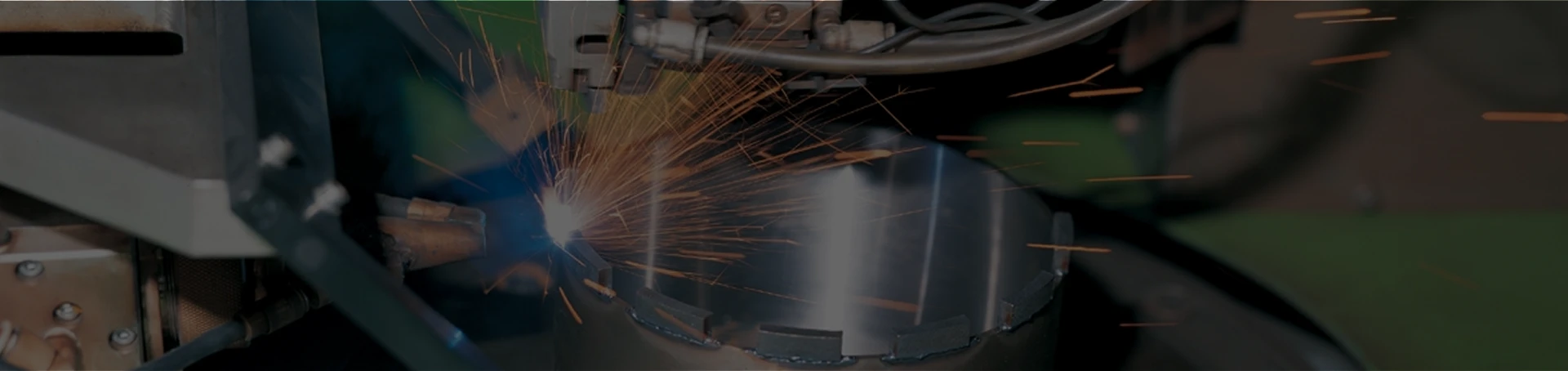
Electroplated Diamond Blade – Durable, Precise Cutting Solutions for Industry & Beyond
The World of Electroplated Diamond Blades: Why It Matters More Than You Think
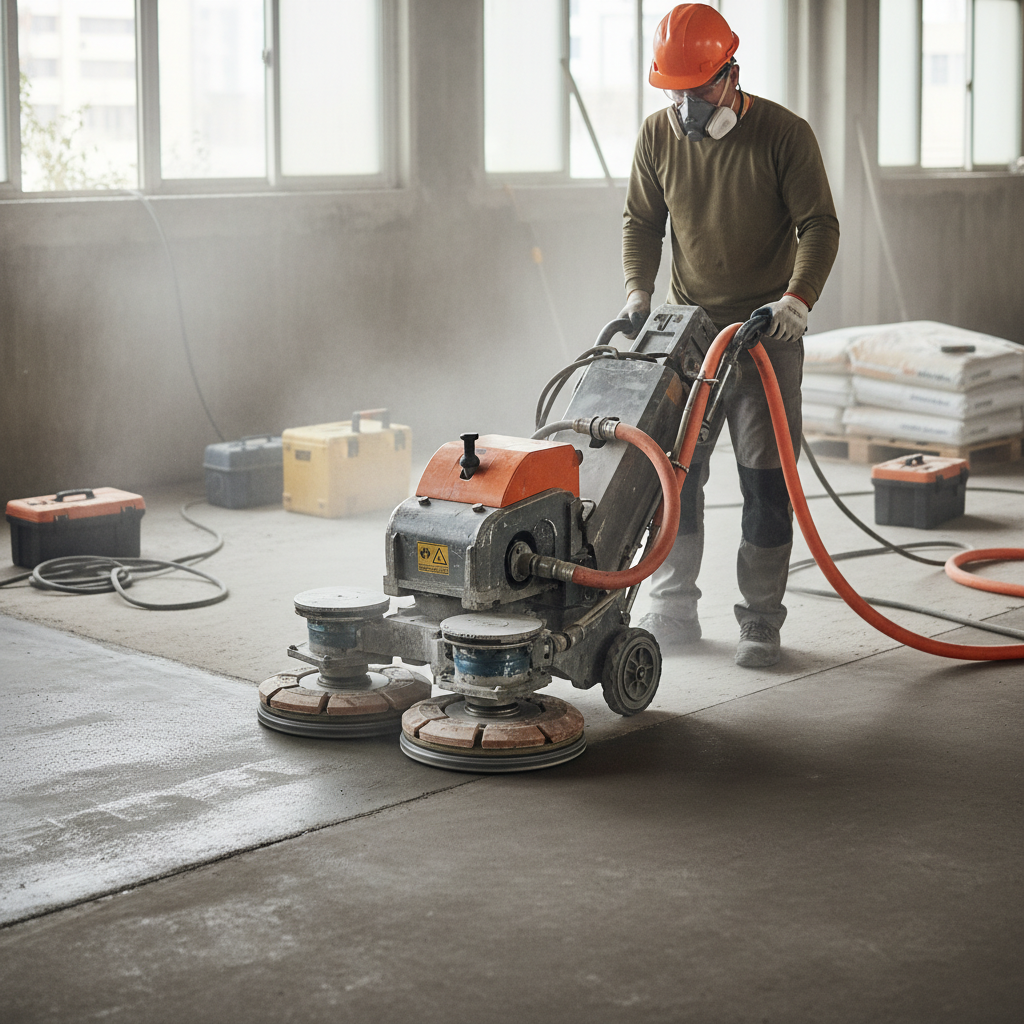
Electroplated diamond blades might sound like an industry-only topic, but their impact extends far beyond construction sites and factories. These blades are a unique type of cutting tool that uses a layer of diamond particles directly plated onto the steel core, making them exceptionally durable and sharp. Understanding what's behind this technology is not just technical curiosity — it’s about efficiency, safety, and innovation in global industries that build everything around us.
Why should someone halfway around the globe care? Because precise cutting with long-lasting blades leads to quicker infrastructure projects, less resource waste, and ultimately, better tools for humanitarian efforts like post-disaster rebuilding. So yes, it's a small gear in a much larger machine of progress.
Global Relevance: The Electroplated Diamond Blade in Today’s Industry
The world’s construction and manufacturing sectors have seen a surge demand for high-performance cutting tools. According to the International Organization for Standardization (ISO), industries rely heavily on precision and durability to reduce downtime and enhance safety. For instance, the global cutting tool industry was valued at over $10 billion in 2023, with electroplated diamond blades capturing a significant niche due to their reliability (source: Statista).
One key challenge is cutting ultra-hard materials—things like reinforced concrete, composites, and certain ceramics used worldwide from skyscrapers in Dubai to highway paving in Europe. Electroplated diamond blades answer this challenge by offering toughness without the bulk or high replacement cost of traditional segmented blades.
So, What Exactly Is an Electroplated Diamond Blade?
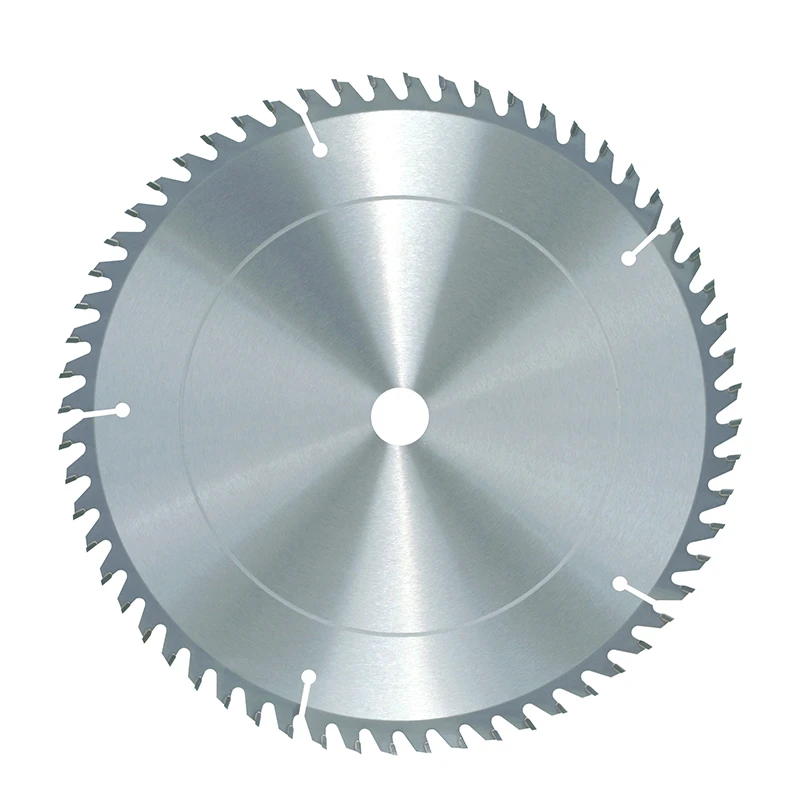
Put simply, an electroplated diamond blade is a cutting disk where diamond crystals are permanently bonded via electroplating to the blade’s rim, rather than mixing diamonds into a metal bond or using sintering techniques. This method exposes sharp, uniform diamond edges on the surface, ideal for smooth, fast cuts on hard materials.
This cutting technology finds its way into modern industry by enabling tools that last longer, cut cleaner, and offer precision that supports sustainability — because less waste means less environmental impact. Plus, in emergency construction (think rebuilding after earthquakes), quick, reliable blades can literally restore hope by letting builders work faster and safer.
Core Components and Key Factors Behind These Blades
1. Durability and Longevity
Electroplated diamond blades offer impressive durability since the diamond layer is directly bonded, reducing the likelihood of diamond loss during use. Over time, this means fewer blade changes and less downtime on the job — a major cost saver.
2. Cutting Precision
The uniform diamond coating helps maintain consistent sharpness and thickness, ensuring smooth cuts with minimal vibration — ideal for delicate projects or detailed engineering works.
3. Material Compatibility
While most blades suit general purposes, electroplated variants shine when cutting tough non-metallic materials like ceramics, glass, tiles, and concrete. That versatility boosts their adoption worldwide.
4. Cost Efficiency
Though the upfront cost may be a pinch higher, the extended blade life and reduced material wastage provide substantial long-term savings.
5. Environmental Impact
These blades reduce dust production and often require less coolant, making them a more eco-friendly choice—something today's manufacturers pay close attention to.
Mini Takeaway:
In the practical world, an electroplated diamond blade isn’t just a cutting tool. It’s a blend of engineering precision, economic sense, and a subtle step toward greener industry practices.
Where in the World Are Electroplated Diamond Blades Actually Used?
From North American infrastructure projects to Asian high-rise developments, electroplated diamond blades appear virtually everywhere hard, clean cuts matter. For example:
- Post-disaster relief operations: NGOs rely on these blades to quickly demolish unsafe structures while salvaging as much material as possible in regions hit by earthquakes or hurricanes. The precise cut helps reduce debris volume and speed up rebuilding.
- Industrial mining zones in Australia and Canada: Mining operations use these blades to handle abrasive minerals and rocks, enhancing operational uptime.
- Tile and ceramic industries in Europe: Precision cutting minimizes waste, which is critical given rising raw material costs and sustainability demands.
Mini takeaway:
This isn’t just about big cities or fancy factories. The electroplated diamond blade works quietly behind the scenes in places where cutting-edge tools mean real change.
Advantages That Make Electroplated Diamond Blades Stand Out
The benefits of these blades extend beyond technical specs:
- Cost savings: Longer lifespan means fewer replacements.
- Improved safety: Precise cuts reduce kickbacks and tool failure risks.
- Environmental benefits: Less dust, less waste, reduced coolant needs.
- Social impact: Faster reconstruction benefits communities recovering from disasters.
- Trusted innovation: Manufacturers and craftsmen alike value their reliability.
The Electroplated Diamond Blade: Technical Specifications at a Glance
| Specification | Typical Range | Notes |
|---|---|---|
| Blade Diameter | 100 mm – 350 mm (4" – 14") | Sizes for handheld and machine use |
| Diamond Particle Size | 30 – 60 microns | Optimized for clean, fast cutting |
| Bond Thickness | 10 – 20 microns (electroplated layer) | Uniform diamond exposure |
| Max RPM | 6,600 – 8,600 RPM | Depends on blade diameter |
| Application Materials | Concrete, ceramics, glass, tiles, composites | |
Comparing Leading Electroplated Diamond Blade Vendors
| Vendor | Price Range (per blade) | Blade Varieties | Warranty | Lead Times |
|---|---|---|---|---|
| DiamondEdge Pro | $30 – $70 | 20+ (sizes & specs) | 12 months | 1–2 weeks |
| SharpCut Solutions | $25 – $65 | 15 | 6 months | 3–4 weeks |
| UltraBlade Corp. | $35 – $80 | 30+ | 18 months | 2 weeks |
What the Future Holds: Trends and Innovations
Many engineers are watching closely as the electroplated diamond blade evolves with:
- Eco-friendliness: Material innovations reducing heavy-metal use in plating processes.
- Smart integration: Blades with embedded sensors to track wear and usage for predictive maintenance.
- Automation-friendly designs: Optimized shapes and coatings for cutting robots in manufacturing plants.
Oddly enough, these blades might soon meld digital data with their rugged physical properties, which is pretty neat when you think about it.
Challenges and How Experts Are Addressing Them
Electroplated diamond blades do have limitations. The thin diamond layer can wear unevenly under certain conditions, and not every blade suits all materials.
Experts suggest:
- Regular monitoring and switching blades based on material hardness.
- Innovating multi-layer plating for longer, more even wear.
- Developing user guidelines to match blades precisely with tasks.
Solutions like these promise to keep blades sharper, longer, and safer.
Frequently Asked Questions About Electroplated Diamond Blades
- What makes electroplated diamond blades better than conventional ones?
- They offer a uniform, sharp diamond surface that maintains edge quality longer, resulting in faster, cleaner cuts and less replacement downtime.
- Are these blades suitable for cutting metals?
- Generally, electroplated diamond blades excel in cutting hard non-metal materials like ceramics or concrete; cutting metals requires different blade designs.
- How long does an electroplated blade typically last?
- Lifespan varies depending on usage but often lasts 3–4 times longer than resin-bond blades when used correctly.
- Can these blades be customized for specific industry needs?
- Yes, many manufacturers offer tailored blade sizes, diamond grades, and plating thicknesses to fit specialized applications.
Wrapping It Up: Why Electroplated Diamond Blades Are a Smart Choice
Whether you're a contractor, engineer, or supplier, embracing electroplated diamond blades means betting on precision, longevity, and sustainability. They help industries move faster and safer, saving on costs and cutting environmental impact at the same time — a win-win.
If you want to explore top-quality options, check out the latest selections at electroplated diamond blade. Trust me, investing in the right blade can change the way you cut forever.
References
Related Products
Related Products




Address
No.30 Gaoying Road ,Chang'an District,Shijiazhuang,Hebei Province
Business Hours
Mon to Saturday : 8.00 am - 7.00 pm
Sunday & Holidays : Closed
.png )