
Floor Grinding Block: Fast Cut, Long Life, Redi Lock - Why?
Floor pros know: choose the right tooling, and concrete behaves
When contractors ask me what to buy for aggressive prep, I usually start with the floor grinding block that matches their machine, bond, and concrete hardness. Sounds obvious, but in the real world—jobs vary, slabs surprise you, and time is money. The product here, “Diamond Grinding Shoes For Grinding Concrete Floor With Grinding Machines,” comes out of No.30 Gaoying Road, Chang'an District, Shijiazhuang, Hebei Province. I visited the area years ago; lots of sintering expertise there, and—surprisingly—very consistent metallurgy.
What’s trending on the jobsite
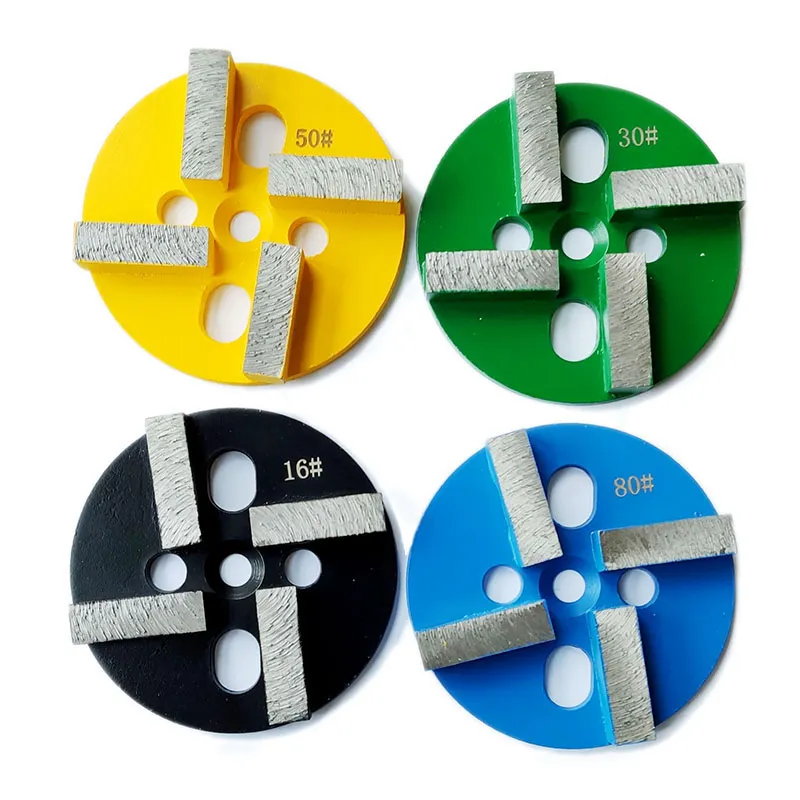
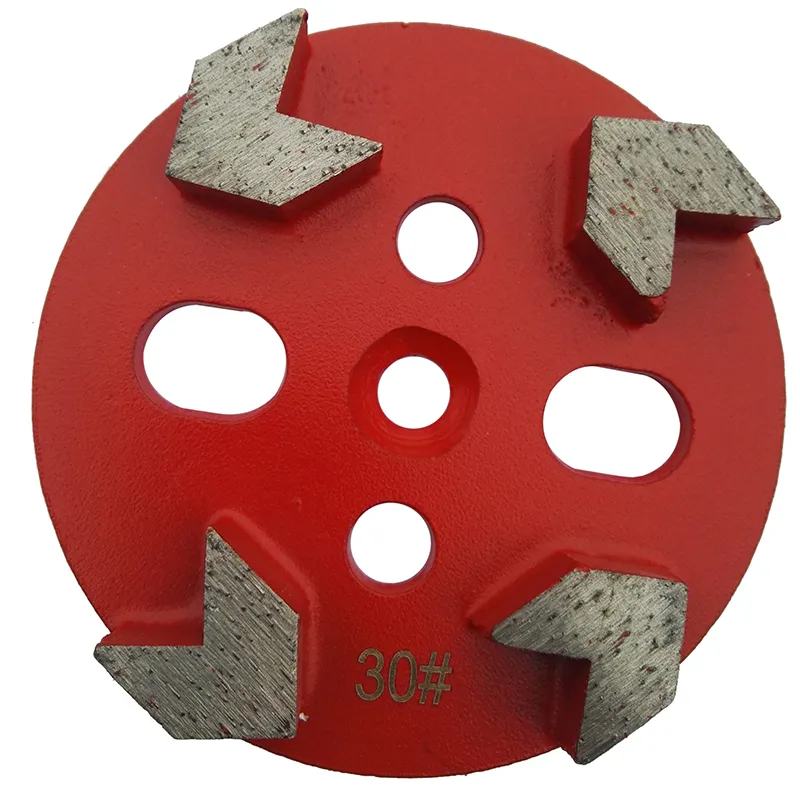
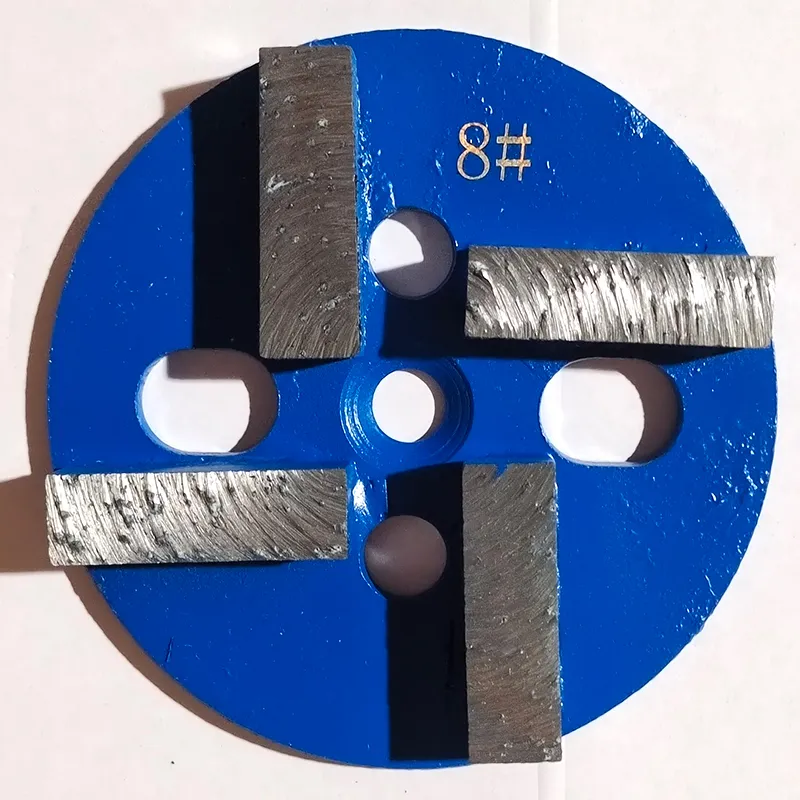
Two currents I keep seeing: dust-smart grinding (OSHA silica rules are real), and faster cut rates with longer life—yes, both. Segment geometry and bond chemistry are getting sharper, to be honest. Many customers say dual-rectangle segments still rule for stability, while arrow segments bite faster when you have coatings to blast through. Either way, a good floor grinding block needs predictable wear and plate compatibility (HTC, Husqvarna Redi-Lock, Lavina, Blastrac, etc.).
Product snapshot and specs
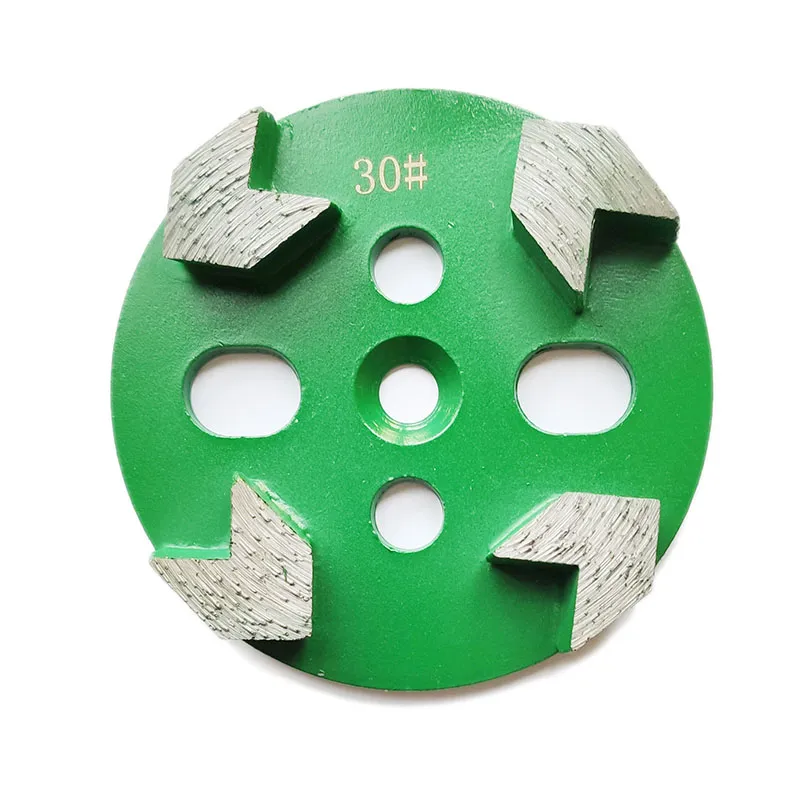
This line of metal-bond diamond shoes is built for concrete, brick, and stone. In fact, the segments feel safe and stable in hand—no chatter on a properly loaded 650–780 mm grinder.
| Model | Diamond Grinding Shoes For Grinding Concrete Floor With Grinding Machines |
| Segment options | Double rectangle, arrow, round; ≈40×12×10 mm segment height |
| Grit range | 16/20, 25/30, 40/50, 80, 120 (real-world cuts may vary) |
| Bond hardness | Soft / Medium / Hard (HRA ≈65–85 depending on mix) |
| Plates | HTC, Husqvarna Redi-Lock, Lavina, Blastrac, others on request |
| Speed window | ≈450–1200 rpm; wet or dry with dust control |
| Service life | ≈3,000–8,000 m²/shoe set (concrete 20–35 MPa; operator and load affect results) |
| Compliance | EN 13236; factory ISO 9001; silica control per OSHA 29 CFR 1926.1153 (jobsite) |
Process, materials, and testing
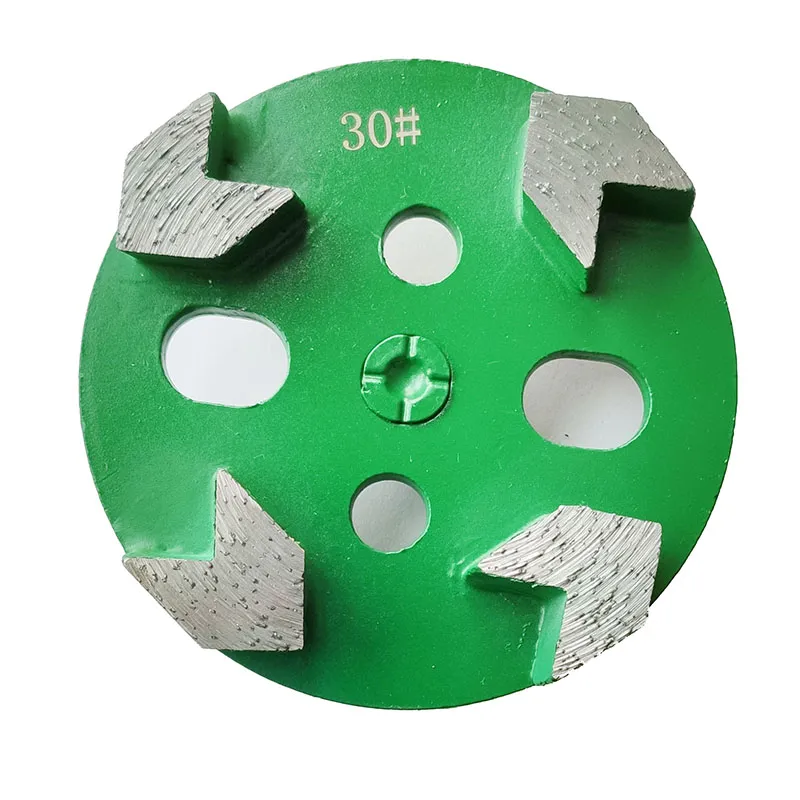
Materials: premium synthetic diamonds in a cobalt-free, iron/bronze-based metal bond (good eco notes). Method: hot-press sintering, then segment-to-plate brazing for shear strength. QC includes segment height gauge (±0.2 mm), pull tests, and plate fitment checks. Field validation uses ICRI CSP profiling and ASTM D4259 surface prep checks. Typical removal rate on 30-grit, medium bond: ≈4–8 m²/h on a 25 MPa slab with a 650 mm grinder and ~200 kg head pressure.
Where it shines
- Warehouse prep before epoxy/PU, CSP 2–4 targets
- Coating/thinset removal; terrazzo opening cuts
- Parking decks, food plants, retail fit-outs—anywhere flatness matters
Advantages I noticed: fast open on hard troweled floors, stable tracking (less “skiing”), and a wear pattern that doesn’t knife-edge early. A solid floor grinding block should do that every time.
Vendor comparison (realistically simplified)
| Vendor | Bond options | Life (≈m²) | Lead time | Certs | Customization |
| MyDiamondBlade (Hebei) | Soft/Med/Hard; multiple geometries | ≈3,000–8,000 | 7–15 days | ISO 9001, EN 13236 | Logos, color-coding, OEM plates |
| Generic Importer | Limited | ≈1,500–4,000 | In stock/unknown | Varies | Minimal |
| Premium Brand USA | Extensive, job-matched | ≈4,000–10,000 | 3–10 days | ISO 9001, EN 13236 | Full OEM/ODM |
Customization and fit
You can spec bond hardness to the slab (soft bond for hard concrete, and vice versa), pick grit for removal vs. refinement, and color-code sets. OEM laser logos are doable. For a tight finish schedule, pair a coarse floor grinding block (16/25 grit) with a medium (40/80) to shorten passes.
Mini case notes
Case A – Logistics warehouse: 7,000 m², old epoxy. Arrow 25/30 grit, soft bond on hard burnished slab; removal rate ≈6 m²/h with HEPA dust control. Customer feedback: “Less glazing than our usual import blocks.”
Case B – Retail refit: 2,400 m². Double-rectangle 40 grit, medium bond; targeted CSP 3 per ICRI. Crew reported low vibration and clean edge approach near columns.
Safety and standards that matter
Use shrouds and vacuums that meet Table 1 of OSHA’s silica rule; verify shoes comply with EN 13236. For profile acceptance, cross-check against ICRI CSP chips; for coating work, ASTM D4259 is a useful sanity guide. Honestly, ticking these boxes prevents callbacks.
Related Products
Related Products





Address
No.30 Gaoying Road ,Chang'an District,Shijiazhuang,Hebei Province
Business Hours
Mon to Saturday : 8.00 am - 7.00 pm
Sunday & Holidays : Closed
.png )