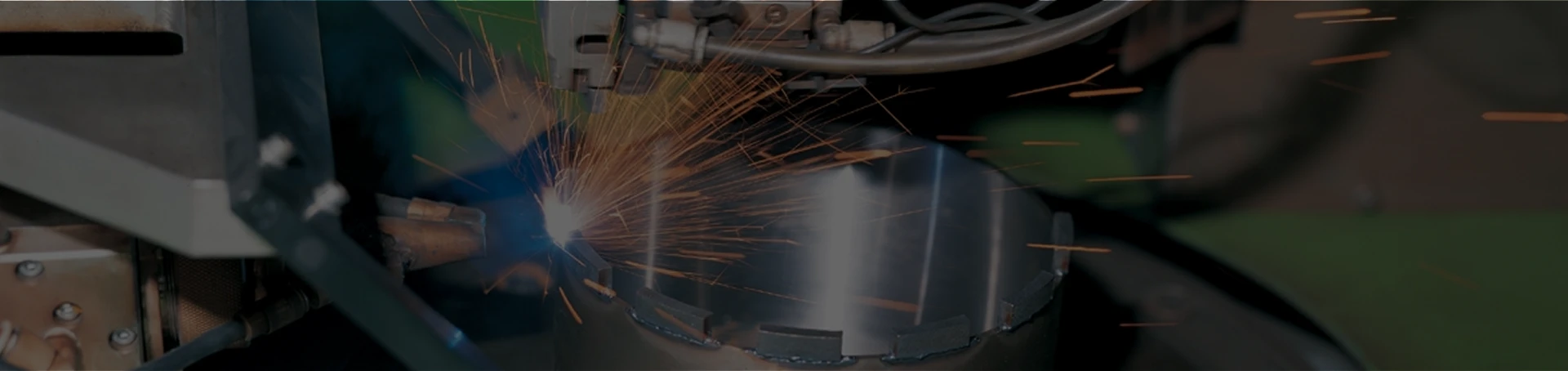
High-Quality 115mm Porcelain Blades for Precise Tile Cutting & Construction
Understanding the 115mm Porcelain Blade: Why It Matters Globally
At first glance, a 115mm porcelain blade might sound like just another specialized cutting tool, buried somewhere in the niche depths of ceramic trade applications. But this small, precision instrument plays a surprisingly outsized role across industries, from construction to tile installation, and even disaster relief. Globally, the demand for durable, efficient, and clean-cutting blades is growing steadily—driven by expanding urban development in Asia-Pacific, repair efforts post-natural disasters worldwide, and ever-higher quality standards endorsed by ISO and industry bodies.
Why does this matter? Well, the tiniest improvements in blade technology reduce waste, speed up construction, and enhance safety. In real terms, knowing the ins and outs of the 115mm porcelain blade can empower professionals and hobbyists alike to achieve finesse and efficiency. Plus, as porcelain tiles gain popularity for their aesthetic and functional qualities, the right blade becomes the difference between a flawless finish and costly damage.
Global Industry Context: The Rise of the Porcelain Blade
The global tile market was valued at more than $150 billion in 2023, with porcelain tiles making up over 40% of the total, according to the International Trade Centre and World Bank data.[1] This growth sparks the need for tools designed for tough, brittle, and ultra-dense materials—conditions where conventional blades often falter.
The challenges are clear: porcelain's hardness demands blades that maintain edge integrity while minimizing micro-cracks that can ruin an entire tile panel. That’s where the 115mm porcelain blade steps in—tailored to bridge efficiency and precision, especially in tight, delicate spaces or handheld tools. Construction companies, tile installers, and DIY enthusiasts find themselves needing this reliable little hero.
What Exactly is a 115mm Porcelain Blade?
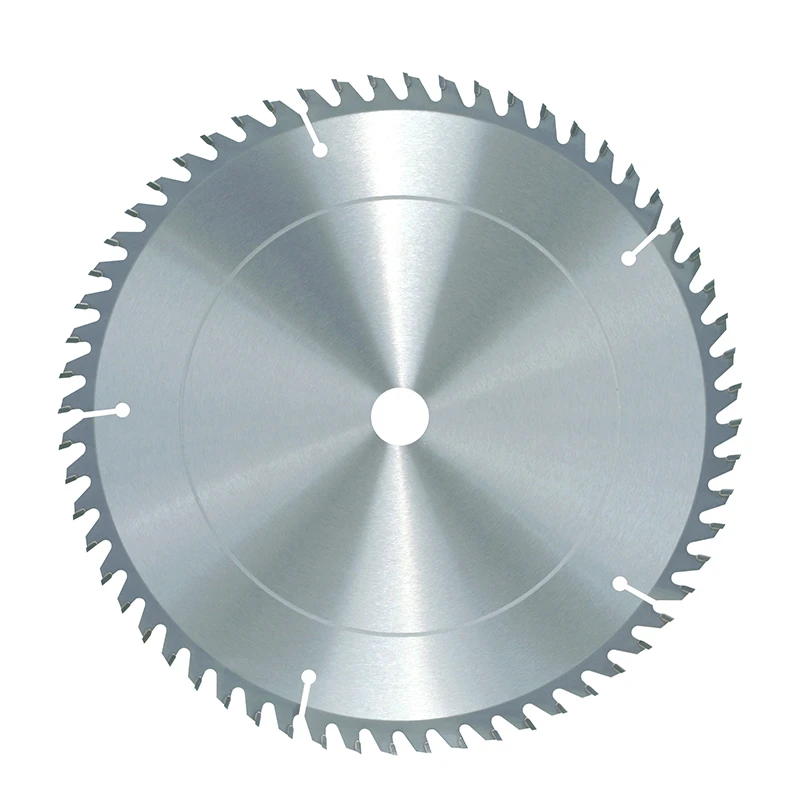
Simply put, a 115mm porcelain blade is a circular cutting blade designed specifically for slicing through porcelain tiles with a diameter of 115 millimeters. The size is handy enough for portability and maneuverability, especially with angle grinders and compact cutting tools.
The blade’s edge—often diamond-coated or embedded with micro-abrasives—is engineered for clean, chip-free cuts. This precision minimizes waste and reduces installation time markedly. Interestingly, these blades are a small but integral cog in large-scale construction efforts, humanitarian rebuilding projects, and even artistic tile crafting.
Core Features That Define a Great 115mm Porcelain Blade
1. Durability and Edge Retention
The best blades maintain their sharpness through multiple cuts without overheating or wearing down. Many manufacturers use sintered diamond technology to embed grit consistently along the cutting edge—a perfect balance of hardness and flexibility. In practice, this means less blade swapping and better workflow.
2. Cutting Precision and Smoothness
Porcelain demands a clean cut to avoid micro-fractures. A well-designed porcelain blade minimizes chipping by controlling vibration and dispersing heat effectively. This makes a huge difference when working on high-end projects or delicate restoration work.
3. Compatibility and Versatility
Since 115mm blades are often used with compact grinders, they must fit standardized arbor sizes and deliver consistent performance across handheld, wet, and dry cutting tools. Versatility extends to cutting other materials, such as ceramics, terracotta, or even porcelain-coated composites.
4. Cost Efficiency
Blades priced moderately yet lasting longer offer clear benefits. Reducing tool downtime, waste, and re-cuts means labor and material savings. For contractors balancing budgets and deadlines, a smart purchase here can ripple out in unexpectedly good ways.
5. Safety
Heat control and chip resistance directly impact the user’s safety, as a damaged blade can cause unpredictable breakages or debris projection. Reliable blades reduce on-site accidents and foster trust in tool maintenance procedures.
Product Specification Table
| Feature | Specification |
|---|---|
| Diameter | 115 mm (4.5 inches) |
| Blade Material | Sintered diamond with steel core |
| Cutting Method | Wet or dry cutting capable |
| Arbor Size | 22.23 mm (7/8 inch) |
| Usage | Porcelain tiles, ceramics, engineered stone |
| Max RPM | 13,300 |
How the 115mm Porcelain Blade Is Used Around the World
Across regions, from Asia’s booming construction sectors to Europe's elegant renovations, the 115mm porcelain blade is a trusted workhorse. Tile installers often report significant time savings, especially on intricate cuts.
In earthquake-prone zones such as Japan or California, rebuilding efforts lean heavily on these blades for precise fitting of durable porcelain panels that withstand stress and weather. NGO construction teams use them for rapid, clean cuts during emergency shelter installations where speed and durability are life-saving.
Oddly enough, even artisan studios rely on small porcelain blades for detailed mosaic trims and decorative tile work — where accuracy touches union with creativity.
Advantages & Long-Term Value
- Cost Savings: Less breakage of precious porcelain means fewer replacements.
- Durability: Fewer blade changes means a better workflow.
- Sustainability: Reduced waste supports eco-conscious building.
- Safety: Clean cuts and reduced vibration lower injury risk.
- Reliability: Trusted by professionals and DIYers alike.
In real terms, the consistency offered by these blades nurtures trust — and trust breeds loyalty, which is crucial in an often fast-paced and high-stakes environment. That little blade? Often the unsung hero.
Future Trends in 115mm Porcelain Blade Technology
Suppliers are racing ahead with innovations. From incorporating graphene-based coatings for ultra-durability to developing eco-friendly resin bonds, the future is about smarter, greener blades. Automated cutting machines that self-diagnose blade wear are also beginning to appear, potentially revolutionizing fieldwork.
Additionally, with rising emphasis on sustainable building, blades that can be recycled or have lower carbon footprints are gaining traction. Porcelain tiles themselves are evolving, too — becoming harder and thinner, nudging blade technology further.
Challenges and How Industry Experts Tackle Them
The classic issues? Blade overheating and premature wear from dry cutting, and compatibility annoyances when arbor sizes vary slightly. Manufacturers address this with improved cooling channels and universal-design arbor adapters.
Then there’s cost – budget blades often fail quickly, leading to false economies. Many professionals opt for mid-tier blades providing the best bang for the buck. Training users on proper blade usage (speed, pressure, angle) reduces avoidable damage.
Vendor Comparison: Leading 115mm Porcelain Blade Brands
| Brand | Material | Cutting Type | Price Range (USD) | Durability |
|---|---|---|---|---|
| DiamondPro | Sintered diamond | Wet & dry | $25-$35 per blade | High |
| CeramCut | Ultra-fine diamond grit | Wet only | $30-$40 per blade | Medium-High |
| BuildEdge | Electroplated diamond | Dry cutting focused | $15-$25 per blade | Medium |
Frequently Asked Questions About 115mm Porcelain Blades
Q1: Can I use a 115mm porcelain blade on other hard materials like granite or quartz?
While 115mm porcelain blades excel on porcelain and ceramic tiles, they can generally cut through other abrasive materials like engineered stone. However, granite and quartz might require different blades specifically designed for those hardness levels to maximize edge life and cut quality.
Q2: Is wet cutting always better than dry cutting for porcelain tiles?
Wet cutting helps cool the blade and reduce dust, which extends blade life and improves cut quality. Dry cutting is faster and more convenient but can cause heat buildup and chipping if not done carefully. Many professionals prefer wet cutting for the smoothest finish.
Q3: How often should I replace my 115mm porcelain blade?
Blade lifespan depends on frequency and material toughness, but a general rule is to replace the blade when cutting becomes noticeably slower or edges start chipping. Regular inspection helps avoid poor quality cuts or unsafe working conditions.
Q4: Are 115mm porcelain blades compatible with all angle grinders?
Most angle grinders accept 115mm blades, but always check arbor size compatibility—commonly 22.23 mm. Some grinders may need adapters. Also, verify the grinder’s RPM rating matches or exceeds the blade’s max allowable speed.
Q5: Where can I buy reliable 115mm porcelain blades?
Trusted suppliers often sell online and through construction tool retailers. For instance, you can browse top-quality options at 115mm porcelain blade specialists who provide detailed specs, reviews, and expert advice.
In Conclusion: Why the 115mm Porcelain Blade Is Worth Your Attention
The 115mm porcelain blade might seem tiny—yet it unlocks major efficiencies, cleaner aesthetics, and improved safety in construction and design worldwide. Its role continues to grow as porcelain tile popularity surges, urbanization expands, and rebuilding efforts demand precision tools. If you’re in the tile trade or a DIY enthusiast, investing in a quality porcelain blade makes all the difference—faster, cleaner, safer cuts await.
Curious to see the latest models and special deals? Visit our website for a carefully curated selection of this essential tool.
References:
1. World Bank – Urban Development Statistics, worldbank.org
2. International Trade Centre – Global Tile Market Analysis, intracen.org
3. ISO 9001 and 14001 Construction Standards, iso.org
Related Products
Related Products





Address
No.30 Gaoying Road ,Chang'an District,Shijiazhuang,Hebei Province
Business Hours
Mon to Saturday : 8.00 am - 7.00 pm
Sunday & Holidays : Closed
.png )