
How to Choose Hand Polishing Pads for Industrial Use | Expert Guide
Hand Polishing Pads: A Veteran’s Take on Choosing the Right Tool
Having spent close to two decades wandering around warehouses and factories, I’ve seen plenty of surface finishing tools come and go. But hand polishing pads? They’ve quietly held their ground, offering something both simple and surprisingly versatile in industrial settings. If you’re scouting for quality polishing solutions, you’ve probably wondered what sets these pads apart and which ones deserve a spot in your toolkit.
Let me walk you through some insights from the field — the kind you only get after spending hours working with hand polishing pads— not just reading data sheets.
Why Hand Polishing Pads Still Matter
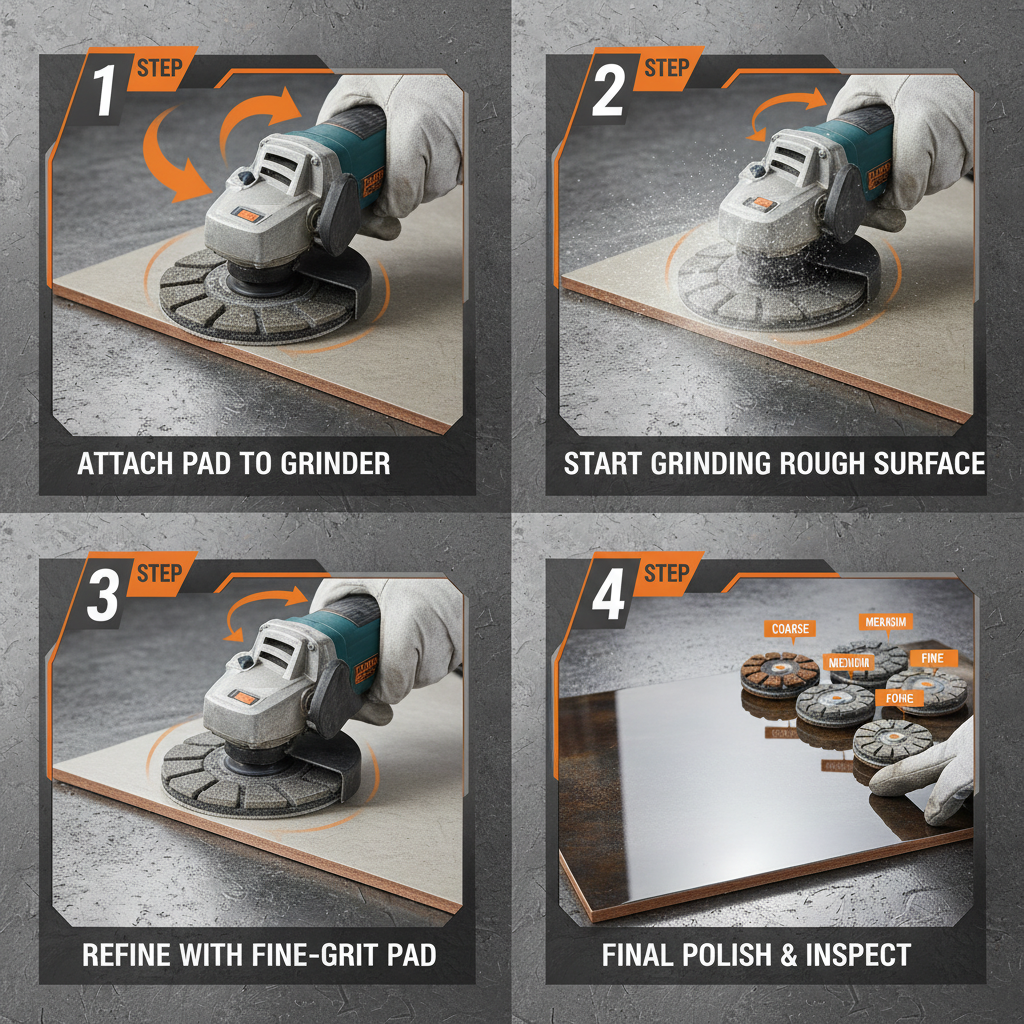
In an age where machines dominate many finishing tasks, hand polishing pads remain relevant because they offer control and finesse. Honestly, sometimes no robotic arm can match the delicate touch a skilled technician brings. I recall a project involving luxury stone countertops — the subtle imperfections were only visible up close, and the hand pads allowed for just the right amount of pressure and movement to bring out a flawless shine without overworking the surface.
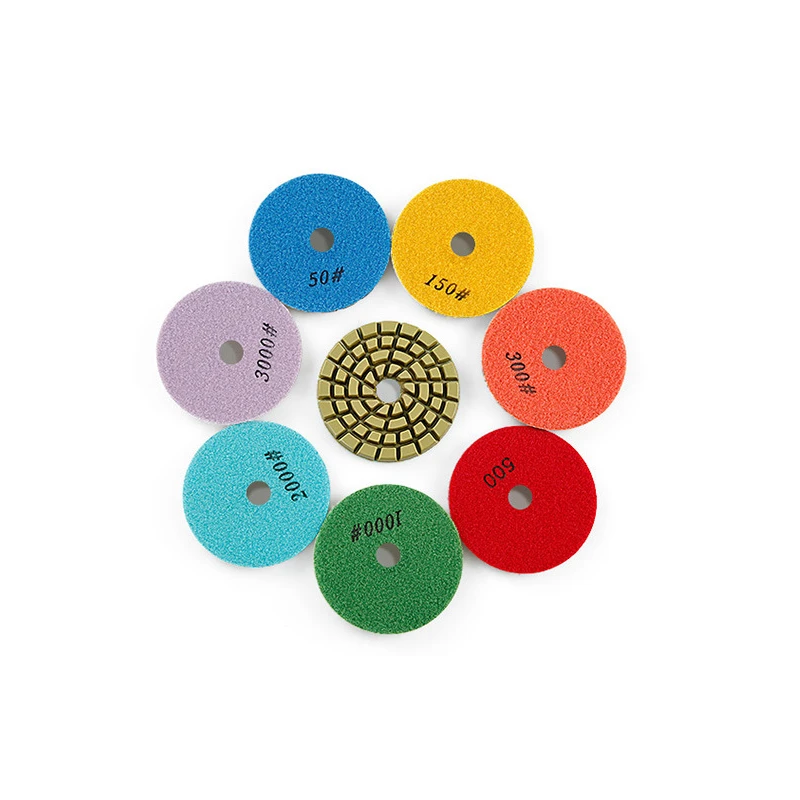
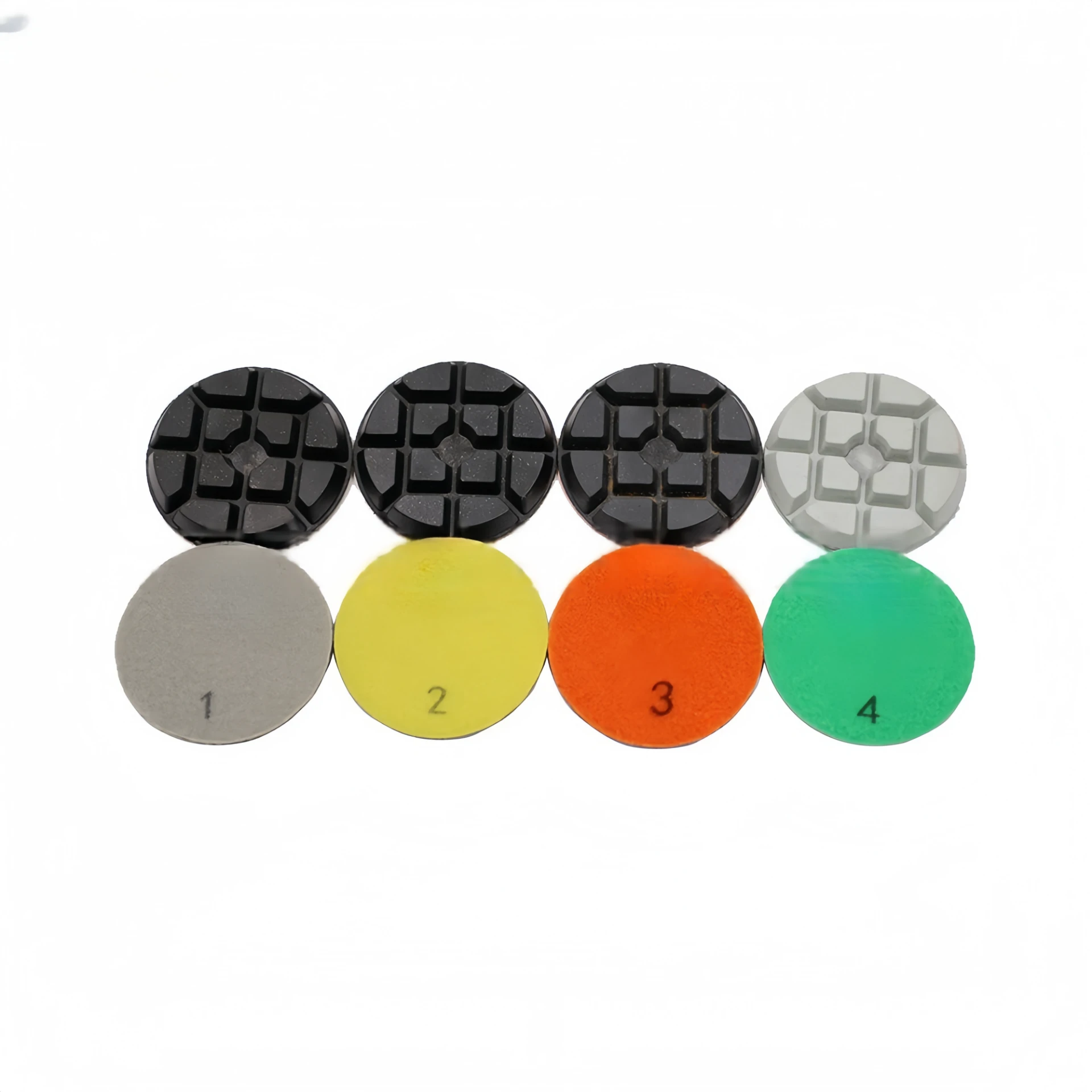
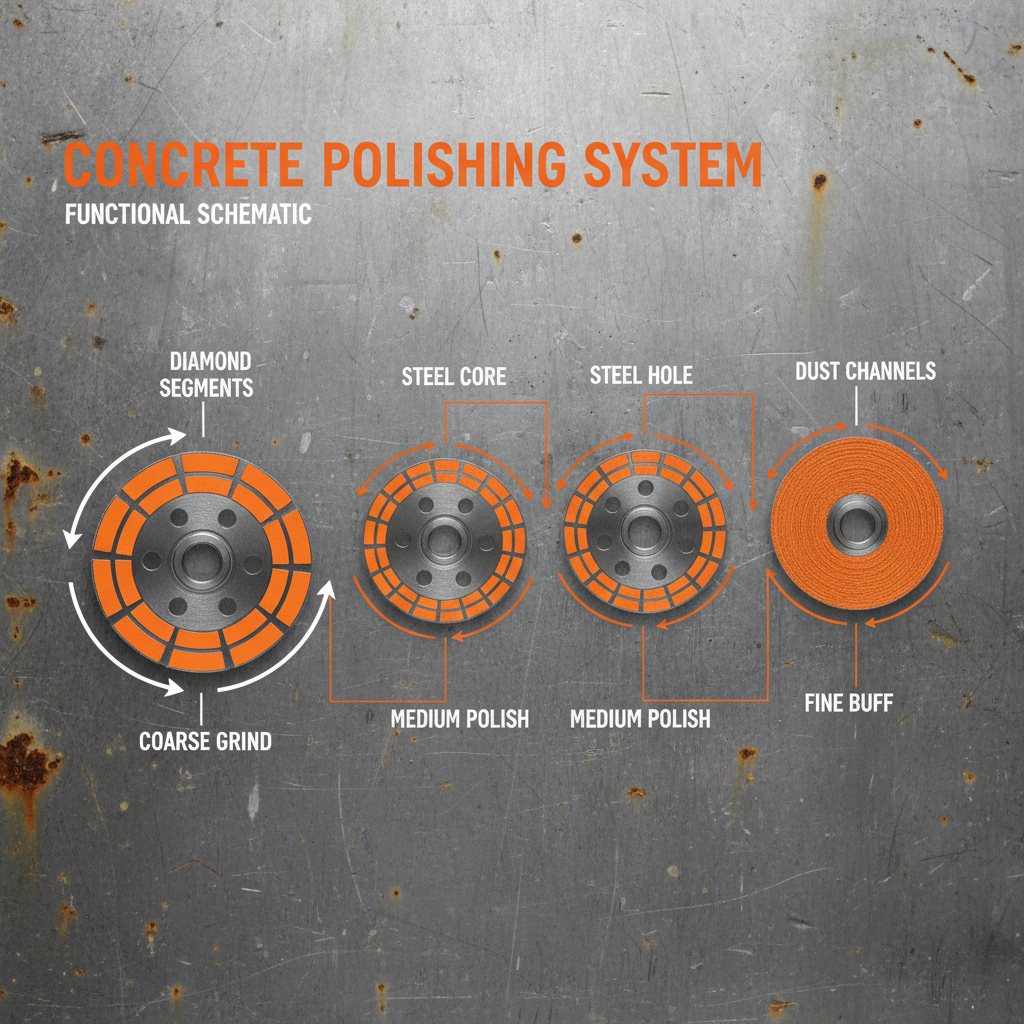
Hand polishing pads have evolved quite a bit. From humble beginnings as cotton discs, modern pads incorporate synthetic fibers, resins, and abrasives tailored for different materials — granite, marble, concrete, even metals. What’s fascinating is how their design responds to industry needs: durability, heat dissipation, and surface adaptability.
Typical Product Specifications
| Specification | Typical Values |
|---|---|
| Pad Diameter | 3" to 7" |
| Backing Material | Velcro, Foam, Rubber |
| Abrasive Grit Range | 50 to 3000 (diamond or resin) |
| Compatible Surfaces | Stone, Concrete, Metal |
| Max Operating Speed | Up to 3500 RPM |
Choosing the Right Vendor: What I’ve Learned
Over the years, I’ve tested a handful of suppliers for polishing pads. Oddly enough, many engineers overlook vendor reliability and focus purely on specs—which is a bit shortsighted. Trust me, availability, consistent quality, and customer support matter just as much if you run a busy shop or a large-scale project.
| Vendor | Product Variety | Quality Consistency | Lead Time | Customer Support |
|---|---|---|---|---|
| MyDiamondBlade | Extensive (stone & metal) | High | 2-3 days | Responsive |
| Competitor A | Moderate | Variable | 1 week | Average |
| Competitor B | Limited (mostly metal) | High | 3-4 days | Slow |
Customization and User Experience
One thing that I’ve noticed, especially among longtime users, is the demand for customizing pads. Whether it’s tweaking the backing to reduce vibration or adjusting the resin bond for different grit exposures, these nuances make a world of difference. Hand polishing pads from vendors open to this kind of collaboration usually end up as favorites in shop floors.
I guess that’s the beauty of this field: it’s not just about off-the-shelf products but the dialogue between craftsmen and their tools. When a supplier listens, you feel the impact—both in quality and reliability.
Closing Thoughts
Picking the best hand polishing pads isn’t rocket science, but it’s certainly more nuanced than just picking the lowest price. Durability, compatibility, vendor offerings, and frankly, the “feel” of a pad when you start polishing can’t be ignored. For many pros, it’s a bit like having a trusted partner on the job.
So, if you’re considering upgrades or replacements in your polishing arsenal, take a moment to review product specs, vendor reputations, and ask around. And if you want a reliable starting point, check them out here. From my years in the trenches, quality tools make all the difference.
— Jack M., Industrial Surface Finishing Specialist
References:
1. Industry polishing trends, SurfaceTech Magazine, 2023.
2. User feedback data, MyDiamondBlade internal survey, 2023.
3. Materials science overview, Polishing Materials Quarterly, 2022.
Related Products
Related Products





Address
No.30 Gaoying Road ,Chang'an District,Shijiazhuang,Hebei Province
Business Hours
Mon to Saturday : 8.00 am - 7.00 pm
Sunday & Holidays : Closed
.png )