How to Core Drill a Wall: Essential Guide & Techniques for Construction
How to Core Drill a Wall: A Practical Guide for Modern Construction
Core drilling a wall is a fundamental skill in the construction and renovation world, yet it’s often underestimated outside specialized circles. At its heart, this process involves creating precise, circular holes in concrete or masonry walls using diamond-tipped drill bits. Why does it matter globally? Well, as urbanization accelerates and infrastructure grows denser, professionals and DIY enthusiasts alike constantly encounter the need for clean, accurate penetrations – whether it’s to run pipes, electrical conduits, or install HVAC systems. Understanding how to core drill a wall efficiently supports structural safety, speeds up project timelines, and minimizes damage. And honestly, when you think about the ripple effects—from improved building safety to facilitating rapid repairs after disasters—it’s a small but crucial piece of the global construction puzzle.
Global Context: The Relevance of Core Drilling
Globally, construction output has been growing steadily, with the World Bank reporting upward of $12 trillion spent annually on construction and civil engineering projects. In dense urban areas, retrofitting or upgrading old buildings is increasingly common, which makes core drilling an everyday task. Oddly enough, not many people realize that core drilling also plays a key role in humanitarian responses—imagine post-earthquake scenarios where rapid hospital setup or water piping installation can make a life-or-death difference. The challenge? Doing this precisely without compromising the structure's integrity. So learning how to core drill a wall isn’t just a technical detail, but a response to real-world construction and emergency needs.
What Does Core Drilling a Wall Actually Mean?
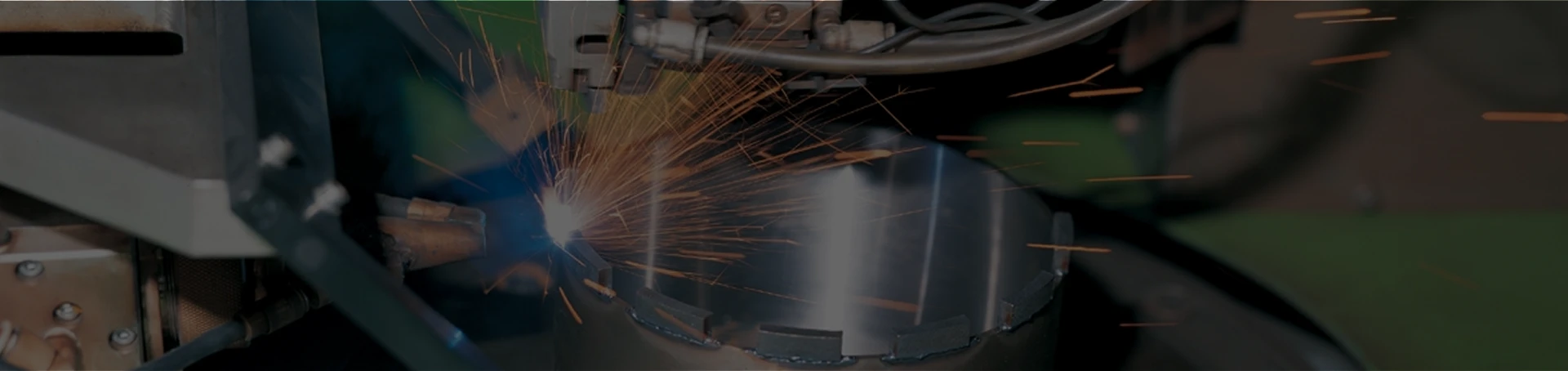
To put it simply, core drilling a wall is the process of using a specialized drill equipped with a core bit to bore a cylindrical hole through a wall's surface. This isn’t just any drill bit, but a diamond-segmented bit designed to grind through tough materials like reinforced concrete, brick, and stone without cracking surrounding surfaces. The result? Smooth, accurate holes that are often needed to fit pipes, cables, or ventilation ducts. In today’s industry, this method supports everything from large infrastructure upgrades to small-scale residential renovations — even medical facilities, where precise penetrations mean proper airflow and safety compliance.
Core Components of Core Drilling
1. Durability of Diamond Core Bits
The secret sauce lies in diamond-tipped bits, known for their incredible hardness and longevity. You know, diamonds might be famous for jewelry, but in drilling, their abrasiveness is what cuts through reinforced materials efficiently.
2. Precision Technology
Modern core drills often come with depth stops and adjustable speed settings, allowing for accurate hole depths and minimal vibration—key for avoiding structural damage.
3. Cooling Systems
Water-fed drills help cool down the bit and reduce dust, which is important not only for prolonging tool life but also for worker safety and environmental compliance.
4. Portability and Power
Cordless core drills are becoming increasingly popular, offering the advantage of working in remote or tight spaces without sacrificing power.
5. Cost Efficiency
Investing in quality drill bits and equipment can reduce overall project costs by cutting down task times and minimizing wall repairs.
Mini takeaway: Whether it’s in tool choice or technique, mastering core drilling means balancing precision, durability, and safety to meet project demands.
Product Specifications: Typical Diamond Core Drill Bits
| Specification | Details |
|---|---|
| Diameter Range | 10 mm – 300 mm |
| Segment Type | Continuous rim / Turbo / Segmented |
| Max Drilling Depth | Up to 600 mm |
| Material Compatibility | Concrete, Brick, Stone, Asphalt |
| Cooling | Wet or dry |
Global Applications and Use Cases
Core drilling isn’t just for skyscrapers or urban infrastructure. In fact, humanitarian groups rely on it heavily—for instance, in post-disaster relief operations where rapid installation of water or power systems can literally save lives. In industrial zones in Southeast Asia, engineers core drill walls to retrofit older plants with modern safety systems without halting production entirely. Meanwhile, European cities use core drilling techniques to upgrade ancient buildings, preserving historical integrity while allowing for essential electrical upgrades.
Oddly enough, you’ll also find this technique in medical facility construction, where smooth, exact holes allow the installation of ventilation to meet strict hygiene codes. It’s this versatility that makes understanding how to core drill a wall an indispensable skill worldwide.
Vendor Comparison: Diamond Core Drill Suppliers
| Vendor | Price Range | Key Features | Warranty / Support |
|---|---|---|---|
| DrillMaster Pro | $$$ | High endurance bits, variable speed, ergonomic design | 3 years, 24/7 support |
| CoreCut Solutions | $$ | Affordable bits, adequate cooling system, decent power output | 2 years, email support |
| DiamondEdge Tools | $$$$ | Premium bits, longest durability, advanced dust extraction | 5 years, onsite service |
Advantages and Long-Term Value
Core drilling offers many tangible benefits: improved project efficiency, reduced labor hours, and minimal damage to costly materials. But it’s not just about cost. It’s about safety — avoiding structural cracks that could cause issues down the line. Plus, sustainability plays a subtle but growing role; efficient drilling reduces waste and supports green building certifications. On a social level—knowing that your drilling causes minimal disruption to occupants or the environment adds a layer of trust and dignity to your work (I suppose that’s not always discussed enough).
Emerging Trends in Core Drilling Technology
The future looks pretty exciting! Advances like automated depth control, smart drills with IoT connectivity, and eco-friendly coolant fluids are reshaping how professionals approach core drilling. There’s also a push towards integrating green energy sources like battery-powered drills that don’t compromise torque or run-time. In the realm of policy, stricter emission and dust regulations mean cleaner, safer sites — encouraging tool manufacturers to innovate faster. In real terms, this means faster, safer, and more precise core drilling that aligns with the demands of digital transformation.
Challenges & Expert Solutions
Of course, no technique is without its hiccups. Common challenges include overheating of bits, inconsistent wall material hardness, or lack of access to water cooling in remote zones. Many engineers swear by pre-cleaning the surface and using wet drilling with dust extraction units to mitigate each issue. Moreover, the rise of cordless, brushless motor drills offers a solution for inaccessible or awkward spaces—although battery life and torque can be concerns here.
FAQ: Practical Questions About How to Core Drill a Wall
-
Q: What diameter core bit should I use for electrical conduit installation?
A: Typically, use a bit slightly larger than the conduit size—often 25-40 mm for standard electrical cables—to allow clearance while ensuring a snug fit. -
Q: Is wet drilling always necessary when core drilling walls?
A: Not always, but using water dramatically reduces dust and cools the bit, extending tool life. Dry drilling is possible with dust extraction tools but may increase wear. -
Q: Can core drilling damage structural integrity?
A: If done correctly—using proper bit size and placement—it should not. Poor technique or oversized holes can cause cracks; always consult structural plans. -
Q: How do I choose between cordless and corded core drills?
A: Corded drills generally offer more power and longer runtime, making them ideal for heavy jobs. Cordless models offer portability but check battery capacity first. -
Q: Are diamond core bits reusable?
A: Yes, but their lifespan depends on material hardness and usage frequency. Proper cooling and maintenance prolong their effective drilling life.
Conclusion + Call to Action
In sum, knowing how to core drill a wall isn’t just a handy skill—it underpins safe, sustainable, and efficient construction worldwide. Whether you’re a seasoned engineer or just starting, the right techniques and tools make all the difference. For those interested in exploring this further, check out how to core drill a wall resources available online. From tool selection to advanced techniques, getting this right will pay dividends in safety and success.
Reflection: It’s fascinating how something seemingly technical can have profound impacts across industries and geographies. I sometimes think we overlook the small steps that enable huge projects to succeed—core drilling is definitely one of those unsung heroes.
References
Related Products
Related Products





Address
No.30 Gaoying Road ,Chang'an District,Shijiazhuang,Hebei Province
Business Hours
Mon to Saturday : 8.00 am - 7.00 pm
Sunday & Holidays : Closed
.png )