Marble Cutting Blade Price Guide – Quality, Cost, and Global Insights
Understanding Marble Cutting Blade Price: Why It Matters More Than You Think
Marble is one of those timeless materials—luxurious, robust, classic. But cutting it? Well, that takes a bit more than just a regular saw blade. The price of marble cutting blades is something that carries weight far beyond the industrial workshop. It affects everything from construction budgets to the latest marble sculpture exhibitions, and even the speed at which buildings rise or are restored worldwide.
Grasping what goes into marble cutting blade price not only helps project managers and procurement teams make better decisions but also unveils a fascinating interplay of technology, global supply chains, and craftsmanship. So, let’s wobble on that tightrope for a while, shall we?
The Global Context: Marble Cutting Blade Prices in Today's Industry Landscape
The marble industry, valued globally at billions of dollars, relies heavily on high-quality tools. According to the International Trade Centre, countries like Italy, India, and China dominate marble production and export, alongside an ever-growing demand in emerging markets. Marble cutting blades, a vital component in extracting and shaping this stone, directly influence both cost efficiency and project timelines.
Moreover, as urban areas expand with new construction projects — or heritage sites need restoration — choosing the right marble cutting blade impacts everything from waste reduction to safety. The World Bank data on construction growth in Asia and the Middle East shows a trend toward increased infrastructure spending, which means the marble cutting blade price factor is by no means trivial.
But the catch is, not all blades are equal. Prices vary widely — some blades costing less than $50, others well over $500, depending on materials and performance benchmarks.
Mini Takeaway:
- The cost of marble cutting blades affects global construction efficiency.
- Marble-rich regions dictate demand and price fluctuations.
- Choosing the right blade means balancing cost with durability and performance.
What Exactly Is Marble Cutting Blade Price?
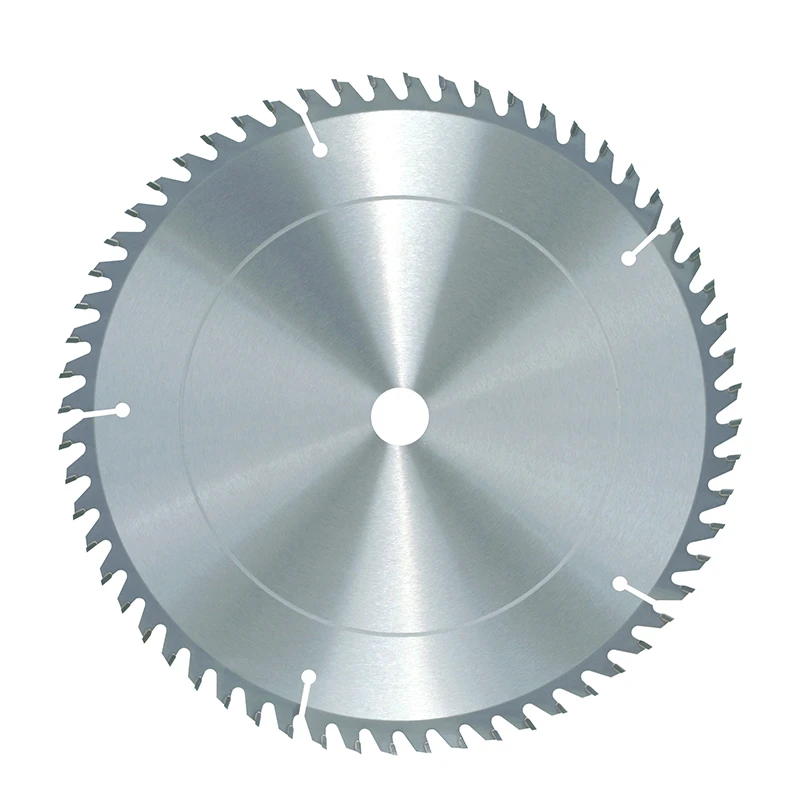
Simply put, marble cutting blade price refers to the cost of specialized blades designed specifically for carving, slicing, or shaping marble blocks and tiles. These blades differ from standard cutting tools—they incorporate diamond segments or other abrasive materials that can handle marble’s hardness without shattering or causing unnecessary wear.
Why is this definition important? Because in modern industries like construction, monument making, and even certain humanitarian rebuilding efforts, the blade's capability directly influences both the quality of the cut and the project's bottom line. These blades enable smoother curves, cleaner edges, and less downtime, which is critical if you’re racing against weather conditions or contract deadlines.
Mini Takeaway:
- Marble cutting blade price reflects material costs and technical specs.
- These blades play a key role in maintaining quality and efficiency.
- Understanding blade price helps optimize project planning.
What Drives Marble Cutting Blade Price? Key Factors Explored
1. Durability and Blade Composition
This is the big one. Marble blades often come embedded with industrial diamonds—because when you’re hacking through marble (which rates about 3-4 on the Mohs scale), you need a bit of grit. The quality and size of diamond granules, plus the metal matrix binding them, determine longevity and cut precision. Blades with better composition cost more upfront but usually save money over time.
2. Cutting Speed & Efficiency
Higher-priced blades generally mean faster cut speeds with smoother finishes. This can reduce labor costs and machine wear, leading to savings beyond the sticker price. However, using the right blade for the intended marble type (whether we’re talking soft Carrara or a dense granitoid) is crucial for maximizing these benefits.
3. Blade Size and Type
From handheld saw blades about 4 inches across to giant circular blades for quarry work measuring several feet in diameter, size impacts price dramatically. Larger blades require more materials and manufacturing precision, understandably hiking the price tag.
4. Manufacturing Origin & Brand Reputation
Blades made in Europe or Japan often command higher prices due to strict quality controls and patented technologies. Meanwhile, emerging markets offer competitive pricing—sometimes a gamble on quality though, so buyer discretion is advised.
5. Supply Chain and Material Costs
Fluctuations in diamond prices, steel tariffs, or shipping delays directly influence marble cutting blade price worldwide. During times of global instability, prices can jump unexpectedly.
Mini Takeaway:
- Core cost drivers include durability, size, speed, and sourcing.
- Investing in a good-quality blade often pays off in the long haul.
- Price isn’t the only factor—performance and fit for purpose matter immensely.
Product Specifications at a Glance
| Specification | Typical Range | Notes |
|---|---|---|
| Diameter | 4" to 24+" (100mm to 600mm+) | Sizes vary by machine and application |
| Segment Material | Industrial Diamond & Metal Matrix | Diamond quality impacts cutting speed and durability |
| Thickness | 2.2 mm - 4 mm + | Thicker blades often cut slower but last longer |
| Price Range | $50 – $600 per blade | Varies by size and technology |
| Max RPM | 3,500 – 7,300 RPM | Follow manufacturer specs for safety |
Comparing Major Vendors: Pricing and Features
| Vendor | Average Price (USD) | Quality Rating | Special Features |
|---|---|---|---|
| DiamondTech | $150 - $450 | 9/10 | Ultra-fine diamond segments, long life |
| MarblEdge | $100 - $350 | 8/10 | Cost-effective, moderate speed |
| ProCut Blades | $80 - $220 | 7/10 | Basic models, entry-level durability |
| AsiaDiamond | $60 - $180 | 6/10 | Budget-friendly, variable quality |
Quality rating based on industry expert reviews and user feedback
Where Marble Cutting Blade Prices Make a Real Difference: Global Use Cases
Across quarries in Italy’s Carrara region, blade quality can dictate how much marble is lost as waste. In China’s booming urban centers, construction sites churn through thousands of blades monthly, so price agility directly affects operational costs.
Interestingly, in humanitarian reconstruction after natural disasters — say, the recent earthquake zones in Turkey or Nepal — reliable cutting blades accelerate rebuilding sturdy housing quickly. NGOs and contractors working there value blades that cut fast but with durability, so the marble cutting blade price becomes a vital budget consideration.
Mini Takeaway:
- Blade price influences waste, speed, and safety in quarrying and construction.
- Disaster relief efforts need reliable, cost-effective cutting tools.
- Global markets have distinct needs but share a common focus on balance between price and quality.
Why Pay Attention? The Advantages and Long-Term Value Behind Blade Prices
It’s tempting to opt for cheaper blades but short-term savings often mean higher replacement rates and project delays. Investing in high-quality blades may appear pricier but results in:
- Lower total cost of ownership: Stronger blades last longer and reduce machine wear.
- Enhanced worker safety: Precision cuts minimize accidents caused by blade failure.
- Environmental impact: Efficient cutting produces less dust and waste.
- Consistent quality: Cultural or artistic projects need reliable precision to uphold reputations.
Frankly, the emotional benefits—less stress on site managers, better morale among operators—are harder to quantify but crucial. You trust your tools to deliver every single day.
The Future Is Cutting Edge: Trends Shaping Marble Cutting Blade Price
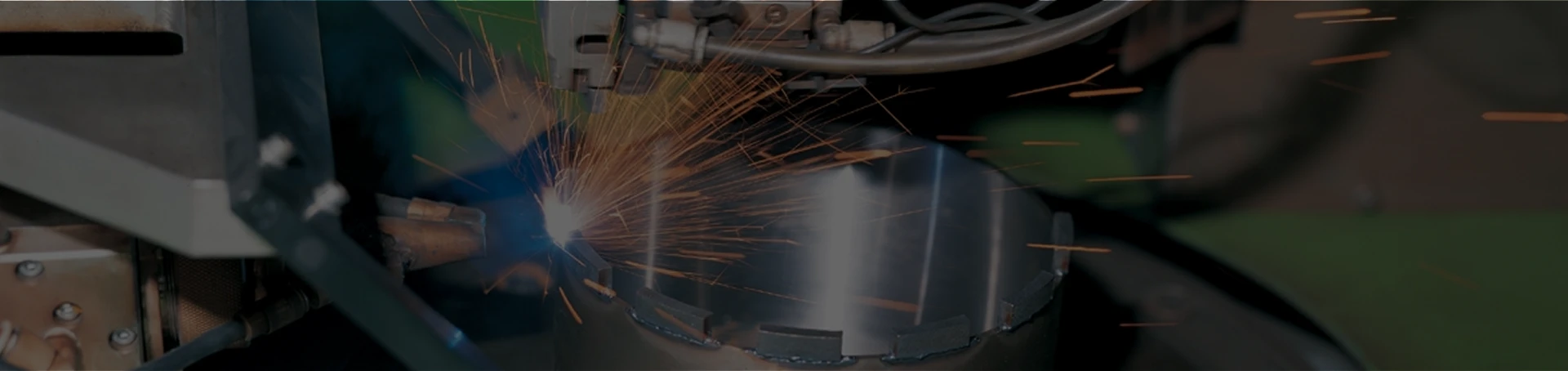
Manufacturers are innovating rapidly. The use of laser welding to fuse diamond segments offers blades that maintain integrity under intense conditions. Some companies are exploring eco-friendly metal matrices to reduce environmental footprint during production.
Automation integration, where blade wear sensors transmit data to cloud analytics, helps predict replacements before failures occur—cutting downtime significantly. Plus, the increasing adoption of green energy solutions in manufacturing could stabilize costs over time.
Acknowledging Challenges and Possible Solutions
Despite improvements, the market struggles with counterfeit products, especially in regions with less regulation, which can skew perceived marble cutting blade price. Logistics issues and raw material scarcity can also cause delays or price spikes.
Experts recommend tighter certification standards and supplier audits, alongside investment in predictive maintenance tech, to smooth out these bumps.
FAQs About Marble Cutting Blade Price
- What factors cause marble cutting blade price to vary so much?
- Blade size, diamond quality, type of metal matrix, manufacturing origin, and supply chain costs all play significant roles in price variation.
- How often should I replace a marble cutting blade to stay cost-effective?
- Replacement depends on usage and material hardness but monitoring wear and cutting performance regularly can help avoid unnecessary early replacement or late failure.
- Are more expensive blades always better?
- Not necessarily. While higher-quality blades usually last longer and cut faster, the best choice depends on your specific marble type, machine compatibility, and project requirements.
- Can I negotiate better prices for blades in bulk?
- Yes. Many vendors provide discounts for volume orders — it’s worth discussing long-term supply contracts for consistent pricing.
- How do I verify the authenticity of diamond blades?
- Buy from reputable suppliers, check certifications, and consider third-party testing labs to ensure blade quality and safety standards.
Final Thoughts & Next Steps
Marble cutting blade price is more than a mere number; it’s a reflection of complex technology, global markets, and the art of balancing cost with performance. Whether you’re a contractor, supplier, or enthusiast, understanding these nuances helps ensure your projects cut cleanly, economically, and sustainably.
Ready to find your perfect blade? Visit https://www.mydiamondblade.com to explore competitive pricing and innovative product ranges tailored for every scale and scope.
References
Related Products
Related Products




Address
No.30 Gaoying Road ,Chang'an District,Shijiazhuang,Hebei Province
Business Hours
Mon to Saturday : 8.00 am - 7.00 pm
Sunday & Holidays : Closed
.png )