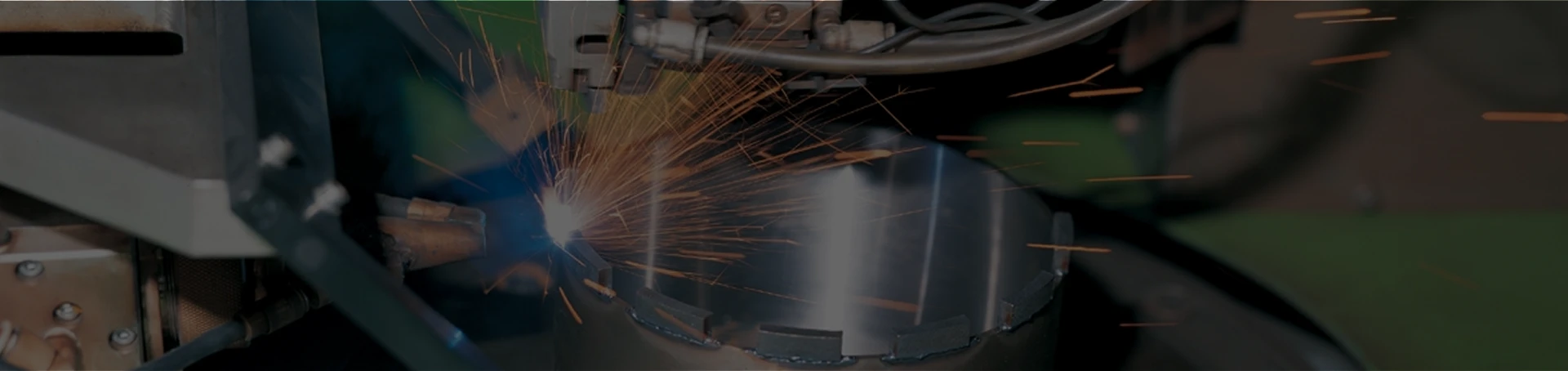
PCD Grinding Shoes: Aggressive Concrete & Coatings Removal
Introduction to Advanced Surface Preparation
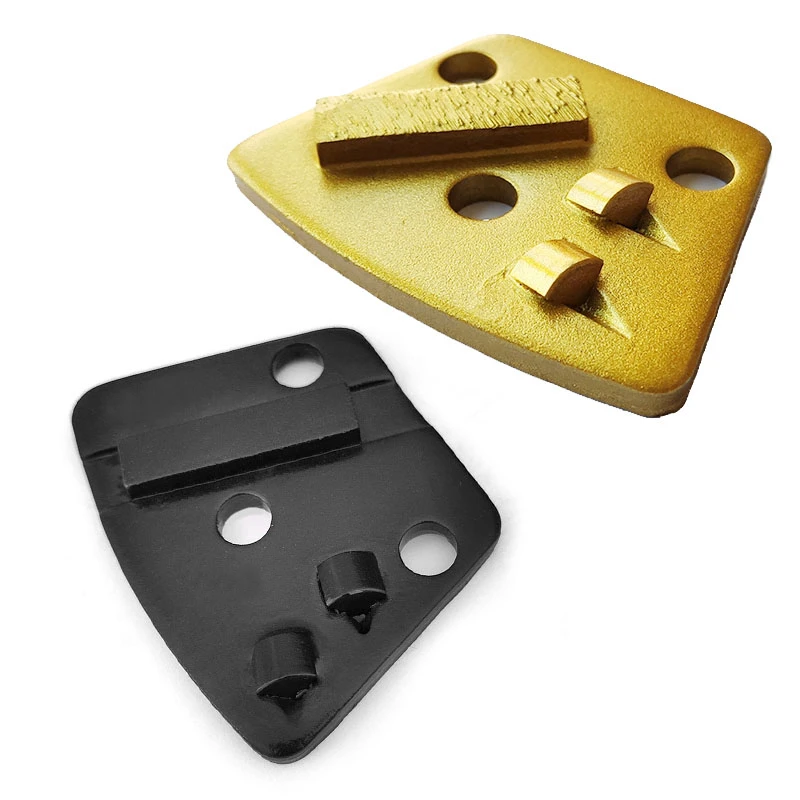
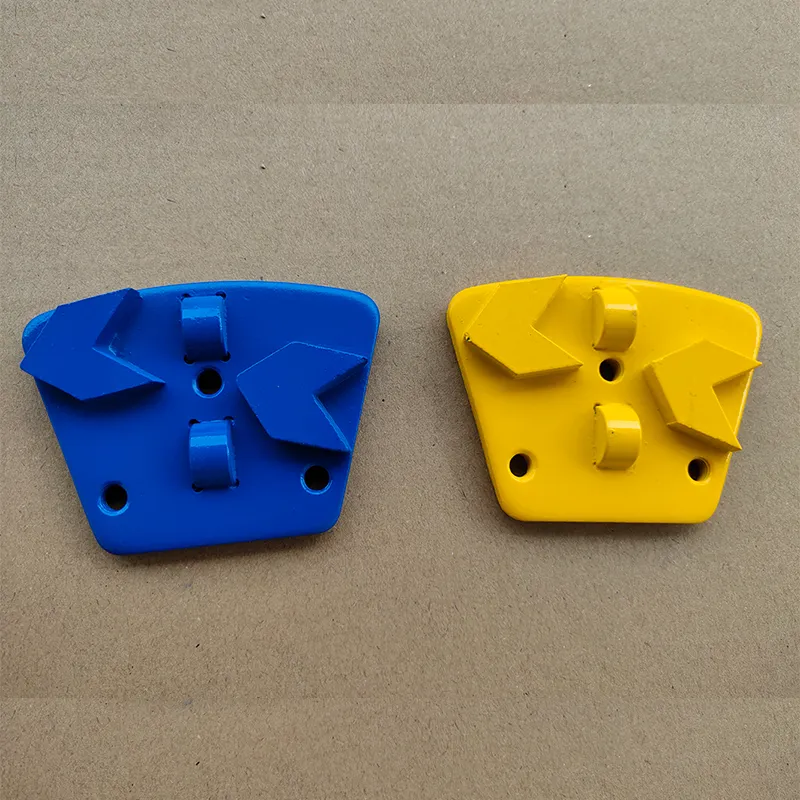
In industrial surface preparation, the effectiveness and longevity of abrasive tools are paramount for achieving optimal results and operational efficiency. Polycrystalline Diamond (PCD) grinding technology represents a significant advancement, offering unparalleled performance in demanding applications. Specifically, pcd grinding shoes are engineered solutions designed to aggressively remove tough coatings, adhesives, and sealants from concrete and masonry surfaces. This document delves into the technical intricacies, application benefits, and strategic considerations for deploying these high-performance grinding solutions in various B2B contexts.
Industry Trends in Concrete Surface Preparation
The global concrete grinding and polishing market is experiencing robust growth, driven by increasing infrastructure development, stringent safety regulations requiring durable and slip-resistant flooring, and a rising demand for aesthetic and high-performance industrial surfaces. Key trends indicate a shift towards more efficient, environmentally friendly, and operator-safe grinding solutions. This includes advancements in dust extraction systems, automation, and, critically, the development of superior abrasive materials. The market for specialized tooling, such as pcd grinding shoes, is expanding rapidly as industries seek more effective methods for removing resilient coatings like resins, epoxies, and elastomeric materials that traditional diamond tooling struggles with. The focus is on tools that offer extended service life, reduced labor costs, and superior surface profiling for subsequent coating applications. The demand for specialized pcd grinding tools is projected to grow at a CAGR of 6.5% through 2028, reflecting this industry-wide emphasis on efficiency and performance.
Detailed Manufacturing Process of PCD Grinding Shoes
The production of high-performance pcd grinding shoes is a sophisticated process requiring precision engineering and adherence to strict quality control standards. This ensures the durability, aggressive cutting action, and consistent performance required in heavy-duty applications.
-
1. Material Selection:
The core abrasive element is Polycrystalline Diamond (PCD), a synthetic diamond composite produced by sintering microscopic diamond particles with a metallic binder (often cobalt or nickel) at high pressures and temperatures. This creates a superhard, thermally stable material. The backing plate is typically constructed from high-grade steel, chosen for its strength, impact resistance, and ability to dissipate heat.
-
2. PCD Segment Production:
PCD blanks are typically manufactured under extreme pressure (e.g., 5-6 GPa) and temperature (e.g., 1400-1600 °C) conditions. After sintering, these blanks are precision-cut (often using laser or EDM wire cutting) into specific geometries and sizes suitable for grinding segments. For aggressive coating removal, quarter-round, half-round, or full-round button segments are common.
-
3. Brazing/Welding:
The PCD segments are then securely bonded to the steel backing plate using advanced brazing or laser welding techniques. Brazing involves a filler metal (e.g., silver-based alloy) that melts at a lower temperature than the base materials, creating a strong metallurgical bond. Laser welding provides a very clean and precise bond, crucial for preventing segment detachment during operation. This step adheres to standards such as ISO 11090 for brazing quality.
-
4. CNC Machining and Finishing:
The assembled grinding shoes undergo CNC machining to ensure precise dimensions, flatness, and correct mounting hole patterns. This step guarantees compatibility with various grinding machines and ensures optimal contact with the surface. Surface finishing processes may also be applied to enhance corrosion resistance and aesthetics.
-
5. Quality Control and Testing:
Each batch undergoes rigorous quality control. This includes visual inspection, dimensional checks (e.g., ANSI B7.1 standards for abrasive wheel dimensions), bond strength testing, and performance testing under simulated conditions. Service life expectations are benchmarked against industry standards, with typical high-quality pcd grinding shoes designed for hundreds of operational hours, significantly outperforming conventional abrasives. Target industries include petrochemical, metallurgy, infrastructure, and water supply & drainage, where surface integrity and durability are critical.
Technical Specifications and Parameters
Understanding the technical parameters of pcd grinding shoes is crucial for selecting the appropriate tool for specific applications. These parameters directly influence removal rate, surface finish, and tool longevity.
Key Structural and Performance Parameters:
- PCD Grade: Refers to the size and quality of the diamond particles and the binder material. Finer grades offer smoother finishes, while coarser grades provide more aggressive removal.
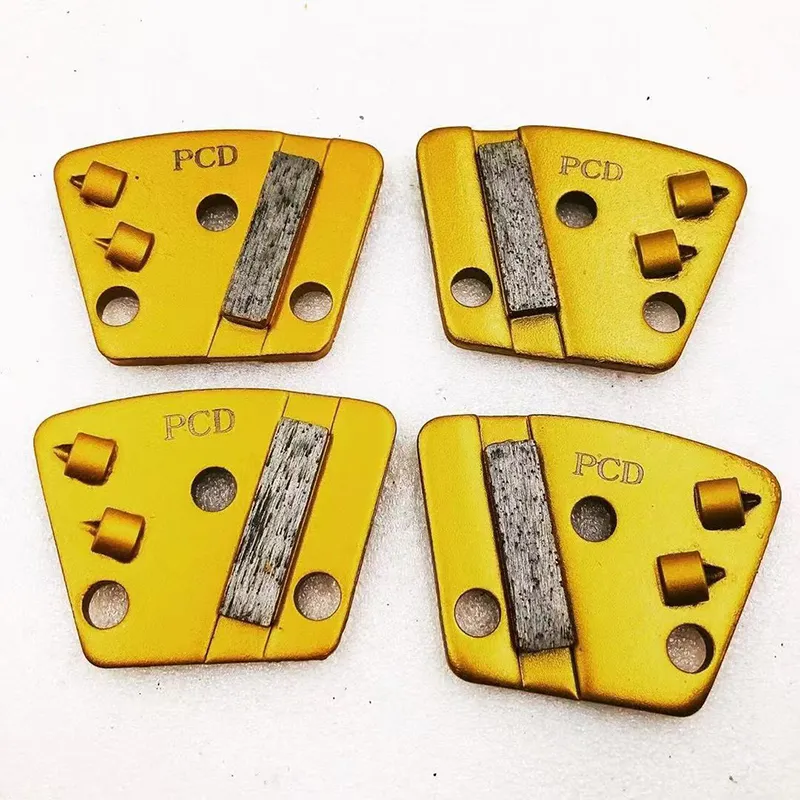
- Segment Design: Quarter-round (for heavy, thick coatings), half-round (balanced removal), or full-round button (more general purpose). The segment configuration impacts both aggressiveness and self-cleaning capabilities.
- Bond Hardness: The hardness of the metallic matrix holding the PCD segments. A harder bond is ideal for softer coatings to prevent premature segment loss, while a softer bond exposes new PCD faster for harder coatings.
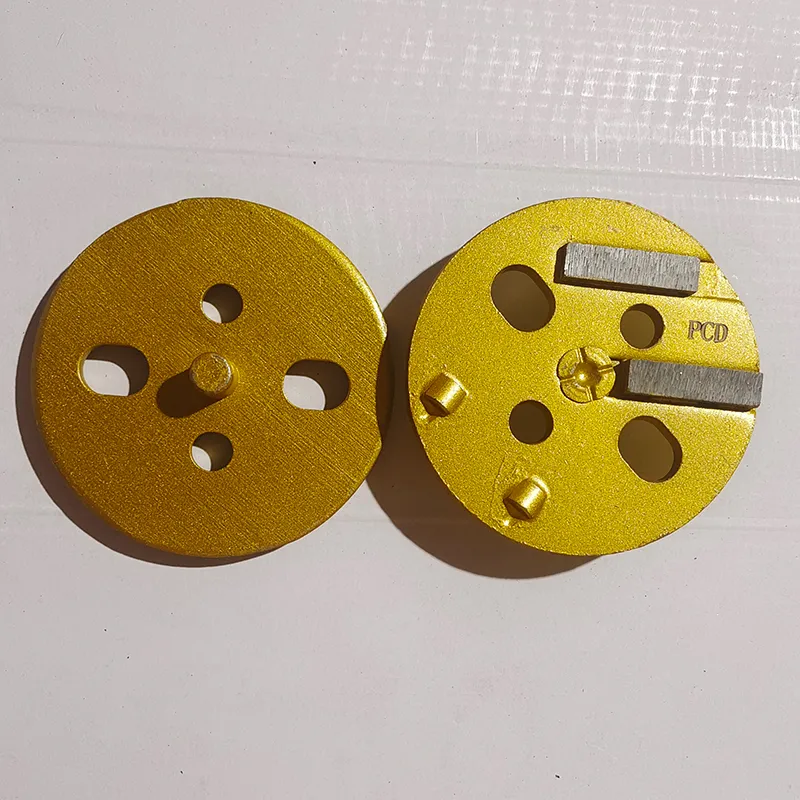
- Backing Plate Material: High-strength steel ensures durability and proper heat dissipation. Common connections include trapezoid, round, or rectangular.
- Overall Dimensions: Standard shoe sizes ensure compatibility with a wide range of floor grinding machines (e.g., Lavina, HTC, Satellite).
Typical Product Specifications:
Application Scenarios and Technical Advantages
PCD grinding shoes excel in scenarios where conventional diamond tools are ineffective or quickly wear out due to abrasive, sticky, or elastomeric coatings. Their unique material properties provide significant technical advantages.
Typical Application Scenarios:
- Industrial Floor Preparation: Removing thick epoxy coatings, industrial paints, and adhesive residues in factories, warehouses, and aircraft hangars.
- Commercial Building Refurbishment: Stripping old mastics, glues, and waterproofing membranes from concrete slabs in retail spaces, offices, and hospitals.
- Bridge Deck and Infrastructure Repair: Preparing concrete surfaces for new overlay applications by removing existing coatings and compromised concrete layers, enhancing corrosion resistance for new applications.
- Sports Facilities: Removing rubberized coatings from athletic tracks or gymnasium floors.
- Marine and Offshore Structures: Preparing concrete elements for protective coatings where energy saving and efficient removal of tough anti-corrosion layers are crucial.
Technical Advantages:
- Superior Hardness and Wear Resistance: PCD is significantly harder than conventional abrasives, allowing it to fracture and remove tough coatings without dulling. This translates to an extended service life, often 10-20 times longer than standard diamond tools, leading to substantial energy saving by reducing tool changes and downtime.
- Aggressive Coating Removal: The unique micro-fracturing action of PCD shears off coatings efficiently, rather than grinding through them. This makes it exceptionally effective against soft, gummy, or elastomeric materials that would clog traditional diamond segments.
- High Efficiency: Faster material removal rates reduce project timelines and labor costs. Contractors report up to a 50% increase in productivity compared to less specialized tools for heavy coating removal.
- Reduced Downtime: The longevity of PCD tools minimizes the frequency of tool changes, maximizing operational time for grinding machines.
- Improved Surface Profile: PCD tools can create an optimal surface profile (e.g., CSP 3-5) for subsequent coating adhesion, which is critical for long-term coating performance and corrosion resistance.
Vendor Comparison: Specialized vs. Generic PCD Grinding Tools
While many suppliers offer pcd grinding tools, significant differences exist in their design, material quality, and intended application. Choosing the right vendor and product type is crucial for project success and long-term cost-effectiveness. A key differentiator lies between generic PCD segments and purpose-built pcd grinding shoes.
Comparison Table: Specialized PCD Grinding Shoes vs. Generic Diamond/PCD Segments
For B2B operations focused on efficient and thorough coating removal, investing in specialized pcd grinding shoes from reputable manufacturers like mydiamondblade.com translates into significant operational savings and superior project outcomes. This specialized tooling ensures the job is done right the first time, preventing costly reworks and ensuring optimal adhesion for subsequent coatings.
Customized Solutions
Recognizing that every surface preparation challenge is unique, leading manufacturers offer customized pcd grinding shoes tailored to specific project requirements. Customization can address particular coating types, concrete hardness, machine compatibility, and desired removal rates.
Customization Options Include:
- PCD Segment Size and Shape: Tailoring the size and geometry of the PCD segments (e.g., larger chunks for extremely thick coatings, smaller for more controlled removal).
- Bond Hardness Adjustment: Modifying the metallic bond to optimize performance on very soft concrete or exceptionally hard, abrasive coatings.
- Number of PCD Segments: Adjusting the segment count to balance aggressiveness and tool lifespan.
- Backing Plate Design: Customizing mounting patterns or shoe profiles to perfectly fit non-standard grinding machines or achieve unique grinding patterns.
- Integration of Sacrificial Bars: Optimizing the presence and material of sacrificial diamond bars to protect the PCD from direct contact with the concrete, preventing premature wear and gouging.
Consulting with a technical expert can help define the optimal custom solution, ensuring maximum efficiency and cost-effectiveness for specialized applications.
Application Case Studies
The efficacy of pcd grinding shoes is best demonstrated through real-world applications and positive customer feedback. Our commitment to quality and performance is supported by rigorous testing and certifications, including ISO 9001, ensuring consistent product excellence.
Case Study 1: Large-Scale Epoxy Floor Removal
- Client: Major automotive manufacturing facility (anonymous due to NDA).
- Challenge: Remove 3-5mm thick, heavily worn epoxy coating from a 50,000 sq ft production area within a tight two-week shutdown window. Traditional diamond tools were clogging and wearing out rapidly.
- Solution: Deployment of specialized half-round PCD grinding shoes with aggressive quarter-round PCD segments and a sacrificial diamond bar.
- Results: The client completed the project 3 days ahead of schedule, achieving a Concrete Surface Profile (CSP) of 4, ideal for the new high-build epoxy system. Tool consumption was reduced by 60% compared to previous projects using standard diamond tools, resulting in a 25% cost saving on abrasives alone.
Customer Feedback: "These PCD shoes cut through the old epoxy like butter. The efficiency gains were remarkable, and we managed to stay well within our budget and timeline. The tools lasted far longer than anything we've used before."
Case Study 2: Mastic Adhesive Removal from Concrete Slab
- Client: Commercial flooring contractor for a 20,000 sq ft retail space renovation.
- Challenge: Remove stubborn black mastic adhesive remaining after tile removal. The mastic was extremely sticky and caused significant gumming on standard diamond segments.
- Solution: Utilizing quarter-round PCD grinding shoes specifically designed for mastic and glue removal, featuring aggressive fractured PCDs and a softer bond for optimal self-cleaning.
- Results: The contractor successfully removed the mastic, leaving a clean, profiled concrete surface ready for new flooring. The self-cleaning nature of the PCD segments prevented clogging, allowing for continuous grinding. Project time was reduced by 40%, and the tools exhibited minimal wear, confirming their longevity and robustness in challenging conditions.
Frequently Asked Questions (FAQ)
Q: What makes PCD grinding shoes different from standard diamond grinding tools?
A: PCD (Polycrystalline Diamond) tools utilize larger, often fractured, synthetic diamond particles designed to shear through tough coatings like epoxies, resins, and mastics. Standard diamond tools, using smaller, embedded diamonds, tend to grind or abrade, which can cause them to dull or clog on sticky materials. PCD tools are far more aggressive and efficient for coating removal.
Q: Can PCD grinding shoes be used on bare concrete?
A: While effective for aggressive concrete profiling, PCD tools are primarily designed for coating removal. Using them on bare concrete for extended periods can prematurely wear the PCD segments or gouge the concrete. For bare concrete grinding or polishing, specialized metal bond or resin bond diamond tools are typically more suitable.
Q: How do I choose the correct PCD segment configuration?
A: The choice depends on the coating type and thickness. Quarter-round or half-round segments with a sacrificial diamond bar are excellent for very thick, tenacious coatings. Full-round button PCDs offer good all-around performance. Consulting with our technical team can help you select the optimal configuration for your specific application.
Q: What is the expected lifespan of these PCD grinding shoes?
A: Lifespan varies significantly based on the aggressiveness of the coating, concrete hardness, machine operation, and proper usage. However, high-quality pcd grinding shoes typically offer an extended lifespan ranging from 100 to 300+ operating hours, substantially longer than conventional diamond tools for coating removal.
Lead Time, Warranty, and Customer Support
Lead Time & Fulfillment:
For standard pcd grinding shoes, typical lead times are 3-5 business days for in-stock items, with expedited shipping options available. For large volume orders or customized solutions, lead times may vary from 2-4 weeks, depending on complexity and production schedule. We maintain a robust supply chain to ensure timely delivery and minimize project delays for our B2B clients.
Warranty Commitments:
All our pcd grinding tools are backed by a comprehensive warranty against manufacturing defects. This typically covers materials and workmanship for a period of 1 year from the date of purchase. Our warranty policy emphasizes product reliability and customer satisfaction. Specific warranty terms and conditions are available upon request and are designed to provide confidence in your investment.
Customer Support Information:
Our dedicated technical support team comprises experienced professionals ready to assist with product selection, application guidance, troubleshooting, and post-purchase inquiries. We offer multiple channels for support:
- Phone Support: Available during business hours for immediate assistance.
- Email Support: For detailed inquiries and documentation.
- Online Resources: Access to product data sheets, application guides, and FAQs on our website.
- On-Site Consultation: For large-scale projects or complex challenges, our experts can provide on-site technical consultation.
We are committed to building long-term partnerships through exceptional product quality and responsive service.
References
- Construction Chemical Market Analysis - Grand View Research. (2023).
- Concrete Surface Profile (CSP) Guide for Coatings - International Concrete Repair Institute (ICRI). (2022).
- ASTM C1524 / C1524M - 19, Standard Test Method for Determination of the Time-Temperature History of the Concrete During the Setting of Hydraulic-Cement Mortars in Thin Film. (Relevant for coating adhesion).
- ISO 9001:2015 - Quality management systems — Requirements.
Related Products
Related Products





Address
No.30 Gaoying Road ,Chang'an District,Shijiazhuang,Hebei Province
Business Hours
Mon to Saturday : 8.00 am - 7.00 pm
Sunday & Holidays : Closed
.png )