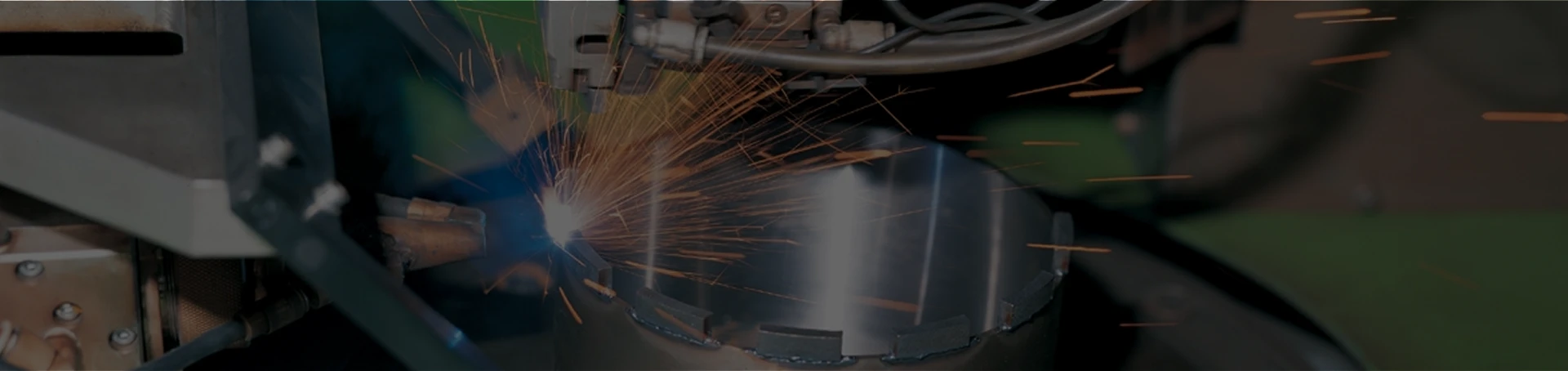
PCD Grinding Wheel: Precision & Efficiency for Hard Materials
Understanding Polycrystalline Diamond (PCD) Grinding Wheels in Industrial Applications
In the demanding landscape of industrial surface preparation and material removal, the pcd grinding wheel stands as a testament to advanced abrasive technology. Engineered for unparalleled efficiency and longevity, these specialized tools are indispensable for challenging applications such as the removal of tough coatings, epoxies, resins, and elastomeric materials from concrete and masonry surfaces. This comprehensive overview delves into the technical intricacies, application benefits, and market significance of these high-performance grinding solutions, providing critical insights for B2B decision-makers and technical professionals.
The robust design of a pcd grinding wheel, often manifesting as a pcd cup wheel or pcd grinding disc, enables it to outperform conventional abrasives in scenarios requiring aggressive material removal without compromising the substrate's integrity. Its unique diamond-like structure offers superior hardness and wear resistance, making it an economically viable and technically superior choice for large-scale industrial projects.
Current Industry Trends and Market Dynamics
The market for industrial abrasive tools, particularly those leveraging advanced materials like Polycrystalline Diamond (PCD), is experiencing robust growth driven by several key trends. Increasing demand for efficient and environmentally compliant surface preparation solutions in construction, infrastructure, and manufacturing sectors is fueling innovation. Companies are continuously seeking methods to reduce project timelines, minimize labor costs, and adhere to stringent safety and environmental regulations.
Technological advancements in PCD manufacturing have led to improved segment designs, superior bond technologies, and enhanced tool geometries, resulting in more effective and durable pcd cup wheels. The emphasis is shifting towards tools that offer higher material removal rates (MRR) while extending tool life, thereby reducing operational downtimes and overall project costs. The burgeoning market for floor coating removal and concrete surface preparation, especially in industrial facilities, warehouses, and commercial spaces, significantly contributes to the demand for high-performance abrasives like the pcd grinding disc.
Furthermore, the adoption of robotic and automated grinding systems in larger industrial operations is creating a need for consistent, high-precision tools that can maintain performance over extended periods. This trend further solidifies the position of the pcd grinding wheel as a critical component in modern industrial abrasive applications, underscoring its role in optimizing operational efficiency and productivity.
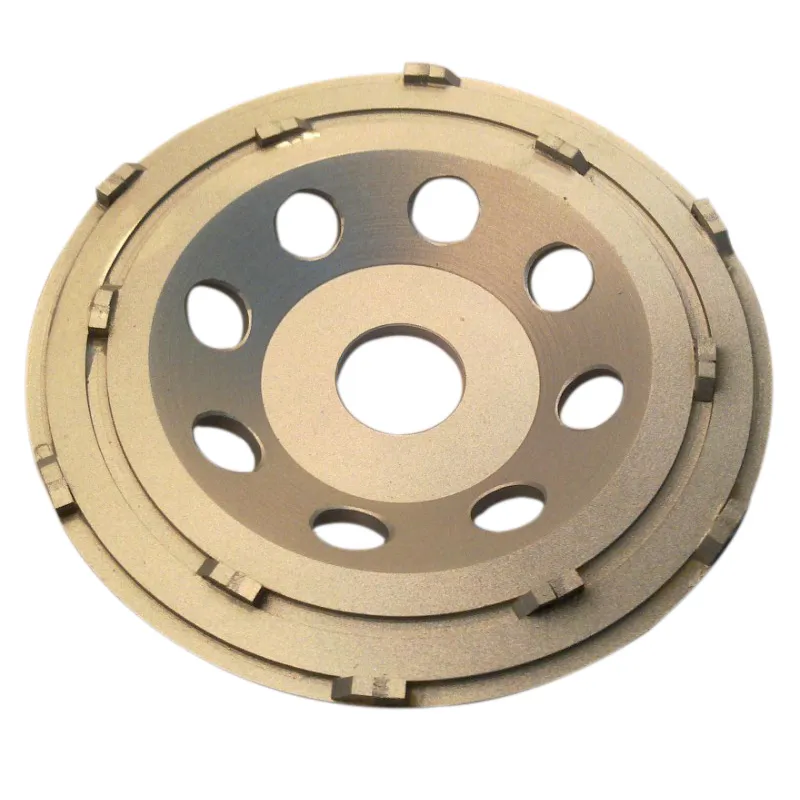
The Manufacturing Process of a PCD Grinding Wheel
The production of a high-quality pcd grinding wheel is a sophisticated multi-stage process that ensures the tool's exceptional performance and durability. This intricate manufacturing flow combines advanced material science with precision engineering to create an abrasive solution capable of tackling the toughest industrial challenges.
1. Material Selection and Preparation
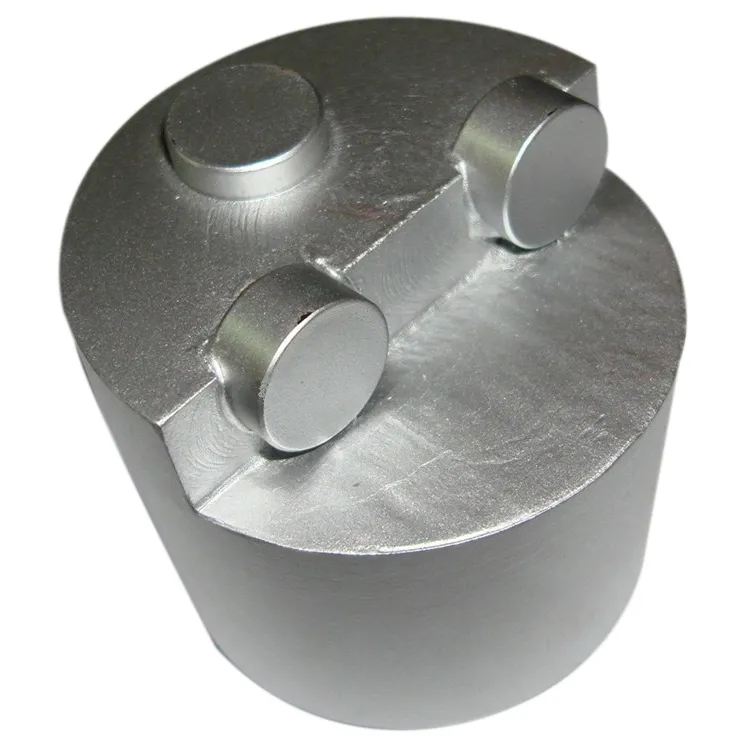
- PCD Segments: Polycrystalline Diamond (PCD) is synthesized by sintering selected diamond particles with a metallic binder (e.g., cobalt) at extremely high pressures and temperatures. This creates a superhard, thermally stable composite that is then cut into specific segment shapes.
- Steel Core: The core of the pcd cup grinding wheel is typically forged or CNC machined from high-grade steel, chosen for its strength, impact resistance, and thermal stability. Precision machining ensures perfect balance and concentricity for smooth operation.
2. Brazing of PCD Segments
The PCD segments are then carefully brazed onto the steel core. This crucial step involves using a specialized high-temperature brazing alloy to create an incredibly strong metallurgical bond between the PCD and the steel. Advanced brazing techniques, often performed in controlled atmosphere furnaces, prevent thermal degradation of the diamond and ensure segment retention under extreme operating conditions. This process is critical for the integrity and lifespan of the 7 pcd cup wheel.
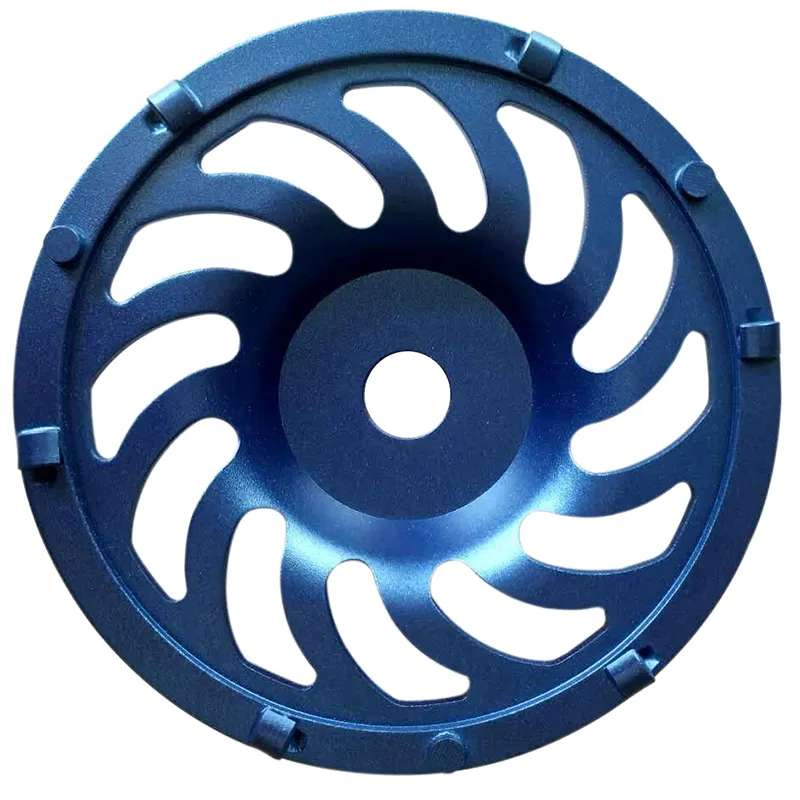
3. Precision Grinding and Balancing
After brazing, the assembled wheel undergoes precision grinding to achieve the exact dimensions and geometry required. Dynamic balancing is performed to eliminate vibrations during operation, which is paramount for both tool performance and operator safety. Unbalanced tools can lead to premature wear, poor surface finish, and machine damage.
4. Quality Control and Testing Standards
Each pcd cup undergoes rigorous quality control checks throughout the manufacturing process. Final products are tested against international standards such as ISO 9001 for quality management and ANSI B7.1 for abrasive wheel safety. These tests include checks for dimensional accuracy, segment pull-out strength, run-out, and dynamic balance. This commitment to stringent testing ensures optimal performance and safety for users in critical industries.
Target Industries and Advantages
PCD grinding wheels are vital across a spectrum of demanding industries:
- Construction & Infrastructure: Concrete preparation, coating removal on bridges, roads, and commercial floors.
- Petrochemical & Energy: Surface preparation for specialized coatings in hazardous environments, ensuring corrosion resistance and energy saving through smooth finishes.
- Metallurgy: Grinding of hardened metals and alloys where conventional abrasives fail.
- Water Supply & Drainage: Preparing surfaces for protective linings in pipes and reservoirs to prevent corrosion and extend asset life.
Advantages in these scenarios include significantly extended service life compared to traditional abrasives (often 50-100 times longer), superior material removal rates, reduced operator fatigue due to smoother operation, and consistent surface finishes that meet critical engineering specifications. The precision and durability offered by these tools directly translate into enhanced project efficiency and substantial long-term cost savings.
Technical Specifications and Parameters
The efficacy of any abrasive tool hinges on its precise technical specifications. For the PCD Grinding Cup Wheel Or Removal Of Resins, Epoxies, Elastomeric Coating And Other Coatings On Large Concrete And Masonry Areas, a range of parameters dictates its suitability for specific tasks and its overall performance. Understanding these specifications is crucial for selecting the correct tool for optimal operational outcomes.
Key Specifications of a Standard PCD Grinding Cup Wheel
| Parameter | Description | Typical Range/Value |
|---|---|---|
| Diameter | Overall diameter of the grinding wheel | 100mm (4 inches) to 250mm (10 inches), common is 125mm (5 inches) or 175mm (7 inches) for a 7 pcd cup wheel |
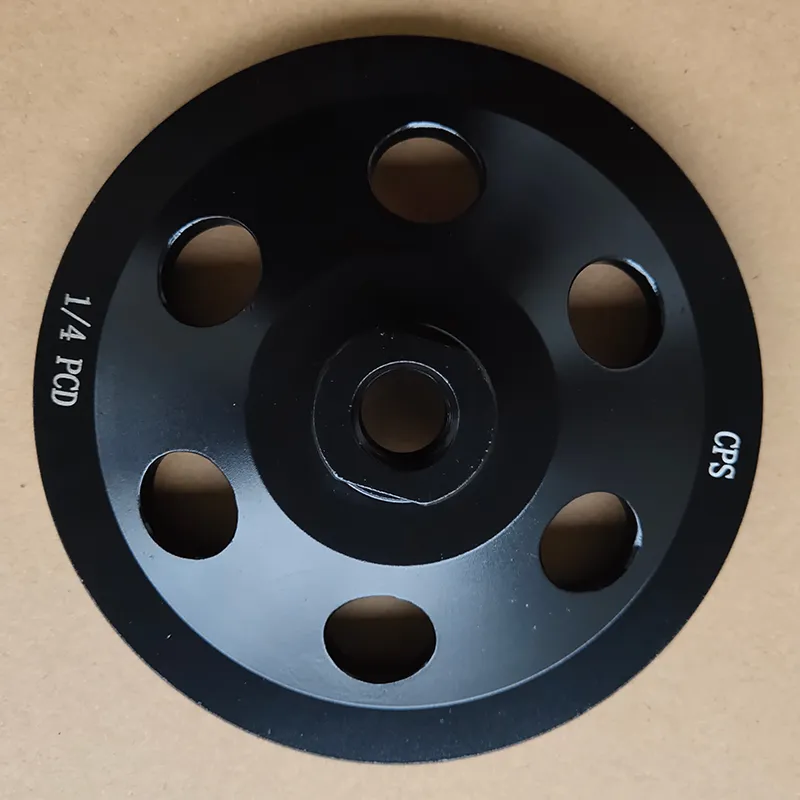
| Arbor Size | Mounting hole diameter for grinder spindle | 22.23mm (7/8 inch), M14 thread, or 5/8"-11 thread |
| Number of PCD Segments | Quantity of Polycrystalline Diamond cutting elements | 3 to 12 segments, depending on wheel size and application |
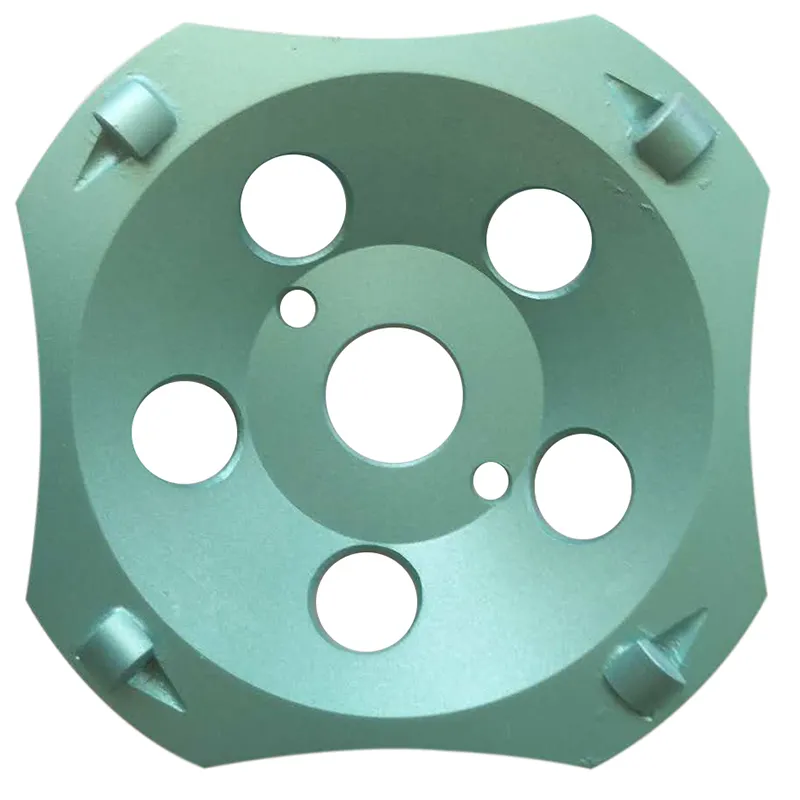
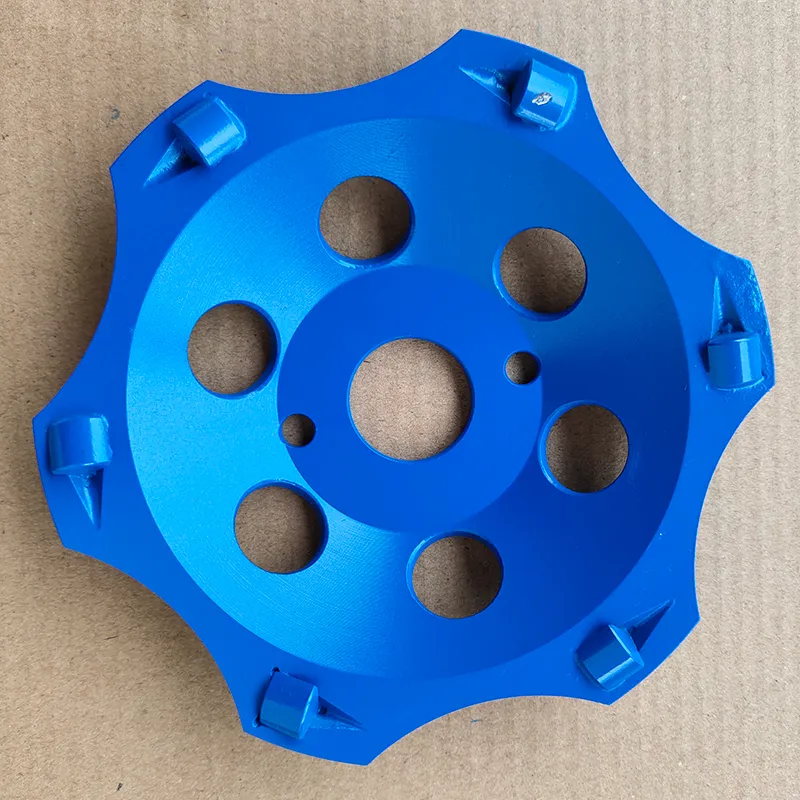
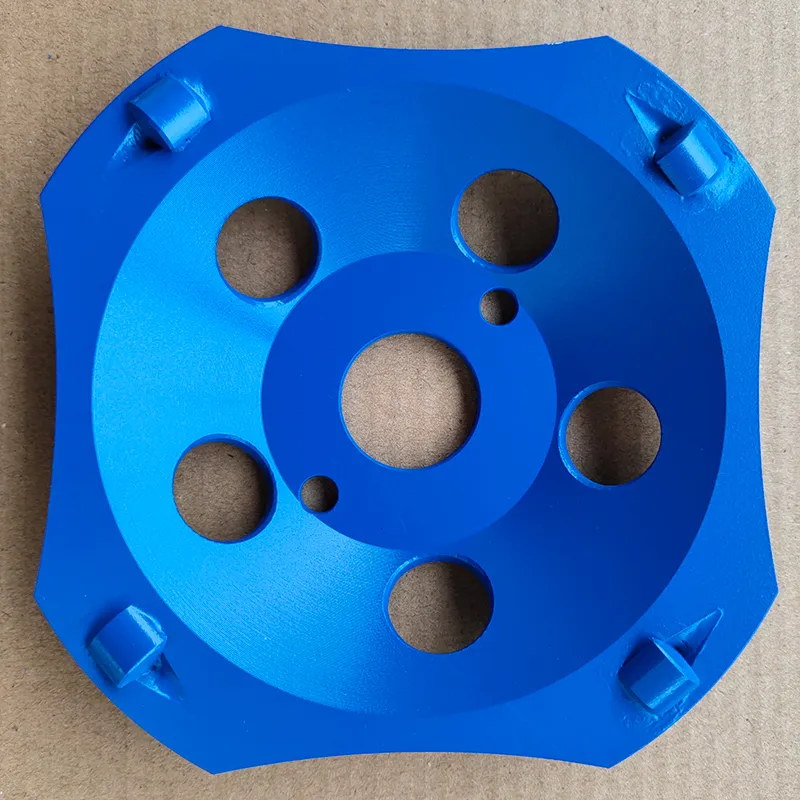
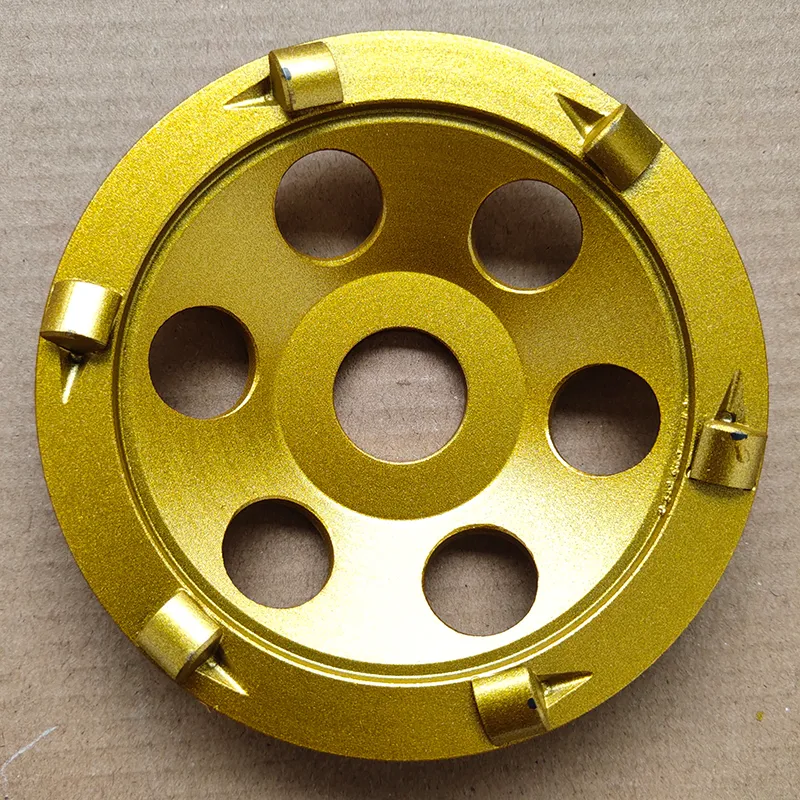
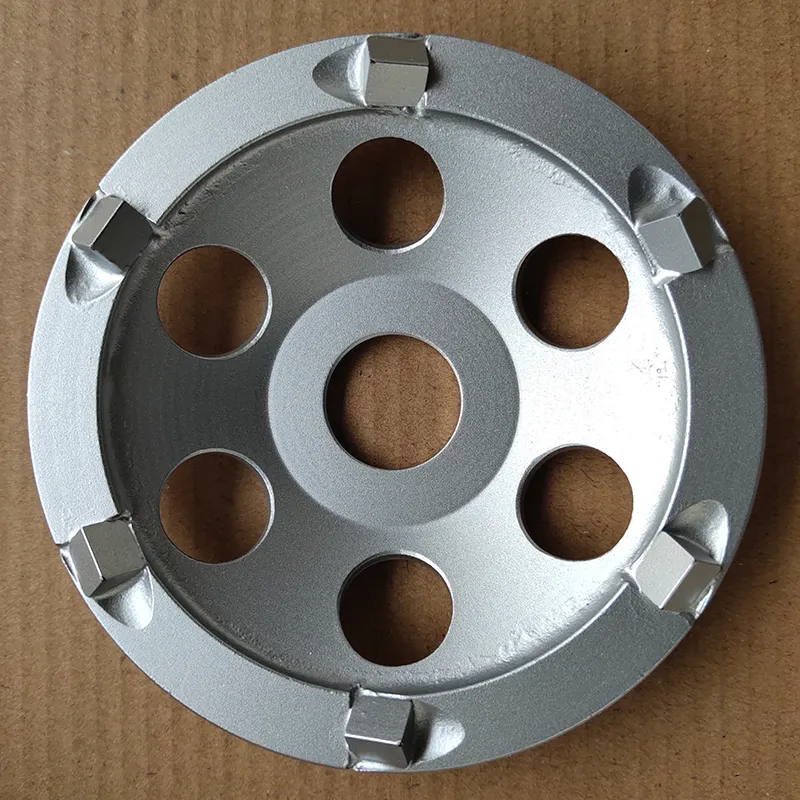
| Segment Configuration | Shape and arrangement of PCD segments (e.g., full-face, quarter-round, arrow-shaped) | Quarter-round or 'aggressive' segments for heavy coating removal, 'sacrificial' diamond segments for base exposure |
| PCD Grade/Particle Size | Roughness and quality of the diamond material | Coarse (e.g., 20/30 grit equivalent) to medium (e.g., 40/50 grit equivalent) |
| Max RPM | Maximum rotational speed before structural integrity is compromised | 6,000 to 12,000 RPM (specific to wheel diameter) |
| Applications | Intended use cases | Removal of resins, epoxies, urethanes, glues, mastic, elastomeric coatings on concrete and masonry. |
| Bond Type | Matrix holding the abrasive particles (relevant for diamond-only sections) | Metal bond for durability, specific to base segments |
The optimal selection of a pcd grinding disc requires careful consideration of the coating thickness, the substrate hardness, and the desired surface profile. For instance, a 7 pcd cup wheel with aggressive quarter-round PCD segments is ideal for rapidly removing thick, stubborn coatings, while a wheel with finer PCD particles or a hybrid design might be preferred for preparing a surface for a new thin-mil coating where a smoother profile is required.
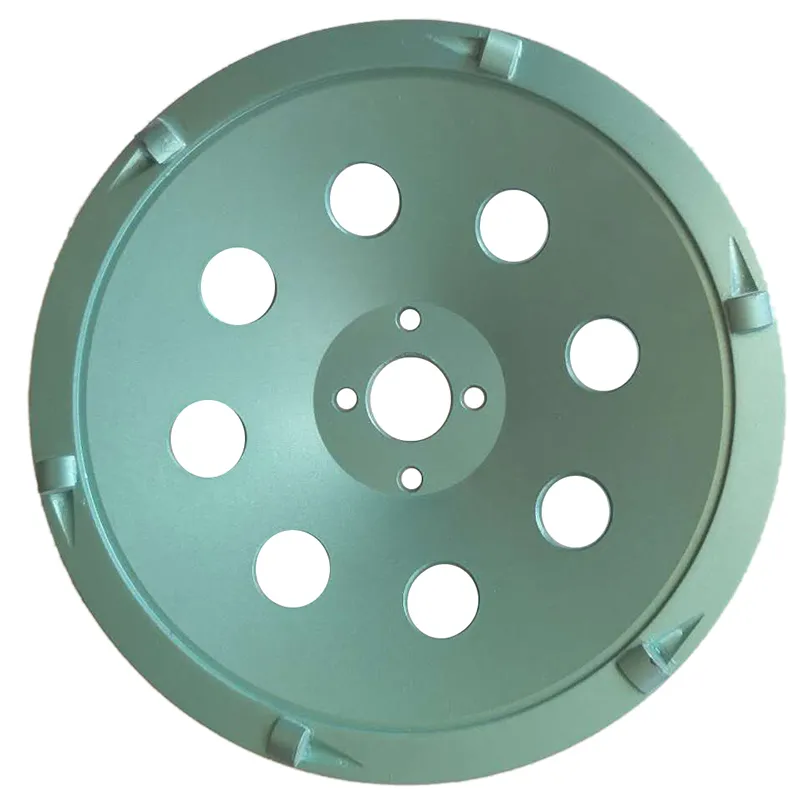
Application Scenarios for PCD Grinding Wheels
The versatility and robust nature of the pcd grinding wheel make it indispensable across a multitude of challenging industrial and commercial applications where conventional abrasives fall short. Its primary strength lies in the efficient and aggressive removal of various types of tough coatings and materials from concrete and masonry surfaces.
Key Application Areas:
- Resin and Epoxy Coating Removal: One of the most common applications for a pcd cup wheel is the swift removal of thick, hard, or rubbery epoxy and resin coatings from concrete floors. These coatings, often found in industrial warehouses, manufacturing plants, and automotive workshops, are notoriously difficult to remove with standard diamond tools due to their tendency to smear or glaze. PCD segments cut through these materials cleanly and aggressively.
- Elastomeric and Urethane Coating Stripping: Flexible coatings, such as urethanes and elastomeric membranes, present a unique challenge. A standard diamond pcd grinding disc tends to "bounce" off these pliable materials. PCD segments, with their fractured edge and superior hardness, effectively shear and chip away at these coatings, ensuring efficient removal and exposing the bare concrete beneath.
- Mastic and Glue Residue Removal: After the removal of old floor coverings like tiles, linoleum, or carpet, sticky mastic and glue residues often remain. These residues can quickly load and blind conventional abrasives. The aggressive cutting action of a pcd cup grinding wheel efficiently scrapes and grinds away these gummy substances without clogging.
- Thermoplastic Line Marking Removal: In facilities with extensive line markings or in public spaces requiring the removal of old road markings, a pcd grinding wheel provides a fast and effective solution, ensuring a clean surface for new applications or for aesthetic improvements.
- Heavy Paint and Membrane Stripping: For multi-layered paint systems or waterproofing membranes on concrete substrates, PCD tools are the go-to solution for comprehensive removal down to the concrete profile.
- Aggressive Concrete Profiling: While primarily used for coating removal, certain configurations of PCD wheels can also be used for very aggressive concrete profiling where a rough, deep profile (CSP 5-7) is required for specific heavy-duty coating applications.
In essence, any project demanding the rapid, clean, and complete removal of thick, tenacious, or flexible coatings from concrete or masonry will significantly benefit from the specialized capabilities of a pcd cup. Its ability to maintain cutting efficiency in challenging conditions translates directly into faster project completion and superior surface preparation.
Technical Advantages and Performance Metrics
The core advantage of a pcd grinding wheel stems from the unique properties of Polycrystalline Diamond itself. Unlike natural diamond, which is a single crystal, PCD is a synthetic, intergrown mass of randomly oriented diamond particles bonded to a carbide substrate. This polycrystalline structure provides superior toughness, impact resistance, and thermal stability, making it exceptionally effective in specific grinding applications.
Key Technical Advantages:
- Exceptional Hardness and Wear Resistance: PCD is second only to natural diamond in hardness, ensuring outstanding resistance to abrasive wear. This translates into a significantly longer tool life compared to traditional carbide or even standard diamond abrasive tools, especially when processing hard or abrasive materials.
- Aggressive Coating Removal: The unique micro-fracturing characteristic of PCD segments allows them to shear and chip away at tough, elastic coatings like epoxies, resins, urethanes, and elastomeric membranes without smearing or glazing. This is a critical advantage over traditional diamond tools which often get clogged or become ineffective on such materials.
- High Material Removal Rate (MRR): Due to their aggressive cutting action and superior wear resistance, pcd cup wheels achieve exceptionally high material removal rates, dramatically reducing the time required for surface preparation tasks. This directly impacts project timelines and labor costs.
- Reduced Heat Generation: While grinding, PCD tools tend to generate less heat at the contact point compared to conventional abrasives, which can preserve the integrity of both the tool and the substrate.
- Cost-Effectiveness and ROI: Despite a higher initial investment, the extended service life and superior efficiency of a pcd grinding disc result in a much lower cost per square foot processed. Reduced tool changes, minimized downtime, and faster project completion lead to a significant return on investment.
- Consistency and Quality of Finish: PCD segments maintain their cutting edge for longer, ensuring consistent grinding performance and a predictable surface profile, which is crucial for subsequent coating applications.
The selection of a pcd cup grinding wheel is therefore not just a choice for a tool, but a strategic investment in efficiency, durability, and superior project outcomes for demanding surface preparation tasks. The empirical data consistently demonstrates that while initial acquisition costs might be higher, the total cost of ownership over the tool's lifecycle is substantially lower due to its unparalleled performance and longevity.
Vendor Comparison and Selection Criteria
Choosing the right supplier for a pcd grinding wheel is as critical as selecting the correct product itself. The market offers a range of vendors, each with varying product qualities, service levels, and pricing structures. A thorough evaluation based on key criteria is essential for B2B procurement professionals.
Key Vendor Evaluation Factors:
- Product Quality & Consistency: Look for vendors with a proven track record of manufacturing high-quality PCD segments and robust steel cores, ensuring consistent performance and extended tool life. Certifications (e.g., ISO 9001) are a good indicator.
- Technical Expertise & Support: A knowledgeable vendor can provide invaluable technical guidance on selecting the optimal pcd cup wheel configuration for specific applications, troubleshooting, and best practices.
- Customization Capabilities: The ability to provide customized solutions (e.g., specific segment shapes, number of segments, bond hardness, or arbor sizes) for unique project requirements is a significant advantage.
- Pricing & Value Proposition: While not always the cheapest, a vendor offering the best balance of quality, performance, service life, and support represents true value. Consider the cost-per-square-foot of removal rather than just the upfront purchase price.
- Supply Chain Reliability & Lead Times: Consistent product availability and reliable delivery schedules are crucial to avoid project delays.
- After-Sales Service & Warranty: Comprehensive warranty policies and responsive customer support for any product-related issues demonstrate a vendor's commitment to customer satisfaction.
Comparative Analysis of PCD Grinding Wheel Features (Illustrative)
| Feature | Leading Vendor A | Leading Vendor B | Our Product (Example: 7 pcd cup wheel) |
|---|---|---|---|
| PCD Segment Quality | Standard industrial grade | Premium grade with enhanced thermal stability | Premium grade, optimized for coating removal |
| Brazing Technology | Conventional induction brazing | Vacuum brazing, strong bond | Advanced high-frequency brazing for maximum segment retention |
| Steel Core Durability | Good | Very Good | Excellent, CNC machined for optimal balance |
| Typical Life (Sq Ft) | ~5,000 - 8,000 sq ft | ~8,000 - 12,000 sq ft | ~10,000 - 15,000+ sq ft (coating dependent) |
| Material Removal Rate | High | Very High | Exceptional, minimizes smearing |
| Customization Options | Limited | Moderate | Extensive (segment count, shape, bond, arbor) |
| Technical Support | Standard | Good, online resources | Dedicated experts, on-site consultation (where feasible) |
This comparison highlights the importance of looking beyond basic specifications to evaluate the overall value and long-term benefits a vendor provides, especially for specialized tools like the pcd cup.
Customized Solutions for Specialized Requirements
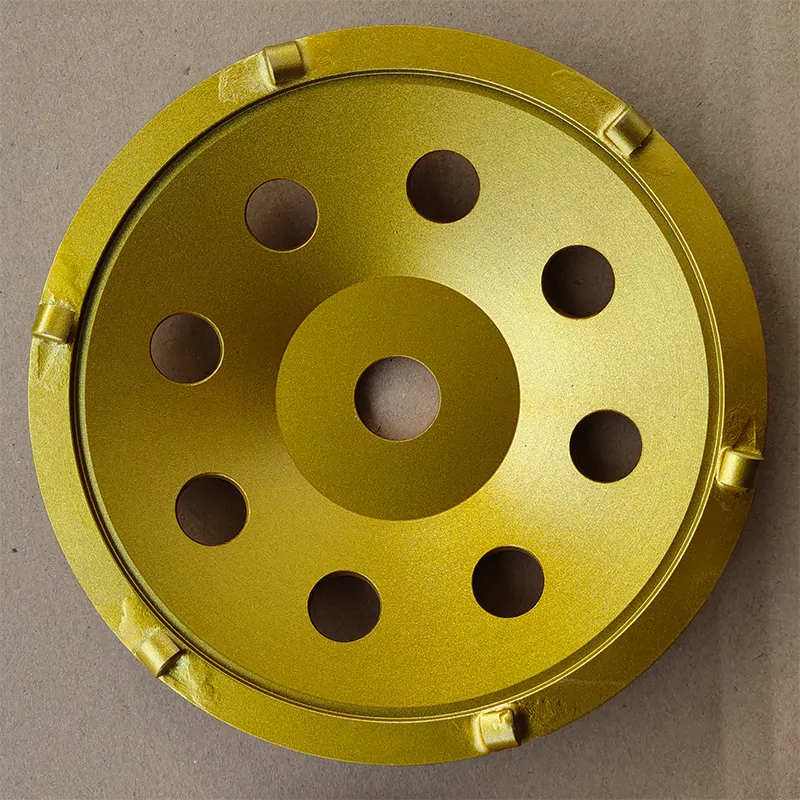
While standard pcd grinding wheel configurations address a broad range of applications, many industrial projects present unique challenges that necessitate highly specialized solutions. Recognizing this, leading manufacturers offer extensive customization options to tailor the pcd cup wheel to precise operational demands. This adaptability ensures optimal performance and efficiency, even in the most demanding scenarios.
Key Areas of Customization:
- PCD Segment Configuration: The shape and placement of PCD segments are critical. Options include:
- Quarter-Round PCD: Ideal for aggressive removal of thick, soft, or gummy coatings like epoxies, glues, and urethanes. The sharp, pointed edges effectively shear through materials.
- Full-Face PCD: Offers a smoother grind and is suitable for lighter coating removal or aggressive grinding on harder concrete.
- PCD with Sacrificial Diamond Segments: Hybrid designs that incorporate traditional diamond segments alongside PCD. The diamond segments help to grind away the concrete surface, exposing the bottom of the PCD segments, which maintains the aggressive cutting action of the PCD. This is particularly useful for very thick or multi-layered coatings.
- Arrow or Bar Segments: Designed for specific material removal patterns or deeper profiling.
- Number of Segments: Increasing the number of PCD segments can enhance grinding speed and coverage, while fewer, more aggressive segments might be preferred for extremely thick or tough coatings.
- PCD Grade and Particle Size: Customization extends to the choice of PCD material itself. Coarser PCD particles provide more aggressive cutting, while finer particles can yield a smoother finish for specific preparation requirements.
- Bond Hardness and Matrix: For hybrid pcd grinding disc designs that include metal-bonded diamond segments, the bond hardness can be customized to match the hardness of the concrete substrate, ensuring optimal diamond exposure and tool life.
- Arbor Size and Mounting: Custom arbor sizes, thread types (e.g., M14, 5/8"-11), or bolt patterns can be accommodated to ensure compatibility with various grinding machines and equipment, from handheld grinders to large walk-behind models.
- Wheel Diameter and Profile: While common diameters exist, specialized projects might require unique wheel sizes or profiles for intricate work or specific machinery.
By collaborating closely with clients, our engineers can analyze project specifics—such as coating type and thickness, substrate condition, equipment compatibility, and desired surface profile—to develop a custom pcd cup grinding wheel that maximizes efficiency and minimizes project costs. This tailored approach ensures that every client receives a solution perfectly aligned with their operational objectives.
Application Case Studies and Client Successes
The real-world performance of a pcd grinding wheel is best demonstrated through successful application case studies. These examples highlight how tailored PCD solutions address specific industrial challenges, delivering tangible benefits and superior outcomes for our clients.
Case Study 1: Automotive Manufacturing Plant Floor Renovation
- Challenge: An automotive manufacturing facility needed to remove approximately 15,000 sq ft of heavily worn, multi-layered epoxy and urethane coatings from its production floor within a tight weekend shutdown window. Traditional diamond grinding methods had previously proven too slow and prone to smearing.
- Solution: We recommended and supplied 7-inch pcd cup wheels with aggressive quarter-round PCD segments for use on walk-behind concrete grinders. The specific design ensured rapid and efficient shearing of the flexible coatings.
- Result: The pcd grinding wheel tools achieved an average removal rate of 300 sq ft/hour per machine, significantly exceeding previous performance benchmarks. The entire floor was prepared well within the shutdown window, enabling new high-performance coatings to be applied on schedule. The client reported a 40% reduction in labor hours compared to previous attempts with conventional abrasives.
Case Study 2: Commercial Warehouse Mastic Removal
- Challenge: A large commercial warehouse, undergoing renovation, required the complete removal of over 20,000 sq ft of stubborn black mastic glue remaining after carpet tile removal. Standard diamond tools quickly loaded up and became ineffective.
- Solution: We provided hybrid pcd cup grinding wheels featuring both quarter-round PCD segments and strategically placed metal-bonded diamond segments. This design allowed the PCD to aggressively scrape the mastic while the diamond segments ground down any remaining residue, keeping the tool clean and active.
- Result: The hybrid pcd cup proved exceptionally effective, clearing the mastic without smearing or clogging. The project was completed 25% faster than estimated with conventional tools, leading to significant cost savings and enabling the seamless installation of a new polished concrete floor. The tool life also exceeded expectations, processing approximately 12,000 sq ft per set of wheels.
Case Study 3: Petrochemical Facility Anti-Corrosion Coating Preparation
- Challenge: Preparing critical concrete surfaces for new anti-corrosion coatings in a hazardous petrochemical environment demanded a highly effective and safe method for removing aged, hardened epoxy linings. Precision and minimal dust were crucial.
- Solution: We collaborated with the client to design a specialized, aggressive pcd grinding wheel with a dust-shroud compatible profile, optimized for their high-powered grinding equipment.
- Result: The customized tools provided a clean, consistent concrete surface profile (CSP) required for the new coating's adhesion. The efficiency of the PCD meant less grinding time, contributing to enhanced safety protocols by reducing personnel exposure time in the critical zone. The project achieved a 100% satisfactory surface preparation outcome according to stringent quality checks.
Ensuring Trust and Authority: Certifications and Support
For B2B entities, the reliability and support behind a product are as important as its technical specifications. We are committed to upholding the highest standards of quality, transparency, and customer satisfaction, reinforced by industry certifications, comprehensive support, and clear commitments.
Authoritativeness and Certifications:
- ISO 9001:2015 Certified Manufacturing: Our production facilities adhere to the rigorous quality management standards of ISO 9001:2015, ensuring consistent product quality, process efficiency, and continuous improvement in the manufacturing of every pcd grinding wheel.
- ANSI B7.1 Compliance: All our abrasive wheels, including the pcd cup wheel, are designed and tested to meet or exceed ANSI B7.1 safety standards for abrasive wheel use, guaranteeing operational safety and compliance.
- Decades of Industry Experience: With over two decades of specialized experience in abrasive tool development and manufacturing, we have cultivated deep expertise in serving critical industries like construction, petrochemical, and manufacturing. Our extensive client portfolio includes leading contractors and industrial firms globally.
- Rigorous Internal Testing: Beyond external certifications, every batch of our pcd grinding disc undergoes comprehensive internal performance and durability testing, including simulated real-world scenarios, to ensure peak performance and reliability.
Trustworthiness and Support:
Frequently Asked Questions (FAQ)
- Q: What makes a PCD grinding wheel superior to a standard diamond grinding wheel for coating removal?
- A: PCD (Polycrystalline Diamond) segments are designed to shear and chip away at soft, gummy coatings like epoxies, resins, and mastics. Standard diamond wheels tend to glaze over and smear these materials, becoming ineffective. PCD's micro-fracturing action ensures continuous aggressive cutting.
- Q: Can I use a PCD grinding wheel for concrete polishing?
- A: No, pcd cup grinding wheels are specifically for aggressive material and coating removal, leaving a very coarse profile (CSP 3-7). They are not suitable for concrete grinding or polishing, which require finer metal bond or resin bond diamond tools.
- Q: What is the typical service life of a PCD grinding wheel?
- A: The service life varies significantly based on the aggressiveness of the application, coating type, and operator technique. However, a pcd cup typically lasts 50 to 100 times longer than carbide tools and significantly longer than standard diamond tools when used for appropriate coating removal tasks. Expect thousands of square feet from a single wheel.
- Q: How do I choose the right PCD segment configuration?
- A: Generally, quarter-round PCD segments are best for thick, soft, or pliable coatings. Hybrid PCD/diamond segments are excellent for very thick coatings or when encountering mixed materials. For specific recommendations, our technical support team can assist based on your project details.
Lead Time and Fulfillment:
We maintain a robust inventory of standard pcd grinding wheel products to ensure rapid dispatch. Typical lead times for in-stock items are 3-5 business days. For customized orders, lead times range from 2-4 weeks, depending on the complexity and volume. We offer expedited shipping options to meet urgent project deadlines. Contact our sales team for precise lead time estimates for your specific requirements.
Warranty Commitments:
All our pcd cup wheels are backed by a comprehensive manufacturing warranty against defects in materials and workmanship. This warranty ensures that products meet specified performance standards under normal operating conditions. Full warranty details are available upon request and provided with every purchase. Our commitment is to provide tools that perform reliably and consistently.
Dedicated Customer Support:
Our expert customer support team is available Monday through Friday, 8:00 AM to 5:00 PM (EST), to assist with product selection, technical inquiries, order tracking, and after-sales service. We offer support via phone, email, and online chat, ensuring you receive timely and knowledgeable assistance for all your pcd grinding wheel needs.
Conclusion
The pcd grinding wheel represents the pinnacle of abrasive technology for demanding surface preparation applications. Its unparalleled efficiency, longevity, and versatility in removing stubborn coatings from concrete and masonry make it an indispensable tool for professionals in construction, industrial maintenance, and specialized renovation sectors. By understanding the intricate manufacturing process, adhering to stringent technical specifications, and leveraging customized solutions, businesses can achieve superior project outcomes, optimize operational costs, and enhance overall productivity. Investing in high-quality PCD abrasives is a strategic decision that delivers tangible returns through extended tool life, reduced labor, and impeccable surface preparation for subsequent applications.
References
- International Organization for Standardization. (2015). ISO 9001:2015 - Quality management systems - Requirements.
- American National Standards Institute. (2017). ANSI B7.1 - Safety Requirements for the Use, Care, and Protection of Abrasive Wheels.
- Industrial Diamond Review. (Various issues). Technical articles on Polycrystalline Diamond (PCD) synthesis and applications.
- Concrete Construction Magazine. (Ongoing publications). Articles on concrete surface preparation techniques and tools.
- Journal of Materials Processing Technology. (Various volumes). Research papers on advanced abrasive materials and manufacturing.
Related Products
Related Products





Address
No.30 Gaoying Road ,Chang'an District,Shijiazhuang,Hebei Province
Business Hours
Mon to Saturday : 8.00 am - 7.00 pm
Sunday & Holidays : Closed
.png )