


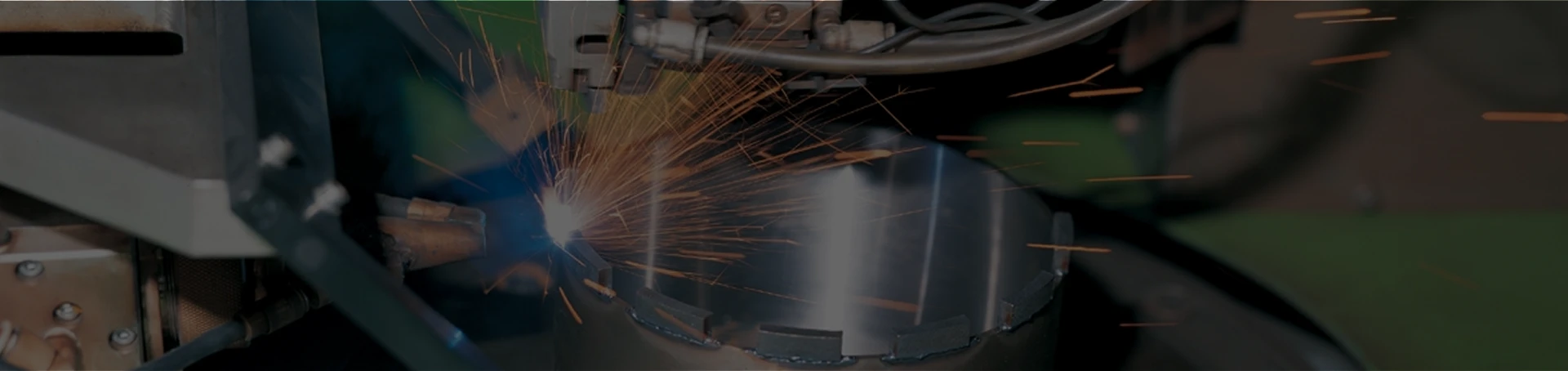
Porcelain Cutting Disc 230mm: Precision Tools for the Modern Industry
Understanding the Porcelain Cutting Disc 230mm: Why It Matters Globally
Porcelain is one of those materials that combines beauty with toughness—think elegant bathroom tiles or sleek countertops. But cutting through porcelain isn’t straightforward; it demands precision, durability, and the right tool. Enter the porcelain cutting disc 230mm, an indispensable accessory for professionals and DIY enthusiasts worldwide. Globally, the construction and renovation markets are booming. According to the World Bank, global construction output is expected to reach $15.5 trillion by 2030, pushing demand for reliable tools like this disc sky-high. Why should you care? Because knowing the right way to cut porcelain affects not only the quality of your work but also your safety and cost-efficiency. Plus, it plays a role in minimizing material waste—a small but significant part of sustainability efforts. ---How Porcelain Cutting Discs Shape Modern Industry and Craftsmanship
The porcelain cutting disc 230mm isn’t just a round blade; it’s a game-changer in industries that involve tiling, ceramics, and precise masonry work. Picture the challenge: porcelain tiles are brittle, prone to chipping, and unforgiving if cut improperly. These discs provide a specialized edge — literally and figuratively — to tackle those challenges. This disc size (230mm) hits a sweet spot for many industrial and trade applications: large enough for efficiency yet manageable on common angle grinders or cutting machines. It's used globally in everything from home renovation in Europe to infrastructure projects in Asia and Africa’s expanding urban centers. The International Standards Organization (ISO) even has guidelines on abrasives and cutting tools, underscoring the disc's relevance in both safety and performance. ---What Exactly Is a Porcelain Cutting Disc 230mm?
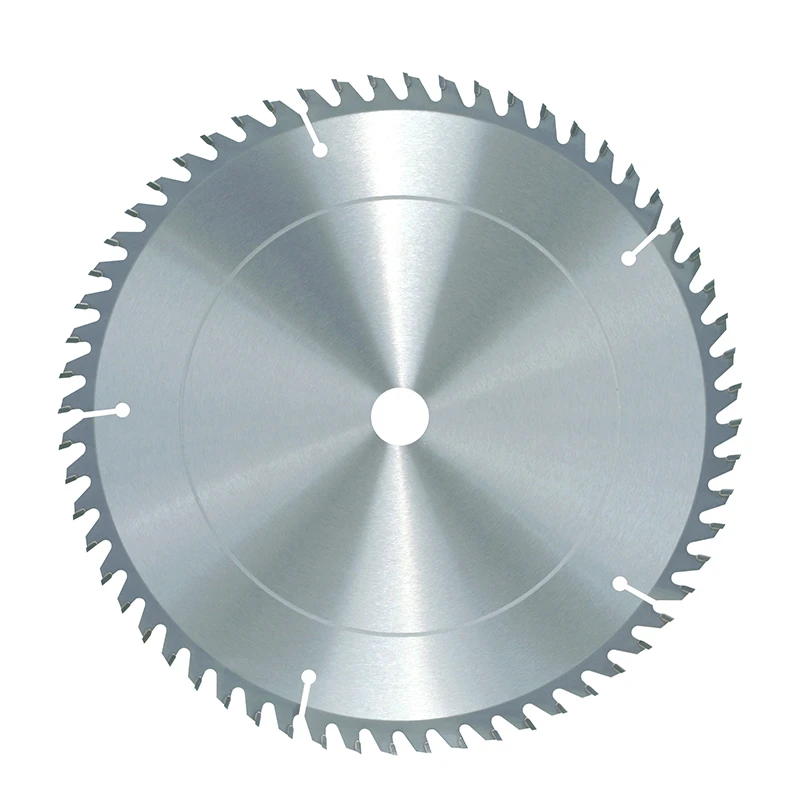
Simply put, a porcelain cutting disc 230mm is a circular abrasive blade designed specifically to cut through porcelain materials — tiles, slabs, even some ceramics. The "230mm" describes its diameter, roughly 9 inches, compatible with many standard grinders. Unlike generic diamond or metal cutting discs, porcelain discs are engineered with fine grit diamond coatings or resin bonds to reduce chipping and cracking. Their thickness and bonding agents prioritize clean cuts over speed, so your expensive tile isn't wasted. For tradespeople, it means cleaner edges and less rework — two things worth paying attention to. ---Key Features That Define Porcelain Cutting Discs
1. Durability
These discs use premium-grade diamond grit that lasts longer, even under tough working conditions. Many engineers note that porcelain cutting discs maintain sharpness remarkably well compared to multipurpose blades.2. Precision
Thanks to their fine abrasive surfaces and consistent speed compatibility, these discs make straight, chip-free cuts possible. The 230mm size ensures you have enough reach on thicker slabs without sacrificing control.3. Heat Resistance
Cutting porcelain generates intense heat. The discs are designed for heat dissipation to prevent warping or blade degradation — crucial when working on large-scale projects.4. Safety Features
Built with reinforced fiberglass mesh and strict ISO certifications, these discs minimize risk from sudden breaks — a vital factor for workers' well-being.5. Cost Efficiency
Though specialized, porcelain discs save money long-term by reducing waste and cutting time. They're a smart buy for commercial projects and serious DIYers alike. ---Global Applications & Use Cases: Where and How They're Used
In reality, the porcelain cutting disc 230mm finds itself in a surprisingly wide array of settings: - Residential Renovations: In Europe and North America, homeowners and contractors rely on these discs to retrofit bathrooms and kitchens with delicate porcelain tiles without cracking edges. - Commercial Construction: Large-scale projects in the Middle East demand precision-cut tiles for aesthetic facades — these discs come in handy daily. - Disaster Relief Housing: Oddly enough, in post-disaster zones like Southeast Asia, prefab flooring with porcelain finishes requires fast, clean cuts onsite. - Industrial Workshops: Factories in China’s manufacturing hubs use these discs for fabricating porcelain-coated panels and machinery parts. Mini takeaway: The porcelain cutting disc is not some niche gadget — it’s a versatile tool bridging traditional craftsmanship with modern construction demands around the globe. ---Product Specifications at a Glance
| Specification | Details |
|---|---|
| Diameter | 230 mm (9 inches) |
| Arbor Size | 22.23 mm (Standard) |
| Grit Type | Industrial-grade diamond crystal |
| Bond Type | Resin bond with reinforced mesh |
| Max RPM | 6,600 |
| Typical Use | Porcelain, ceramic, glazed tiles |
Top Vendors and How They Stack Up
| Brand | Price Range | Durability (rating 1-5) | Precision | Safety Certifications |
|---|---|---|---|---|
| DiamondPro | $$$ | 5 | Excellent | ISO 9001, CE |
| CutMaster | $$ | 4 | Very Good | CE |
| TileSharp | $ | 3 | Good | - |
Advantages You Can’t Ignore
Using a porcelain cutting disc 230mm isn’t just about making cuts. It’s about enhancing safety and craftsmanship. You get: - Cleaner, smoother edges reducing costly fixes - Less dust and debris thanks to design optimized for porcelain - Greater tool longevity due to durable diamond plating - Reduced vibration, leading to better ergonomic use and less fatigue - Environmental benefits by maximizing material use and lowering waste Long-term, users build trust in their tools — a mix of reliability and safety that's priceless on job sites. ---The Future: Where Are Porcelain Cutting Discs Headed?
The future feels electric — literally. Expect innovations such as: - Laser-cut diamond edges, improving precision further - Eco-friendly resin bonds made from recycled materials - Smart discs embedded with sensors for wear and temperature monitoring - Integration with automated cutting machines for large-scale, consistent production - Green certifications becoming the norm as industries push sustainability The porcelain cutting disc 230mm is evolving from simple hardware into a smart, eco-responsible tool in the next few years. ---Facing Challenges Head-On
Granted, these discs aren’t without hiccups: - Risk of overheating during intensive use - Higher price point than generic blades, which deters some users - Limited availability in remote or developing regions Solutions? Vendors now produce cooling attachments and affordable mid-tier options. Training on proper use also minimizes breakage and safety accidents. ---FAQ about Porcelain Cutting Disc 230mm
- Q: Can I use a porcelain cutting disc on other materials, like granite?
- A: Porcelain discs are optimized for brittle, glazed tiles, and while they can cut some softer materials, granite usually requires tougher diamond blades designed for stone to avoid blade damage.
- Q: How often should a porcelain cutting disc be replaced?
- A: It depends on frequency of use, but many pros swap discs after 50-100 square meters of tile cut to maintain precision and avoid risks from worn edges.
- Q: Are porcelain cutting discs safe for handheld angle grinders?
- A: Yes, if the disc is rated for your grinder’s RPM and used with appropriate safety gear. Always check vendor recommendations for compatibility.
- Q: Where can I find 230mm porcelain cutting discs in bulk?
- A: Wholesale suppliers and specialized online stores like porcelain cutting disc 230mm distributors offer bulk options with trade discounts, ideal for contractors.
Final Thoughts
All told, the porcelain cutting disc 230mm is more than a tool; it’s a slice of efficiency and artistry wrapped in a dusty, gritty world. Whether you’re remodeling your kitchen or building an office tower, this disc gives you clean, confident cuts every time. For anyone serious about porcelain and ceramic work, embracing the right cutting disc means less headache, more savings, and yes — a bit of pride in the craft. Want to upgrade your toolset? Visit our website: https://www.mydiamondblade.com to shop the latest porcelain cutting discs and drills suited to your needs. ---References
Products
Related Products
Related Products




Can't Find The Products And Services You Need?
If you need our help,
Our staff will be happy to help and answer your questions!


Address
No.30 Gaoying Road ,Chang'an District,Shijiazhuang,Hebei Province
Business Hours
Mon to Saturday : 8.00 am - 7.00 pm
Sunday & Holidays : Closed
.png )

HeBei ShengShi HongBang Cellulose Technology CO.,LTDRoom 1904, Building B, Wanda Office Building, JiaoYu Road, Xinji City, Hebei Province


Copyright © 2026 Mingye tools Technologies Co.,Ltd All Rights Reserved. Sitemap | Privacy Policy | Top Blog | Global Service


