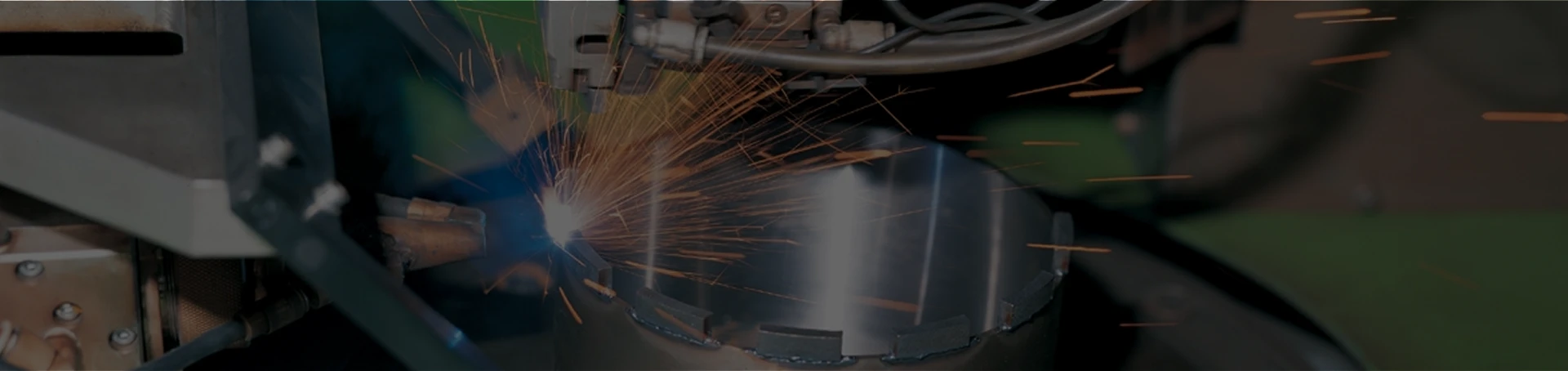
Porcelain Tile Blade: Precision Cutting and Global Applications
Why the Porcelain Tile Blade Matters in Today's Construction World
At first glance, a porcelain tile blade might sound like just another tool in the crowded toolbox of construction or tile installation. But honestly, its impact stretches far beyond simple cutting. With porcelain tiles soaring in popularity for both residential and commercial projects, having the right blade is nothing short of essential. Globally, the demand for porcelain tiles is climbing — forecasted at nearly 8% annual growth over the next five years according to market reports — and without blades that can handle their hardness and density, installation slows down, errors increase, and costs rise.
Understanding what makes a porcelain tile blade different isn’t just for contractors or supply chain managers; it’s becoming a key knowledge piece across industries focused on efficient, sustainable building practices. So let's unpack why we care about this tool, what it exactly is, and how it fits into a bigger global mosaic.
The Global Context: Porcelain Tile Blades and Their Importance
Tile production, especially porcelain, has spread worldwide, with giants like China, Italy, and Spain dominating output. According to the Wikipedia entry on tile manufacturing, porcelain tiles rank among the densest and hardest ceramic products — which means cutting them requires specially engineered blades that can withstand heat, friction, and wear. Otherwise, installers face broken tiles, wasted material, and safety risks.
Industry data from bodies like the International Organization for Standardization (ISO) also highlights durability and precision as critical quality indicators — both pushed forward by advances in diamond grits and blade design. In development zones or regions hit by disaster, fast and clean tile cutting supports rebuilding efforts where speed is life-saving (think post-earthquake housing). Oddly enough, the humble blade becomes an unsung hero in global humanitarian logistics.
Defining the Porcelain Tile Blade
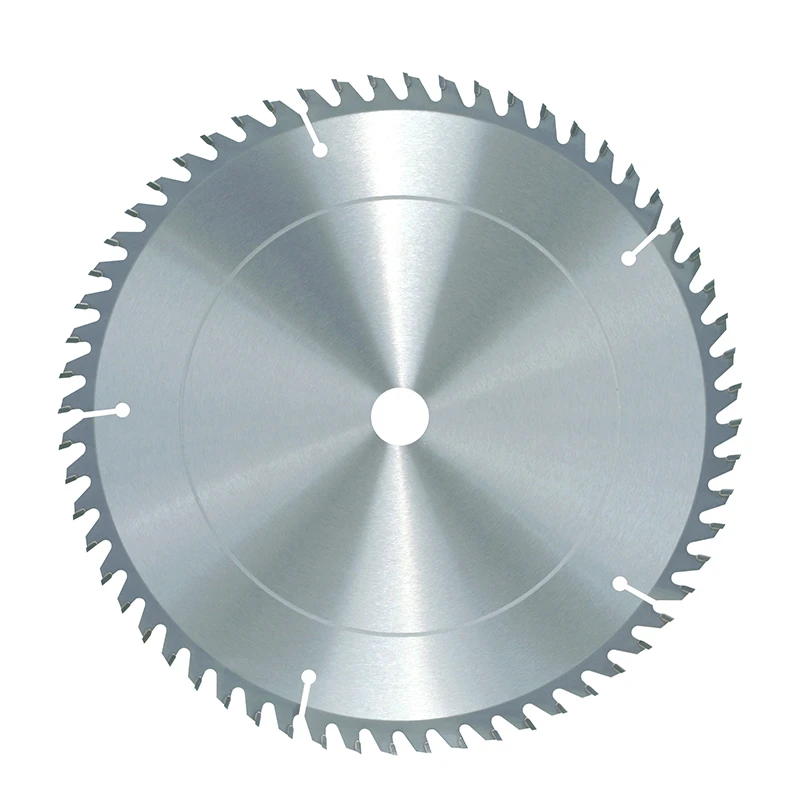
Simply put, a porcelain tile blade is a circular saw blade specially designed with diamond segments or continuous rims to cut through porcelain tiles without causing chips, cracks, or heat damage. Unlike general-purpose blades, it usually features a turbo rim or laser-cut segments that manage and dissipate heat efficiently, critical because porcelain’s dense, vitrified composition makes it tricky to slice through cleanly.
This tool is directly tied to modern industry demands — greater installation precision, faster turnaround times minus compromising quality, and a keen eye on sustainability by minimizing waste. It’s an elegant example of how technical design meets on-the-ground needs.
Key Characteristics of Porcelain Tile Blades
1. Diamond Grit Quality and Concentration
The most obvious feature is the concentration and type of diamond abrasives embedded in the cutting edge. Higher quality diamonds mean a smoother cut and longer blade life — which many professionals swear by. There's a bit of art here, balancing grit size and concentration to suit specific tile thicknesses and hardness levels.
2. Blade Rim Design
Blades typically have either a continuous rim or segmented rim. Continuous rims allow for precision and chip-free edges, great for porcelain, while segmented rims offer faster cuts but sometimes rougher edges. Turbo rims try to offer a middle ground — optimizing speed without sacrificing quality.
3. Heat Dissipation Features
Because porcelain is unforgiving under heat stress, blades include laser-cut expansion slots or other cooling innovations to avoid warping and maintain cutting accuracy. This might seem technical, but in real-world use, it saves time and frustration.
4. Diameter and Arbor Compatibility
The blades vary in size—commonly 4", 7", 10", and 12" diameters—and the arbor size (the hole in the center) must match the saw. Picking the right fit helps maintain blade stability which directly impacts cut quality and safety.
5. Durability & Wear Resistance
Manufacturers often add bonding agents that ensure the diamonds stay put longer, reducing the need for frequent blade replacement. For contractors handling large projects, this is a significant cost and downtime saver.
Mini Takeaway:
Choosing the right porcelain tile blade isn’t accidental: it involves knowing about diamond grit, blade design, heat management, and fitting to ensure top-notch tile cutting results. An investment in a quality blade often pays dividends in efficiency and finish.
Global Applications and Real-World Use Cases
Whether you’re reconstructing a luxury hotel in Dubai or a modest community center in Peru, porcelain tile blades enable installations that endure and impress. In areas recovering from natural disasters, quick deployment of durable housing materials uses these blades to prepare tiles that protect inhabitants from extreme weather.
In manufacturing hubs such as Italy’s ceramic heartland or China’s industrial zones, these blades help keep up with high-volume production schedules, cutting porcelain tiles at pace without compromising sharp edges necessary for aesthetic appeal.
Among landscaping professionals, porcelain tile blades are also prized for creating custom-cut outdoor tiles resistant to weathering, enhancing curb appeal in hospitality and urban renovation projects worldwide.
Advantages and Long-Term Value of Using Quality Porcelain Tile Blades
- Cost Efficiency: Longevity reduces blade replacement frequency, saving money.
- Sustainability: Less tile breakage means less waste, supporting greener construction efforts.
- Safety: Clean cuts reduce injury risks from sharp, jagged tile edges.
- Precision: Improves overall finish, boosting client satisfaction and reputation.
- Reliability: Consistent performance under various conditions builds trust with contractors and end-users alike.
Emotionally, for the craftsman and homeowner alike, a flawless tile installation speaks of care and pride — a tangible connection to quality that lasts beyond the first glance.
Looking Ahead: Trends and Innovations in Porcelain Tile Blades
Smart manufacturing now experiments with synthetic diamond coatings designed to last even longer under abrasive conditions. There's also a growing push for eco-friendly blade production methods and recyclable components that align with broader sustainability goals.
Automation in tile cutting machines paired with intelligent blade sensors promises to optimize blade life by adjusting cutting speeds and pressures on the fly — clever engineering that reduces waste dramatically. These trends point to a future where tile cutting becomes more precise, faster, and less resource-intensive.
Common Challenges and Practical Solutions
One recurring issue is blade overheating which leads to warping and premature dulling. To counteract this, experts recommend water-cooled saws or blades with superior heat dissipation features. Also, using the proper blade for tile thickness is crucial; many installers mistakenly overuse blades beyond their rated capacity, causing damage.
Innovations like hybrid blades combining continuous and segmented rims attempt to blend speed with smoothness, giving users flexibility without compromise.
Product Specification Table: Typical Porcelain Tile Blade
| Specification | Typical Value | Notes |
|---|---|---|
| Diameter | 7" (180mm) | Most common for handheld tile saws |
| Arbor Size | 22.23mm (7/8") | Standard fit for many saws |
| Segment Type | Continuous rim | Chips-free cutting |
| Diamond Grit | Fine (30-50 microns) | Optimized for porcelain density |
| Max RPM | 8,500 RPM | Safety and performance limit |
| Cooling | Laser-cut slots | Prevents overheating |
Vendor Comparison Table: Popular Porcelain Tile Blade Brands
| Brand | Price Range | Durability (hours) | Heat Management | Ideal Use Cases |
|---|---|---|---|---|
| DiamondPro | $$$ | 50+ | Advanced laser slots | High volume industrial cutting |
| TileSlice | $$ | 40 | Turbo rim with cooling segments | Residential and medium scale projects |
| CutRight | $ | 30 | Basic segmented rim | DIY and light installations |
Frequently Asked Questions About Porcelain Tile Blades
Q1: What makes a porcelain tile blade different from a standard tile blade?
A porcelain tile blade typically features a continuous or turbo rim with very fine diamond grit that can cut through dense, vitrified porcelain without chipping. Standard tile blades often have segmented rims better suited for softer materials like ceramic.
Q2: Can I use a porcelain tile blade on other materials?
While possible, it’s not optimal. Using it on softer tiles or masonry might cause premature wear or inefficient cutting. It’s best to match blade type to material for safety and lifespan.
Q3: How do I prevent my porcelain tile blade from overheating?
Use blades with laser-cut slots or use water-cooled saws, maintain proper cutting speed, and avoid forcing the blade too hard through the tile. Overheating leads to warping or damage.
Q4: How often should I replace my porcelain tile blade?
Blade lifespan varies with use, but typically after 30-50 hours of cutting dense porcelain, replacement is advisable. Signs include slower cutting and rough edges.
Q5: Where can I find reliable porcelain tile blades?
Reputable manufacturers and vendors specializing in diamond blades can be found online. For example, visit porcelain tile blade suppliers for options tested and reviewed by professionals.
Wrapping It Up: Takeaways and Next Steps
In a world that demands ever more durable, efficient building materials, the porcelain tile blade quietly but surely plays a starring role. From enhancing the artistry of installation to supporting massive global infrastructure projects and disaster relief efforts, the blade’s evolution mirrors the bigger story of industrial progress.
If you’re in construction, renovation, or supply chains dealing with porcelain tiles, investing time in selecting the right blade pays dividends in quality and workflow. Curious to explore options or dive deeper? Visit our website at https://www.mydiamondblade.com — your next great cut awaits.
References
- Wikipedia: Tile
- ISO: Ceramic and porcelain tiles standards
- Global Porcelain Tile Market Report, 2023-2028, IndustryWatch
Related Products
Related Products






Address
No.30 Gaoying Road ,Chang'an District,Shijiazhuang,Hebei Province
Business Hours
Mon to Saturday : 8.00 am - 7.00 pm
Sunday & Holidays : Closed
.png )