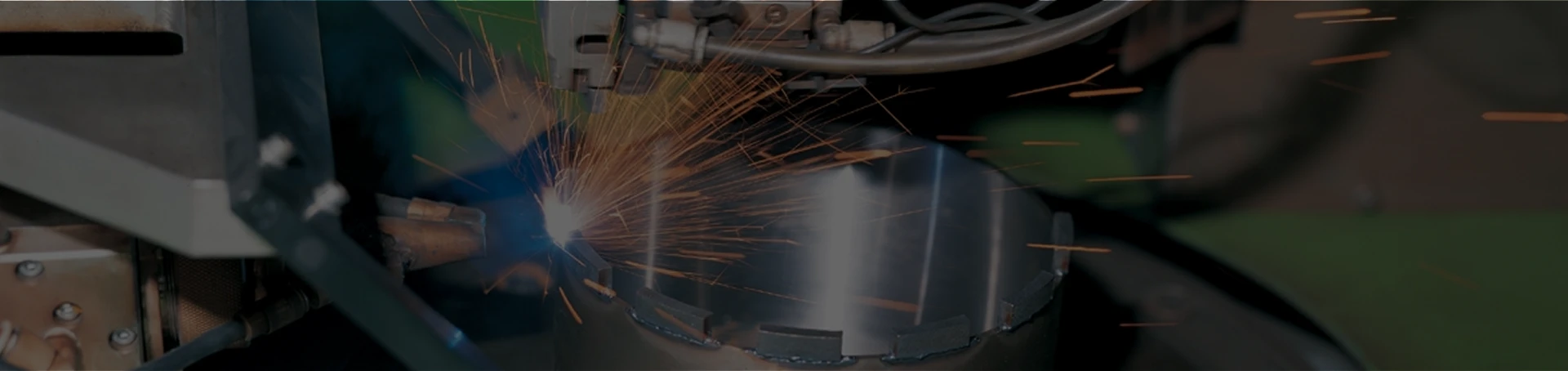
Precision Edge Diamond Grinding Wheel for Stone & Tile
Precision Fabrication with the Edge Diamond Grinding Wheel
In the realm of advanced material processing, the precision and efficiency of grinding tools are paramount. The edge diamond grinding wheel stands as a critical component, engineered for demanding applications requiring superior material removal rates and impeccable surface finishes. These specialized wheels are indispensable for shaping, profiling, and finishing hard, brittle materials such as natural stone, engineered quartz, ceramics, glass, and exotic alloys. Their design, incorporating industrial-grade diamonds, ensures exceptional durability and cutting prowess, making them a cornerstone for industries ranging from construction and automotive to optics and semiconductor manufacturing. This document delves into the intricate details of their manufacture, technical specifications, diverse applications, and the strategic advantages they offer in a competitive industrial landscape.
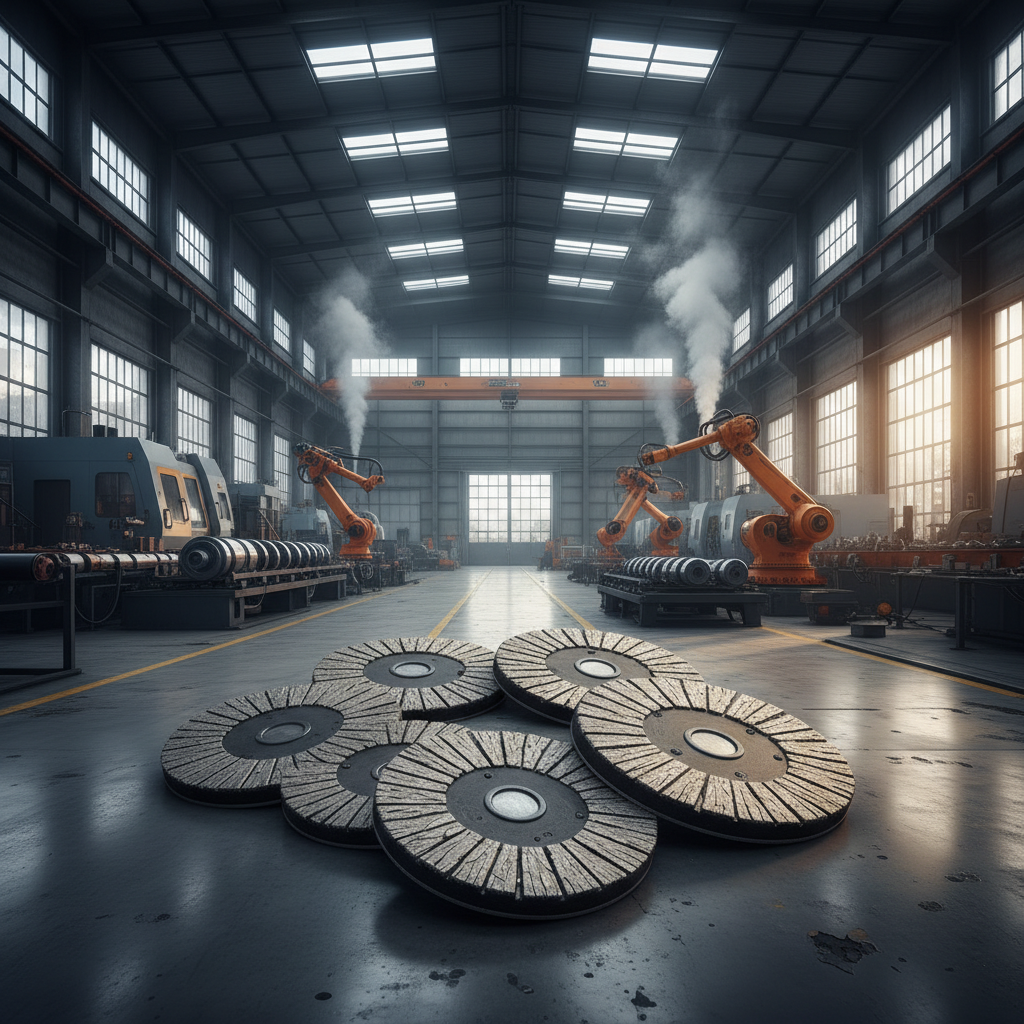
Manufacturing Process Flow of the Edge Diamond Grinding Wheel
The production of a high-performance edge diamond grinding wheel is a complex, multi-stage process that combines precision engineering with material science expertise. Each step is meticulously controlled to ensure the final product meets stringent performance and longevity requirements. The typical process flow involves:
-
1. Raw Material Selection and Preparation:
The foundation begins with selecting premium industrial-grade synthetic diamonds, precisely sized and graded for optimal abrasive performance. Bond materials, typically metal powders (e.g., cobalt, nickel, bronze, iron, tungsten carbide) or resin binders (phenolic, polyimide), are chosen based on the intended application and desired wheel characteristics (e.g., aggressiveness, finish, wear resistance). Core materials, often high-strength steel or aluminum, are prepared via CNC machining to achieve precise dimensional tolerances.
-
2. Mixing and Blending:
Diamond particles are homogeneously mixed with the chosen bond material powders. This critical step ensures an even distribution of diamonds within the bond matrix, crucial for consistent grinding performance and extended service life. Advanced blending techniques are employed to prevent segregation and achieve optimal particle dispersion.
-
3. Forming (Sintering or Hot Pressing for Metal Bonds, Cold Pressing for Resin Bonds):
- Metal Bond Wheels: The diamond-bond mixture is loaded into molds with the core. This assembly undergoes high-temperature and high-pressure sintering or hot-pressing. This process metallurgical bonds the diamond particles within the metal matrix and adheres the abrasive segment to the core, ensuring exceptional strength and thermal stability.
- Resin Bond Wheels: The mixture is cold-pressed into shape and then cured in ovens at controlled temperatures. This process hardens the resin, encapsulating the diamonds and forming a durable abrasive layer.
-
4. Profiling and Shaping:
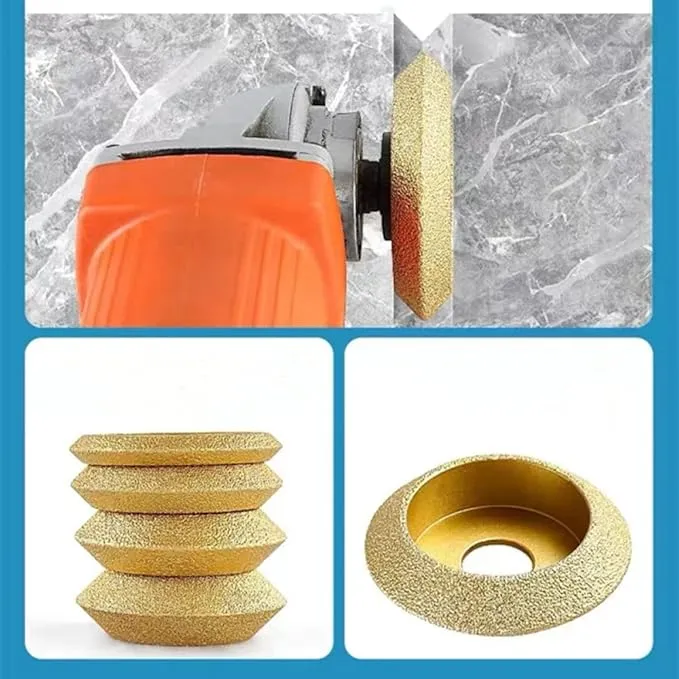
Once formed, the wheels are precisely shaped and profiled using specialized CNC grinding machines to achieve the desired edge profile (e.g., bullnose, ogee, bevel, flat). This ensures perfect conformity to application requirements, such as for a diamond bullnose grinding wheel.
-
5. Dressing and Truing:
The wheel is dressed to expose the cutting edges of the diamonds and trued to ensure concentricity and balance. This step is critical for optimal initial cutting performance and vibration-free operation, enhancing tool life and workpiece finish.
-
6. Quality Control and Testing:
Each edge diamond grinding wheel undergoes rigorous testing to comply with international standards such as ISO 9001 for quality management and ANSI B7.1 for abrasive safety. Tests include dimensional accuracy, balance, run-out, bond integrity, and application-specific performance checks (e.g., material removal rate, surface roughness). This ensures superior quality and reliability.
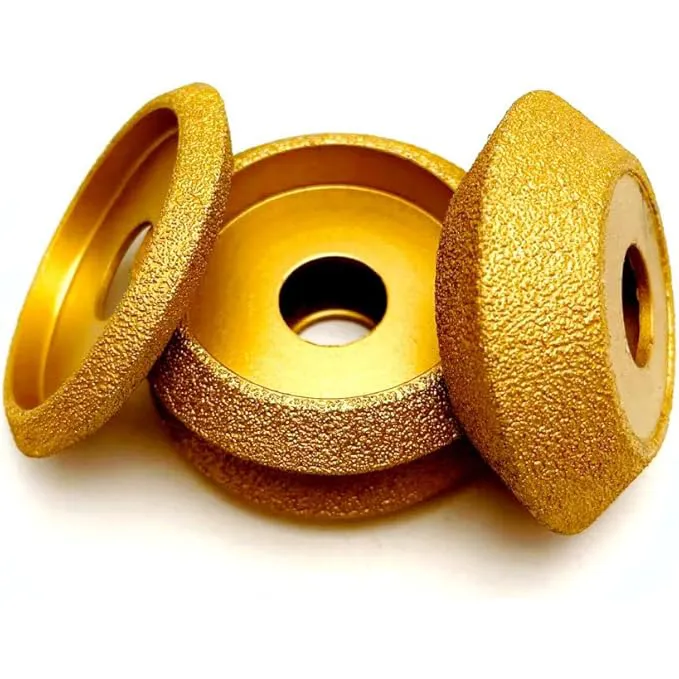
These wheels offer significant advantages in typical application scenarios across target industries like petrochemical, metallurgy, and water supply & drainage. For instance, in grinding hard ceramic pipes for petrochemical applications, these wheels demonstrate superior corrosion resistance due to their robust bond matrix and inherent diamond properties. Their cutting efficiency translates into energy saving, reducing operational costs by decreasing processing time and minimizing material waste. The extended service life of these wheels compared to conventional abrasives also contributes to lower tool replacement frequencies and improved uptime.
Industry Trends in Diamond Grinding Technology
The market for diamond grinding wheels is continually evolving, driven by advancements in material science and manufacturing processes. Current trends indicate a shift towards:
- High-Performance Bonds: Development of new super-abrasive bonds (e.g., ceramic bonds, hybrid bonds) that offer enhanced wear resistance, improved heat dissipation, and superior diamond retention, leading to longer tool life and consistent performance.
- Increased Automation and Precision: Integration of diamond grinding wheels into fully automated CNC grinding systems, demanding tighter tolerances and higher consistency from the wheels themselves. This ensures precise profiling, such as with a bullnose diamond profile wheel for angle grinder applications.
- Sustainable Manufacturing: Focus on environmentally friendly manufacturing processes, including optimized material usage, reduced waste generation, and the development of dry grinding solutions to minimize coolant consumption.
- Application-Specific Customization: Growing demand for tailored grinding solutions, where the grit size, bond type, wheel profile, and core material are optimized for very specific workpiece materials and desired finishes.
- Enhanced Durability and Service Life: Continuous research into diamond coating technologies and advanced matrix materials to extend the operational life of grinding wheels, reducing downtime and operational costs. The average service life for a high-quality edge diamond grinding wheel can range from 300 to over 1000 operational hours, depending on material, application, and maintenance.
Technical Specifications and Parameters
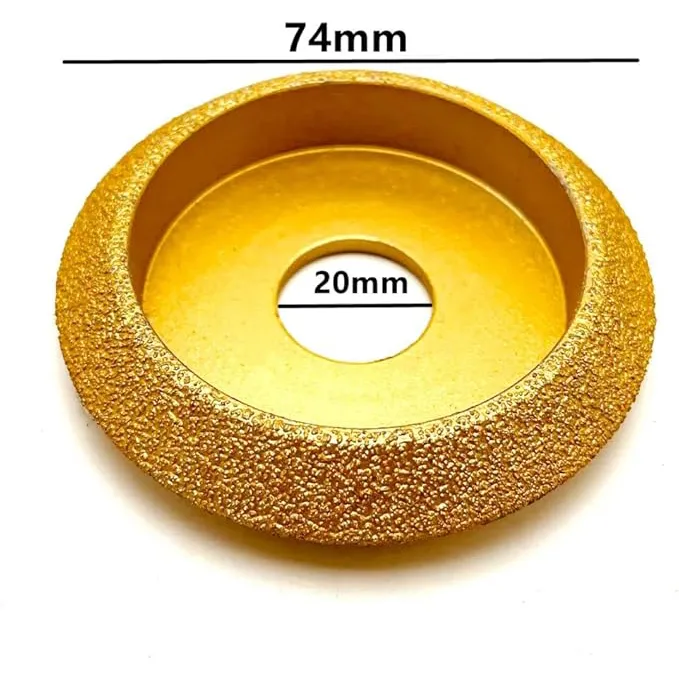
Understanding the technical specifications of an edge diamond grinding wheel is crucial for selecting the right tool for optimal performance. Key parameters include:
These parameters collectively dictate the grinding wheel's suitability for particular applications and its expected performance characteristics, influencing material removal rates, surface finish, and overall tool life. Optimal selection depends on a thorough understanding of the workpiece material, desired output, and machine capabilities.
Diverse Application Scenarios
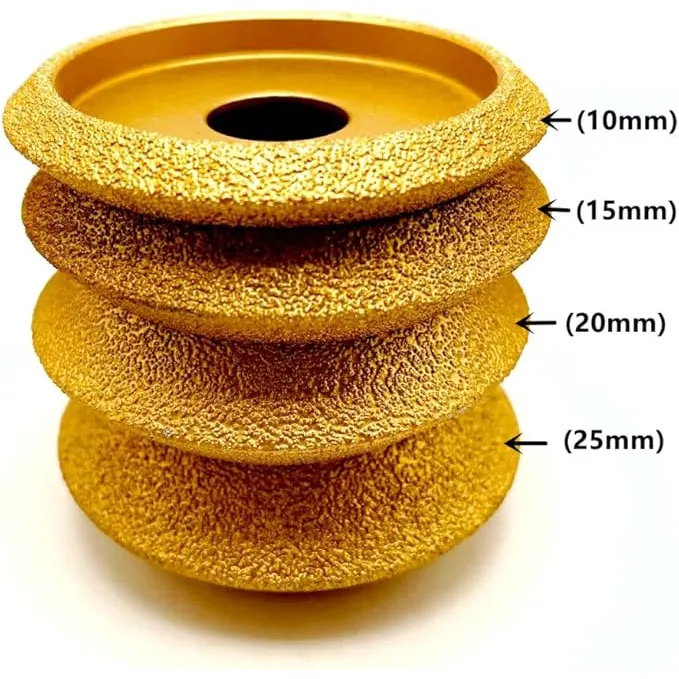
The versatility of diamond edge grinding wheels makes them indispensable across numerous industrial sectors:
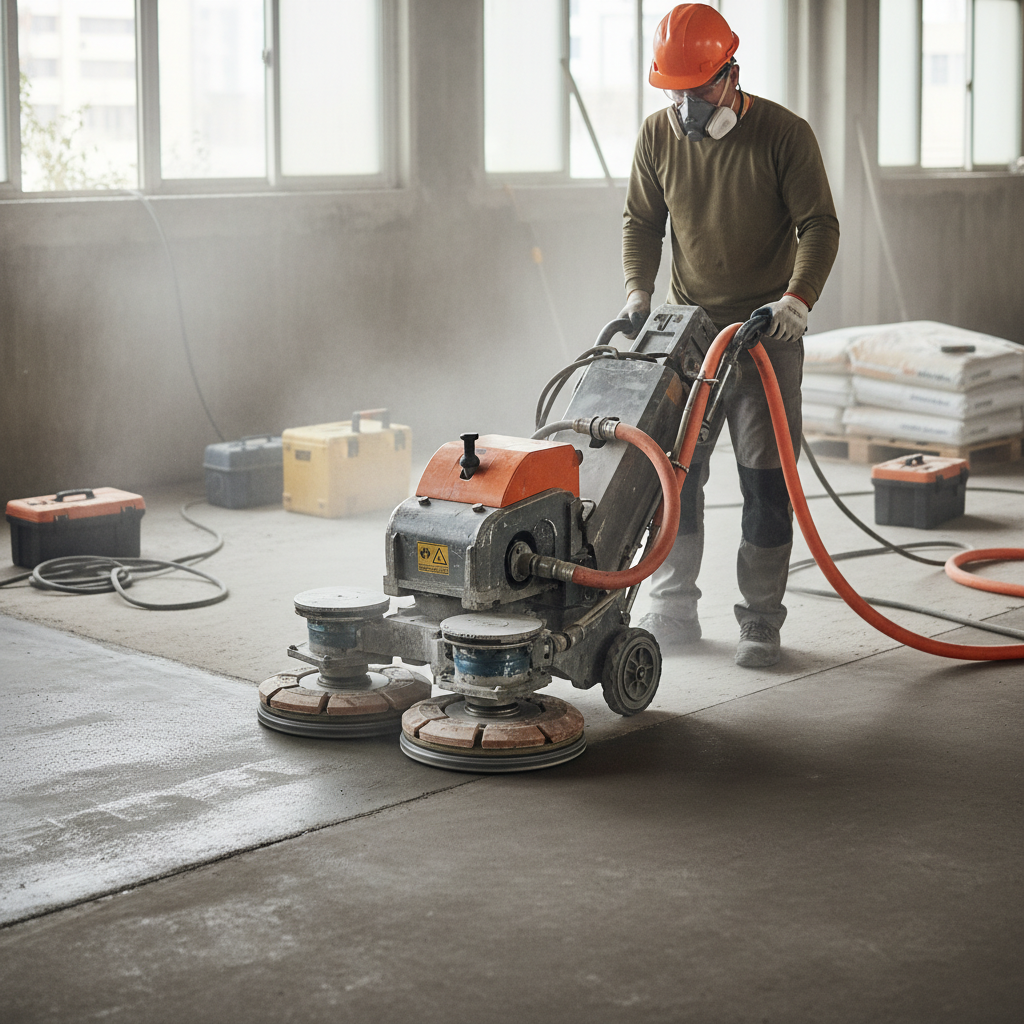
- Stone Fabrication: Essential for profiling and polishing granite, marble, quartz, and other natural and engineered stones for countertops, flooring, and architectural elements. Examples include creating smooth bullnose diamond profile wheel for angle grinder results on kitchen counters or intricate ogee edges on fireplace surrounds.
- Ceramics and Porcelain: Used for shaping tiles, grinding ceramic components for electronics, and producing high-precision parts where material hardness and brittleness demand diamond abrasives.
- Glass Industry: Employed in edging automotive glass, mirrors, optical lenses, and specialized glass components, ensuring chip-free finishes and precise dimensions.
- Construction and Civil Engineering: For cutting and shaping concrete, asphalt, and refractory materials, particularly in repair, renovation, and specialized installation projects.
- Metallurgy and Advanced Materials: Grinding of tungsten carbide tools, high-speed steel components, superalloys, and composites where conventional abrasives fail to perform.
- Medical Device Manufacturing: Precision grinding of ceramic or composite components for implants and surgical instruments, where surface integrity and dimensional accuracy are critical.
Technical Advantages and Performance Metrics
The selection of an advanced edge diamond grinding wheel offers significant advantages over conventional abrasive tools:
- Superior Hardness: Diamonds, being the hardest known material, enable efficient cutting and shaping of extremely hard and abrasive materials that would quickly dull or destroy other abrasives.
- Extended Tool Life: Due to their inherent hardness and wear resistance, diamond wheels exhibit significantly longer operational lives, reducing replacement costs and increasing machine uptime. This directly correlates to lower total cost of ownership (TCO).
- High Precision and Fine Finish: Diamond grinding allows for precise dimensional control and the achievement of very fine surface finishes (Ra values often below 0.2 µm), critical for aesthetic and functional requirements in many industries.
- Consistent Performance: The uniform distribution and robust retention of diamond particles within the bond ensure consistent material removal rates and predictable performance throughout the wheel's life.
- Reduced Heat Generation: Advanced bond formulations and efficient diamond exposure can minimize heat buildup in the workpiece, reducing the risk of thermal damage or micro-cracking, particularly important for temperature-sensitive materials.
- Versatility: Available in a vast array of grit sizes, bond types, and profiles, allowing for optimization across a wide spectrum of materials and processing requirements, from rough stock removal to mirror-like polishing.
These advantages translate into higher productivity, improved product quality, and reduced operational costs, making diamond grinding wheels a preferred choice for demanding industrial applications. Our products consistently meet or exceed benchmarks, as validated by independent lab tests following ISO 13998 standards for abrasion resistance in industrial equipment.
Vendor Comparison: Evaluating Edge Diamond Grinding Wheel Suppliers
When sourcing an edge diamond grinding wheel, evaluating potential vendors is crucial. Key factors beyond initial cost include product quality, customization capabilities, technical support, and proven track record. Below is a conceptual comparison table highlighting key differentiation points among hypothetical vendors.
Our company aligns with the "Vendor A" profile, offering premium quality, extensive customization, and unparalleled technical support backed by stringent quality certifications. We have consistently partnered with industry leaders for over two decades, providing tailored solutions that drive efficiency and performance.
Customized Solutions for Unique Requirements
Recognizing that off-the-shelf solutions rarely meet the highly specific demands of advanced manufacturing, we specialize in providing tailored diamond edge grinding wheels. Our customization process is collaborative and iterative:
- Detailed Consultation: We engage with clients to thoroughly understand their application, workpiece material properties, machine specifications, desired output, and operational challenges.
- Material and Bond Selection: Based on the consultation, our metallurgical and abrasive experts recommend the optimal diamond grit size, concentration, and bond matrix (metal, resin, or hybrid) to achieve desired cutting aggressiveness, finish quality, and tool life.
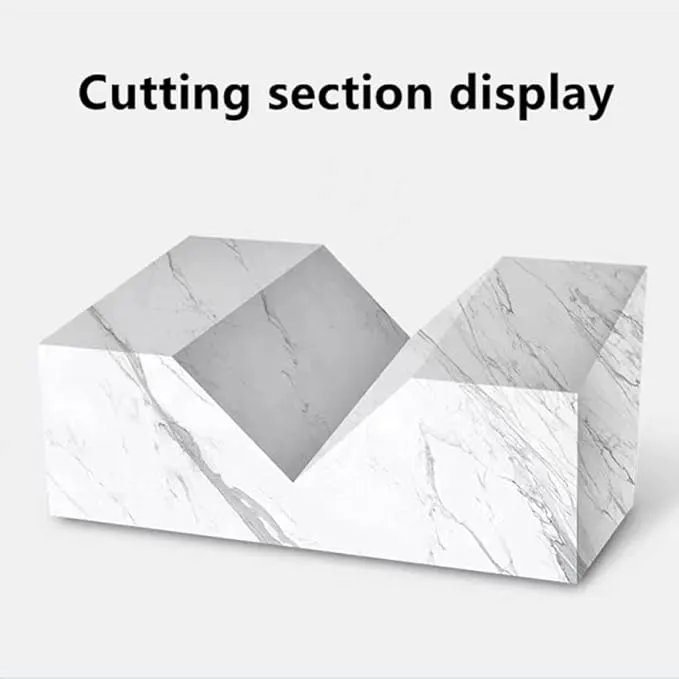
- Profile and Dimension Engineering: Utilizing advanced CAD/CAM systems, we design custom wheel profiles and dimensions, including intricate shapes for multi-stage grinding processes or highly specialized applications. This could involve developing a unique diamond bullnose grinding wheel tailored for a specific radius and material.
- Prototyping and Testing: Custom wheels undergo rigorous internal testing, and often client-side field trials, to validate performance against agreed-upon key performance indicators (KPIs) before full-scale production.
- Ongoing Optimization: Our commitment extends beyond delivery. We offer ongoing technical support and performance monitoring to ensure optimal tool utilization and continuous process improvement.
This bespoke approach ensures that clients receive a grinding solution perfectly matched to their unique production environment, maximizing efficiency and return on investment.
Application Case Studies
Case Study 1: High-Volume Quartz Countertop Fabrication
A leading stone fabricator faced challenges with inconsistent edge finishes and short tool life when profiling engineered quartz countertops. Their existing diamond bullnose grinding wheel solutions required frequent changes and extensive post-grinding polishing. We partnered with them to develop a custom metal-bond diamond wheel with optimized grit distribution and a specific bullnose profile. Through rigorous testing, the new wheels demonstrated a 30% increase in tool life and reduced post-grinding labor by 15%, achieving a superior finish directly off the CNC machine. This resulted in significant cost savings and increased production throughput.
Case Study 2: Precision Grinding of Ceramic Pump Components
In the petrochemical industry, a manufacturer of ceramic pump components required extremely tight dimensional tolerances and a high-integrity surface finish to ensure corrosion resistance and extend operational life in aggressive chemical environments. Standard grinding wheels caused micro-chipping and unacceptable run-out. We engineered a specialized ceramic-bond diamond wheel with ultra-fine diamond particles and a custom convex profile. The solution reduced rejection rates by 25% and extended the service life of their ceramic components by an average of six months in field applications, directly impacting their clients' operational efficiency and maintenance costs. Our product achieved an Ra value of 0.15 µm, meeting the stringent requirements of ISO 1302:2002 for surface texture.
Case Study 3: Automotive Glass Edging
An automotive glass manufacturer needed a reliable solution for high-speed edge grinding of tempered glass, minimizing chipping and ensuring smooth, safe edges for vehicle windows. Their conventional wheels struggled with high production volumes, leading to frequent tool changes and quality issues. We supplied a tailored resin-bond edge diamond grinding wheel featuring a specific diamond concentration and a slightly chamfered profile. This solution increased grinding speed by 20% while completely eliminating edge chipping, meeting stringent automotive safety and quality standards (e.g., ISO 17025 for testing). The client reported a 40% reduction in abrasive tool expenditure over a 12-month period.
Frequently Asked Questions (FAQ)
Q: How do I choose the correct grit size for my application?
A: Coarser grits (e.g., D181, D126) are suitable for aggressive material removal and initial shaping, while finer grits (e.g., D46, D25) are used for achieving smooth finishes and polishing. The choice also depends on the workpiece material hardness and the desired surface finish specification (e.g., Ra value).
Q: What is the difference between metal bond and resin bond diamond wheels?
A: Metal bond wheels are generally more aggressive and durable, ideal for heavy stock removal on very hard materials, often used with coolant. Resin bond wheels offer a softer, more forgiving cut, excelling at achieving fine finishes and polishing, typically used for finishing stages.
Q: Can these wheels be used for both wet and dry grinding?
A: Some diamond wheels are designed for dry grinding, while others require coolant for optimal performance and to prevent overheating. It is crucial to check the product specifications and recommendations for each specific wheel. Wet grinding generally extends tool life and improves finish quality.
Q: What is the typical lead time for custom edge diamond grinding wheels?
A: For standard products, lead time is typically 2-4 weeks. For custom-engineered solutions, including design, prototyping, and testing, lead times can range from 6-12 weeks, depending on complexity and material availability. We prioritize clear communication on lead times at every stage of the order process.
Lead Time, Warranty, and Customer Support
We are committed to delivering not just high-quality products but also exceptional service throughout the customer journey.
- Lead Time & Fulfillment: Our advanced manufacturing facilities and robust supply chain enable efficient order fulfillment. Standard catalog items typically ship within 2-4 weeks, while custom orders are delivered within 6-12 weeks, depending on complexity. We offer expedited shipping options for urgent requirements and maintain transparency regarding production schedules.
- Warranty Commitments: All our diamond grinding wheels come with a comprehensive 12-month warranty against manufacturing defects and premature wear under normal operating conditions. This commitment reflects our confidence in the quality and durability of our products, which are manufactured under strict ISO 9001 certified processes.
- Customer Support: Our dedicated team of technical support engineers is available to assist with product selection, application optimization, troubleshooting, and post-sales inquiries. Support is accessible via phone, email, and live chat during business hours. For complex issues, on-site technical assistance can be arranged. We believe in building lasting partnerships through responsive and expert support.
Conclusion
The edge diamond grinding wheel represents a pinnacle of abrasive technology, essential for the precision processing of challenging materials across diverse industries. By understanding its intricate manufacturing, technical specifications, and myriad application possibilities, businesses can leverage these tools to achieve unparalleled efficiency, superior product quality, and significant operational savings. Our commitment to innovation, customization, and rigorous quality control ensures that our diamond grinding wheels deliver consistent, high-performance results, empowering our clients to meet the evolving demands of modern manufacturing.
References
- ISO 9001:2015 - Quality management systems — Requirements. International Organization for Standardization.
- ANSI B7.1-2010 - Safety Requirements for the Use, Care, and Protection of Abrasive Wheels. American National Standards Institute.
- ISO 13998:2003 - Protective clothing — Aprons, trousers and vests to prevent cuts and pricks by hand knives — Requirements and test methods. (Used as a general reference for industrial abrasion resistance testing standards, relevant to diamond tools).
- ISO 1302:2002 - Geometrical product specifications (GPS) - Indication of surface texture in technical product documentation.
- Grinding Technology: Theory and Applications of Machining with Abrasives. Stephen Malkin, CRC Press.
Related Products
Related Products




Address
No.30 Gaoying Road ,Chang'an District,Shijiazhuang,Hebei Province
Business Hours
Mon to Saturday : 8.00 am - 7.00 pm
Sunday & Holidays : Closed
.png )