In the precision-driven world of modern fabrication, the mini grinder diamond blade has emerged as an indispensable tool for craftsmen and industrial engineers alike. These compact yet powerful cutting and grinding solutions allow for unmatched accuracy in tight spaces, bridging the gap between heavy-duty industrial machinery and delicate hand-finishing work. Understanding the nuances of these blades is key to optimizing workflow efficiency and achieving a professional-grade finish on the hardest materials.
Globally, the demand for high-performance abrasives has shifted toward miniaturization. As electronic components shrink and architectural detailing becomes more intricate, the ability to carve, grind, and polish using a mini grinder diamond blade provides a competitive edge. Whether it is for aerospace precision or artistic stone carving, these tools ensure that material waste is minimized while the structural integrity of the workpiece is preserved.
Investing in the right tooling is not just about the cut; it is about the longevity of the equipment and the safety of the operator. By exploring the materials, bond types, and application methods associated with the mini grinder diamond blade, users can significantly reduce downtime and operational costs. This guide provides a comprehensive look at how these specialized tools are transforming the non-metallic mineral products industry.
Global Industrial Relevance of Mini Grinder Diamond Blades
The global landscape of manufacturing is increasingly moving toward "micro-precision." According to industry standards aligned with ISO quality management, the precision of finishing tools directly correlates to the failure rate of high-tech components. The mini grinder diamond blade addresses the critical challenge of accessing confined areas where standard 4-inch or 7-inch blades cannot reach, making it essential for the maintenance of complex machinery and the creation of intricate jewelry or dental prosthetics.
In emerging markets, the adoption of these tools has accelerated due to the growth of the semiconductor and high-end ceramics industries. The ability to perform localized grinding without risking the overall structural integrity of a part has reduced scrap rates by an estimated 15-20% in specialized workshops. By utilizing a high-quality mini grinder diamond blade, operators can achieve micron-level tolerances that were previously only possible with expensive CNC laser systems.
Defining the Mini Grinder Diamond Blade and Its Utility
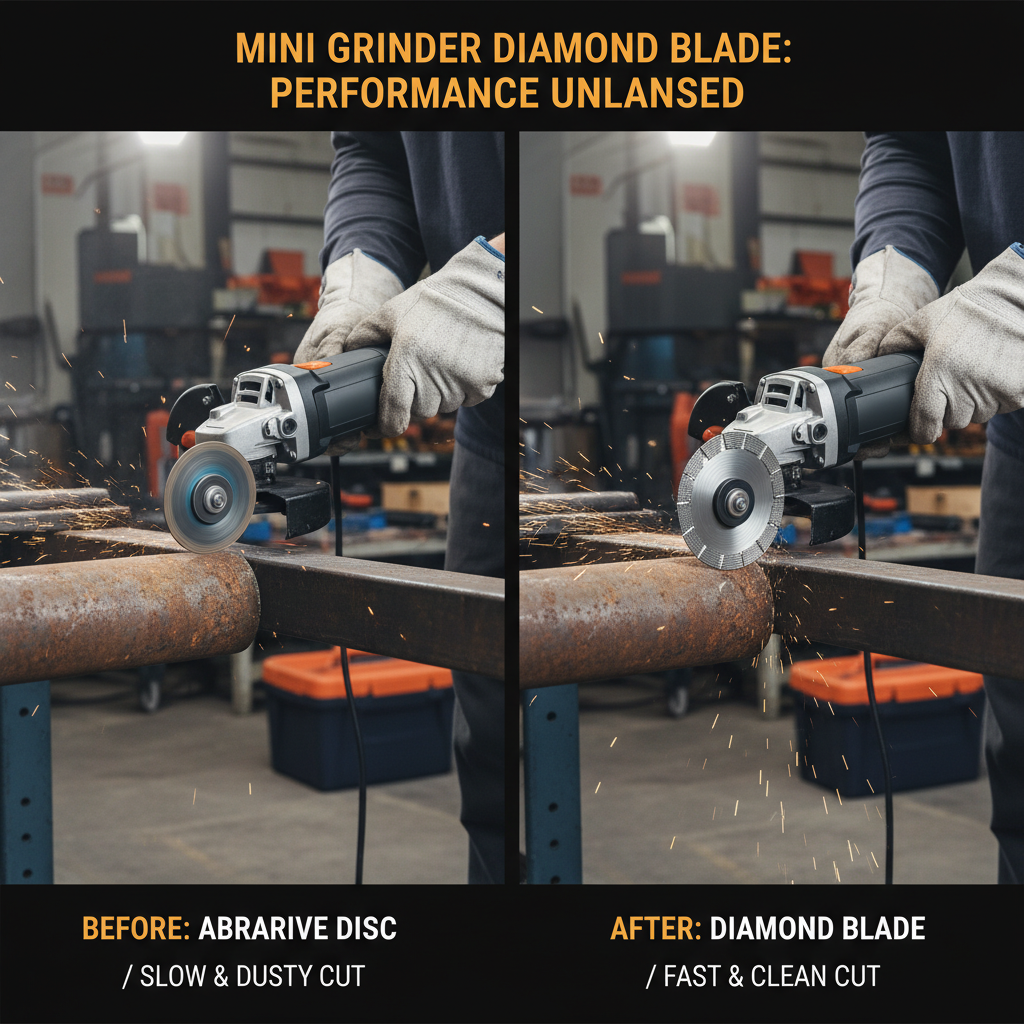
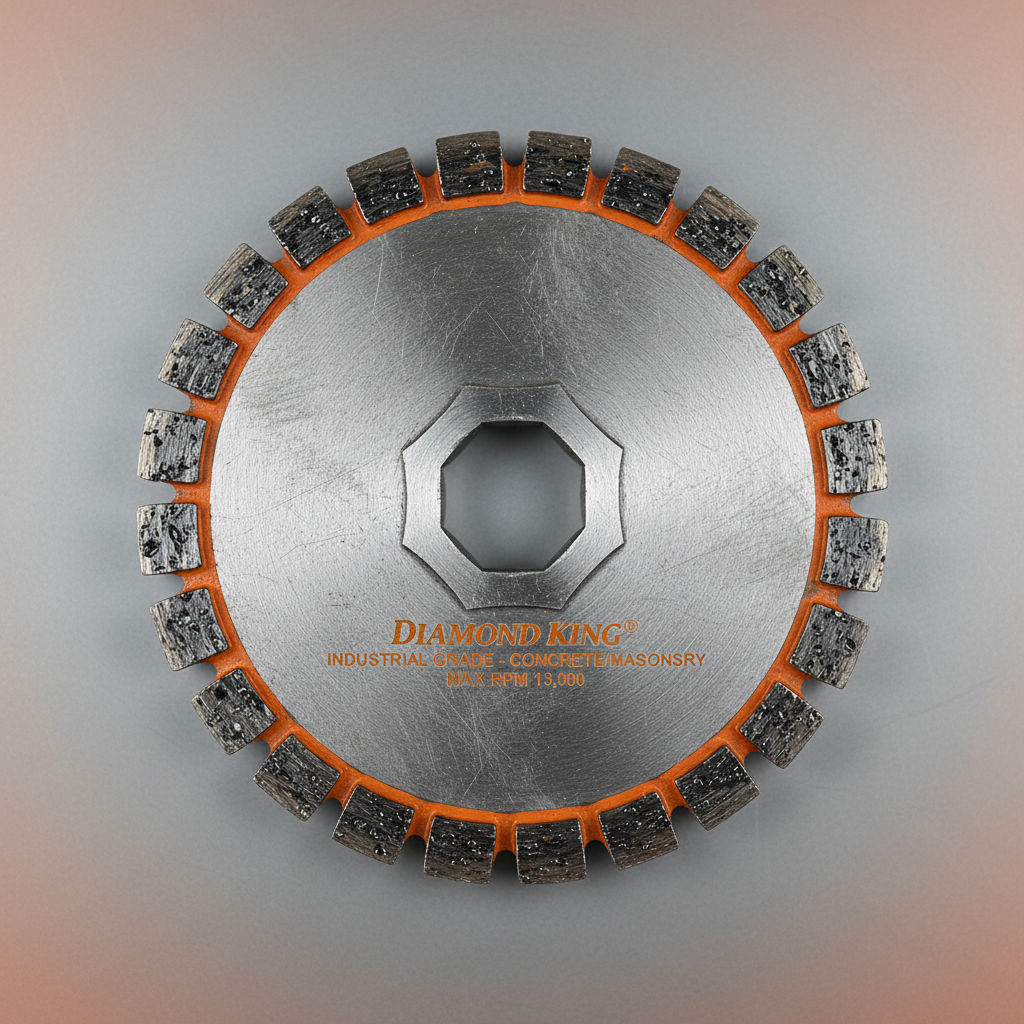
At its core, a mini grinder diamond blade is a specialized abrasive disc composed of synthetic diamond grits embedded in a metallic or resin bonding agent. Unlike standard saw blades, these are designed for high-RPM (revolutions per minute) operation on small-scale grinders or rotary tools. Their primary purpose is to remove material from extremely hard substrates, such as quartz, porcelain, tungsten carbide, and tempered glass, with surgical precision.
The utility of these blades extends beyond simple cutting. They are used for chamfering, deburring, and surface refinement. In the context of humanitarian and infrastructure needs, such as the repair of delicate historical monuments or the fabrication of specialized medical implants, the mini grinder diamond blade offers a non-destructive way to reshape hard materials, ensuring that the finished product meets strict safety and aesthetic standards.
Furthermore, the integration of vacuum brazing technology in newer models has drastically increased the diamond retention rate. This means that a modern mini grinder diamond blade can withstand higher thermal loads and abrasive wear, allowing users to switch between different hard materials without needing to replace the blade frequently, thus enhancing operational continuity.
Core Components Influencing Blade Performance
The performance of a mini grinder diamond blade is primarily dictated by the quality of the diamond grit and the bond matrix. Industrial-grade synthetic diamonds are graded by their size (mesh) and hardness; for mini grinding, a finer mesh is typically used to ensure a smoother surface finish and to prevent the tool from "jumping" during the initial contact with the workpiece.
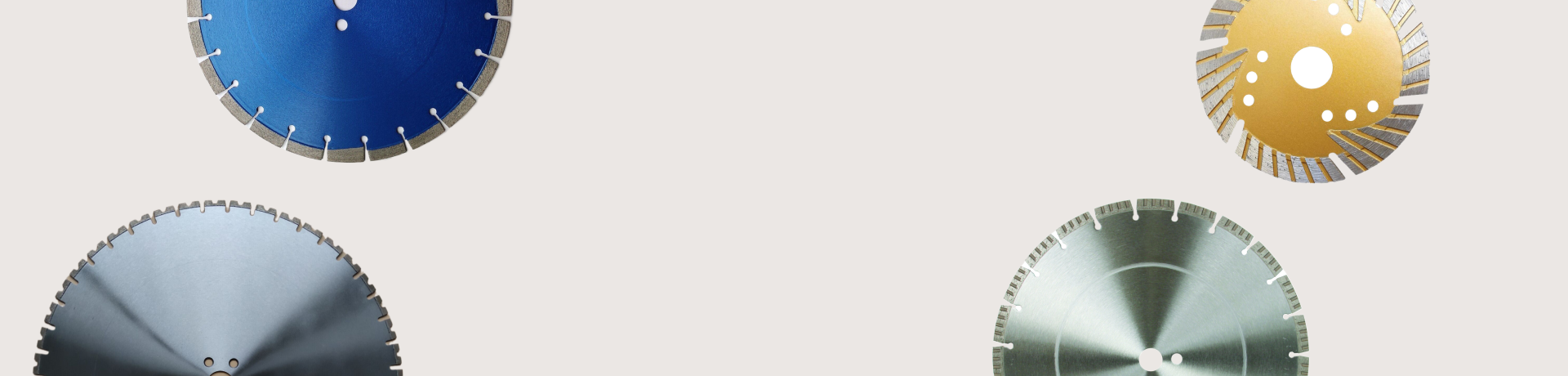
Crucially, the bond type—whether it be metal, resin, or vitreous—determines how the mini grinder diamond blade wears down. A metal bond is ideal for heavy-duty grinding on concrete or stone, while a resin bond provides a cooler cut and a superior polish for glass or ceramics, effectively balancing the rate of diamond exposure with the speed of material removal.
Finally, the structural integrity of the core (the steel center) is vital for safety. Because mini grinders operate at very high speeds, any imbalance in the mini grinder diamond blade can lead to dangerous vibrations. Precision balancing and heat-treated cores ensure that the blade remains stable under centrifugal force, protecting the motor of the tool and the hands of the user.
Global Applications and Practical Use Cases
Across the globe, the mini grinder diamond blade is utilized in diverse environments. In Europe's luxury watchmaking and jewelry sectors, these blades are used to carve intricate settings into gemstones and hard alloys. Meanwhile, in North American aerospace facilities, they are employed for the precision deburring of turbine blades and heat-shield tiles, where the smallest imperfection could lead to catastrophic failure.
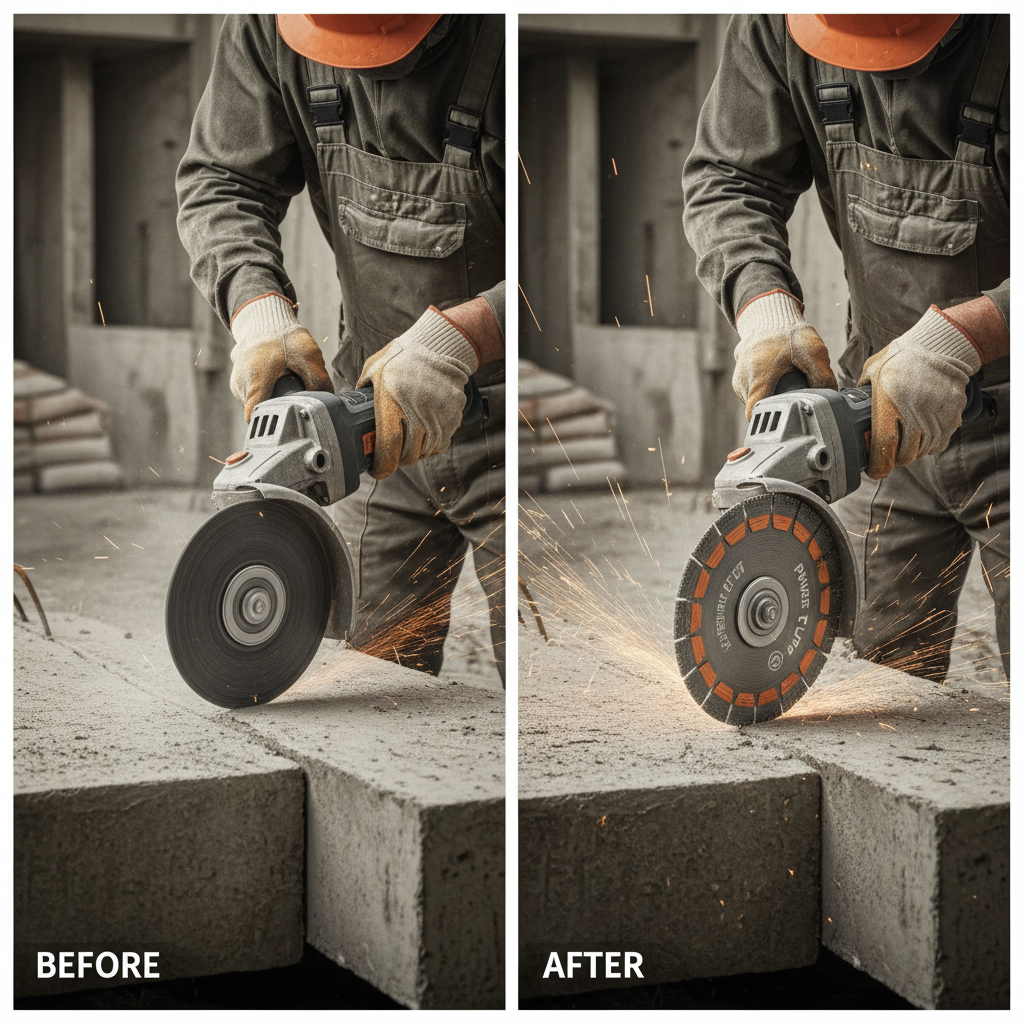
In remote industrial zones or post-disaster relief operations, where large machinery is impractical, portable mini grinders equipped with diamond blades are used for emergency cutting of reinforced concrete or metal pipes to clear debris. This versatility makes the mini grinder diamond blade a critical asset for rapid response teams who need high-performance cutting tools that are lightweight and easy to transport.
Performance Comparison of Mini Grinder Diamond Blade Types
Long-Term Value and Economic Advantages
From a financial perspective, switching to a premium mini grinder diamond blade reduces the total cost of ownership. While cheaper alternatives may seem attractive initially, they often suffer from "glazing"—where the diamond grits dull and the blade stops cutting—requiring frequent replacements. High-quality blades feature self-sharpening properties, where the bond wears away at a controlled rate to continuously expose fresh, sharp diamonds.
Beyond the direct cost, the reliability of a professional mini grinder diamond blade enhances workplace safety and operator confidence. Reduced vibration levels lead to less fatigue and a lower risk of repetitive strain injuries. This combination of longevity, precision, and safety creates a sustainable production cycle, allowing businesses to take on more complex projects with the certainty that their tooling will perform consistently.
Future Trends in Diamond Abrasive Technology
The next generation of the mini grinder diamond blade is leaning heavily toward "green" manufacturing. Researchers are developing bio-based resin bonds that are less toxic and more biodegradable without sacrificing the hardness required for industrial cutting. This shift aligns with global sustainability goals and reduces the environmental footprint of the abrasive tools industry.
Digital transformation is also playing a role. We are seeing the rise of "smart blades" designed for automated robotic arms. These mini grinder diamond blade variants are engineered to work with sensors that monitor wear in real-time, alerting the operator exactly when the blade needs replacement to avoid ruining an expensive workpiece.
Furthermore, the exploration of nano-diamond coatings is expected to revolutionize the field. By applying diamond particles at a molecular level, manufacturers can create a mini grinder diamond blade that is exponentially thinner yet stronger, allowing for even more precise cuts and reduced heat generation during high-speed operation.
Overcoming Technical Challenges in Mini Grinding
One of the most persistent challenges when using a mini grinder diamond blade is heat management. Because the surface area of a mini blade is small, friction heat builds up rapidly, which can lead to thermal cracking in the workpiece or "burning" of the resin bond. To combat this, expert operators use intermittent cutting patterns or specialized water-cooling attachments to keep the temperature stable.
Another common issue is "blade wander," where the thin profile of the mini grinder diamond blade causes it to deflect under pressure. The solution lies in the application of a steady, light touch rather than forcing the tool through the material. Utilizing blades with reinforced cores or specific edge geometries can also significantly reduce deflection and improve the straightness of the cut.
Finally, selecting the wrong grit for the material can lead to inefficiency. Using a coarse-grit mini grinder diamond blade on a fragile material like glass often results in chipping. We recommend a graduated approach: starting with a medium grit for bulk removal and finishing with a fine-grit blade for polishing, ensuring a professional result every time.
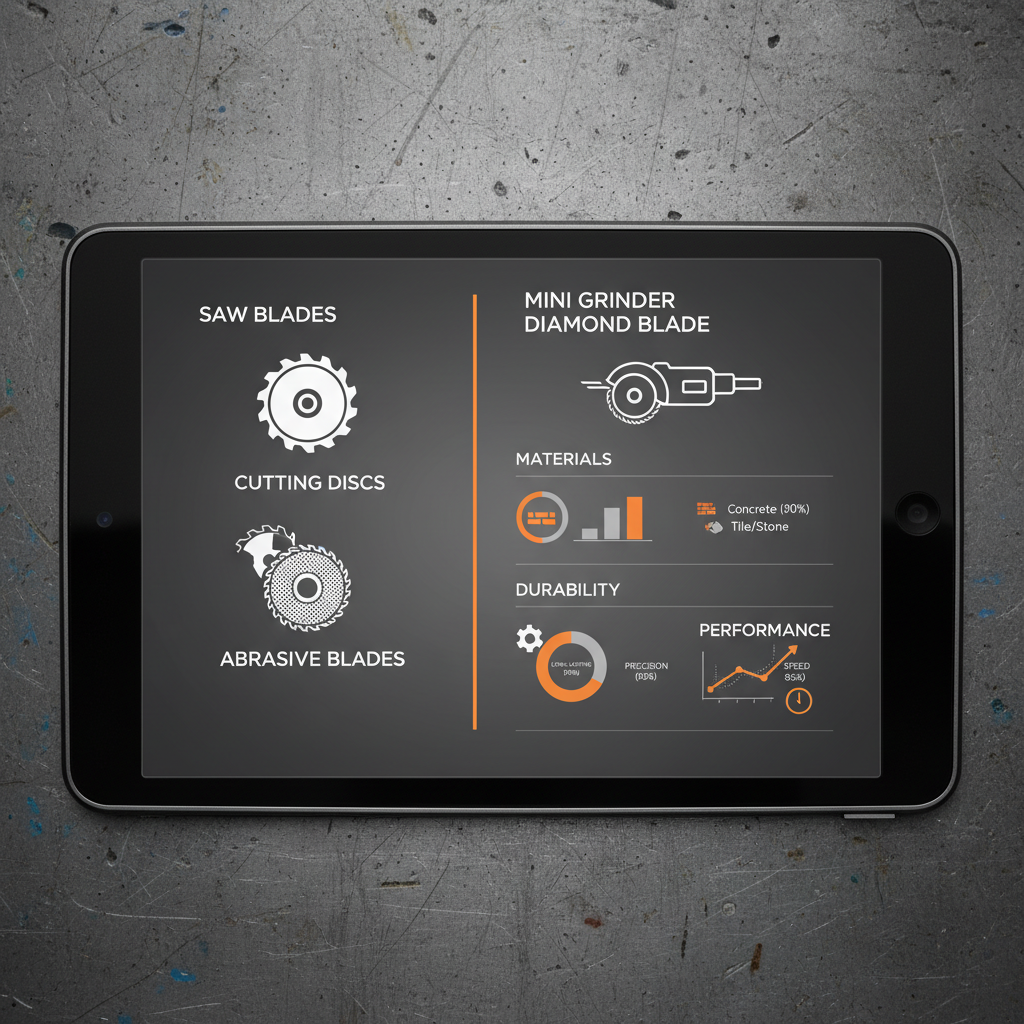
Technical Specifications and Performance Metrics of Mini Grinder Diamond Blades
| Blade Type |
Primary Material |
Wear Resistance (1-10) |
Cutting Speed (1-10) |
| Electroplated |
Glass/Ceramics |
4 |
9 |
| Sintered Metal |
Concrete/Granite |
9 |
6 |
| Vacuum Brazed |
Hard Alloys/Stone |
10 |
8 |
| Resin Bonded |
Polishing/Glass |
6 |
7 |
| Hybrid Matrix |
Composite Materials |
8 |
8 |
| Nano-Coated |
Precision Semi-conductors |
7 |
10 |
FAQS
Choosing the right grit depends on the desired finish. Coarse grits (80-120) are best for rapid material removal and rough shaping. Medium grits (200-400) are ideal for general cutting and smoothing. Fine grits (600+) are used for precision finishing and polishing. For the best results, we recommend starting with a coarser mini grinder diamond blade and moving toward a finer one as you approach the final dimension.
Yes, most mini diamond blades are specifically designed for high-speed rotary tools like Dremels. However, it is crucial to ensure that the blade's arbor size matches the tool's collet and that the tool's RPM does not exceed the blade's maximum rated speed. Always use a safety guard and PPE when operating a mini grinder diamond blade at high revolutions.
Overheating usually occurs due to excessive pressure or the lack of lubrication. Diamond tools generate significant friction. To prevent this, use a "light touch" and let the diamonds do the work. If you are working with ceramics or glass, using a water-cooled mini grinder diamond blade or applying a drip of water can prevent thermal shock and extend the tool's life.
Electroplated blades have diamonds bonded to the surface, offering very fast cutting speeds but shorter lifespans. Sintered blades have diamonds mixed throughout the bond matrix, meaning as the blade wears, new diamonds are exposed. While sintered mini grinder diamond blade options cut slower, they last significantly longer and are better for heavy-duty industrial tasks.
The most obvious sign is "glazing," where the blade slides over the material without cutting, or a significant increase in the heat generated during the process. If you find yourself applying more pressure to achieve the same cut, the diamonds are likely worn out. Replacing your mini grinder diamond blade at this stage prevents damage to your workpiece and the tool motor.
Diamond blades are designed for non-metallic minerals and very hard alloys (like tungsten carbide). They are not suitable for cutting soft metals like aluminum or mild steel, as these materials can "load" or clog the diamond pores. For those materials, a TCT blade is more appropriate. However, a specialized mini grinder diamond blade can be used on hardened steel if the bond is specifically formulated for it.
Conclusion
The mini grinder diamond blade represents the perfect intersection of power and precision in the abrasives industry. By understanding the critical roles of bond types, grit selection, and heat management, operators can achieve extraordinary results on the toughest materials. From aerospace components to artistic masterpieces, the ability to perform localized, high-precision grinding ensures a level of quality that standard tools simply cannot match.
As we look toward the future, the integration of sustainable materials and smart-monitoring technology will further enhance the efficiency of these tools. Whether you are a professional engineer or a dedicated hobbyist, investing in high-grade diamond tooling is an investment in precision and safety. To explore our full range of high-performance cutting and grinding solutions, visit our website: www.mydiamondblade.com








.png )