Diamond blade wheels are indispensable tools in modern industries, ranging from construction and landscaping to precision manufacturing and artistic endeavors. These wheels, characterized by their durable construction and efficient cutting capabilities, have revolutionized material processing, offering significant advantages over traditional cutting methods. The core innovation lies in embedding industrial diamonds – the hardest known material – within a metallic or resinous matrix, creating a cutting surface that remains effective even against the toughest materials like concrete, asphalt, stone, and ceramics. Understanding the nuances of diamond blade wheel technology, its applications, and future trends is crucial for professionals and enthusiasts alike.
The global demand for diamond blade wheels is fueled by continuous infrastructure development, expanding construction activities in emerging economies, and the increasing need for precise and efficient material cutting across various sectors. According to market research reports, the diamond blade market is projected to reach substantial growth in the coming years, driven by the rising adoption of these tools in applications such as road construction, tile cutting, and concrete drilling. This growth underscores the importance of optimizing blade performance, extending lifespan, and minimizing operational costs – areas where advancements in diamond blade wheel technology are continually focused.
Ultimately, the widespread use of diamond blade wheels signifies a shift toward greater efficiency, precision, and durability in material processing. Its effectiveness translates to reduced labor costs, improved safety standards, and higher quality finishes in a diverse range of applications, solidifying its position as a vital component of modern industrial practices.
Introduction to Diamond Blade Wheels
Diamond blade wheels have become ubiquitous across a multitude of industries due to their unparalleled cutting efficiency and longevity. These tools are not merely accessories; they represent a critical investment for professionals seeking precision, speed, and cost-effectiveness in their operations. The integration of diamond grit into a robust wheel matrix allows for the clean and accurate cutting of incredibly hard materials.
From the initial stages of material selection and preparation to the final finishing touches, the quality of the diamond blade wheel directly influences the overall outcome. Selecting the appropriate wheel – considering diamond grit size, bond type, and wheel diameter – is paramount to achieving optimal results and maximizing the lifespan of the tool. It is crucial to understand these elements to achieve the most out of any diamond blade wheel.
Global Relevance and Industry Context
The demand for diamond blade wheels is intrinsically linked to global infrastructure projects and construction activity. Rapid urbanization in emerging economies, particularly in Asia and Africa, drives a significant increase in the need for these tools. The United Nations projects a continued rise in global population, necessitating expansion of housing, transportation networks, and industrial facilities, all of which require extensive material cutting. This translates to a consistent and growing demand for high-performance diamond blade wheels.
Furthermore, the manufacturing sector relies heavily on diamond blade wheels for precision cutting of various materials, including ceramics, glass, and composites. The automotive, aerospace, and electronics industries are particularly reliant on these tools to produce intricate components with tight tolerances. The World Bank estimates that global manufacturing output will continue to expand, creating a sustained need for advanced cutting solutions like diamond blade wheels.
The ISO standards governing the quality and performance of diamond blade wheels are increasingly stringent, reflecting the demand for reliability and safety in various applications. Compliance with these standards is a crucial factor for manufacturers, ensuring that their products meet the evolving needs of a global marketplace. These standards also dictate best practices for use, maintenance and safety for professionals working with the tools.
Defining the Diamond Blade Wheel
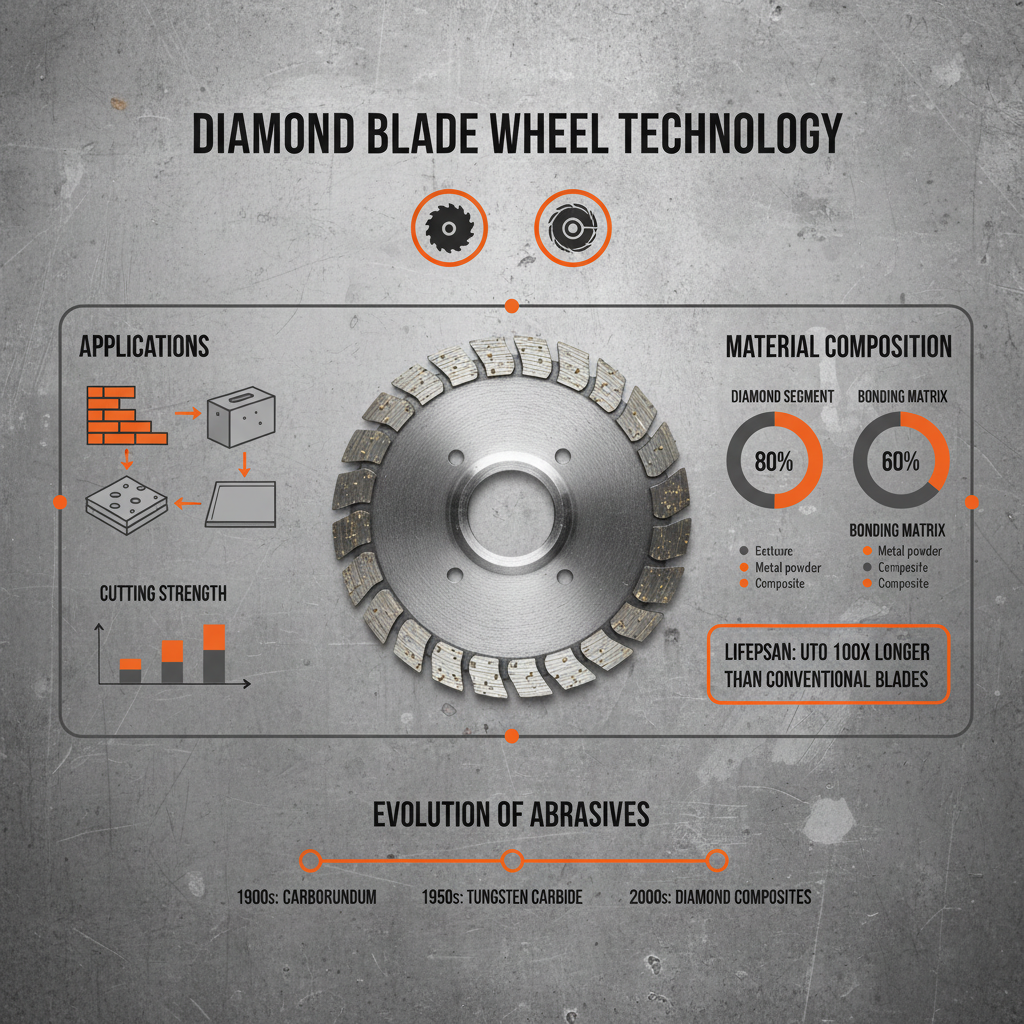
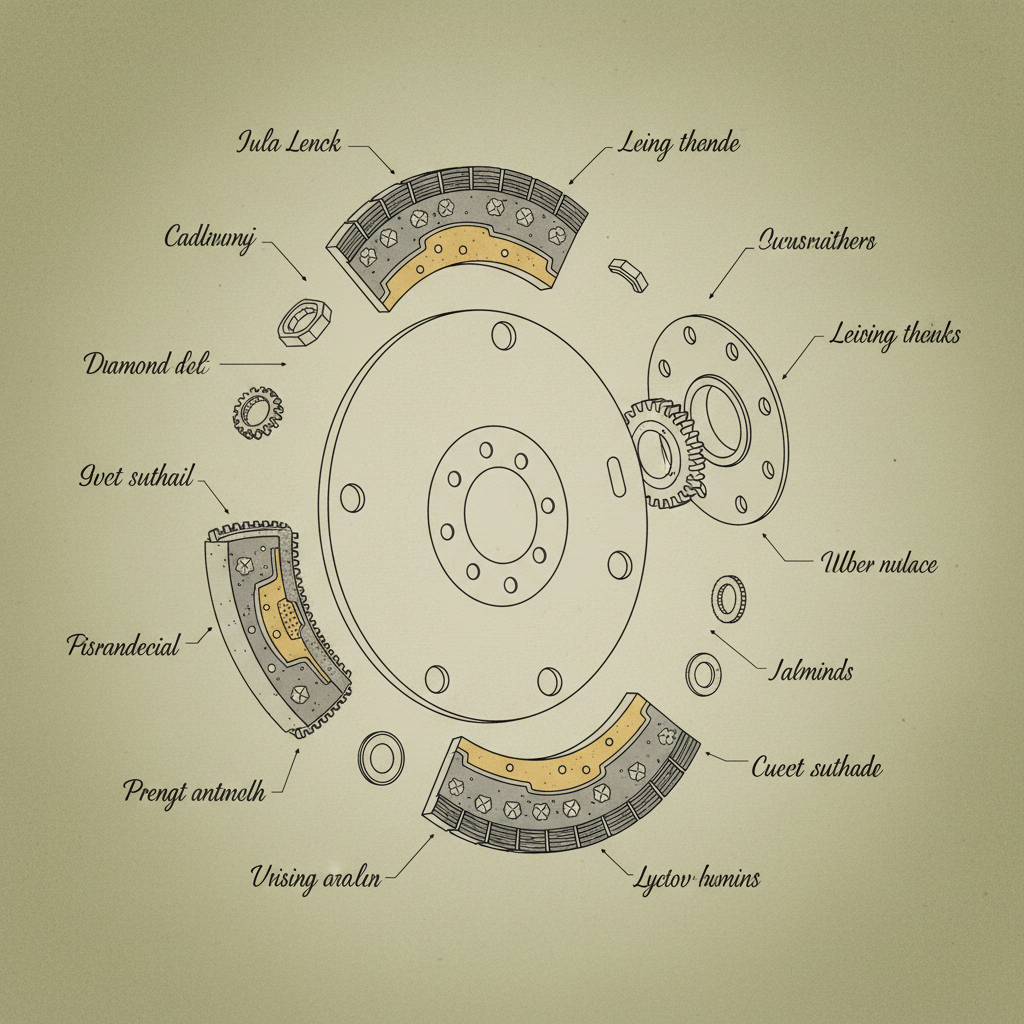
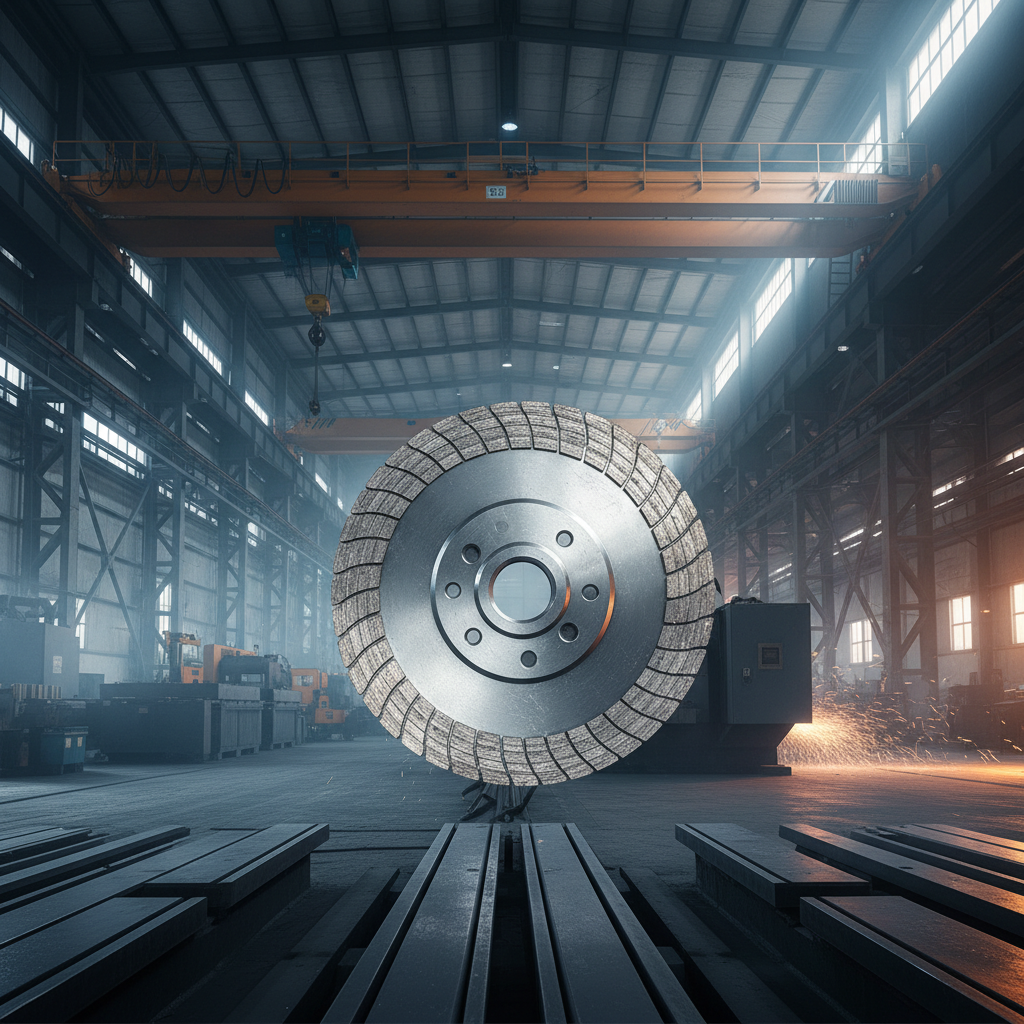
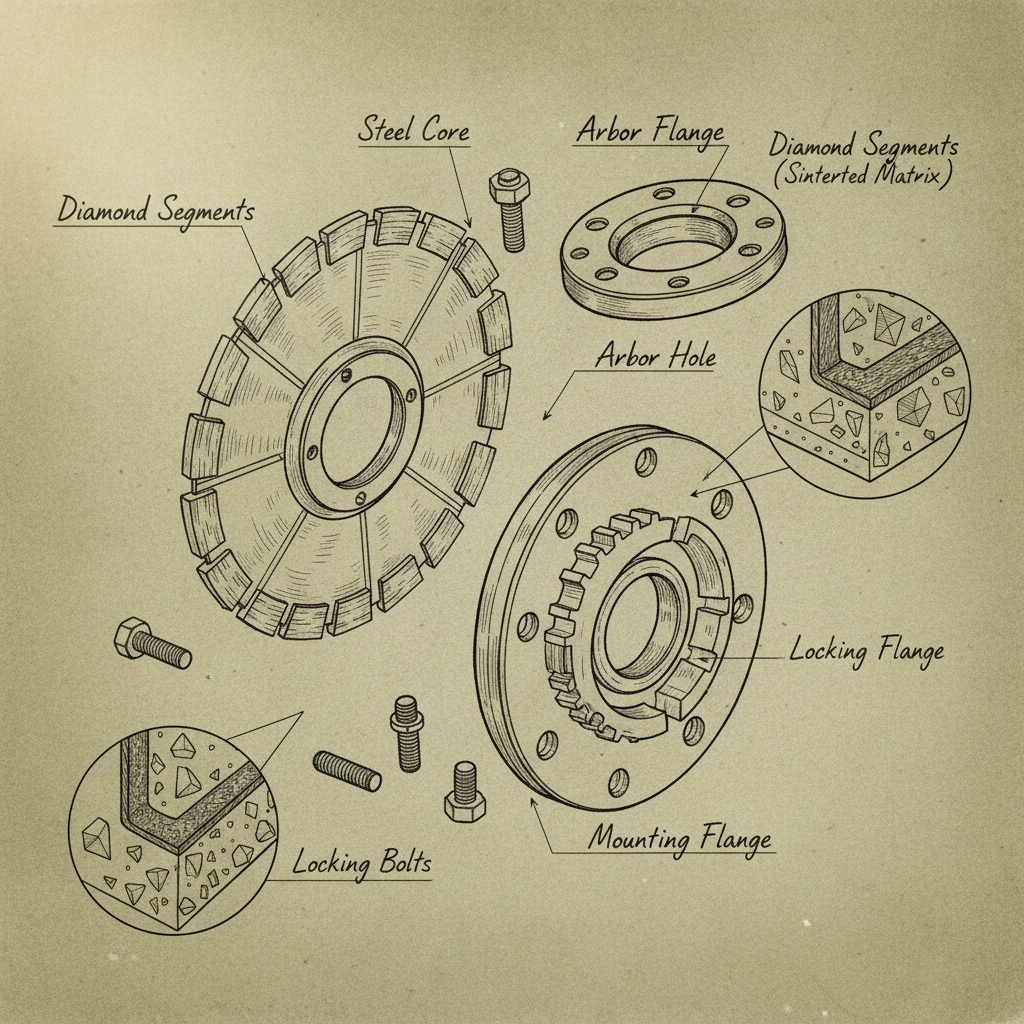
A diamond blade wheel is a circular cutting tool engineered with industrial diamonds bonded to a metallic or resinous core. The diamonds act as the abrasive element, while the core provides structural support and facilitates mounting onto cutting equipment. The term "diamond blade wheel" encompasses a variety of designs, including segmented blades, continuous-rim blades, and cup wheels, each suited for specific cutting tasks.
The key distinction between a diamond blade wheel and conventional cutting wheels lies in its ability to cut through extremely hard and abrasive materials without significant wear or loss of cutting efficiency. This makes it essential for tasks where traditional blades would quickly dull or fracture. Its performance is critical for safety, especially when cutting materials like reinforced concrete, where conventional blades are prone to splintering.
Its connection to modern industry is undeniable. Without the diamond blade wheel, many of the advancements in construction, manufacturing, and even artistic creation would be significantly hindered. It's an integral component in ensuring precision, efficiency, and safety across a broad spectrum of applications, and a quality diamond blade wheel is a cornerstone of any professional toolkit.
Key Factors Influencing Performance
The performance of a diamond blade wheel is governed by several interconnected factors. The concentration and size of the diamond grit are paramount, influencing the cutting speed and finish quality. Larger grit sizes are generally used for aggressive cutting of softer materials, while smaller grit sizes provide a smoother finish on harder materials.
The bond type – whether metallic, resinous, or vitrified – dictates the wheel's ability to retain diamond grit and withstand heat buildup. Metallic bonds are known for their durability and suitability for cutting abrasive materials, while resinous bonds offer a balance between cutting speed and bond retention. Selecting the correct bond for the specific application is vital.
Diamond Blade Wheel Performance Metrics
Applications Across Industries
The construction industry is arguably the largest consumer of diamond blade wheels, utilizing them for cutting concrete, asphalt, brick, and stone. From road construction and building demolition to tile installation and landscaping, these tools are indispensable for a wide range of tasks. In remote industrial zones, reliable cutting tools are a necessity, and diamond blade wheels provide that reliability.
Manufacturing benefits greatly from the precision and efficiency of diamond blade wheels. They are used in the fabrication of glass products, ceramics, and composite materials. The automotive and aerospace industries rely on these tools for creating intricate components with tight tolerances. Even in specialized fields like stone masonry and artistic sculpting, diamond blade wheels enable artisans to achieve intricate designs and impeccable finishes.
Advantages and Long-Term Value
The primary advantage of diamond blade wheels lies in their exceptional durability and cutting efficiency. Compared to abrasive wheels, they offer significantly longer lifespans, reducing the frequency of replacements and minimizing downtime. This translates directly into cost savings for businesses, even considering the higher initial investment. The safety benefits are substantial as well.
Beyond cost savings, the long-term value extends to improved quality of work. Diamond blade wheels produce cleaner, more precise cuts, reducing the need for secondary finishing operations. This leads to enhanced product aesthetics and increased customer satisfaction. A well-maintained and appropriately selected diamond blade wheel demonstrates an investment in quality and reliability, reinforcing a company’s reputation.
Future Trends and Innovations
Innovation in diamond blade wheel technology is focused on developing more efficient and sustainable cutting solutions. Researchers are exploring new diamond grit coatings and bonding materials that enhance cutting performance and extend wheel lifespan. The development of laser-cut blades is also gaining traction, offering unparalleled precision and minimizing material waste.
Digital integration is also playing a role, with the development of smart blades equipped with sensors that monitor wear and tear, providing real-time data on performance and predicting the need for replacement. This predictive maintenance capability can significantly reduce downtime and optimize operational efficiency. Sustainability is driving the adoption of eco-friendly bonding materials and manufacturing processes.
Challenges and Solutions
A common challenge is selecting the appropriate diamond blade wheel for a specific application, given the vast range of available options. Misunderstanding the material being cut, the desired cutting speed, and the required finish can lead to suboptimal performance and premature wear. Proper training and consultation with industry experts are essential to overcoming this hurdle.
Another issue is maintaining the blade’s cutting efficiency over time. Diamond grit can become embedded in the material being cut, reducing cutting speed and increasing the risk of blade damage. Implementing regular cleaning and dressing procedures can help to restore the blade’s sharpness and extend its lifespan. Regular inspection for damage is critical.
Finally, the cost of high-quality diamond blade wheels can be a barrier for some users. However, considering the long-term cost savings associated with increased durability and reduced downtime, the investment often proves to be worthwhile. Selecting a reputable supplier who offers expert advice and competitive pricing is key.
Common Questions and Answers About Diamond Blade Wheels
| Application |
Diamond Grit Size |
Bond Type |
Expected Lifespan |
| Concrete Cutting |
Medium to Coarse |
Metallic |
50-100 hours |
| Tile Cutting |
Fine |
Resinous |
75-150 hours |
| Asphalt Cutting |
Coarse |
Metallic |
40-80 hours |
| Stone Cutting |
Medium |
Resinous |
60-120 hours |
| Glass Cutting |
Very Fine |
Resinous |
100-200 hours |
| Ceramic Tile |
Fine |
Resinous |
80-160 hours |
FAQS
Proper storage is crucial for maximizing the lifespan of your diamond blade wheels. Store them in a dry, climate-controlled environment, away from direct sunlight and moisture. Avoid stacking blades directly on top of each other, as this can cause chipping or cracking. Ideally, store them in individual protective cases or on a rack designed for blade storage. This prevents physical damage and ensures they are ready for use when needed.
The lifespan of a diamond blade wheel depends on several factors, including the material being cut, the cutting frequency, and the quality of the blade itself. Monitor the cutting speed and the finish quality. If you notice a significant decrease in performance or an increase in chipping, it’s time to consider replacement. Typically, blades need replacing after 50-200 hours of use, but this varies considerably.
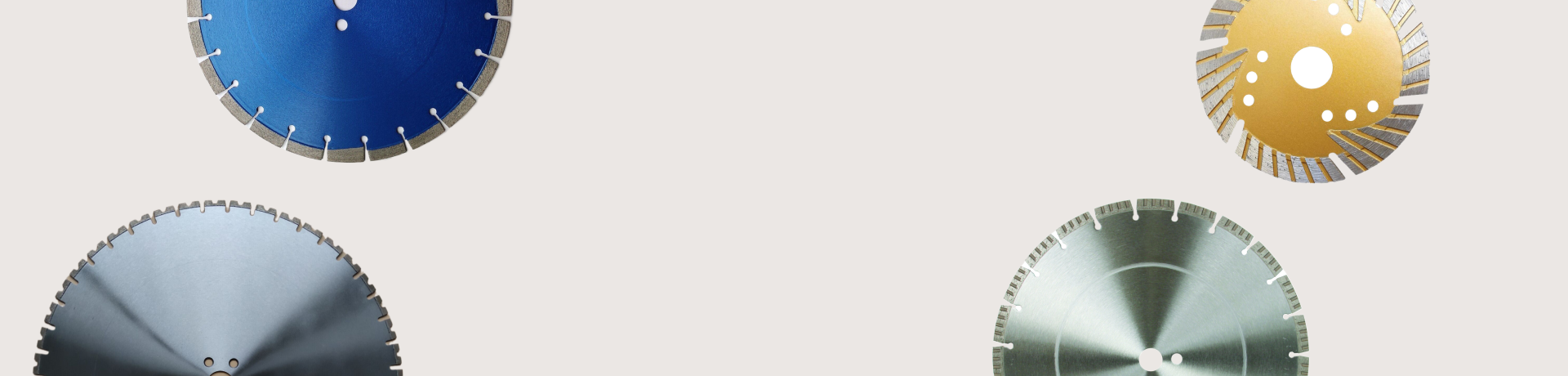
Segmented blades have diamond segments separated by metal spacers, offering faster cutting speeds and efficient chip removal, making them ideal for abrasive materials like concrete and asphalt. Continuous-rim blades have a solid diamond-embedded edge, providing smoother, chip-free cuts on harder, less abrasive materials like tile and stone. The right choice depends on the specific application.
Not all diamond blade wheels are designed for wet cutting. Some are specifically made for dry cutting, while others can be used with either wet or dry methods. Wet cutting helps to cool the blade, reduce dust, and extend its lifespan, but it requires a water supply and proper drainage. Always check the manufacturer’s instructions before using water with a diamond blade wheel.
Safety is paramount when working with diamond blade wheels. Always wear appropriate personal protective equipment (PPE), including safety glasses, gloves, and a dust mask. Ensure the workpiece is securely clamped, and never force the blade. Follow the manufacturer's instructions for proper operation and maintenance. Always unplug the power tool before making any adjustments.
Diamond grit size significantly impacts the cutting process. Coarse grits cut faster but leave a rougher finish, suitable for aggressive material removal. Fine grits provide a smoother, more precise cut, ideal for delicate materials and intricate work. Medium grits offer a balance between speed and finish. Selecting the right grit size is essential for achieving optimal results.
Conclusion
Diamond blade wheels represent a cornerstone of modern material processing, offering unparalleled durability, efficiency, and precision across a diverse range of industries. From construction and manufacturing to artistic creation, these tools continue to drive innovation and improve quality of work. Understanding the key factors that influence their performance – diamond grit, bond type, and application – is crucial for maximizing their lifespan and achieving optimal results.
Looking ahead, continued advancements in materials science and digital technology promise even more sophisticated diamond blade wheel solutions. The development of smart blades, eco-friendly bonding materials, and laser-cut designs will further enhance cutting performance, reduce waste, and promote sustainable practices. To explore high-quality and innovative diamond blade wheel options, visit our website today.









.png )