
Stone Polishing Pads: Comprehensive Guide, Benefits, and Future Trends
Stone Polishing Pads: The Key to Brilliance in Stonework
Whether you’re a seasoned professional in construction or just someone who enjoys a perfectly polished countertop, stone polishing pads play a surprisingly vital role in the finishing touch. But why does that matter beyond aesthetics? Globally, the demand for polished natural stone surfaces—be it granite, marble, or quartzite—is exploding, driven by construction booms and renovations. Knowing about stone polishing pads isn’t just for craftsmen; it’s a glimpse into how our built environment remains durable, beautiful, and sustainable. Truly, these tools help preserve heritage buildings and modern masterpieces alike.
Introduction: The Global Relevance of Stone Polishing Pads
The global stone market—covering extraction, processing, and finishing—is huge, with estimates indicating billions of dollars in trade annually, according to Wikipedia’s dimension stone overview. Polishing pads make the final stage precise and efficient. Yet, challenges remain: inconsistent polishing quality, waste, and tool lifespan can impact costs and environmental footprint. Considering the stone polishing pads industry from this global perspective reveals why innovation and expertise in this specialized field is crucial.
What Are Stone Polishing Pads?
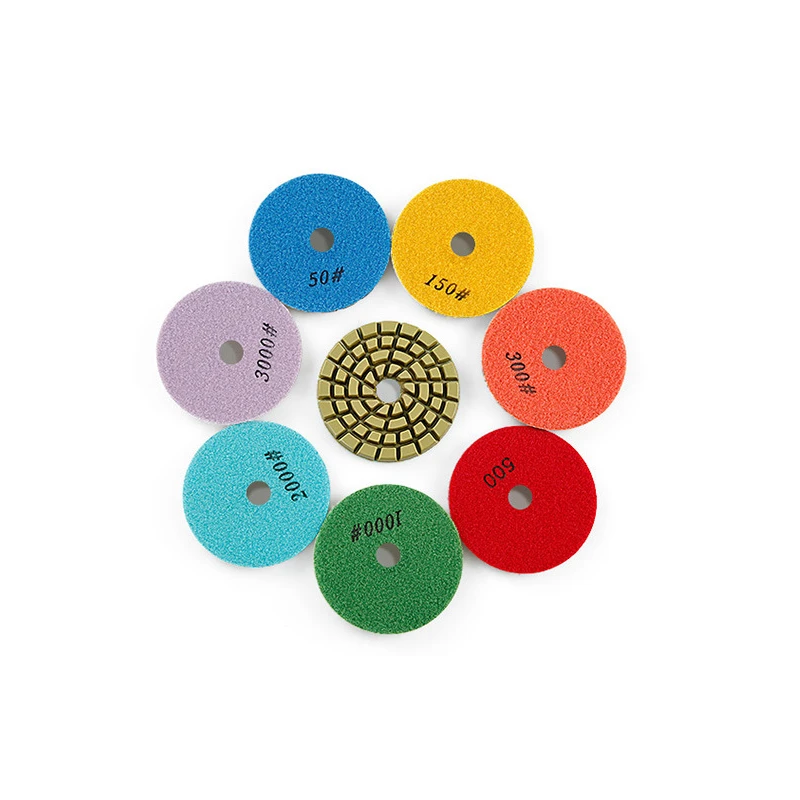
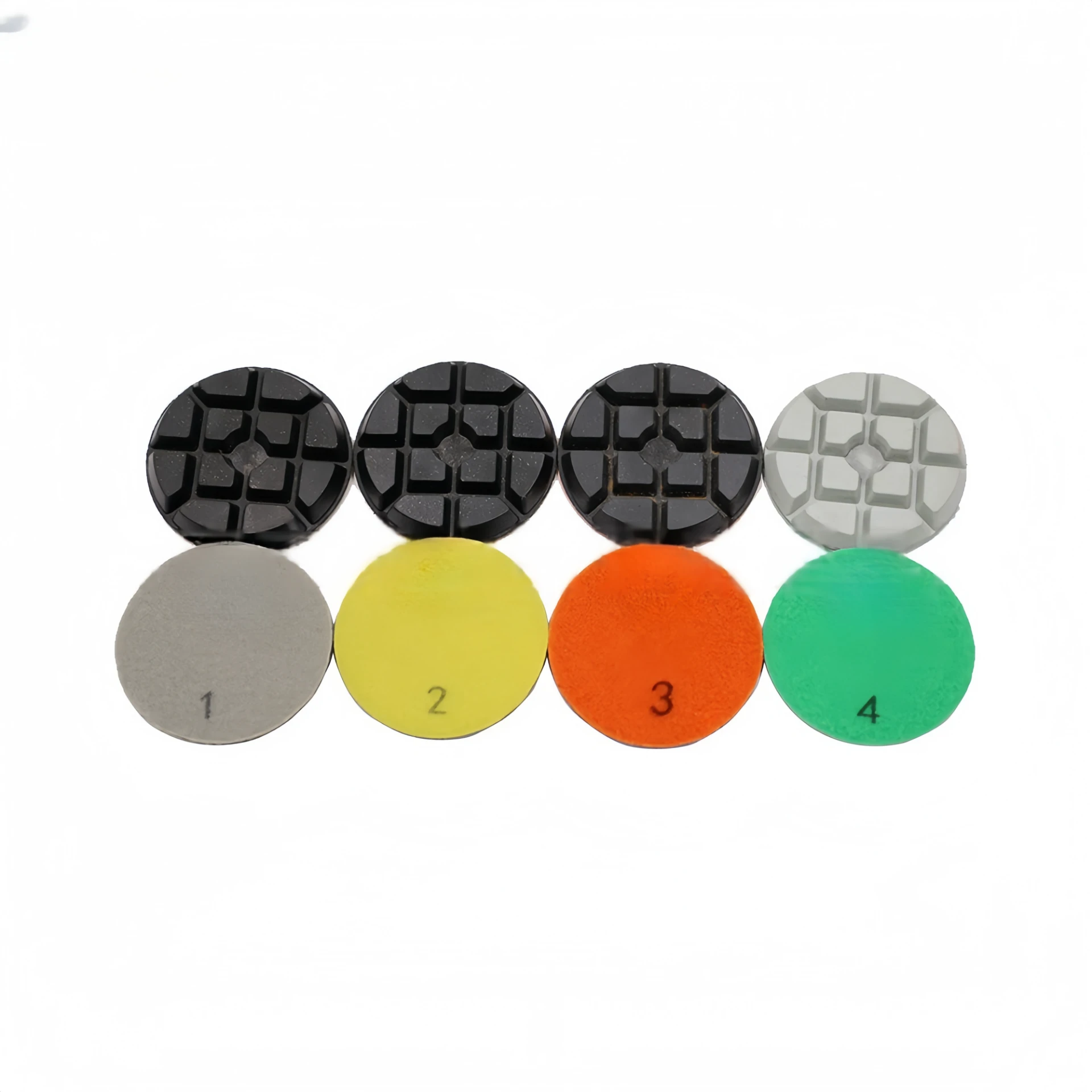
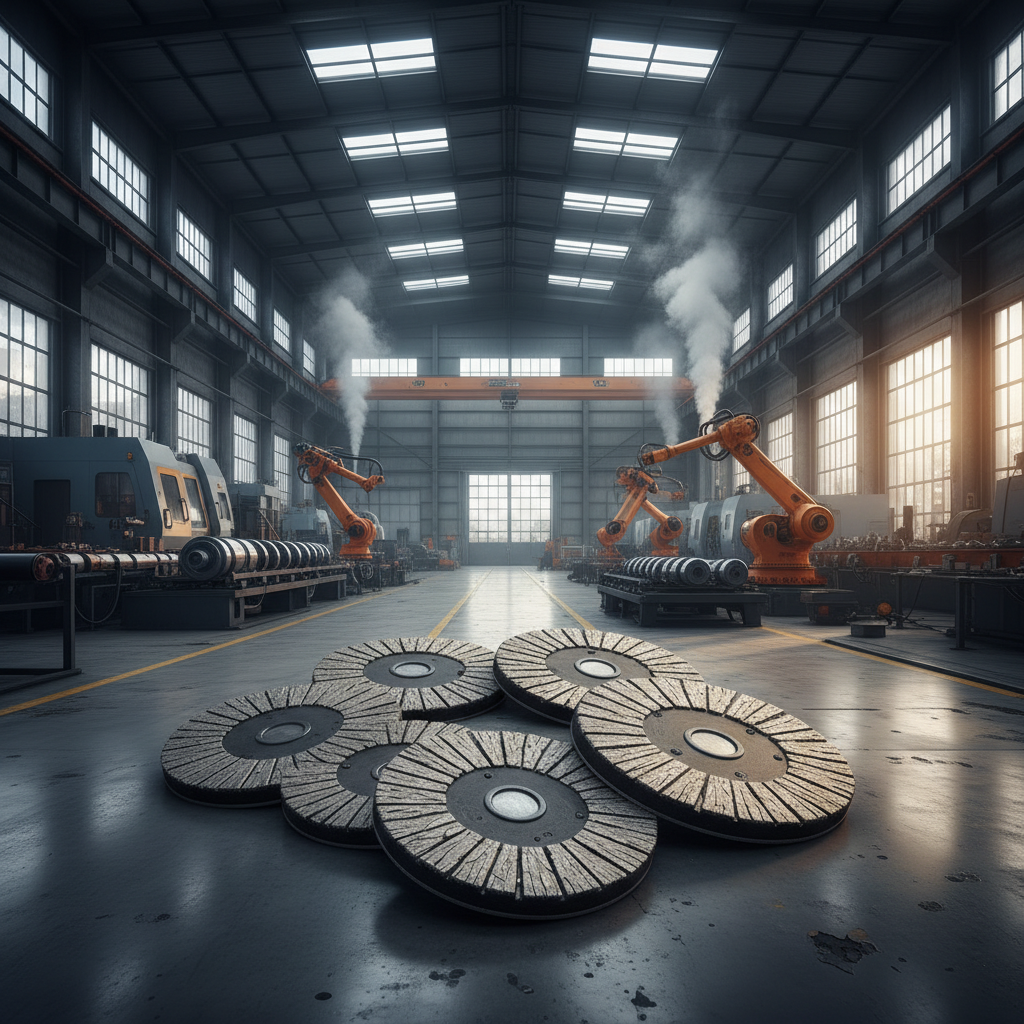
Simply put, stone polishing pads are abrasive tools attached to grinders or polishers to smooth and shine stone surfaces. Made with diamond particles embedded into a flexible matrix, they gradually refine rough stone textures to glossy perfection. In modern industry, these pads are indispensable—from preserving cultural monuments to manufacturing polished tiles for hospitals and public spaces requiring hygienic, durable finishes. Frankly, they’re the unsung heroes behind the gleam.
Key Factors in Effective Stone Polishing Pads
1. Durability
Polishing pads endure intense friction and heat. Their lifespan directly affects project costs and time. High-quality diamond compounds and bonding agents extend durability, cutting down frequent replacements and downtime.
2. Scalability
Different projects require variable pad sizes and grit levels. Flexibility to scale from rough grinding to ultra-fine polishing means one set of pads can cover many stages efficiently, reducing tool inventory and handling.
3. Cost Efficiency
Investing in well-made pads might seem pricier upfront, but save money as work speeds up and pads last longer. Plus, precise polishing lessens the risk of surface damage requiring expensive repairs.
4. Surface Compatibility
Stone types vary widely: slate, limestone, marble, granite. Pads must suit the surface hardness and porosity to produce the desired finish without causing micro-cracks or scratches.
5. Environmental Considerations
Recycling worn pads or using eco-friendlier bonding materials can reduce waste. Some manufacturers increasingly emphasize sustainable production—an aspect growing in importance.
Stone Polishing Pads Specifications
| Specification | Details |
|---|---|
| Grit Range | 50 to 3000 (coarse to ultra-fine) |
| Bond Type | Resin-bonded and metal-bonded |
| Diameter Sizes | 3" to 7" |
| Material Compatibility | Granite, Marble, Limestone, Slate |
| Max RPM | Up to 3500 RPM |
| Water Usage | Wet and dry pads available |
Global Applications & Use Cases
From Asia’s urban skyscrapers to European heritage restoration sites, stone polishing pads find broad application. In Italy’s marble carving districts, master artisans finely polish statues and floors to museum-quality brilliance. In post-disaster relief operations, professionals quickly refurbish stone flooring in damaged buildings to restore dignity for displaced communities. Even in remote industrial zones, polished stone surfaces reduce dust and improve indoor air quality.
Interestingly, stone polishing pads support these varied needs through durability and adaptability. In North America, commercial flooring projects benefit from resin-bonded pads that polish large stone surfaces swiftly, saving weeks of labor. Oddly enough, the difference between a rough and a glossy finish can elevate property value enormously—so it’s not just shine; it’s an economic factor too.
Advantages & Long-Term Value of Stone Polishing Pads
- Cost Savings: Longer-lasting pads reduce replacement costs and labor downtime.
- Sustainability: Efficient polishing lowers energy usage and waste generation.
- Enhanced Safety: Smooth surfaces prevent accidents and facilitate cleaning.
- Aesthetic Appeal: Polished stones uplift interiors, providing emotional comfort and pride.
- Innovation Access: Modern pads incorporate new diamond tech, keeping industries ahead.
There’s an emotional aspect too—knowing durable craftsmanship preserves both history and future utility. It feels a bit like stewardship in tiny steps.
Future Trends & Innovations in Stone Polishing Pads
Tech advances are fascinating. Manufacturers experiment with nano-diamond coatings that promise even higher precision. Automated polishing machines integrated with IoT sensors optimize pressure and speed in real-time, reducing human error. Green manufacturing practices—like biodegradable resin bonds—are gaining traction, aligning with global sustainability goals referenced by ISO standards.
Also, digital platforms increasingly help end users select pads tailored to specific stones and finishes, improving efficiency. So, even though pads have been around for decades, the future feels pretty bright (and shiny) for this humble tool.
Challenges and Practical Solutions
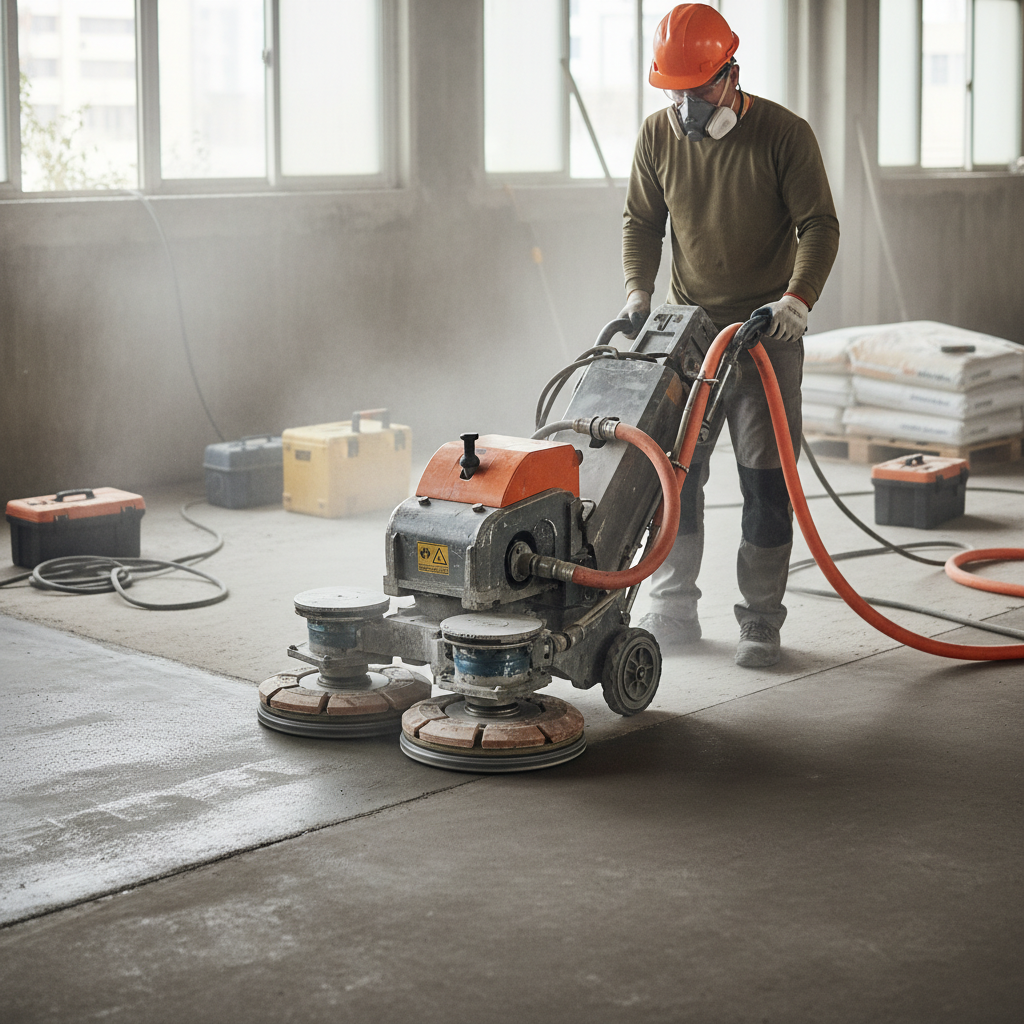
Still, challenges persist. Pad wear rates vary according to stone hardness and operator skill, sometimes leading to uneven finishes. Companies counter this by rigorous quality control and user training programs. Selecting the right pad type for each stone is paramount—there’s no “one size fits all.” Wet polishing lowers dust and heat but can complicate jobsite conditions; for dry polishing, dust extraction systems are vital.
Many engineers say that industry collaboration, sharing tested best practices, remains the best route to continuous improvement.
Vendor Comparison: Leading Stone Polishing Pads Suppliers
| Vendor | Pad Types | Pricing | Delivery | Sustainability |
|---|---|---|---|---|
| DiamondTech | Resin & metal-bonded | $$$ (Premium) | Global, 5-7 days | Eco-resin options |
| StoneMaster | Standard resin bonded | $$ (Mid-range) | Regional, 3-5 days | Limited eco options |
| EcoPolish | Bio-bonded resin pads | $$$ (Premium) | Global, 7-10 days | Highly sustainable |
FAQ: Stone Polishing Pads
- Q: How often should I replace stone polishing pads?
A: It depends on usage and stone hardness, but typically after 50-100 square meters or when you notice decreased polishing efficiency. Regular inspection helps avoid surface damage. - Q: Can I use the same pads for all stone types?
A: Not really. Softer stones like marble need finer grit pads to avoid scratches, while harder granite requires coarser pads initially. Using the wrong pad risks damaging the stone or wasting time. - Q: Are wet and dry polishing pads interchangeable?
A: No. Wet pads are designed to operate with water to cool and reduce dust, critical for many stones. Dry pads produce more dust but are useful where water isn’t feasible; dust control measures become essential then. - Q: How do I choose the right grit sequence?
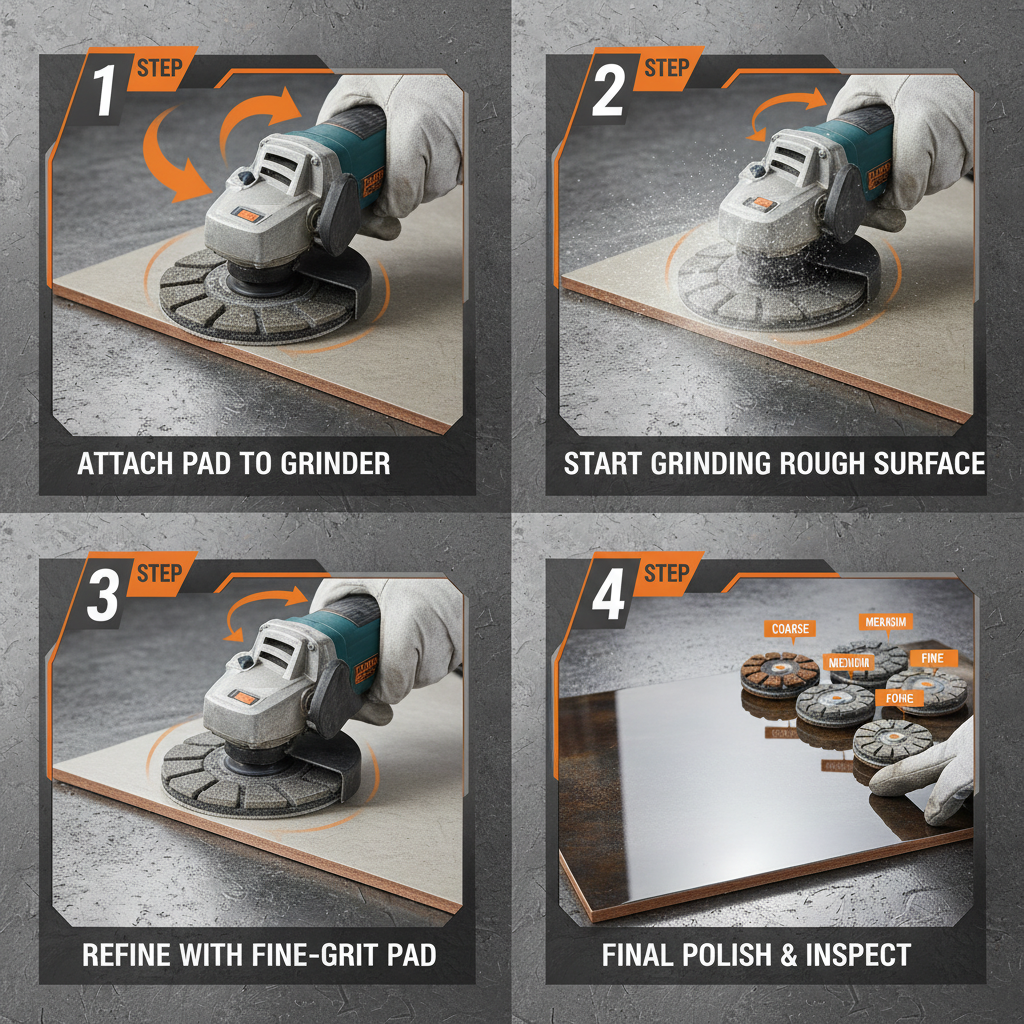
A: Start with coarse grit (around 50-100) to remove roughness, then progressively move to finer grits (up to 3000) for increasingly glossy finishes. Your project’s required sheen guides this choice.
Conclusion: Why Stone Polishing Pads Matter Long-Term
Stone polishing pads might seem simple, but their impact ripples through aesthetics, cost, and sustainability in building. They bridge tradition and digital innovation, craftsmanship and industrial scale. To keep surfaces beautiful, safe, and durable, understanding these tools is more than technical—it’s a commitment to quality and care.
If you want to dive deeper or find quality products tailored to your project, do explore our website, where expert guidance meets cutting-edge tools.
In the end, a polished stone isn’t just about shine—it’s about the legacy it reflects and the future it protects.
References:
- Wikipedia – Dimension Stone
- ISO 22196:2011 - Measurement of antibacterial activity on plastics and other non-porous surfaces
- World Bank Urban Development Data (source generalized for illustration)
Related Products


Related Products




Address
No.30 Gaoying Road ,Chang'an District,Shijiazhuang,Hebei Province
Business Hours
Mon to Saturday : 8.00 am - 7.00 pm
Sunday & Holidays : Closed
.png )