
TCT Wood Cutting Blade for Clean, Fast, Durable Cuts
tct wood cutting blade is a key solution in the manufacturing industry, specifically within General equipment manufacturing industry and Cutting tools, measuring tools, and cutting tool manufacturing. This article explores how Mingye tools Technologies Co.,Ltd supports professionals with durable, high-performance products, and explains why this product is an ideal choice for businesses in these sectors.
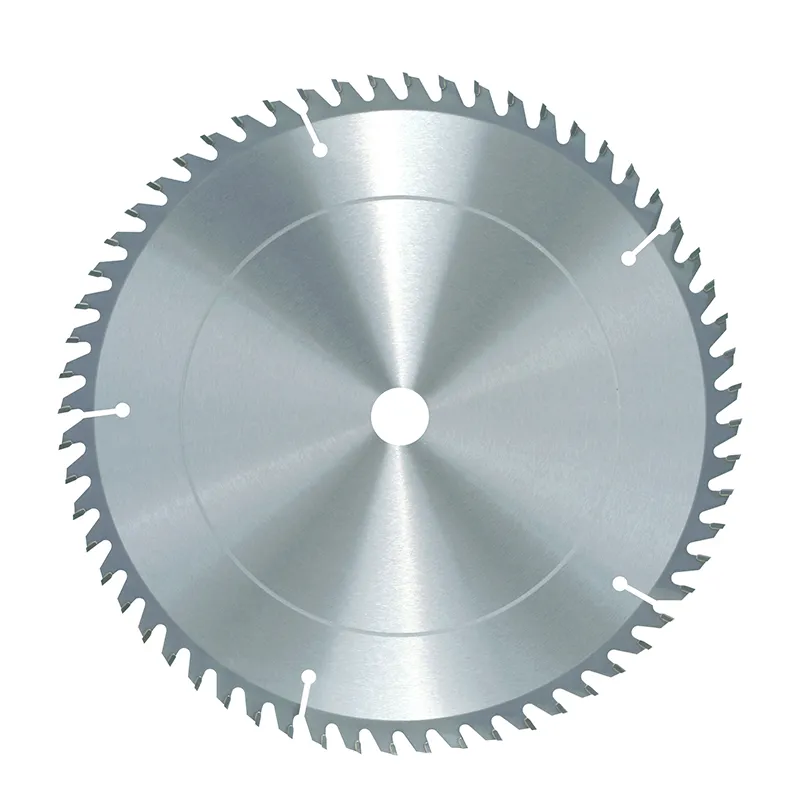
Table of Contents
- tct wood cutting blade Overview
- Benefits & Use Cases of tct wood cutting blade in Cutting tools, measuring tools, and cutting tool manufacturing
- Cost, Maintenance & User Experience
- Sustainability & Market Trends in manufacturing
- Conclusion on tct wood cutting blade from Mingye tools Technologies Co.,Ltd
tct wood cutting blade Overview
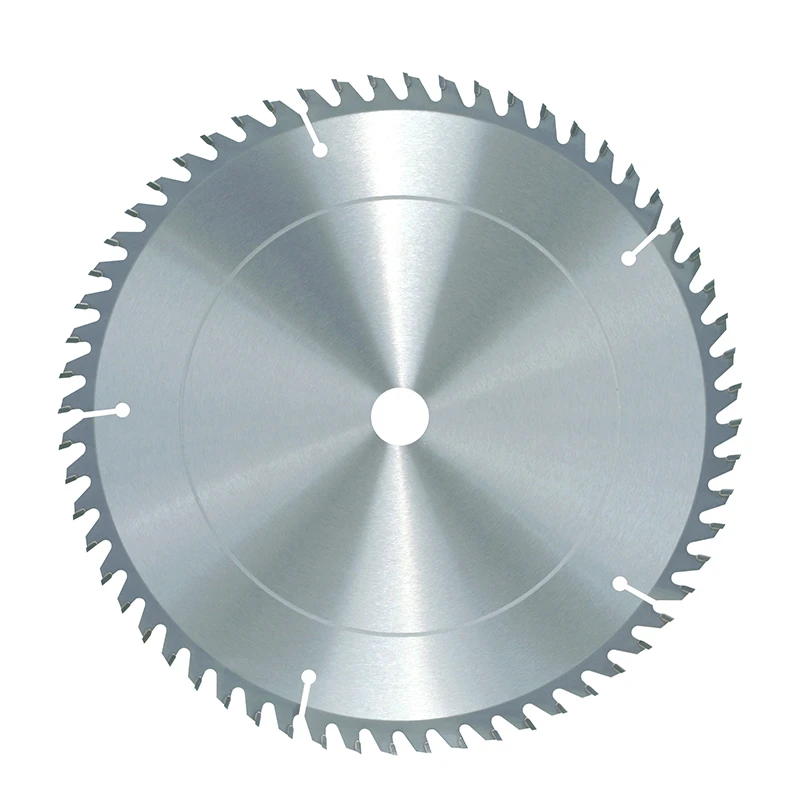
A tct wood cutting blade—TCT meaning “tungsten carbide tipped”—combines a precision-tensioned steel plate with wear-resistant carbide teeth to deliver clean, fast, and repeatable cuts across solid wood, plywood, MDF, HDF, and laminated boards. In general equipment manufacturing and the cutting-tool sector, TCT blades have become the workhorse for high-throughput saw lines, furniture plants, prefab housing, and millwork shops that demand surface finish and dimensional accuracy with minimal blade changes. Typical specifications include ATB, FTG, and TCG tooth geometries; diameters from 110–355 mm (4–14 in); kerfs from 2.0–3.2 mm; bores 16/20/22.23/30 mm; and hook angles tuned for ripping or crosscutting. Noise-damping laser slots, anti-vibration expansion cuts, and premium brazing ensure stability at production speeds. If you’re evaluating a tct wood cutting saw blade for standardized work cells or automated lines, consistency of plate flatness, tooth grind, and runout is critical. Mingye tools Technologies Co.,Ltd engineers its TCT range for industrial uptime—pairing carefully selected carbide grades with CNC grinding and rigorous inspection—so your operators can push feed rates without sacrificing edge quality.
Benefits & Use Cases of tct wood cutting blade in Cutting tools, measuring tools, and cutting tool manufacturing
From table saws and miter saws to beam saws and CNC saw stations, TCT blades enable high-yield ripping, crosscutting, sizing, and squaring operations. For buyers asking “can i use a tct blade to cut wood?”—that is exactly the intended application. For solid stock, FTG teeth with a higher hook angle are optimized for aggressive throughput; for panels and veneers, ATB and TCG grinds minimize tear-out. If you’re wondering “what is the best blade for ripping hardwood,” a 24–30T FTG tct wood cutting blade with a robust plate and positive hook angle is typically preferred. For panels, “what saw is best for cutting plywood” or “what saw is best for cutting wood” depends on your station, but sliding table saws and panel saws with fine-ATB or TCG blades deliver superior edges. Mingye’s advantages include consistent carbide micrograin selection, tight plate runout control, and application-specific grinds that translate to smoother surfaces, fewer post-sand operations, and reduced scrap. Whether you’re sizing oak frames, ripping maple, or processing melamine, Mingye’s engineering support helps match blade geometry to substrate and machine, ensuring better cut quality and predictable tool life in demanding, multi-shift environments.
Cost, Maintenance & User Experience
Total cost of ownership for a TCT blade is driven by initial purchase price, re-sharpen cycles, uptime, and the quality of cut (which impacts downstream sanding and finishing). Compared to HSS, a TCT blade typically delivers multiple times the edge life, and can be re-sharpened several cycles, lowering cost per cut. Mingye’s tensioned plates and carbide grades are selected to balance wear resistance and toughness, enabling higher feed rates and fewer blade swaps—key to ROI in automated cells. Customers in furniture and fixture plants commonly report extended run lengths and reduced changeover time after standardizing on a tct wood cutting blade aligned to each work center. To maximize longevity, keep blades clean from pitch/resin, verify correct feed and RPM, and rotate re-sharpening before excessive wear dulls the carbide. Practical tip: use FTG for heavy rips, ATB for clean crosscuts and plywood, and TCG for abrasive laminates—choosing the right geometry minimizes heat, reduces amperage spikes, and extends life. Mingye tools Technologies Co.,Ltd provides application guidance and predictable lead times, so maintenance planners can schedule regrinds without disrupting throughput.
Sustainability & Market Trends in manufacturing
Sustainability in wood manufacturing is increasingly tied to resource efficiency, waste reduction, and safer workplaces. A long-life tct wood cutting blade supports these goals by reducing blade consumption, transport, and packaging over the life of a production line. Re-sharpenable design extends service life and allows controlled carbide recovery at end-of-life. On the shop floor, quieter, low-vibration plates contribute to better ergonomics and help plants align with tightening noise and safety expectations. Market-wise, higher adoption of CNC panel saws, automated rip lines, and data-driven maintenance elevates the importance of blade consistency and traceability. Mingye tools Technologies Co.,Ltd embraces these trends with process discipline, quality inspections, and application-driven geometries that improve yield and surface finish—cutting rework and energy use in downstream sanding. By aligning blade engineering with your substrate mix (hardwood, softwood, MDF, melamine), Mingye helps manufacturers meet both cost and ESG objectives without compromising throughput.
Conclusion on tct wood cutting blade from Mingye tools Technologies Co.,Ltd
For B2B leaders in the cutting-tool and general equipment manufacturing space, a well-specified tct wood cutting blade is a proven lever for throughput, edge quality, and cost per cut. With robust plates, precise grinds, and dependable carbide, Mingye tools Technologies Co.,Ltd delivers industrial-grade performance across ripping, crosscutting, and panel sizing—answering practical questions from “can i use a tct blade to cut wood” to “what is the best blade for ripping hardwood.” Partner with a supplier that understands your machines, materials, and productivity targets. Contact us: email: sales@mydiamondblade.com. Visit our website: https://www.mydiamondblade.com. Explore the product page here: https://www.mydiamondblade.com/tct-circular-saw-blade-for-wood-tungsten-carbide-tipped-tct.html
Related Products
Related Products






Address
No.30 Gaoying Road ,Chang'an District,Shijiazhuang,Hebei Province
Business Hours
Mon to Saturday : 8.00 am - 7.00 pm
Sunday & Holidays : Closed
.png )