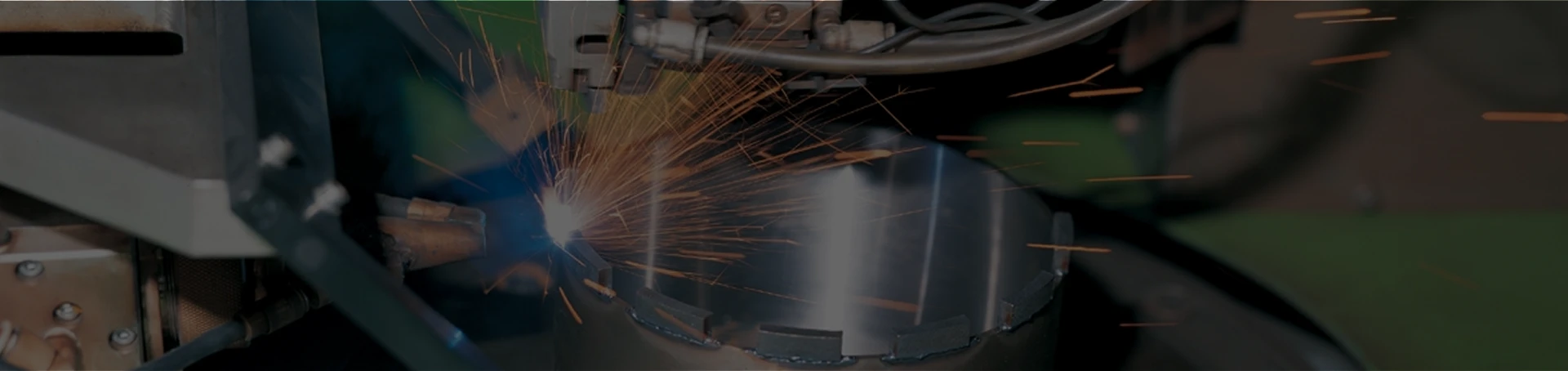
The Ultimate Guide to the 9 Porcelain Blade: Precision Cutting for Porcelain Tiles
Understanding the 9 Porcelain Blade: Why It Matters in Today's Industry
When it comes to precision cutting—especially on delicate, brittle materials like porcelain—choosing the right tool is everything. The 9 porcelain blade represents a specific size and type of diamond-tipped blade favored in tile industries and crafts globally. Beyond just a tool, it's a convergence of materials science, engineering, and application design focused on cutting without compromising the material’s integrity. Why should anyone beyond tile manufacturers care? Because methods and tools that ensure clean, safe, and efficient cutting have a ripple effect on construction safety, costs, and the environment around us.
Understanding this blade's design, benefits, and variants opens doors to smarter industrial choices and even better sustainability footprints in manufacturing and building processes.
Global Context: The Industrial and Economic Importance of the 9 Porcelain Blade
The global ceramics and tile market size was projected to surpass $90 billion in recent years (according to industry reports), with a compound annual growth rate that hints at increased demand for precise cutting solutions. Porcelain tiles alone account for a massive share of that market due to their popularity for flooring and wall decor worldwide, especially in Asia, Europe, and North America.
There’s a widespread challenge: porcelain is remarkably hard and brittle, so an inappropriate blade can cause chipping or cracking—leading to costly material waste. Here’s where the 9 porcelain blade shines. Its specific diameter (roughly 9 inches) perfectly balances maneuverability with cutting depth, making it a global favorite for both industrial users and DIY professionals.
In certain regions, like earthquake-prone areas (Japan, California), accurate porcelain cutting is critical—not just aesthetic but structural safety. You don’t want a cracked tile undermining moisture barriers or safety tiling.
Mini takeaway:
- Porcelain tile cutting is a high-stakes game globally due to material brittleness.
- The 9 porcelain blade helps reduce waste while improving precision and efficiency.
What Exactly Is a 9 Porcelain Blade?
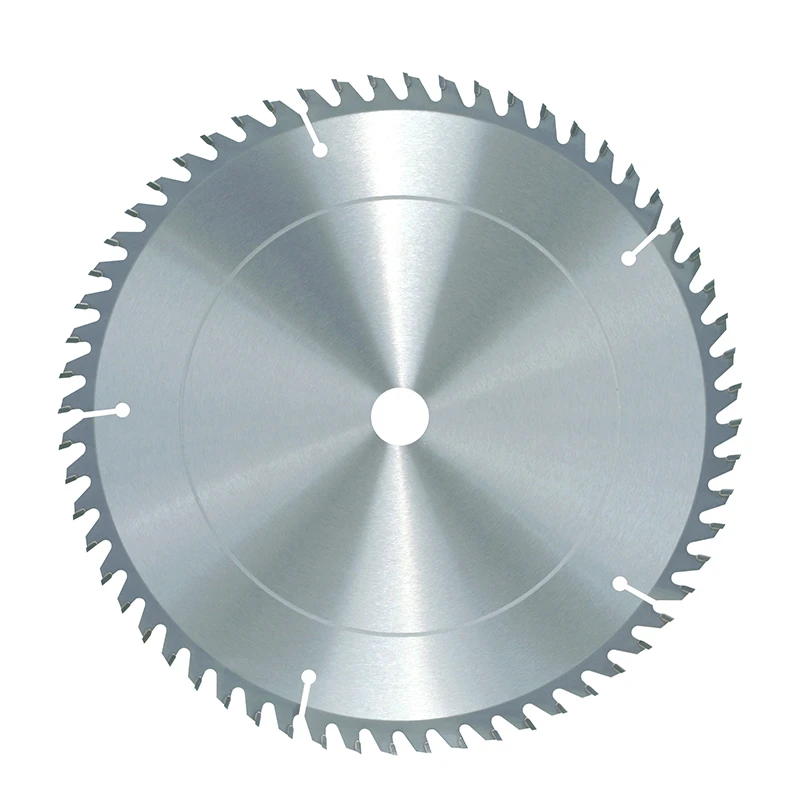
Simply put, the 9 porcelain blade is a diamond-tipped circular saw blade approximately 9 inches in diameter, built specifically for cutting porcelain and other dense ceramics. Unlike general-purpose blades, these blades have a finer diamond grit and a unique bonding material ensuring clean cuts and minimal microfractures.
It connects closely to modern tile manufacturing, where factory-floor automation and field installations demand predictable performance and minimal errors. On a more humanitarian level, think of rapid-build housing projects or disaster relief shelter setups using porcelain-based materials — a reliable blade means faster deployment with less material waste, keeping projects lean and sustainable.
Key Features of the 9 Porcelain Blade
1. Durability & Blade Composition
These blades often use high-grade synthetic diamonds embedded in a metal matrix. The 9-inch size balances cutting depth with minimal vibration, meaning longer life and safer operation. Lots of manufacturers experiment with bond hardness — too soft, and the diamonds dislodge early; too hard, and it won’t cut efficiently.
2. Cutting Precision & Clean Edges
One of the main draws is how the blade's finely distributed diamonds reduce chipping. This is huge! You wouldn’t want to redo an entire batch because your blade chip-ravaged the tiles.
3. Heat Dissipation & Reduced Wear
Porcelain is notorious for heat build-up while cutting. The 9 porcelain blade often features segmented rims or laser-cut expansion slots, designed for cooling and gentle flexibility. The result? Prolonged usability and no warping.
4. Compatibility & Tool Integration
Typically designed to fit standard tile saws or angle grinders, these blades allow both contractors and artisanal users to swap easily without needing heavy machinery or specialized fittings.
5. Cost-Effectiveness
Though pricier than generic blades, the 9 porcelain blade slows down the need for frequent replacement and reduces material wastage—ultimately saving money in the long run.
Mini takeaway:
- Durability and clean cutting prevent wasted tiles.
- Smart design combats heat and blade wear.
Product Specification Table: Typical 9 Porcelain Blade
| Feature | Specification |
|---|---|
| Diameter | 230 mm (9 inches) |
| Arbor Size | 22.23 mm (7/8 inch) |
| Segment Height | 10 mm |
| Diamond Grit | Fine (80-120 mesh) |
| Max RPM | 6,600 |
| Blade Type | Segmented rim with laser cut slots |
Global Applications & Examples
From luxury hotel installations in Dubai to residential buildings in Spain and Japan, the 9 porcelain blade has found favor almost everywhere precise ceramic cutting is indispensable.
In post-disaster scenarios—for example, after the 2011 Japan earthquake—rapid reconstruction efforts relied heavily on reliable cutting tools for porcelain and ceramic materials. A clean cut means faster assembly and fewer worries about structural integrity. Oddly enough, even smaller-scale artisan communities have seen huge benefits by adopting these blades, enabling them to maintain traditional tile crafts with modern precision.
Regions with booming construction industries—like China and the Middle East—push demand for these blades, creating a feedback loop where manufacturers innovate faster and supply better, longer-lasting blades.
Vendor Comparison: How Top 9 Porcelain Blade Brands Stack Up
| Brand | Price Range (USD) | Durability (Hours) | Cut Quality | Ideal Use |
|---|---|---|---|---|
| DiamondTech Pro | $45–60 | 40+ | Excellent (Low chipping) | Industrial & crafts |
| UltraSlice Ceramic | $30–50 | 30-35 | Very good | DIY & light commercial |
| PorcelainMax Blade | $55–70 | 50+ | Highest precision | Professional contractors |
Advantages and Long-Term Value of Using 9 Porcelain Blades
From a cost perspective, it might feel like a hefty upfront investment—but I noticed that teams using these blades report far less tile breakage, which means fewer trips back to reorder supplies and less down time. Emotionally, it’s a relief to know your tools won’t ruin a costly project halfway through.
The sustainability angle is compelling too: precision cuts minimize waste — good for budgets and the environment alike. Plus, reliable tools like this foster trust between contractors and clients, building safer, better-looking installations that stand the test of time.
Future Trends & Innovations
As green building and sustainability take front stage worldwide, manufacturers of 9 porcelain blades are experimenting with eco-friendly bonding agents and diamond recycling programs. The rise of smart tools—equipped with sensors to monitor wear and heat—is also looming, allowing predictive maintenance and better blade lifetime management.
We might soon see digital integrations where the blade “communicates” with saws to adjust speeds in real-time for optimal cutting efficiency. Coupled with AI-driven material recognition, the future feels both high-tech and hands-on—a perfect blend for hardcore porcelain craftspeople.
Challenges & How to Address Them
One big issue is that not all 9 porcelain blades are created equal, leading to disparities in performance. Incorrect blade choice or ignoring recommended RPMs can harm both user safety and material quality. But there are solutions: better industry standards (like ISO certification for specialized blades) and increased user training are helping bridge this gap.
Moreover, ongoing R&D into blade materials promises faster cutting without overheating—helpful in tropical or industrial zones where conditions are tough.
FAQ: Frequently Asked Questions About 9 Porcelain Blade
- Q: What makes a 9 porcelain blade better than other diamond blades for tile cutting?
- A: Its size and design balance depth and precision specifically for porcelain’s hardness and brittleness, reducing chipping and material waste compared to general-use blades.
- Q: How do I choose the right saw to fit a 9 inch porcelain blade?
- A: Ensure your saw supports a 230 mm blade diameter and a 22.23 mm arbor size, which is standard for most 9 porcelain blades. Also check max RPM compatibility for safety.
- Q: Can I use water with a 9 porcelain blade for cooling?
- A: Yes, wet cutting is often recommended to reduce heat and dust, extending blade life and ensuring cleaner cuts on porcelain tiles.
- Q: How long can a typical 9 porcelain blade last under regular use?
- A: Depending on the brand and job intensity, durability ranges from 30 to 50 hours of cutting, but proper technique and cooling can extend this.
- Q: Are these blades eco-friendly?
- A: Modern blades increasingly include recycled diamond materials and eco-conscious bonding agents; though not perfect, progress is solid in reducing manufacturing waste.
In Conclusion
It’s clear the 9 porcelain blade is more than just a tool—it’s a well-honed solution born of specific industrial demands and ever-evolving innovation. For anyone working with porcelain, whether slab to tile or artisans crafting intricate designs, understanding these blades is a game changer in efficiency, cost savings, and quality.
Curious to see how a top-tier 9 porcelain blade can elevate your workflow? Head over to 9 porcelain blade to explore options, specs, and expert advice.
References
Related Products
Related Products





Address
No.30 Gaoying Road ,Chang'an District,Shijiazhuang,Hebei Province
Business Hours
Mon to Saturday : 8.00 am - 7.00 pm
Sunday & Holidays : Closed
.png )