
Top Marble Cutting Blade Suppliers | Precision & Durability for Stone Projects
Understanding Marble Cutting Blade Suppliers: Why They Matter Globally
Marble has long been treasured for its beauty and durability, gracing everything from monumental architecture to everyday countertops. Naturally, the tools that enable precision and efficiency in marble processing—especially marble cutting blades—play a crucial role in industries worldwide. Whether you're a construction professional, a stone artisan, or a supplier, understanding the nuances of marble cutting blade suppliers unlocks insights that ripple through economies and supply chains globally.
In short, reliable marble cutting blades ensure projects stay on schedule, budgets don’t skyrocket, and workers’ safety isn’t compromised. And, thankfully, this expertise converges now more than ever, as global demand for natural stone surges, pushing cutting technology forward.
The Global Context: Why Marble Cutting Blade Suppliers Are More Relevant Than Ever
Did you know the global stone industry is expected to surpass $30 billion by 2025? According to the United Nations Industrial Development Organization (UNIDO), natural stone processing employs millions worldwide and significantly supports developing economies. Marble cutting blade suppliers form the backbone of this bustling sector.
Yet challenges persist—such as inconsistencies in blade quality, supply chain disruptions during geopolitical tensions, and environmental concerns tied to manufacturing. These issues underline why sourcing from reputable marble cutting blade suppliers is not just a business choice but a strategic necessity.
Many manufacturers are also grappling with integrating sustainability without losing the efficiency or durability their customers require. This balancing act echoes across industries—not just marble cutting—prompting innovation on both ends.
Mini Takeaway:
- The marble cutting industry is growing globally, creating demand for trusted suppliers.
- Challenges in quality and supply chain require careful supplier vetting.
- Sustainability concerns are shaping supplier practices.
What Exactly Are Marble Cutting Blade Suppliers?
Simply put, marble cutting blade suppliers are companies that manufacture and provide specialized cutting blades designed specifically for working with marble and other natural stones. These blades usually incorporate diamond grit or other super-hard materials to slice through dense stone without cracking, chipping, or overheating.
Beyond manufacturing, these suppliers often offer technical support, blade customization, and logistic solutions. They’re integral to modern construction, design, and restoration projects because precise cutting blades reduce waste and improve output quality dramatically.
On a broader scale, these suppliers support humanitarian needs too. For example, in rebuilding disaster-struck regions, precise cutting blades enable efficient restoration of culturally significant marble monuments or infrastructure — preserving heritage while speeding recovery.
Mini Takeaway:
- Marble cutting blade suppliers provide essential tools with diamond-tipped technology.
- They contribute beyond industry, sometimes aiding cultural restoration and humanitarian projects.
Core Aspects of Marble Cutting Blades
1. Durability
Durability ranks top among key features. Tough materials and bonding agents ensure blades withstand intense friction and prolonged use without degradation. High-quality suppliers focus heavily on enhancing lifespan.
2. Precision Cutting
Cutting marble isn’t just brute force; it’s finesse. Blades from top suppliers offer fine tolerances and smooth finishes that reduce post-cutting refinishing. This precision reduces material wastage, which is particularly important given marble’s cost.
3. Versatility
Different projects need varied blades—wet cutting, dry cutting, different diameters, or blade thicknesses. Versatile suppliers offer extensive catalogs, enabling users to select blades optimized for specific applications.
4. Cost Efficiency
It might feel obvious but isn’t straightforward—cost here balances upfront price against blade longevity and cutting quality. The best suppliers provide blades that save money long term through fewer replacements and faster job completion.
5. Safety Features
Sharp, durable blades reduce vibration and blade breakage risks, protecting operators on the job site. Many suppliers now include features designed to minimize hazards during transport and use.
6. Environmental Considerations
Some leaders in the market adopt greener manufacturing processes or use recyclable packaging. Choosing such suppliers aligns with growing corporate social responsibility goals.
Mini Takeaway:
- Durability, precision, and versatility are must-haves in quality blades.
- Cost efficiency and safety bring practical benefits on site.
- Environmental responsibility is becoming a competitive edge.
Real-World Applications Across the Globe
From the marble quarries of Italy to sprawling construction sites in the UAE, marble cutting blade suppliers fuel countless projects. In traditional stonecraft hubs like Carrara, precision blades enable artisans to create intricate sculptures and elegant facades. Meanwhile, in rapidly urbanizing regions like Southeast Asia, robust cutting blades streamline mass installation of marble tiles, accelerating infrastructure development.
In post-disaster areas—take Nepal’s earthquake recovery—sharp, reliable blades helped preserve religious monuments and rebuild homes faster, maintaining both safety and cultural dignity. Industrial zones in Africa also rely increasingly on advanced blades to modernize building techniques sustainably, supporting emerging economies.
Mini Takeaway:
- Marble cutting blades are essential worldwide—from artisan workshops to large-scale construction.
- The blades directly impact recovery efforts, heritage preservation, and modernization.
Advantages and Long-Term Value of Quality Marble Cutting Blades
Replacing blades less often, reducing labor hours, and minimizing material losses can dramatically cut project costs, a benefit echoed by professionals everywhere. Beyond pure economics, quality blades foster safer workplaces, reducing accidents linked to blade failure or inaccuracies.
And there’s a subtle but important social advantage: smoother projects reduce delays and stress, empowering workers and building trust with clients. That combination—economic and human—adds up to innovation that's more than just tech: it’s better industries and dignified craftsmanship.
Innovations Shaping the Future of Marble Cutting Blade Suppliers
The future is exciting. Emerging materials like ultra-fine synthetic diamonds are improving cut sharpness and durability. Digital tools enable suppliers to customize blades precisely to client specs before shipment.
We’re also seeing automation creep in; robotic cutting with optimized blades reduces human error. Green manufacturing processes are cutting carbon footprints — leading suppliers embrace non-toxic bonding agents and energy-efficient production lines. It feels like the industry is on the cusp of a design renaissance.
Common Challenges and How the Industry is Overcoming Them
Despite progress, issues remain. Supply chain bottlenecks during global crises can delay deliveries, frustrating projects. Price volatility of raw materials affects affordability.
Expert suppliers mitigate these by diversifying sourcing, improving logistics, and offering aftermarket support like blade re-sharpening. Industry groups and standards bodies (like ISO) are also pushing for harmonized quality metrics to reduce marketplace confusion.
Practical FAQ About Marble Cutting Blade Suppliers
- Q1: How do I choose the right marble cutting blade for my project?
- A: Consider the type of marble, cutting environment (wet/dry), and machine compatibility. Consult suppliers who offer technical guidance and can customize blades if needed.
- Q2: Can I use the same blade for different types of natural stone?
- A: Some blades are versatile but usually, blades optimized for marble differ from those for granite or limestone. Using the correct blade ensures safety and better finish.
- Q3: How long does a typical diamond marble cutting blade last?
- A: Lifespan varies widely based on use, quality, and maintenance. High-end blades often last several hundred meters of cut under proper conditions.
- Q4: Are eco-friendly cutting blades genuinely more expensive?
- A: Slightly, in upfront cost. However, their long lifespan and green credentials often justify the price, especially for companies with sustainability goals.
- Q5: How can buyers ensure reliable international shipment?
- A: Partner with suppliers experienced in global logistics and customs, preferably those providing tracking and documentation support.
Specification Comparison: Typical Marble Cutting Blade
| Feature | Value | Notes |
|---|---|---|
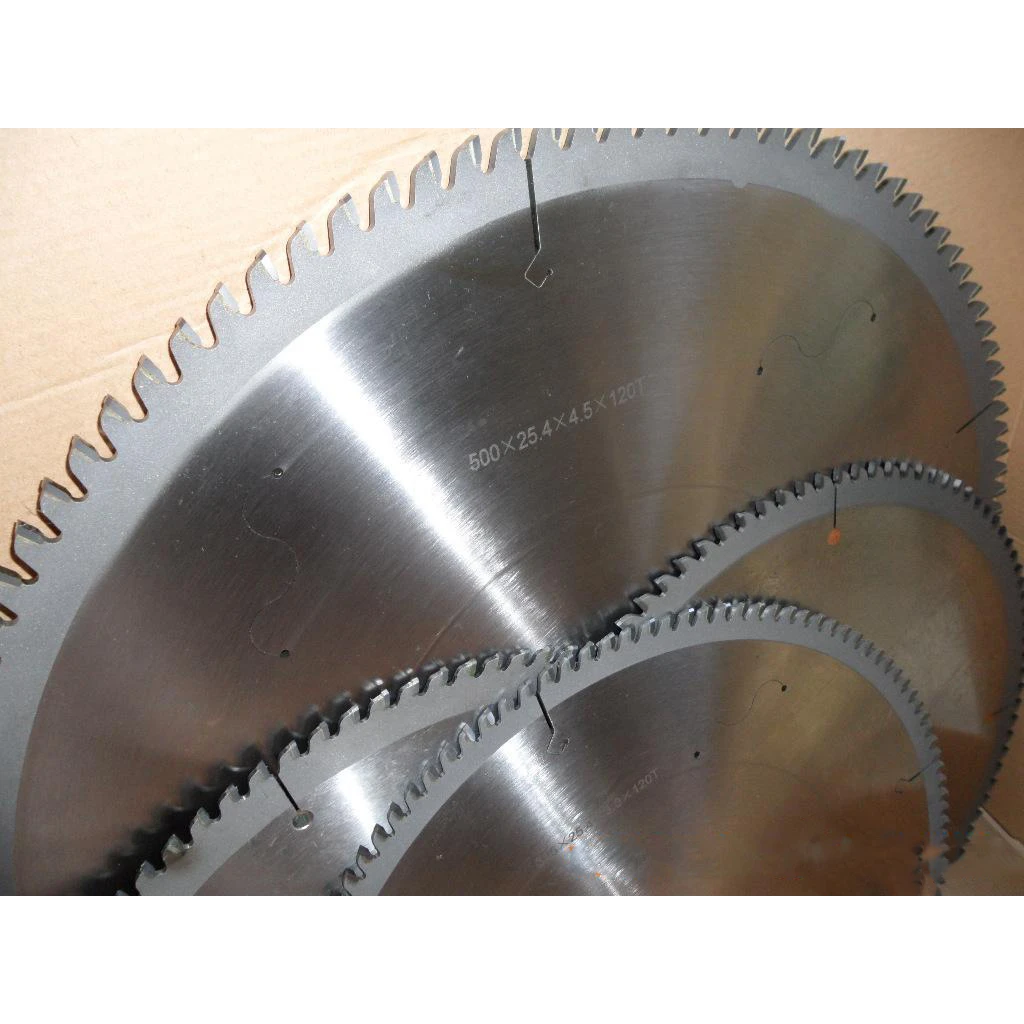
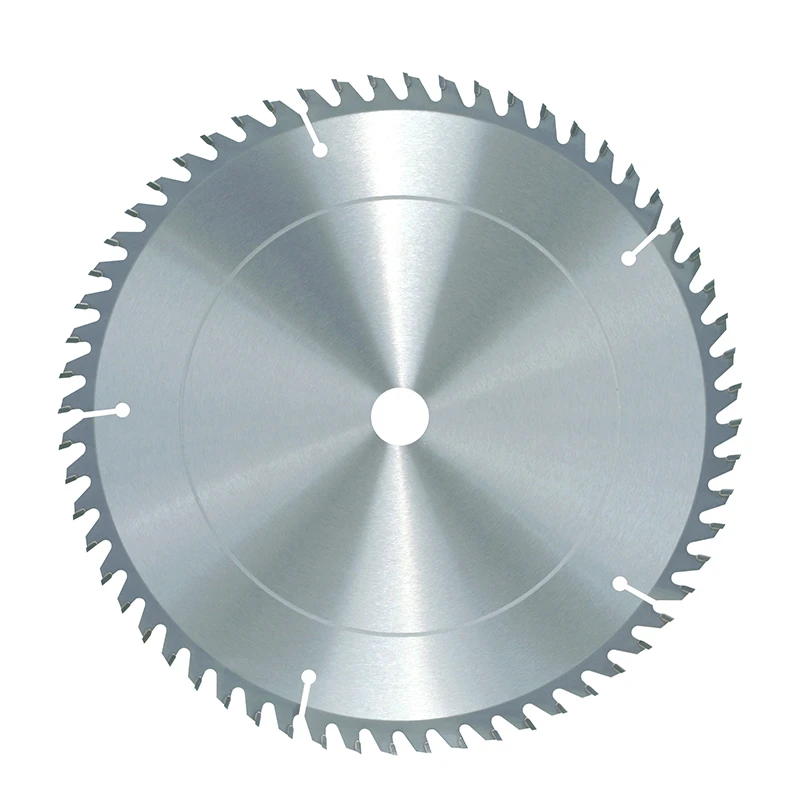
| Blade Diameter | 350 - 500 mm | Common industrial sizes |
| Diamond Grit Size | 40/50 - 80/100 mesh | Fine for smooth cuts |
| Bonding Type | Resin or Metal Bond | Metal better for hard stone |
| Max RPM | 4200 - 5500 | Match to grinder specifications |
| Cutting Type | Wet or Dry | Wet recommended to reduce dust |
Vendor Comparison: Leading Marble Cutting Blade Suppliers
| Vendor | Product Range | Customization | Sustainability | Global Reach |
|---|---|---|---|---|
| Alpha Blades | Wide (standard and specialty) | Yes, technical team support | ISO 14001 certified | Europe, Asia, Americas |
| StoneCraft Suppliers | Focus on industrial size blades | Limited customization | Eco-friendly bonding agents | Asia, Middle East |
| DiamondEdge Co. | Premium range, custom solutions | Full customization available | Focus on renewable energy use | Global (including Africa) |
Wrapping It Up: Why Investing in Reliable Marble Cutting Blade Suppliers Pays Off
It may feel like just another tool, but in real terms, a quality marble cutting blade profoundly influences project quality, cost, and timeline. Trustworthy suppliers don’t just sell blades; they provide peace of mind—ensuring every slab counts, every cut is clean, and every project honors time and budget.
If you want to learn more or source ultra-reliable blades customized for your needs, I’d recommend checking out marble cutting blade suppliers who combine innovation with time-tested expertise. After all, it’s the small edge that makes a huge difference.
References
Related Products
Related Products





Address
No.30 Gaoying Road ,Chang'an District,Shijiazhuang,Hebei Province
Business Hours
Mon to Saturday : 8.00 am - 7.00 pm
Sunday & Holidays : Closed
.png )