What Is a Diamond Cutting Disc Used For? Global Applications and Benefits
What Is a Diamond Cutting Disc Used For? A Practical Overview
At first glance, the phrase “what is a diamond cutting disc used for” might sound like industry jargon – I know, because I thought that too. But it turns out these discs play an outsized role globally, quietly powering some of the most crucial cutting and grinding tasks across industries. From construction sites in sprawling metropolises to remote mining operations, understanding their usage can actually shed light on how we build and sustain our modern world.
Diamond cutting discs hold a unique position in the toolkit of professionals who rely on precision, durability, and speed. By cutting through tough materials that would otherwise take hours or cause costly delays, they optimize workflows, improve safety, and reduce waste. In real terms, this means structures get standing faster, and repairs can happen with minimal disruption.
Mini takeaway: Diamond cutting discs aren’t just tools; they’re silent enablers in industries worldwide, enabling swift, reliable construction and maintenance.
Global Context: Why Diamond Cutting Discs Matter More Than You Think
To grasp what is a diamond cutting disc used for at a macro level, consider the fact that the global construction market is projected to exceed $15 trillion by 2025 (source: Global Construction Perspectives and Oxford Economics). The efficiency of cutting tools directly translates into billions saved annually, not just in cost but also in environmental footprint.
More than that, these discs address critical challenges such as urbanization-demanded speed and the increasing complexity of materials like concrete composites and reinforced steel. Without reliable cutting discs, builders and fabricators waste time and resources on slower alternative methods or risk worker safety.
Mini takeaway: Diamond cutting discs support an entire global ecosystem by making construction and heavy fabrication safer, faster, and more sustainable.
Definition & Meaning: What Exactly Is a Diamond Cutting Disc?
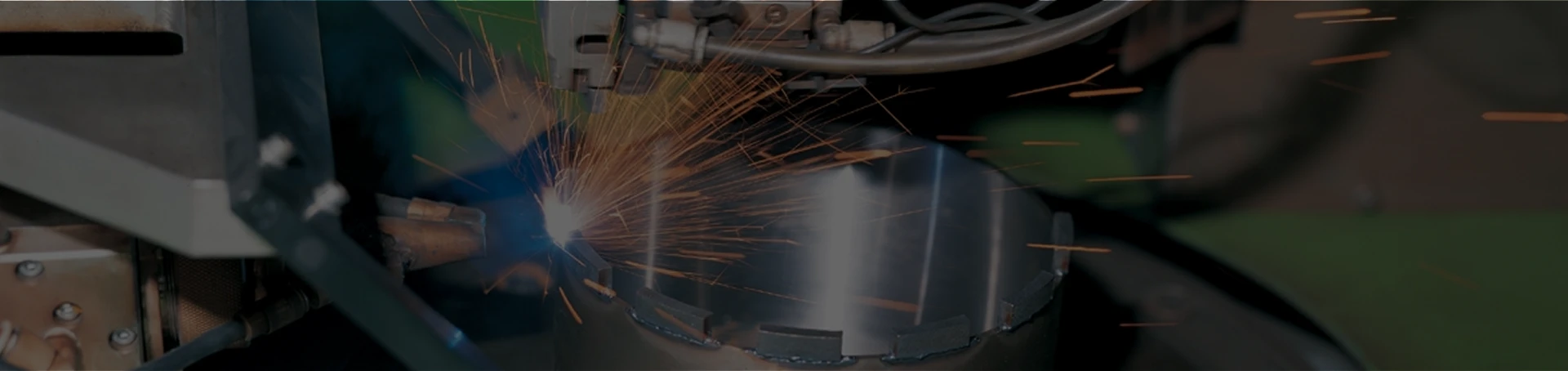
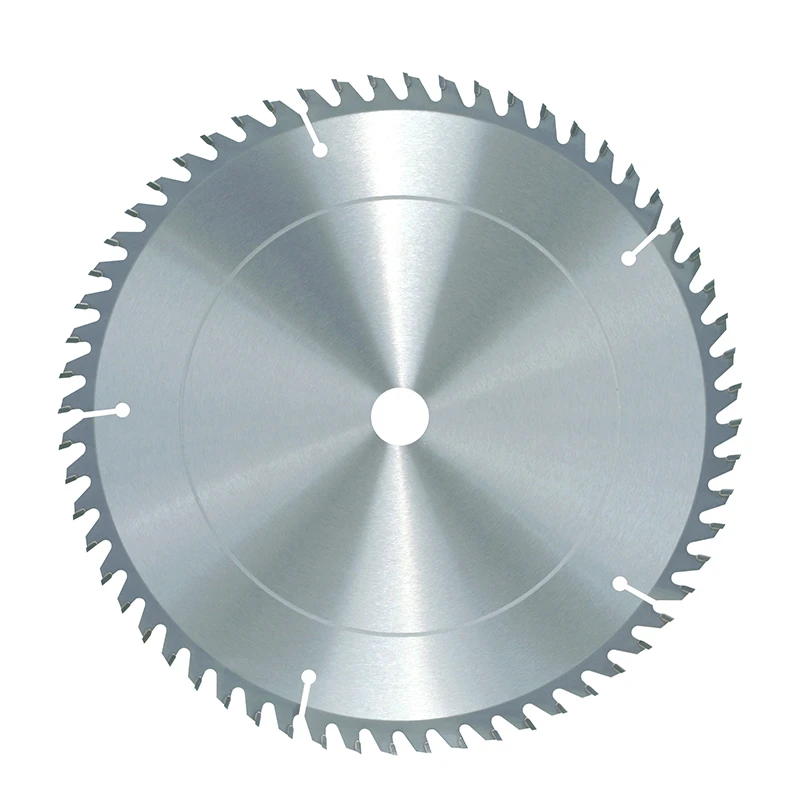
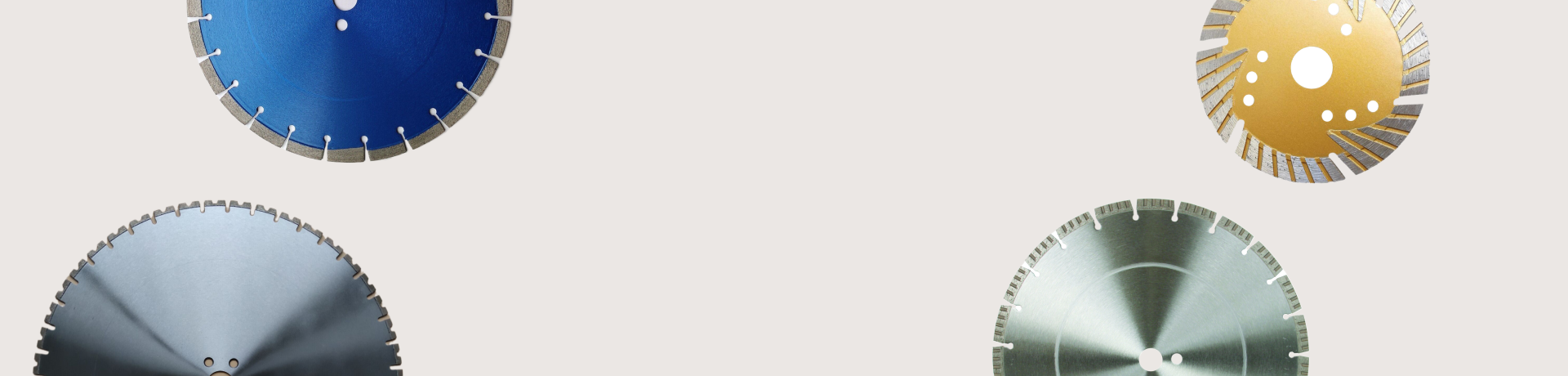
Put simply, a diamond cutting disc is a circular blade with an outer edge embedded with synthetic diamond grit. This arrangement lets it cut through super-hard materials — concrete, stone, ceramics, glass, and metals — with unparalleled precision and speed. Unlike traditional steel blades, the diamonds act as tiny saw teeth that shear through sheer hardness.
In industry, these discs are essential for fabrication, demolition, and restoration projects. And on a humanitarian level, they help rebuild infrastructure rapidly in disaster zones, restoring access to safe housing and essential services. Sort of a small but mighty contributor to resilience.
Key Aspects to Consider for Diamond Cutting Discs
1. Durability
The lifespan of a diamond blade depends on factors such as bonding agents, diamond quality, and intended use. Many engineers note that with the right choice, a disc can last ten times longer than general-purpose blades — which is crucial when minimizing downtime on tight schedules.
2. Cutting Precision
Beyond toughness, these discs must provide clean cuts without excessive chipping or vibration. The diamond layout and segment design are carefully engineered for balance and smooth slicing.
3. Material Compatibility
Some discs specialize in specific materials — masonry, asphalt, metal, or tile. Selecting the right type ensures efficiency; oddly enough, a “one-size-fits-all” disc usually underperforms.
4. Speed & Efficiency
Diamond discs operate at high rotational speeds, enabling fast penetration that saves valuable time, especially on large projects. But safety standards require careful calibration to prevent overheating or accidents.
5. Cost Efficiency
While diamond cutting discs cost more upfront than generic blades, their longer life and better performance reduce total ownership costs significantly.
Product Specification Table
| Specification | Value/Range |
|---|---|
| Diameter | 4” to 14” (100-350 mm) |
| Segment Height | 5 to 12 mm |
| Max RPM | 6,600 to 15,300 |
| Bonding Type | Sintered or Brazed |
| Recommended Materials | Concrete, Granite, Asphalt, Ceramics |
| Typical Lifespan | 50-200 linear meters of cut |
Global Applications & Use Cases
Looking beyond the specs, how do diamond cutting discs make a difference worldwide? Industries vary, but the trends are consistent:
- Construction & Infrastructure: Urban centers across Asia and Europe use diamond discs for complex projects requiring fast tile cutting, road pavement slicing, or metal reinforcement shaping.
- Mining & Quarrying: In Australia and South Africa, durable diamond blades enable extraction and size reduction of raw stone efficiently.
- Post-Disaster Relief: NGOs and response teams in earthquake-prone regions rely on them to clear debris safely and prepare materials for emergency shelters.
- Manufacturing: Automotive and aerospace sectors use precision diamond discs for molding composite parts.
Mini takeaway: From skyscrapers to shelters, diamond cutting discs are indispensable tools in diverse settings worldwide.
Advantages & Long-Term Value
I often hear from site managers who swear by their diamond discs’ reliability. Some standout benefits include:
- Cost savings: Fewer blade changes and less downtime equals tangible money saved.
- Environmental sustainability: Reduced waste through precision cutting and longer lifespan contributes to greener construction processes.
- Safety: Smoother cuts reduce flying debris and accidents.
- Innovation: Toshiba and Bosch are pushing towards intelligent diamond blades connected to digital monitoring.
Emotionally, workers feel better using tools that last, knowing every cut is cleaner and safer — which builds trust on site and lessens fatigue.
Future Trends & Innovations
Frankly, the world of diamond cutting discs is evolving alongside sustainability and smart tech movements. Expect to see:
- Eco-friendly materials: Fusing recycled diamond grit or alternative bonding agents reduces environmental footprint.
- Smart blades: Embedded sensors to predict wear, temperature, and optimize blade replacement schedules.
- Automation compatibility: Integration with robotic cutting arms in factories and construction.
- Stricter regulations: ISO standards updates to ensure user safety and environmental compliance.
Challenges & Expert Solutions
That said, diamond cutting discs face hurdles too:
- High initial cost: Not all smaller firms can justify the upfront spend, though leasing models are emerging.
- Material mismatch: Using a disc mismatched to the substrate wipes out any efficiency gains.
- Wear monitoring: Without proper tools, predicting blade life can feel like guesswork.
Industry experts recommend ongoing training, adopting blade management software, and partnering with trusted suppliers to overcome these.
Vendor Comparison Table
| Vendor | Product Range | Average Price (USD) | Warranty | Global Reach |
|---|---|---|---|---|
| DiamondPro | 4” – 14” Industrial & Repair | $70 - $250 | 2 years | North America, EU, Asia |
| CutMaster Co. | Specialty & Custom Blades | $85 - $300 | 3 years | Global |
| BladeWorks | Standard, Eco & Precision | $60 - $200 | 1 year | Europe & Americas |
FAQ: Frequently Asked Questions About Diamond Cutting Discs
Q1: How do I choose the right diamond cutting disc for my project?
A: Start by matching the disc’s material compatibility to what you plan to cut — concrete, tile, or metal. Then consider blade size, segment type, and bonding. Professional suppliers and online resources often offer detailed guides that simplify this process.
Q2: How long does a diamond cutting disc last under typical construction use?
A: Lifespan varies widely—from 50 to over 200 meters of cutting—but proper use, such as avoiding overheating and using water for cooling, can extend its life substantially.
Q3: Can I use a diamond cutting disc on metal?
A: Some discs are designed specifically for metals, especially ferrous and non-ferrous types, but general-purpose blades may dull quickly or produce poor results.
Q4: Are diamond cutting discs safe to use for DIY at home?
A: With the right safety gear and careful handling, yes. However, the high speed and abrasive nature require respect and training—don’t underestimate the risks.
Q5: Where can I get authentic diamond cutting discs internationally?
A: Established vendors ship globally, but always verify certifications and comply with import regulations. Checking trusted sources is a good start.
Wrapping Up: The Quiet Workhorse of Industrial Cutting
After wandering through specs, global trends, and practical advice, it’s clear that knowing what is a diamond cutting disc used for isn’t just geek trivia. It’s a key to understanding how modern industries keep pace with innovation, safety, and sustainability. For businesses and craftsmen alike, investing in the right diamond blade means saving time, money, and sometimes even lives.
If you want to dive deeper into the world of diamond cutting solutions, visit our website for expert guides, product demos, and professional advice tailored to your needs.
References & Further Reading
Related Products
Related Products





Address
No.30 Gaoying Road ,Chang'an District,Shijiazhuang,Hebei Province
Business Hours
Mon to Saturday : 8.00 am - 7.00 pm
Sunday & Holidays : Closed
.png )