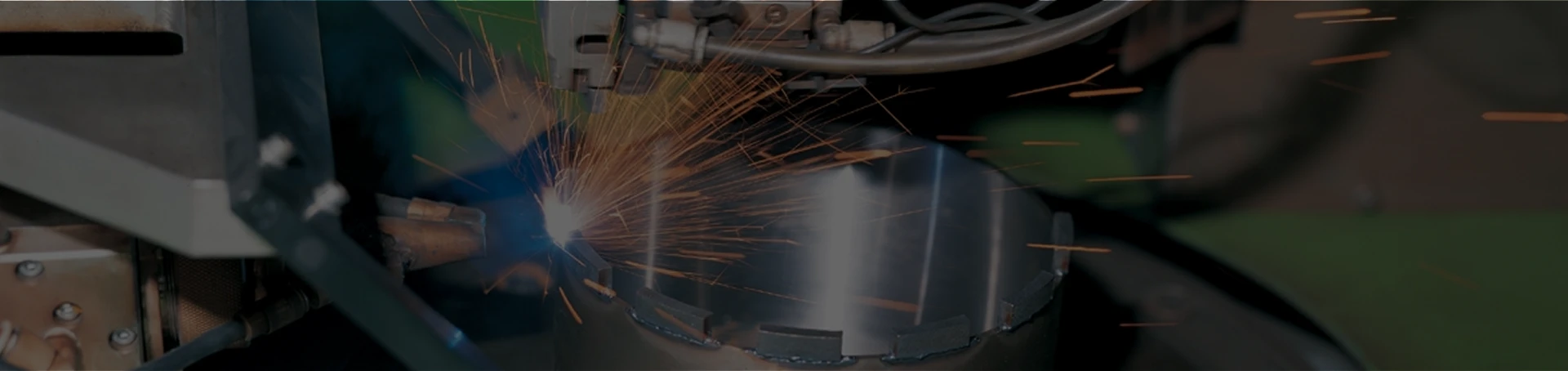
What Is TCT Metal? Exploring Tungsten Carbide Tipped Tools & Their Global Impact
Understanding TCT Metal: The Backbone of Precision in Modern Industry
When you hear “tct metal,” it might sound a little mysterious at first. But in reality, it’s a crucial component behind some of the most precise, durable, and cutting-edge tools used in industries worldwide. TCT stands for Tungsten Carbide Tipped. It’s a type of metal composite used primarily for cutting, drilling, and machining applications. The “tipped” part means there’s a layer of tungsten carbide—one of the hardest materials known—bonded to a metal base. Why does that matter globally? Simply put, tct metal tools enhance efficiency, safety, and sustainability in metalworking, construction, and manufacturing sectors, all of which are vital cogs in our economy’s machinery.
Grasping how tct metal works and its benefits can unlock a clearer understanding of why modern industries rely so heavily on it—and how it shapes innovation worldwide.
Global Relevance and Industry Context
According to the ISO and various manufacturing reports, industries that use tct metal tools represent a significant portion of global GDP—from aerospace to automotive, heavy machinery to precision electronics. Frankly, without reliable cutting tools, production bottlenecks and downtimes would skyrocket, costing billions. For instance, the World Bank notes that improving manufacturing efficiency directly boosts economic resilience in developing countries, where demand for robust and versatile tools continues to rise.
Yet challenges persist. Conventional steel cutting tools wear out quickly under high stress, leading to frequent replacements and wasted resources. TCT metal tools offer a powerful solution by extending tool life and improving cut quality, directly addressing the problem of downtime and waste in fast-paced production environments.
What Is TCT Metal? A Simple Definition
Simply put, tct metal is a composite tool material featuring a tungsten carbide tip (the cutting or drilling edge) fused onto a softer metal shank or base. Tungsten carbide is renowned for its hardness and wear resistance, much higher than common steel. The metal base provides toughness and flexibility, reducing brittleness. Together, they form a hybrid that cuts smoothly through metals, stone, or composite materials with less effort and substantially longer life expectancy compared to traditional tools.
It’s closely tied to modern industry demands: faster production rates, tighter tolerance requirements, and the need for environmental sustainability. You’ll often find tct metal blades or drills in industries ranging from construction to electronics manufacturing, underscoring its versatile importance.
Key Factors of TCT Metal Tools
1. Durability and Hardness
Tungsten carbide’s extreme hardness (Mohs scale ~9) allows tct metal tools to withstand friction, impact, and abrasion incredibly well. This means prolonged sharpness, fewer replacements, and predictable performance even in harsh conditions.
2. Precision
Because the carbide tip retains its sharpness longer, cuts remain clean and accurate over time. For industries needing micrometer-level precision, this is indispensable.
3. Cost Efficiency
While the upfront price may be higher than regular steel tools, tct metal’s lifespan and lower maintenance needs translate to significant long-term savings. Industrial users often praise this balance.
4. Versatility
TCT metal tools work on a wide array of materials—from metals like steel and aluminum to composites and ceramics. This flexibility means fewer specialized tools are needed on-site.
5. Heat Resistance
High cutting speeds generate heat, which can deform or dull steel tools quickly. Tungsten carbide tips resist heat deformation, maintaining performance.
Mini Takeaway:
- TCT metal’s combination of toughness and precision supports high-speed, high-quality manufacturing processes worldwide.
- The upfront cost is offset by durability and performance improvements.
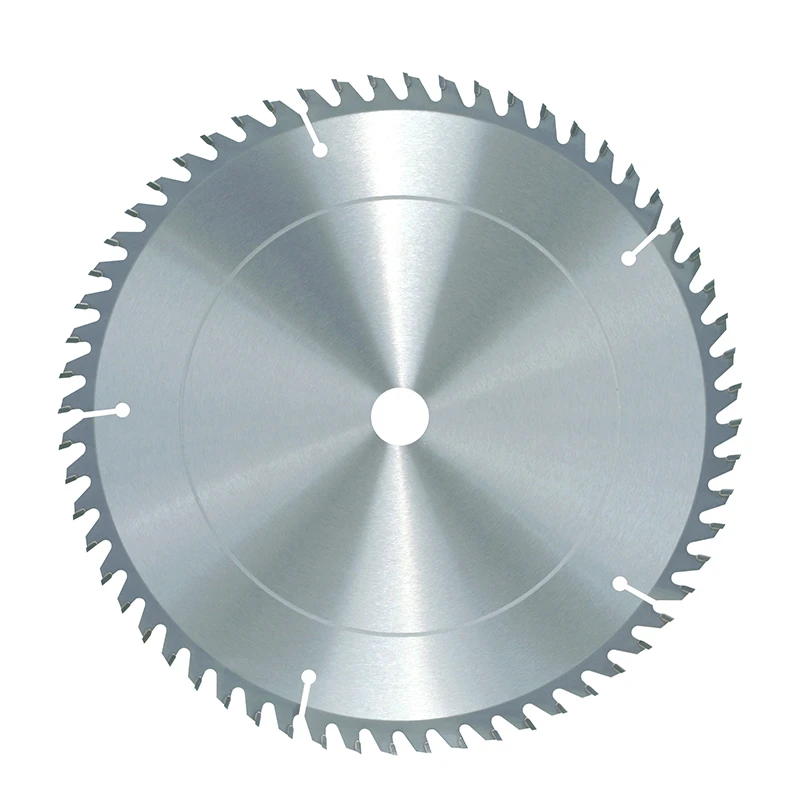
Product Specification Table: Typical TCT Metal Cutting Blades
| Specification | Details |
|---|---|
| Material | Tungsten carbide tip bonded on high-speed steel core |
| Blade Diameter | 100 mm – 400 mm |
| Tip Hardness | 1800-2200 HV |
| Cutting Speed | 30 – 60 m/s (depending on application) |
| Typical Applications | Metal, wood, composites, plastic |
| Service Life | Up to 5x longer than conventional steel blades |
Global Applications & Use Cases
TCT metal tools have woven themselves into a variety of industries worldwide:
- Construction & Demolition: Operators in Europe and North America use tct metal-tipped saw blades to efficiently cut concrete and reinforced steel. The hardness of the tips helps slice through materials that would dull ordinary blades rapidly.
- Automotive Manufacturing: From stamping to bodywork, precision metal cutting relies on tct metal drills and cutters, especially in East Asia's booming automotive hubs.
- Mining & Geological Exploration: Specialized tct metal drill bits endure abrasive rock layers in harsh African and Australian mines.
- Emergency & Relief Uses: In post-disaster reconstruction zones, quick deployment tools incorporating tct metal allow crews to work swiftly and handle materials on the fly.
Oddly enough, small-scale craft industries in Latin America increasingly adopt tct metal tools for artisanal metalwork thanks to their reliability and affordability over time.
Advantages & Long-Term Value
So what’s so great about tct metal beyond just cutting stuff? Its main advantage is the mix of longevity and reliability. This translates economically to less downtime, fewer tool replacements, and better product finishes. But beyond numbers, there’s the human side: workers in factories or construction sites feel safer using tools that don’t dull unpredictably and reduce the need for forceful handling. It adds a layer of dignity and trust in the process.
Environmentally, longer-lasting tools mean fewer discarded blades ending up in landfills. Less scraping of material for repairs reduces energy consumption overall, tying in nicely with sustainability goals endorsed by global organizations like the UN.
Future Trends & Innovations in TCT Metal
The future certainly looks exciting. Advances in nano-coating technology and laser cladding are pushing tct metal tool performance even further, boosting hardness and heat resistance while reducing costs. New composite materials are adding even more resilience without weight penalties. There’s also growing interest in integrating IoT sensors into cutting tools for real-time wear monitoring—imagine a saw blade that tells your system exactly when it needs retipping or replacement!
In sustainability terms, research is underway to recycle tungsten carbide scraps more efficiently, closing the loop for this critical raw material.
Challenges & Solutions
TCT metal isn’t perfect—cost and manufacturing complexity can limit access in some markets. Bonding quality issues can cause premature tip failure if not carefully controlled. Plus, using the wrong cutting speeds or feeds can negate longevity benefits.
However, many engineers stress that proper tooling education is a straightforward fix. Plus, advancements in manufacturing automation and quality control increasingly reduce defect rates. Customization services from vendors now also allow tailoring to exact application needs, mitigating wear issues caused by generic tool use.
Vendor Comparison Table: Leading TCT Metal Blade Suppliers
| Vendor | Product Range | Customization | Global Reach | Warranty/Support |
|---|---|---|---|---|
| DiamondCut Tools | Wide: blades, drills, inserts | Yes, project-based | Worldwide | 3-year limited |
| MegaCut Industrial | Medium: specialty cutting blades | Limited | Asia, Europe | 2-year standard |
| PrimeEdge Co. | Niche: high-precision tools | Custom orders only | Selective markets | Extended 5-year |
FAQ: Frequently Asked Questions About TCT Metal
Q1: What makes tct metal blades better than conventional steel ones?
A: It’s primarily the tungsten carbide tip, which is much harder and wear-resistant. This means longer blade life, cleaner cuts, and less frequent need for sharpening or replacement compared to steel blades, saving time and costs in industrial applications.
Q2: Can tct metal tools be used for cutting non-metal materials?
A: Yes! TCT blades and drills are versatile. They handle wood, composites, plastics, and even some ceramics efficiently, making them a popular choice for multi-material workshops and construction sites.
Q3: How do I choose the right speed for a tct metal cutting tool?
A: Cutting speed depends on the material and tool size, but generally, TCT tools run faster than steel ones thanks to heat resistance. Manufacturers often specify optimal parameters, so it’s best to follow those for safety and performance.
Q4: Are there eco-friendly aspects to using tct metal?
A: Absolutely. Longer tool life means less waste and fewer resources spent manufacturing replacements. Additionally, efforts are underway to recycle tungsten carbide materials, reducing environmental impact.
Q5: How easily can tct metal tools be procured internationally?
A: Many global vendors offer worldwide shipping, especially leaders like DiamondCut Tools. Import regulations vary, but most industrial countries support trade in cutting tools with minimal restrictions, often helped by vendor logistics expertise.
Conclusion
TCT metal has established itself as an indispensable material in tooling—offering an unbeatable mix of durability, precision, and economic value. Whether in factories, construction sites, or research workshops, it’s the quiet hero behind smoother workflows and cutting-edge innovation. If you’re curious to explore more about how tct metal can help your projects or business, head over to tct metal specialists like those at MyDiamondBlade. They’re great for advice, products, and tailored solutions.
Oddly enough, investing in the right cutting tool really does feel like investing in peace of mind.
Related Products
Related Products





Address
No.30 Gaoying Road ,Chang'an District,Shijiazhuang,Hebei Province
Business Hours
Mon to Saturday : 8.00 am - 7.00 pm
Sunday & Holidays : Closed
.png )