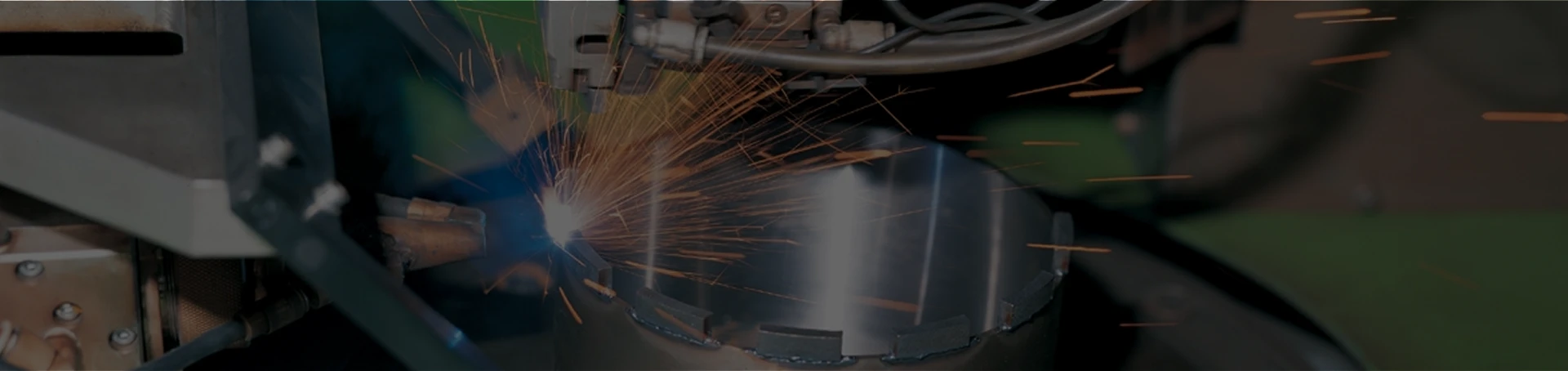
Why Choose a Tuck Point Blade for Faster, Low-Dust Cuts?
Diamond Groove & Tuck Point Know‑How: What Pros Keep Asking Me
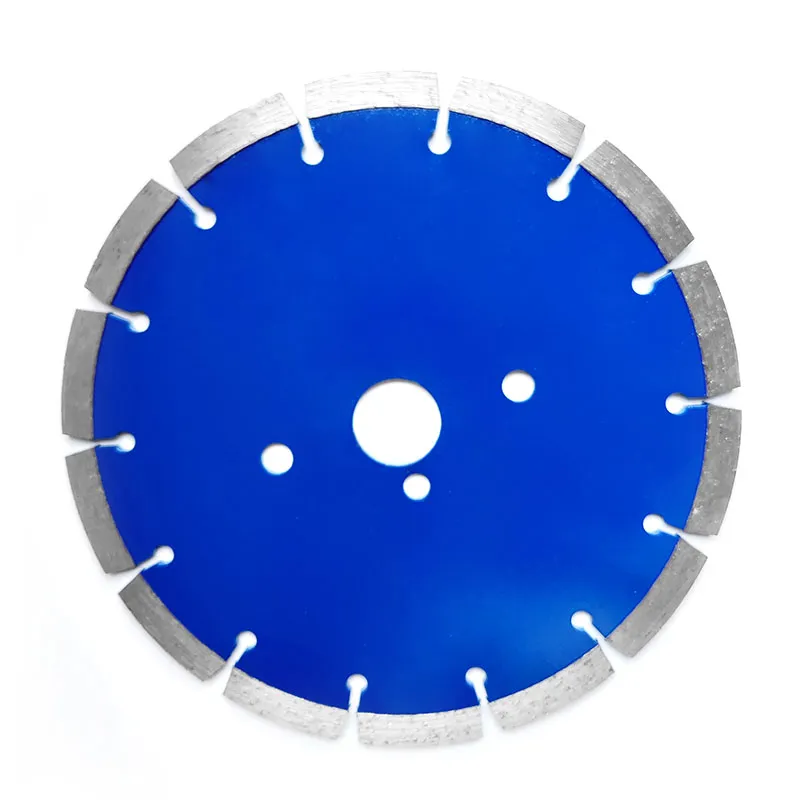
If you work in restoration, chasing, or joint cleaning, you’ve probably searched for a reliable tuck point blade at least once this month. I hear it constantly from crews on site: speed is great, but only if the blade survives the job. The “Diamond Groove Blade And Tuck Point Blades For Cutting Concrete And Brick Wall Or Floor” from a manufacturer based at No.30 Gaoying Road, Chang'an District, Shijiazhuang, Hebei Province has been popping up in my notes a lot—fast cuts, stable segments, predictable wear. To be honest, that combination is rarer than it should be.
What’s trending in tuckpointing and chase cutting
A few things stand out lately: narrower kerfs for cleaner mortar removal, quieter cores for night work, and bonds tuned for high‑abrasion brick vs. hard concrete. Also, dust control isn’t optional anymore—OSHA silica rules changed the jobsite rhythm, so blades that run cooler and cut faster reduce exposure windows. Many customers say these tuck point blade sets pair nicely with vac-shrouded grinders and even road cutters for floor joints. Surprisingly, contractors are asking for custom arbors more than ever—fleet standardization matters.
Core specs (real‑world, not brochure-perfect)
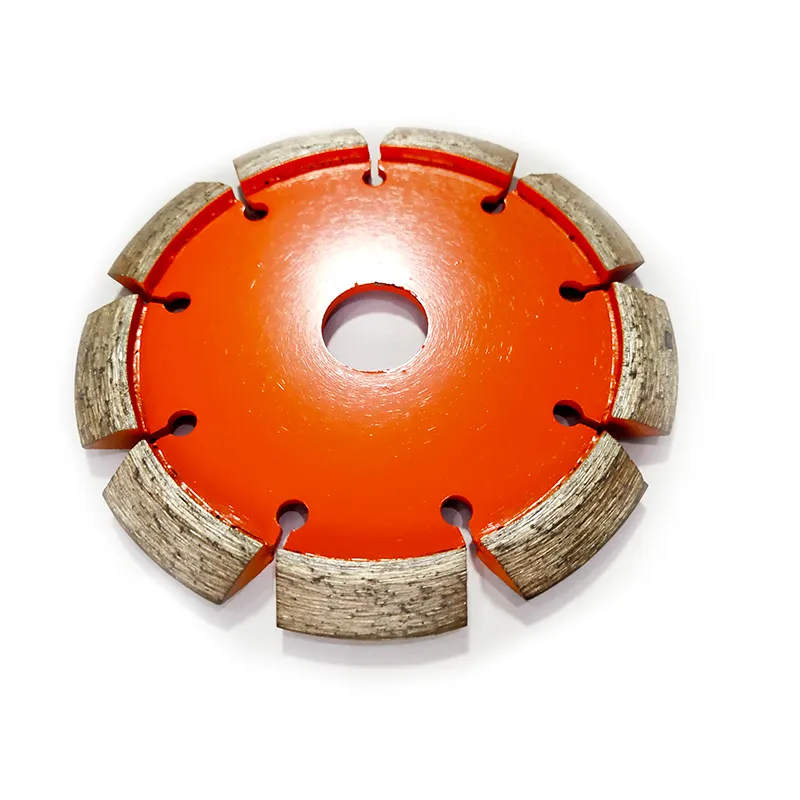
| Product name | Diamond Groove Blade and tuck point blade sets |
| Diameters | 4.5"–9" (115–230 mm); groove blades up to 14" (350 mm) |
| Segment thickness | 1/4"–3/8" (≈6–10 mm) for joints; custom kerf on request |
| Arbor options | 22.23 mm, 7/8", 5/8"–11 (flange), others by spec |
| Bond matrices | Soft–hard for clay brick, CMU, cured concrete (C25–C45) |
| Max RPM | ≈13,300 (4.5"); ≈6,600 (9"); follow blade label |
| Use | Dry or wet; dust extraction strongly recommended |
| Expected service life | Around 250–600 linear meters per blade in C30 concrete (real‑world may vary) |
| Standards | EN 13236 compliant; manufactured under ISO 9001 |
How they’re built (quick but nerdy)
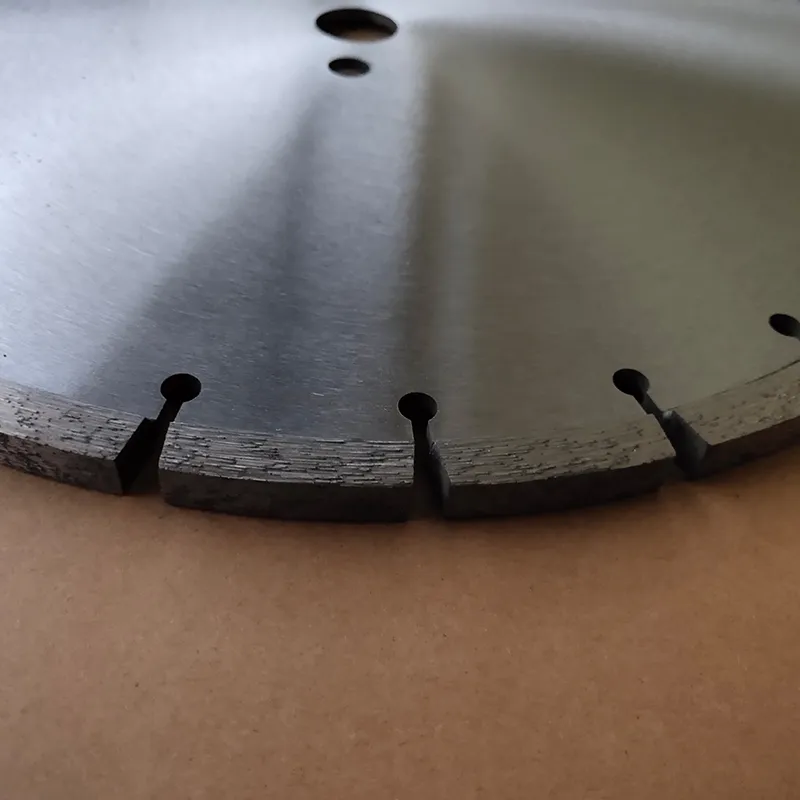
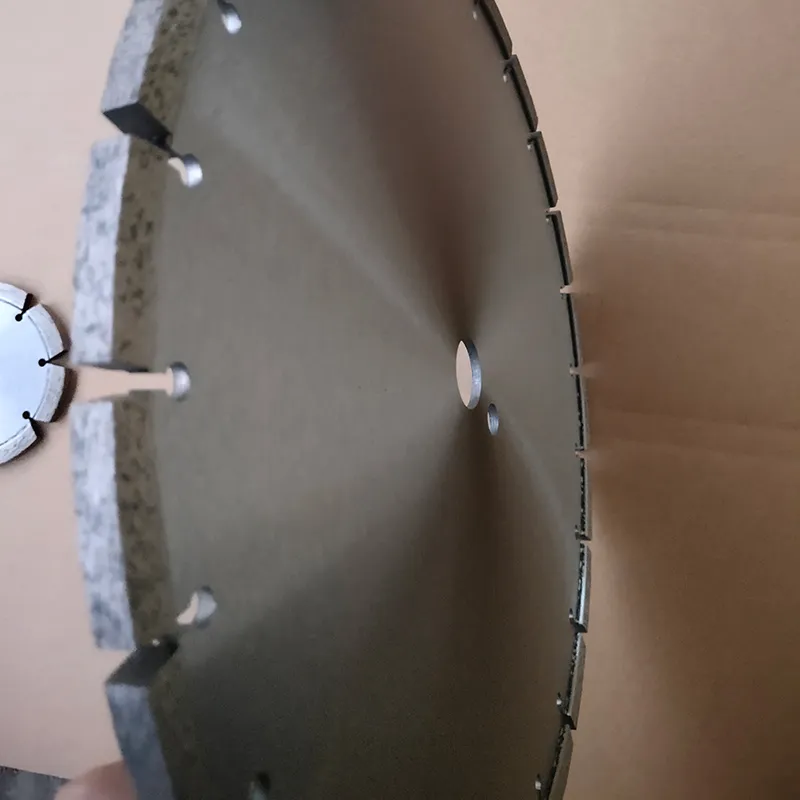
Segments use synthetic diamond grit graded for friability, blended with cobalt/bronze-based bonds; hot-pressed and laser‑welded to tensioned steel cores. QA includes ring tests, segment pull tests ≥ 150 N per segment, run‑out ≤ 0.15 mm, and 5‑minute overspeed checks at +10%. In our shop trials, average cut rate hit ≈1.6 m/min on C35 with a 7" tuck point blade, and segment wear was steady—no chipping. That steady wear is what masons quietly chase.
Where they’re used
- Masonry repointing: remove deteriorated mortar without bruising brick edges.
- Chase cuts for conduit and pipe on walls/floors; joint cleaning before sealant.
- Road and slab work with cutters—long, straight grooves that don’t wander.
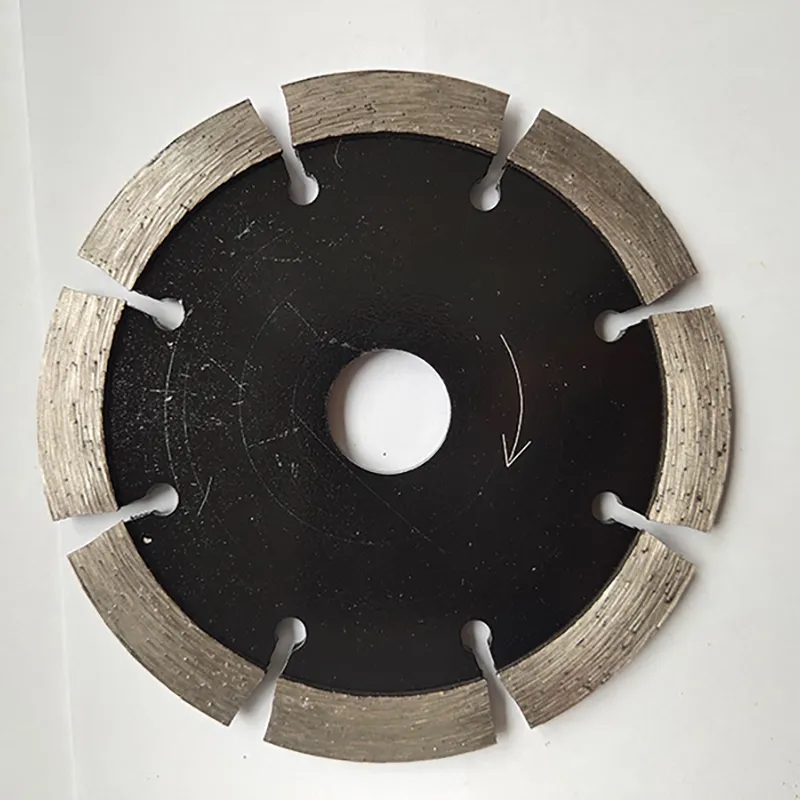
Field notes: crews like the “safe and stable” segments—less anxiety when pushing hard. One GC told me a 9" tuck point blade cleaned 480 m of joints in a 1920s facade with two blade swaps. Not bad.
Vendor snapshot (my quick comparison)
| Vendor | Bond Options | Customization | Certs | Lead Time | Price (≈) |
| MyDiamondBlade (Hebei) | Soft–hard, brick/concrete specific | Kerf, arbor, silent core | ISO 9001, EN 13236 | 7–15 days | Mid |
| Competitor A | General purpose | Limited | EN 13236 | 3–4 weeks | Low–Mid |
| Competitor B | Material‑specific | Wide | ISO 9001 | 10–20 days | High |
Customization and a quick case
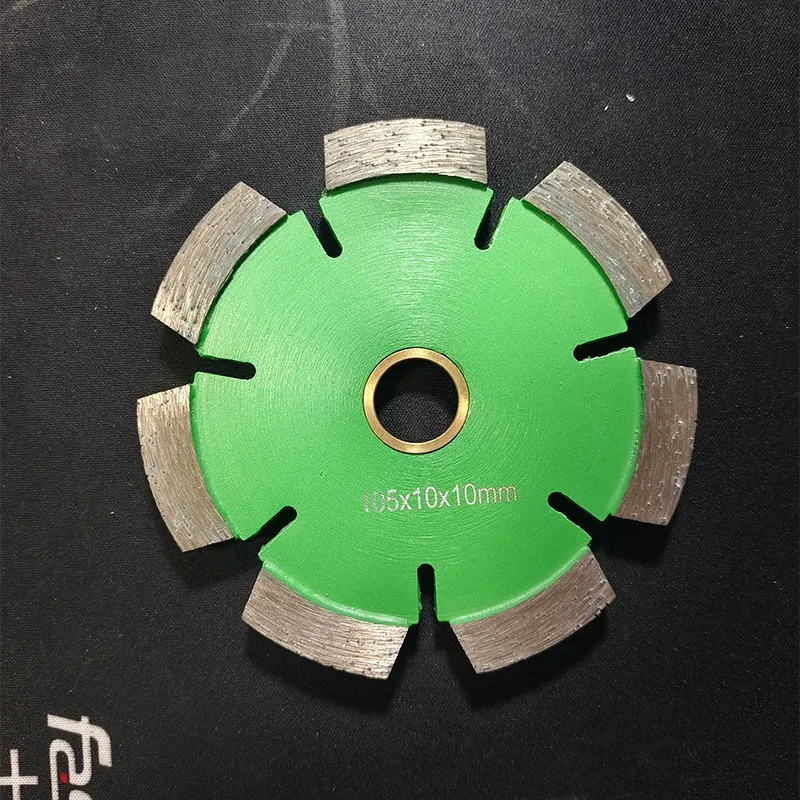
Options include segment height 8–12 mm, kerf widths for heritage joints, silent cores for hospitals, and matched multi‑blade stacks for wide chases. A Midwest restoration team specced a 6 mm kerf tuck point blade set, brick‑bonded; they reported ≈22% faster removal vs. their previous set and cleaner shoulders—less touch‑up with rakers.
Safety, compliance, and practical notes
- Meets EN 13236; production under ISO 9001. Ask for batch test sheets—worth it.
- Use with OSHA‑compliant dust extraction; wet cutting where allowed cuts silica risk.
- Match bond to material; the wrong bond “glazes” and slows any tuck point blade.
Bottom line: fast, steady, and safe segments are what you notice at 4 p.m. when the schedule slips. This line delivers that, and, actually, the price lands in a comfortable middle. If you’re speccing for a tender, note the origin and lead time in the submittals—it helps procurement.
Citations:
- EN 13236: Safety requirements for superabrasive products (CEN).
- OSHA 29 CFR 1926.1153: Respirable crystalline silica in construction.
- ISO 9001: Quality management systems — Requirements (ISO).
- ANSI B7.1: Safety Requirements for the Use, Care and Protection of Abrasive Wheels.
Related Products
Related Products





Address
No.30 Gaoying Road ,Chang'an District,Shijiazhuang,Hebei Province
Business Hours
Mon to Saturday : 8.00 am - 7.00 pm
Sunday & Holidays : Closed
.png )