Diamond blade disc cutters are indispensable tools across a multitude of industries, from construction and landscaping to automotive and scientific research. Their ability to precisely cut through exceptionally hard materials like concrete, stone, tile, and even glass makes them crucial for both large-scale infrastructure projects and intricate detail work. Understanding the nuances of diamond blade disc cutter technology – from the bonding matrix to the diamond grit size – is paramount for achieving optimal performance, safety, and cost-effectiveness.
The global demand for diamond blade disc cutters is consistently high, driven by ongoing construction booms in emerging economies and a growing need for precise cutting solutions in developed nations. According to industry reports, the market is projected to continue its growth trajectory, fueled by advancements in materials science and a broadening range of applications. This demand highlights the critical role these tools play in shaping our built environment and supporting a diverse array of manufacturing processes.
The significance of choosing the right diamond blade disc cutter extends beyond simply making a cut. It impacts project timelines, material waste, operator safety, and the overall quality of the finished product. A well-selected blade minimizes chipping, reduces dust generation, and extends the lifespan of both the blade and the equipment it’s used with, directly contributing to increased efficiency and reduced operational costs.
Introduction to Diamond Blade Disc Cutters
Diamond blade disc cutters represent a cornerstone of modern material processing. These tools utilize industrial-grade diamonds bonded to a circular metallic disc, providing unmatched cutting capabilities for a wide range of hard and abrasive materials. The effectiveness of a diamond blade disc cutter hinges on a complex interplay of factors, including diamond grit size, bond type, and blade thickness, each influencing its suitability for specific tasks.
The history of diamond blade disc cutter technology is one of continuous innovation, evolving from early, rudimentary designs to highly engineered solutions. Early iterations relied on natural diamonds and simpler bonding techniques. Today, advancements in synthetic diamond production and metallurgical processes have yielded blades that offer superior cutting performance, extended lifespan, and enhanced safety features. The evolution has dramatically impacted industries like construction and manufacturing.
Defining Diamond Blade Disc Cutters
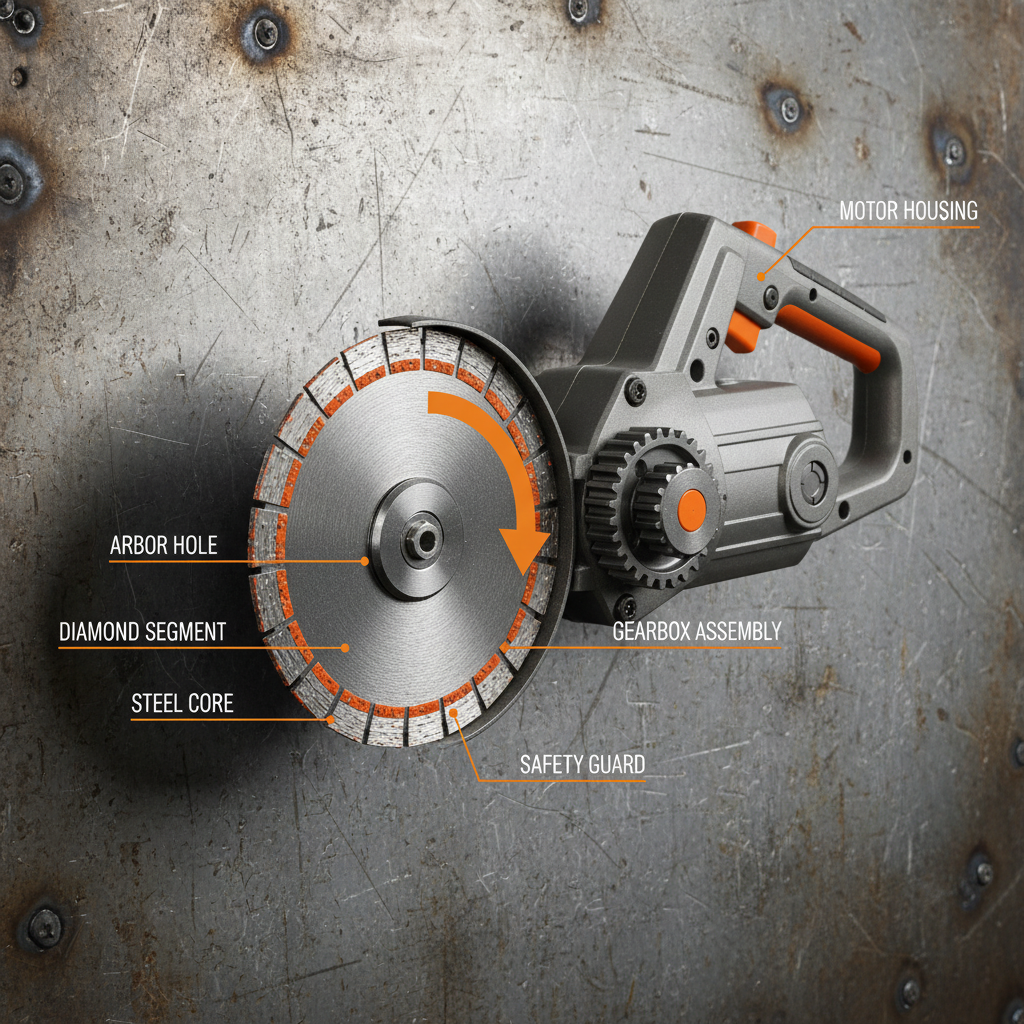
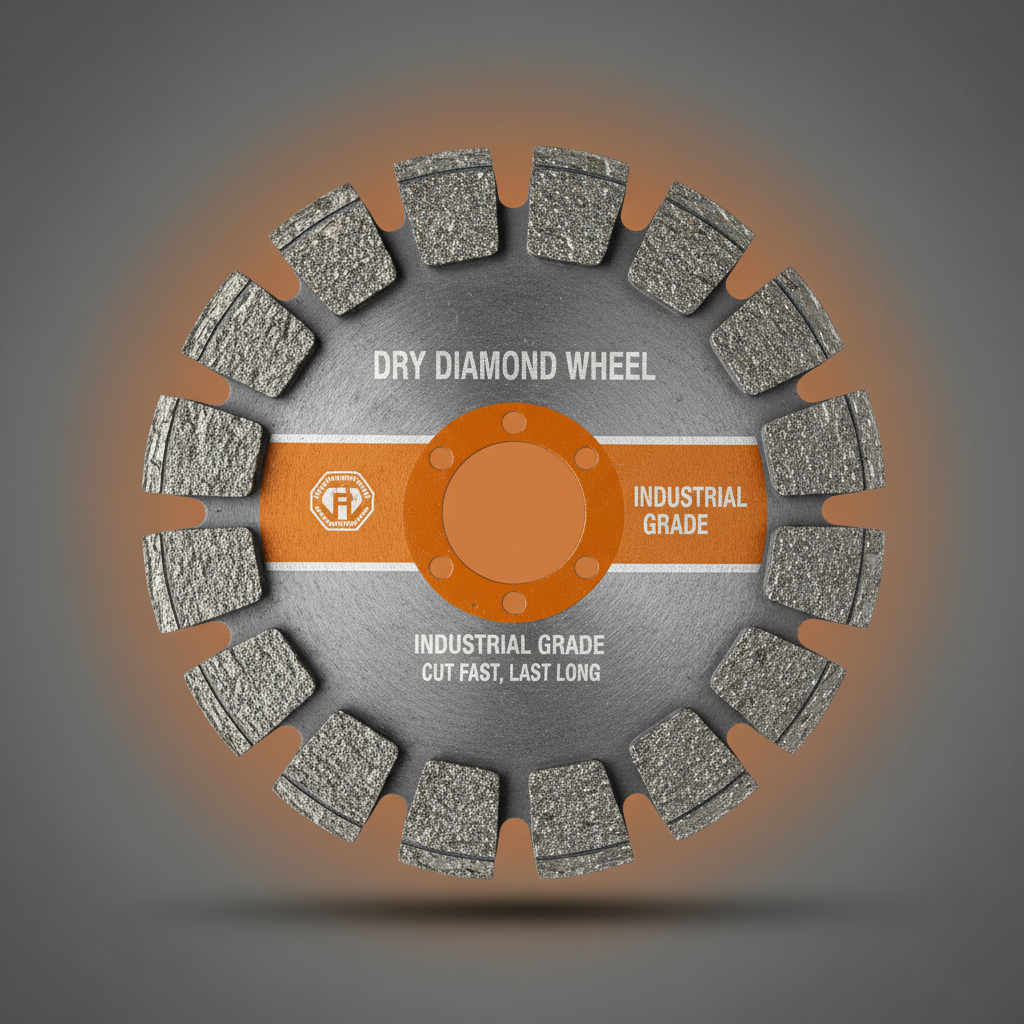
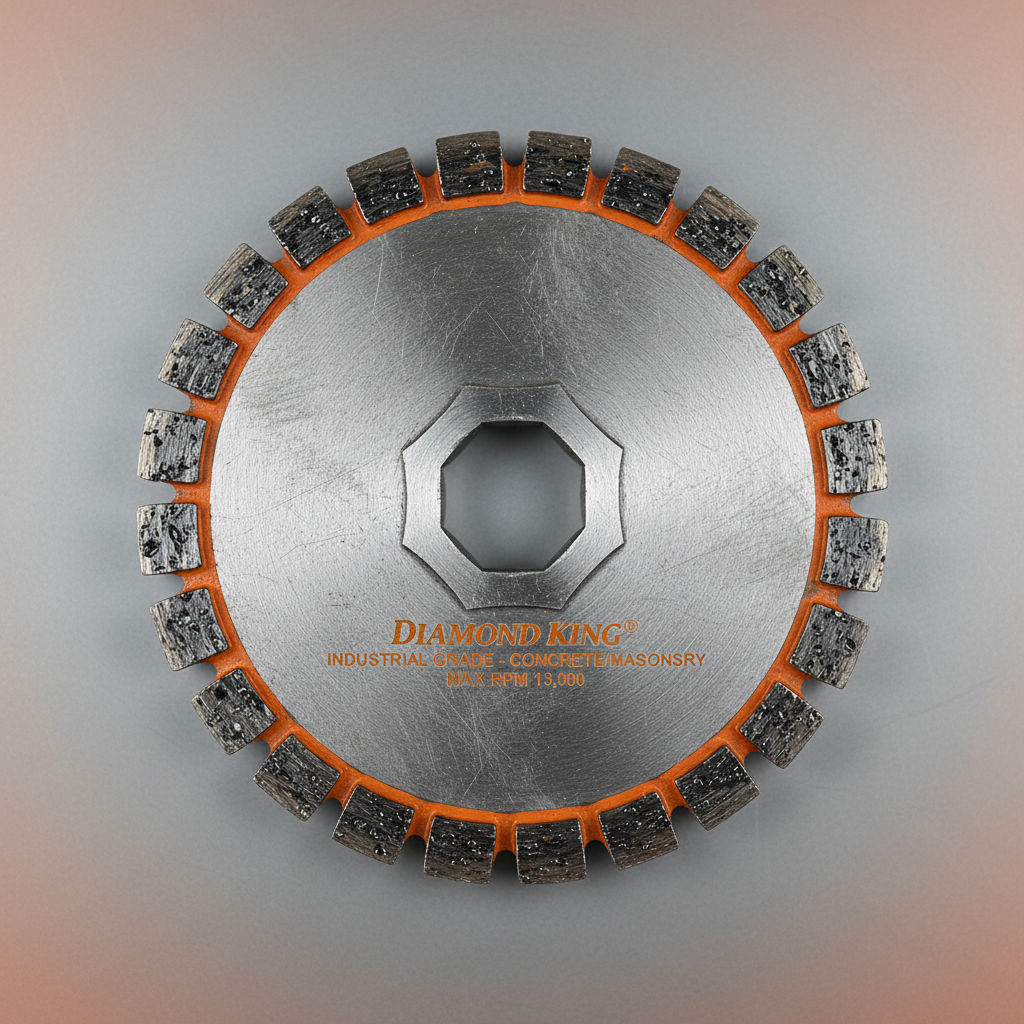
A diamond blade disc cutter is a circular cutting tool with industrial diamonds embedded within a metallic bonding matrix. These diamonds are the abrasive elements responsible for cutting through materials, while the metallic bond holds the diamonds in place and influences the rate at which they are exposed during use. The “disc” refers to the circular shape, designed to be mounted on power tools like angle grinders, circular saws, and core drilling rigs.
The connection to modern industry is profound. Diamond blade disc cutters are fundamental to construction, enabling the precise cutting of concrete, asphalt, brick, and stone. They’re crucial in landscaping for cutting pavers and curbing. In manufacturing, they’re used for cutting ceramics, glass, and composite materials. Even in specialized fields like geological research and materials science, diamond blade disc cutters are vital for sample preparation.
Their relevance extends to humanitarian needs. In disaster relief efforts, rapid cutting and demolition are often required to clear debris and access affected areas. Diamond blade disc cutters are instrumental in these situations, providing a fast and efficient means of cutting through reinforced concrete and other obstacles, potentially saving lives.
Core Components and Factors
Several key factors influence the performance and suitability of a diamond blade disc cutter. First is the diamond grit size, ranging from coarse to fine. Coarse grits are ideal for rapid cutting of softer materials, while finer grits are better suited for creating smooth, precise cuts in harder materials. Secondly, the bond type – metallic, resin, or vitrified – affects how quickly the diamonds are exposed during cutting and the blade’s overall durability.
Blade thickness (or segment height) is another critical factor. Thicker blades provide greater stability and are suitable for deep cuts, while thinner blades are designed for faster, more efficient cutting in softer materials. Diamond concentration refers to the amount of diamond grit within the bonding matrix, influencing the blade’s cutting speed and lifespan. Finally, the blade diameter must match the power tool it’s being used with for optimal safety and performance.
These components work in synergy. For example, a blade with a hard metallic bond and fine grit size is ideal for cutting extremely hard materials like porcelain tile, while a resin-bonded blade with coarse grit is more appropriate for rapid cutting of concrete. Understanding these factors enables informed selection and optimization of the cutting process.
Global Applications & Industry Impact
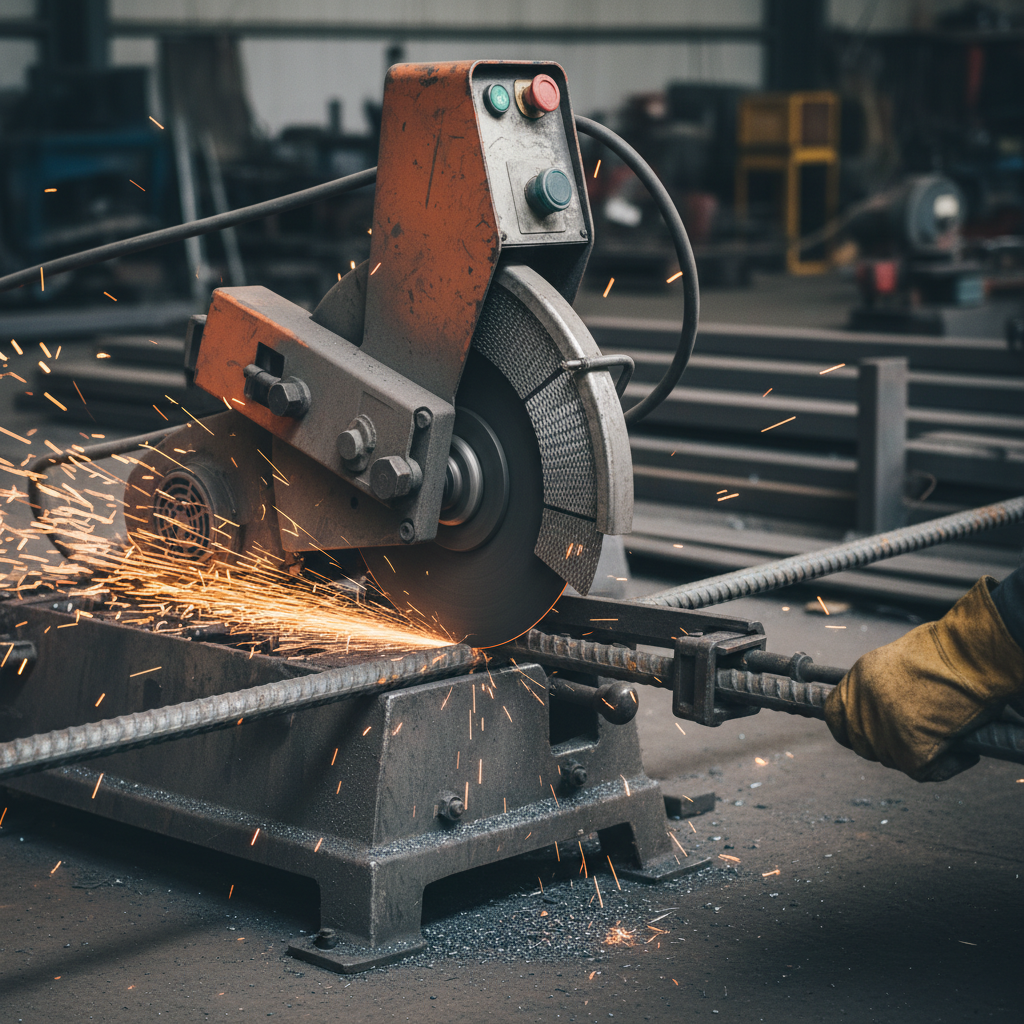
Diamond blade disc cutters are ubiquitous across a vast spectrum of industries. In construction, they’re essential for cutting concrete foundations, walls, and floors. Landscaping professionals rely on them for cutting pavers, curbing, and natural stone. The automotive industry utilizes diamond blades for cutting body panels and other components.
The impact extends globally. In rapidly developing regions like Asia and Africa, where infrastructure projects are booming, diamond blade disc cutters are critical for facilitating construction. In established economies like North America and Europe, they support renovation, repair, and maintenance activities. Even in remote industrial zones, such as mining operations, diamond blades are essential for cutting and processing materials.
In post-disaster relief operations, diamond blade disc cutters are often among the first tools deployed, enabling rescuers to quickly cut through debris and access trapped individuals. Similarly, in archaeological excavations, they facilitate the precise cutting of stone and other materials without causing damage to delicate artifacts.
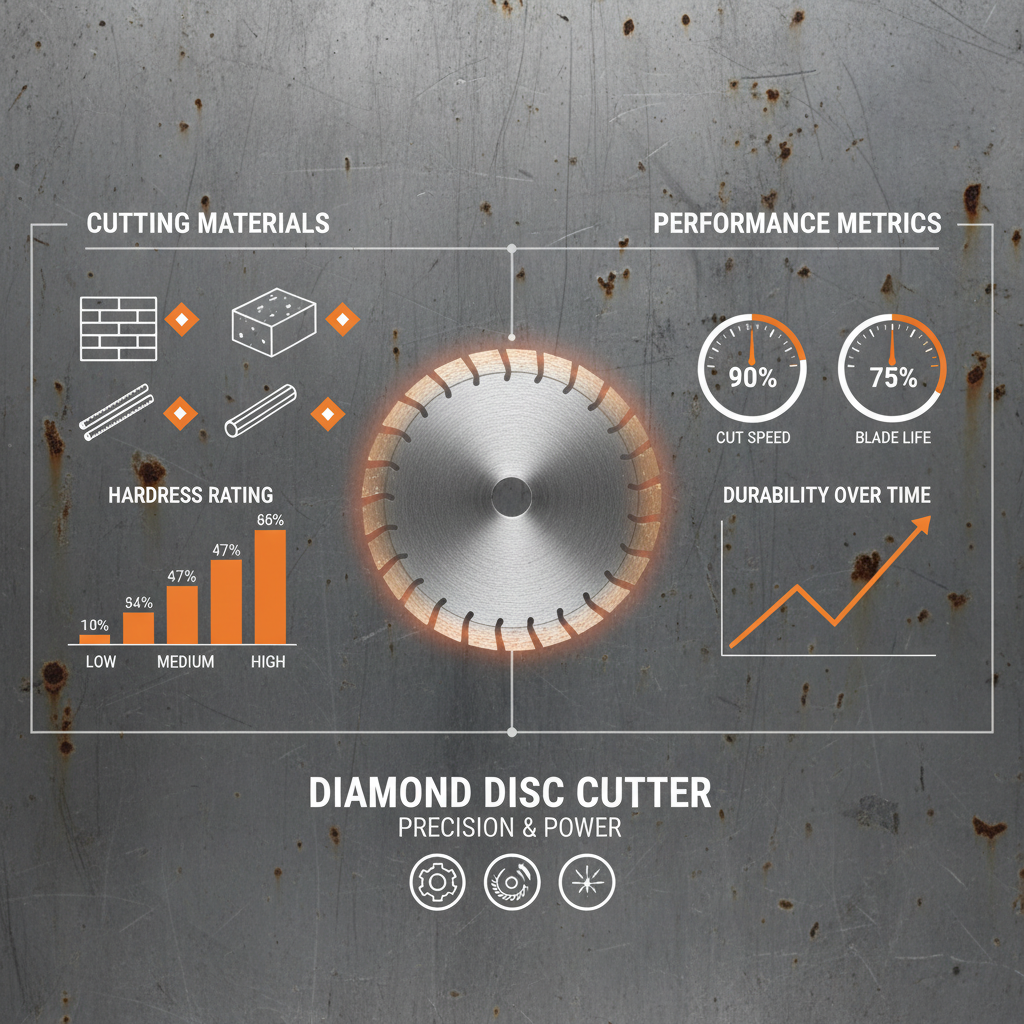
Diamond Blade Disc Cutter Performance by Application
Advantages & Long-Term Value Proposition
The advantages of utilizing diamond blade disc cutters are numerous. Firstly, they offer superior cutting performance compared to traditional abrasive blades, providing cleaner cuts, reduced chipping, and faster cutting speeds. Secondly, their durability translates to a longer lifespan, reducing the frequency of blade replacements and minimizing downtime.
From a cost perspective, while the initial investment might be higher, the extended lifespan and improved efficiency result in lower long-term costs. Environmentally, diamond blades generate less dust than abrasive blades, improving air quality and worker safety. Furthermore, the precision of diamond cutting reduces material waste, promoting sustainability.
Future Trends & Technological Advancements
The future of diamond blade disc cutter technology is focused on several key areas. One trend is the development of new bonding materials that offer improved diamond retention and heat dissipation, leading to longer blade life and increased cutting efficiency. Another is the exploration of laser-assisted cutting, which combines the precision of lasers with the abrasive power of diamonds.
Advancements in synthetic diamond production are also playing a role, allowing for the creation of larger and higher-quality diamonds at lower costs. Integration with digital monitoring systems that track blade wear and performance will become increasingly common, enabling predictive maintenance and optimized cutting parameters.
Challenges & Innovative Solutions
Despite their numerous advantages, diamond blade disc cutters face certain challenges. Heat buildup during cutting can lead to reduced blade life and decreased performance. Diamond loss is another concern, as diamonds can become dislodged from the bonding matrix during use. Additionally, dust control remains a significant issue, particularly when cutting materials that contain hazardous substances.
Innovative solutions are addressing these challenges. Improved cooling systems, such as water-cooled blades and air-cooled hubs, are mitigating heat buildup. Advanced bonding matrices with enhanced diamond retention are minimizing diamond loss. And dust extraction systems integrated directly into cutting tools are effectively capturing airborne particles.
Furthermore, research into alternative diamond coatings and nanomaterials promises to unlock even greater performance and durability in the future, pushing the boundaries of diamond blade disc cutter technology.
Summary of Diamond Blade Disc Cutter Challenges & Solutions
| Challenge |
Impact on Performance |
Current Solutions |
Future Research Directions |
| Heat Buildup |
Reduced blade life, decreased cutting speed |
Water-cooled blades, air-cooled hubs |
Improved heat-dissipating bonding matrices |
| Diamond Loss |
Decreased cutting efficiency, shortened lifespan |
Advanced bonding matrices with improved retention |
Nanomaterial-reinforced bonds |
| Dust Generation |
Health hazards, environmental concerns |
Dust extraction systems, wet cutting techniques |
Dust-suppressing blade coatings |
| Blade Wear |
Reduced cutting precision, increased downtime |
High-quality diamond grit, durable bonding materials |
Self-sharpening blade designs |
| Material Compatibility |
Inefficient cutting, premature blade failure |
Selection of appropriate blade for specific material |
Universal blades with adaptable grit sizes |
| Safety Concerns |
Risk of blade breakage, operator injury |
Proper safety guards, training, and maintenance |
Smart blades with integrated safety sensors |
FAQS
The lifespan of a diamond blade disc cutter varies significantly based on the material being cut, the frequency of use, and the quality of the blade itself. A high-quality blade used for cutting softer materials like concrete might last for several hours of continuous use, while cutting harder materials like granite will reduce the lifespan considerably. Regular inspection for diamond loss and bond wear is crucial for determining when replacement is necessary. Proper care, like avoiding overheating and using appropriate cooling, can extend blade life.
Selecting the appropriate diamond blade depends on the material you’re cutting and the type of cut you need to make. For hard, abrasive materials like granite and porcelain, a blade with a hard bonding matrix and smaller diamond grit is recommended. For softer materials like concrete and asphalt, a softer bond and larger grit will provide faster cutting. Consider the blade’s thickness – thinner blades are better for faster cuts, while thicker blades offer greater stability. Researching the material hardness and the blade specifications is key to optimal performance.
Safety is paramount when using diamond blade disc cutters. Always wear appropriate personal protective equipment (PPE), including safety glasses, gloves, and a dust mask or respirator. Ensure the workpiece is securely clamped and the blade is properly mounted and guarded. Never exceed the maximum operating speed of the blade. Be aware of potential kickback and maintain a firm grip on the tool. Following the manufacturer's instructions and receiving proper training are essential for safe operation.
While diamonds themselves don't become dull, the bonding matrix around them wears down over time, reducing the blade's cutting efficiency. Some diamond blades can be re-dressed or re-sharpened by specialized services, which remove worn material and expose new diamonds. However, this process is not always cost-effective, and the number of times a blade can be re-sharpened is limited. Ultimately, replacing the blade is often more practical than attempting to recondition it.
Wet cutting involves using water to cool the blade and suppress dust during the cutting process. This method extends blade life, reduces dust exposure, and provides a cleaner cut. Dry cutting, on the other hand, is performed without water. Dry cutting is faster and more convenient, but it generates more dust and can lead to overheating. The choice between wet and dry cutting depends on the material being cut, the available equipment, and the safety regulations of the job site.
Proper storage is essential for preserving the performance and lifespan of diamond blade disc cutters. Store blades in a dry, clean environment, protected from moisture and physical damage. Avoid stacking blades directly on top of each other, as this can cause chipping or cracking. Using a blade storage rack or case is highly recommended. Ensure the blades are not exposed to extreme temperatures or direct sunlight, as these conditions can degrade the bonding matrix.
Conclusion
Diamond blade disc cutters represent a vital technology underpinning a multitude of industries, providing unparalleled cutting performance and efficiency. From construction and manufacturing to emergency response and scientific research, these tools facilitate precise material processing, reduce waste, and enhance safety. Understanding the core components, global applications, and future trends of diamond blade disc cutter technology is essential for maximizing their value and driving continued innovation.
Looking ahead, advancements in materials science and digital integration promise to further revolutionize diamond blade disc cutter technology. By embracing these innovations, industries can unlock even greater levels of productivity, sustainability, and safety. For reliable, high-performance diamond blade disc cutters, and expert advice, visit our website today: diamond blade disc cutter.







.png )