Diamond blade discs are essential tools in modern industries, ranging from construction and landscaping to manufacturing and even artistic endeavors. Their ability to precisely cut through a vast array of materials – concrete, asphalt, tile, glass, and more – makes them indispensable for countless applications. Understanding the nuances of diamond blade disc technology, from their composition and manufacturing processes to their various types and proper usage, is crucial for maximizing efficiency, ensuring safety, and achieving optimal results. The continued advancements in diamond blade disc technology are driving innovation across numerous sectors.
The global demand for diamond blade discs is consistently high, fueled by infrastructure development projects, burgeoning construction industries in emerging economies, and increasing DIY home improvement activities. According to market research reports, the diamond blade market is projected to continue its growth trajectory in the coming years, with a significant emphasis on specialized blades for unique applications. This demand highlights the critical role these tools play in supporting economic development and enhancing productivity.
A diamond blade disc isn't simply a cutting tool; it's a precision instrument built on a complex interplay of materials science and engineering. Investing in a quality diamond blade disc and understanding its capabilities is fundamental to successful project completion and the long-term efficiency of any operation.
Introduction to Diamond Blade Discs
Diamond blade discs represent a significant advancement in cutting technology, born from the need for more efficient and durable tools to tackle increasingly challenging materials. Originally developed for industrial applications involving hard stones and concrete, their versatility has led to widespread adoption across a multitude of sectors. The modern diamond blade disc is a testament to material science and precision engineering.
These cutting tools aren’t a recent invention; their development spans decades of refinement. Early iterations faced limitations in diamond retention and cutting speed. Today’s designs, however, employ sophisticated bonding matrices and diamond distributions to optimize performance and longevity, making them a cornerstone of modern construction and beyond.
Defining the Diamond Blade Disc
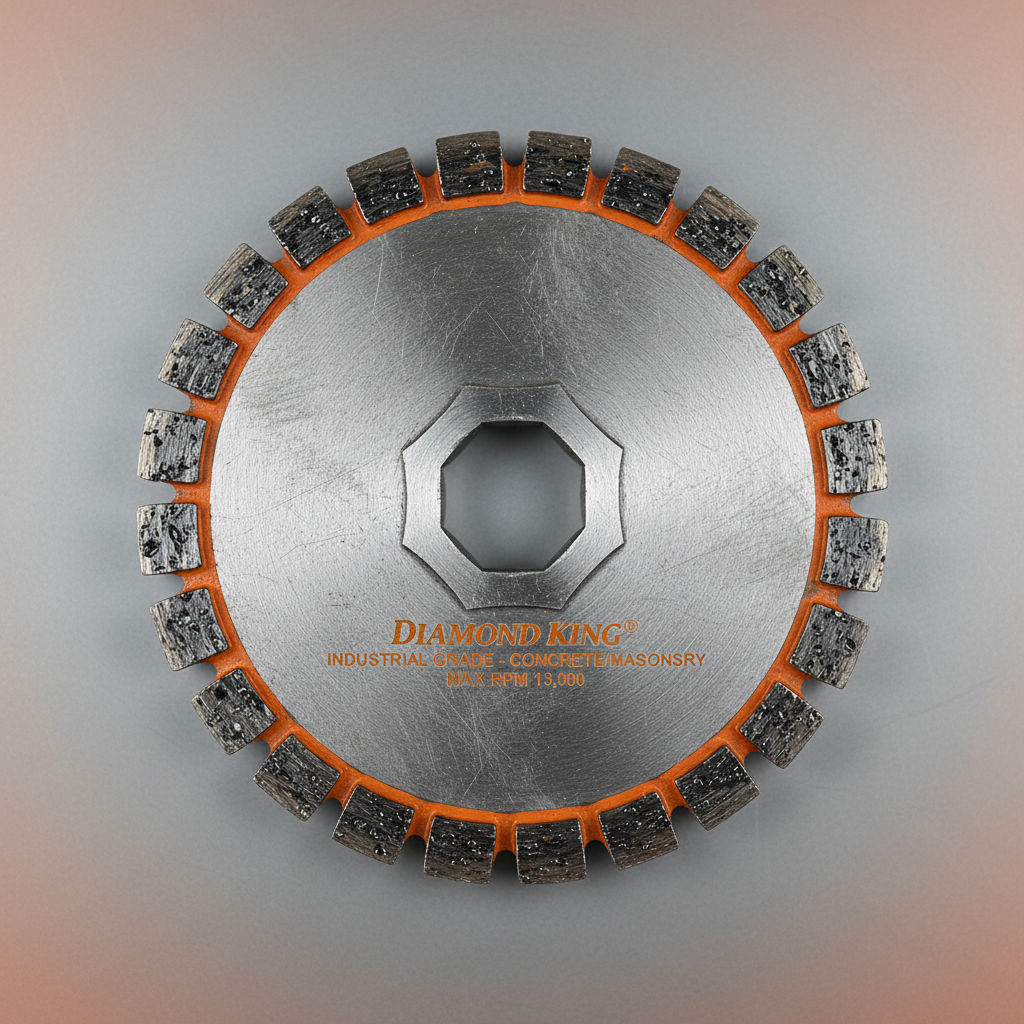
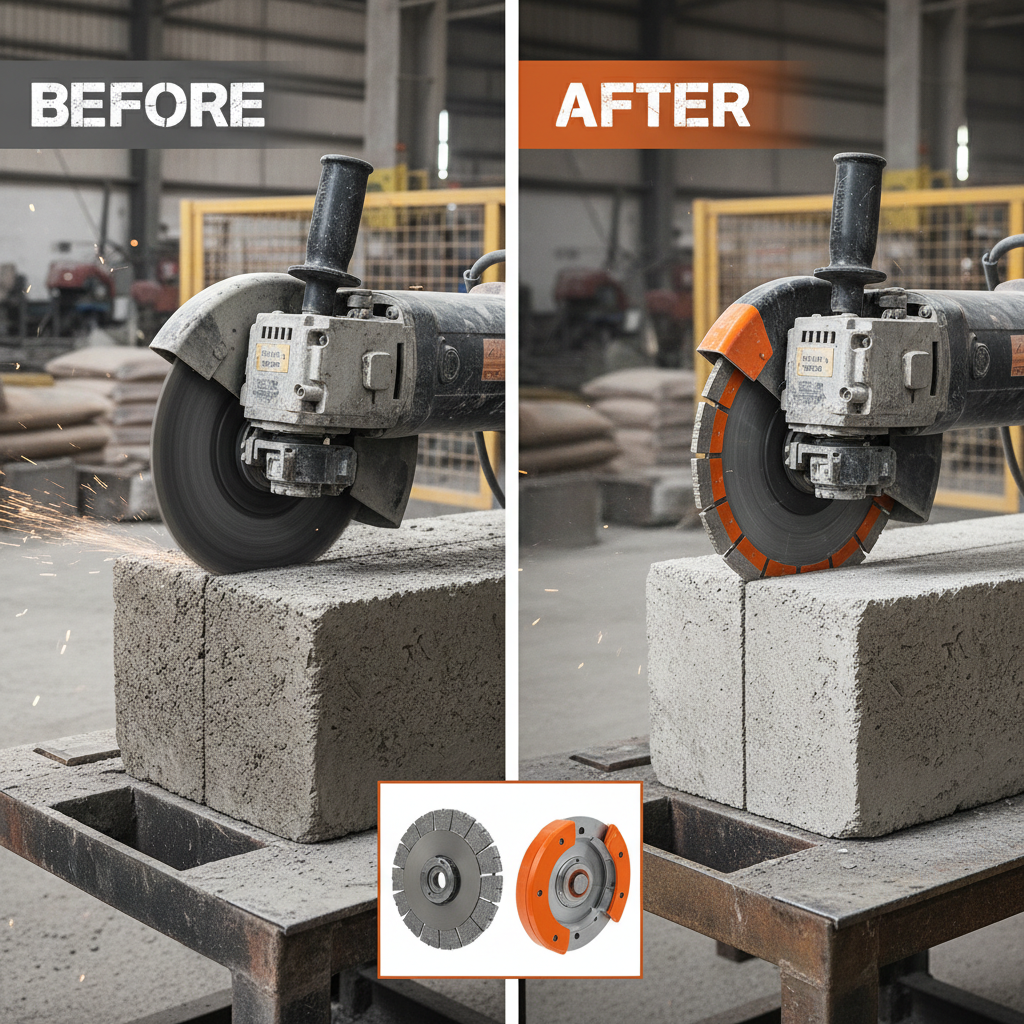
A diamond blade disc is a circular cutting tool embedded with industrial-grade diamonds. These diamonds, the hardest known naturally occurring material, are bonded to a metal core (typically steel) using a matrix composed of metallic powders and bonding agents. This matrix serves two primary purposes: to securely hold the diamonds in place and to continuously expose fresh cutting edges as the blade wears. The blade’s effectiveness lies in the abrasive action of the diamonds against the material being cut.
It's important to distinguish a diamond blade disc from other cutting tools. Unlike abrasive wheels that rely on friction to generate heat and wear away material, diamond blades primarily cut through a shearing action. This results in cleaner, more precise cuts and significantly reduced material waste. This makes them especially valuable in applications where precision and efficiency are paramount.
The core purpose of a diamond blade disc extends beyond simply cutting; it's about delivering consistent performance, minimizing downtime, and maximizing the lifespan of the tool itself. Selecting the appropriate blade for a specific material and application is key to achieving these benefits.
Key Components and Manufacturing
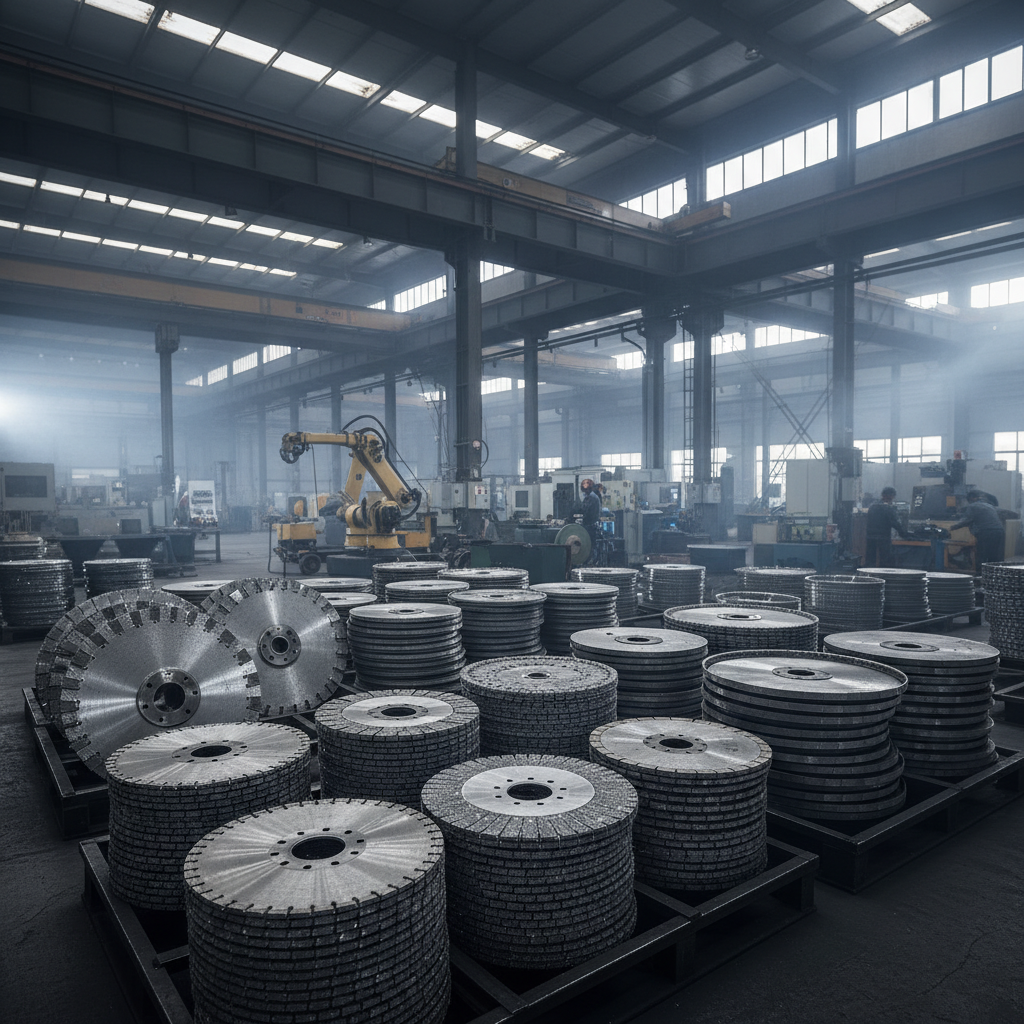
The manufacturing of a diamond blade disc is a complex process involving several critical steps. First, a steel core, typically made of high-carbon steel, is selected. This core provides the structural integrity of the blade. Next, the diamond particles – available in various sizes, shapes, and quality grades – are carefully mixed with the metallic bonding matrix. This matrix is crucial as it impacts the blade’s cutting speed, lifespan, and suitability for different materials.
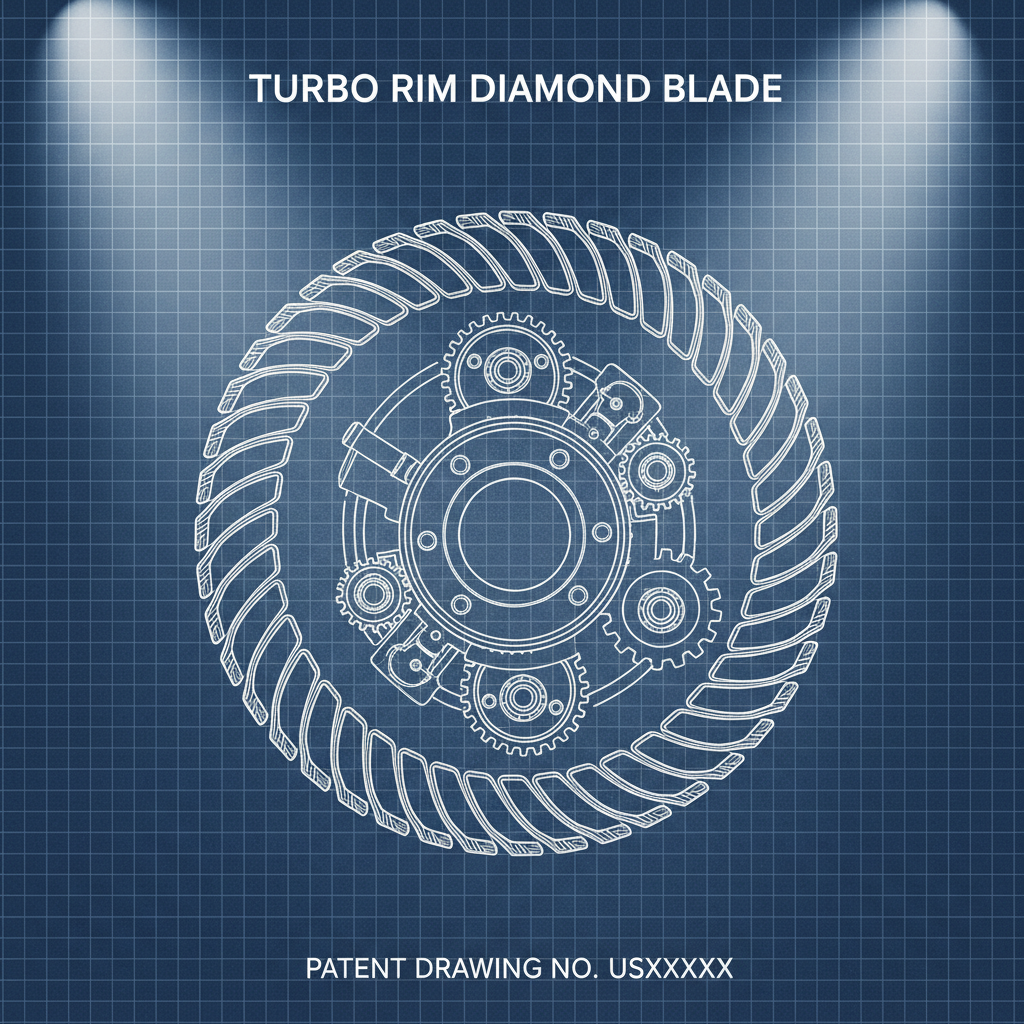
The mixture is then loaded into the core via a specialized process, often involving vacuum brazing or sintering. These methods ensure a strong, durable bond between the diamonds and the metal matrix. The segmentation of the blade, which determines the cutting pattern and cooling efficiency, is also a crucial aspect of the manufacturing process. The selection of the right diamond concentration and matrix formulation for a specific application is the key to a high quality diamond blade disc.
The quality of the diamond particles themselves significantly impacts the blade's performance. Industrial diamonds are graded based on size, shape, clarity, and color. Sharp, well-defined diamond crystals offer superior cutting action, while larger diamonds are typically used for aggressive cutting of softer materials. The matrix composition is equally important; different metal powders (e.g., cobalt, iron, copper) are used to create varying levels of hardness and bonding strength, tailored to specific material types.
Quality control is paramount throughout the entire manufacturing process. Rigorous testing is conducted to ensure the blade meets industry standards for safety, durability, and cutting performance. This includes dimensional checks, hardness testing of the matrix, and actual cutting tests on representative materials.
Performance Characteristics
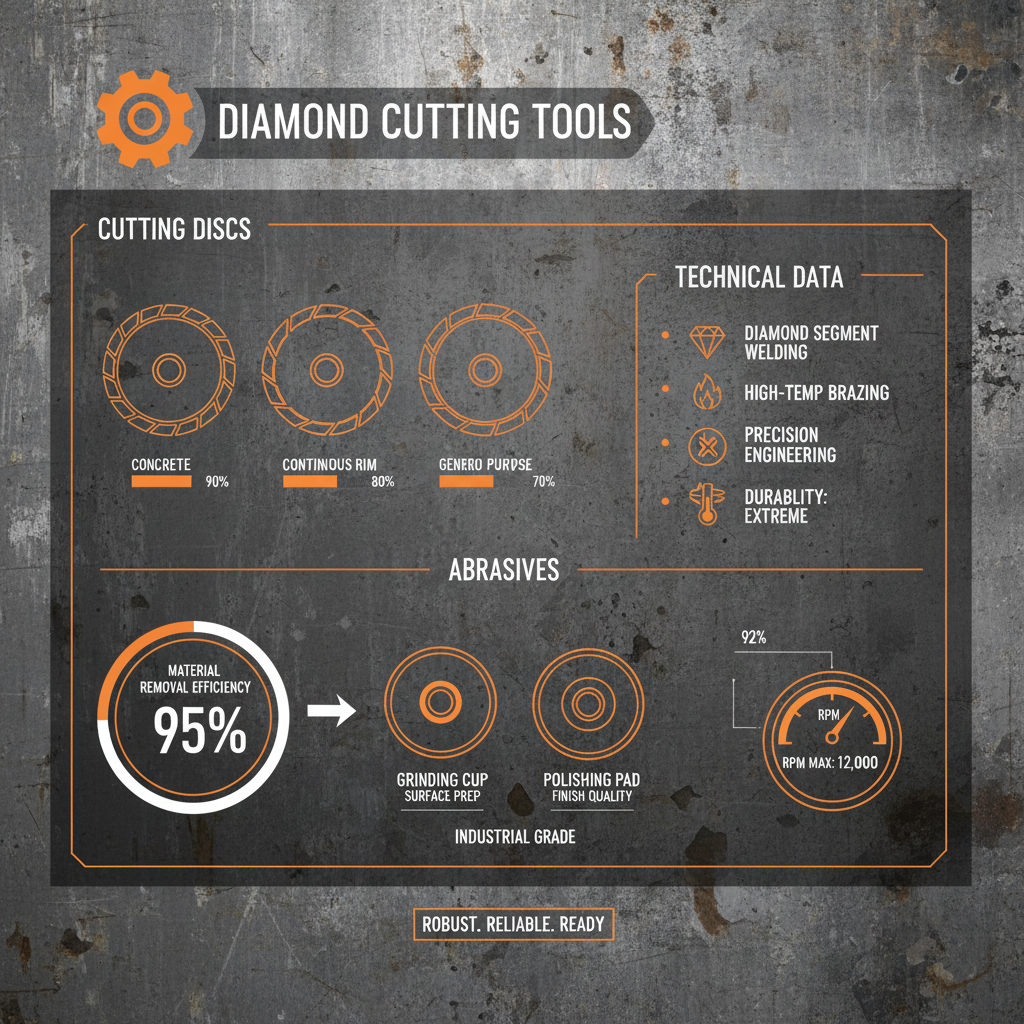
The performance of a diamond blade disc is characterized by several key factors. Cutting speed, or the rate at which the blade can penetrate a material, is a crucial metric, heavily influenced by diamond grit size, matrix hardness, and the material being cut. Blade life, representing the total volume of material that can be cut before significant wear occurs, is another important consideration.
Cut quality, referring to the smoothness and precision of the cut edge, is critical for applications demanding tight tolerances. Segment design also plays a role here, affecting chip evacuation and reducing friction. Understanding these characteristics allows users to select the most appropriate blade for their specific needs and optimize their cutting operations.
Diamond Blade Disc Performance Comparison
Global Applications and Industries
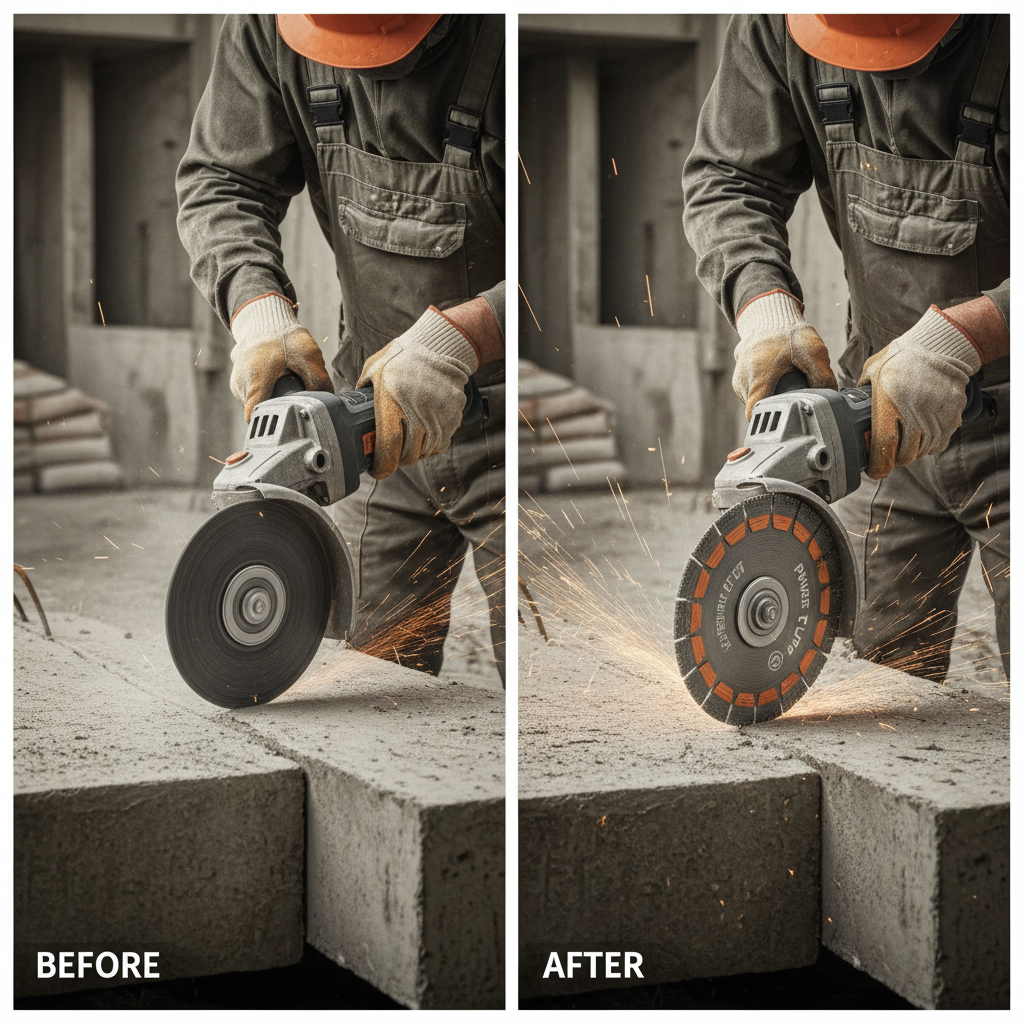
Diamond blade discs find widespread applications across a diverse range of industries globally. In the construction sector, they are essential for cutting concrete, asphalt, brick, and stone, crucial for road building, bridge construction, and building projects. Landscaping professionals rely on them for cutting pavers, tiles, and natural stone for patios, walkways, and retaining walls.
Manufacturing industries utilize diamond blade discs for precision cutting of glass, ceramics, and various composite materials. In the geological and mining sectors, they play a critical role in core drilling and sample collection. Even in artistic applications, such as glassblowing and sculpting, diamond blade discs are valued for their ability to create intricate and precise cuts.
Advantages and Economic Impact
The advantages of using diamond blade discs are numerous. Their exceptional durability translates into lower tool replacement costs and reduced downtime. The precision of the cuts minimizes material waste, contributing to cost savings and environmental sustainability. The ability to cut through a wide range of materials with a single blade increases versatility and simplifies inventory management.
From an economic standpoint, the use of high-quality diamond blade disc significantly improves project efficiency, reducing labor costs and project timelines. The enhanced safety features inherent in modern blade designs minimize the risk of accidents and injuries, further contributing to cost savings and improved worker well-being.
Future Trends and Innovations
The future of diamond blade disc technology is focused on several key areas. Innovations in bonding materials are leading to blades with extended lifespans and improved cutting performance. Laser-cut segments are gaining popularity, offering greater precision and reduced noise levels. The integration of sensors and data analytics is enabling real-time monitoring of blade wear and performance, allowing for proactive maintenance and optimization.
Sustainable manufacturing practices are also becoming increasingly important, with a focus on reducing waste and utilizing eco-friendly materials. The development of specialized blades tailored to emerging materials and applications, such as ultra-high-performance concrete and advanced composites, will continue to drive innovation in this field.
Summary of Key Trends in Diamond Blade Disc Technology
| Innovation Area |
Impact on Performance |
Current Status |
Expected Timeline |
| Advanced Bonding Matrices |
Increased Blade Life & Cutting Speed |
Early Adoption Phase |
3-5 Years |
| Laser-Cut Segments |
Improved Precision & Reduced Noise |
Growing Market Share |
1-3 Years |
| Integrated Sensor Technology |
Real-Time Monitoring & Predictive Maintenance |
Research & Development |
5-10 Years |
| Sustainable Manufacturing Processes |
Reduced Environmental Impact |
Increasingly Common Practice |
Ongoing |
| Specialized Blades for New Materials |
Expanded Application Range |
Niche Market Development |
2-5 Years |
| Automated Blade Manufacturing |
Increased Production Efficiency & Quality Control |
Pilot Projects |
5+ Years |
FAQS
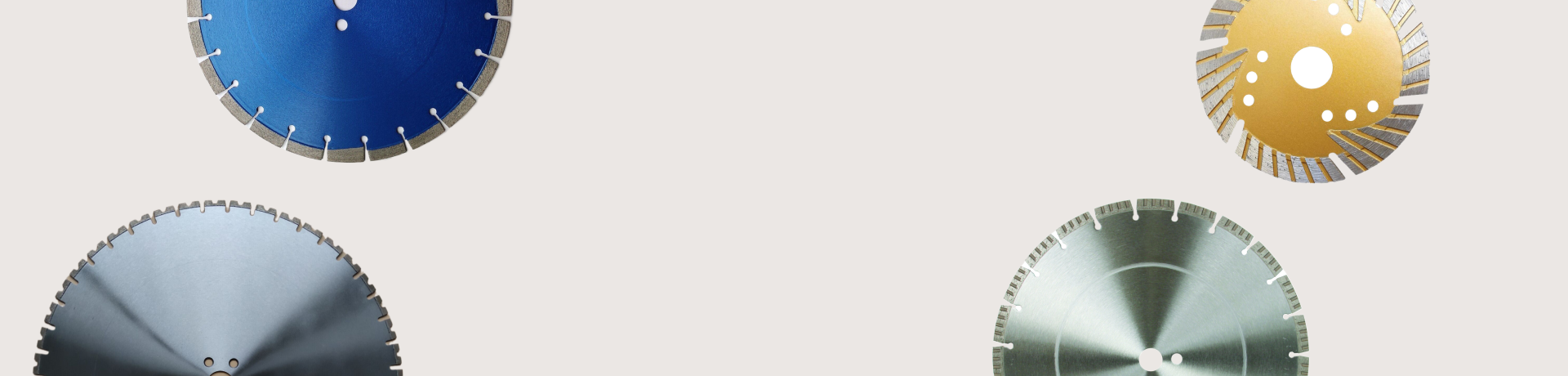
Segmented diamond blades feature gaps between the diamond segments, offering better cooling and chip evacuation, making them ideal for abrasive materials like concrete and asphalt. Continuous rim blades have a solid diamond-embedded edge, providing a smoother, chip-free cut, best suited for hard, dense materials like tile and stone. The choice depends heavily on the material being cut and the desired cut quality. Selecting the right diamond blade disc for the task is crucial.
Diamond grit size refers to the size of the diamond particles embedded in the blade. Coarser grits (e.g., 30/40) are aggressive and fast-cutting, suitable for soft, abrasive materials. Finer grits (e.g., 100/200) offer a smoother finish and are best for hard, dense materials. Medium grits (e.g., 50/60) provide a balance between speed and finish. Consider the material hardness and desired cut quality when selecting the grit size.
Always wear appropriate personal protective equipment (PPE), including safety glasses, gloves, and a dust mask. Ensure the blade is properly mounted and secured before use. Use a water supply to cool the blade and suppress dust. Avoid applying excessive pressure, and let the blade do the work. Follow the manufacturer’s instructions and guidelines for safe operation.
Use the correct blade for the material being cut. Keep the blade cool with a constant water supply. Avoid twisting or binding the blade during cutting. Store the blade properly when not in use, protecting it from moisture and damage. Regular inspection for wear and tear can also help prolong its lifespan.
The bonding agent, typically a metallic alloy, plays a critical role in holding the diamond crystals securely within the blade’s core. However, it's designed to wear away at a controlled rate, continuously exposing new diamond crystals to maintain cutting efficiency. The hardness of the bonding agent is carefully calibrated to match the abrasiveness of the material being cut.
Generally, it is not recommended to use a dry diamond blade disc with water. Dry blades are designed to operate without cooling water and may experience premature wear or damage if exposed to prolonged water contact. Wet blades, on the other hand, are designed to be used with water cooling and will generate excessive heat if used dry. Always check the blade’s specifications before use.
Conclusion
Diamond blade discs have revolutionized cutting technology across a vast array of industries. Their unique combination of durability, precision, and versatility makes them indispensable tools for construction, manufacturing, landscaping, and beyond. Understanding the key components, performance characteristics, and future trends of these blades is crucial for maximizing efficiency, ensuring safety, and achieving optimal results.
As materials science continues to advance, we can anticipate even more innovative diamond blade disc technologies to emerge, further enhancing performance, sustainability, and cost-effectiveness. Embracing these advancements and investing in high-quality blades like those offered at diamond blade disc will be essential for staying competitive and meeting the evolving demands of the global marketplace.







.png )