close
  • 378_2025032719101269029.webp
  • 378_2025032719084087564.webp
0%

Table of Contents

Diamond blade cutting wheel technology has revolutionized numerous industries, offering unparalleled precision, efficiency, and durability in material cutting. From construction and landscaping to aerospace and automotive manufacturing, these tools have become indispensable for professionals and DIY enthusiasts alike. The continuous advancements in diamond grit bonding, blade design, and manufacturing processes are driving further improvements in cutting performance and lifespan, making diamond blade cutting wheel a cornerstone of modern material processing.

The global demand for diamond blade cutting wheel is consistently increasing, fueled by infrastructure development, urbanization, and the growth of manufacturing sectors worldwide. According to market research reports, the diamond blade market is projected to reach significant growth in the coming years. This growth is attributed to the increasing adoption of diamond blades in various applications, their superior performance compared to traditional abrasive wheels, and the expanding need for precision cutting in complex materials.

Understanding the intricacies of diamond blade cutting wheel – from the selection of the right blade for a specific material to the proper safety procedures – is crucial for maximizing performance, ensuring operator safety, and minimizing costs. This detailed exploration will provide a comprehensive overview of this vital technology, covering its core components, applications, advantages, future trends, and challenges.
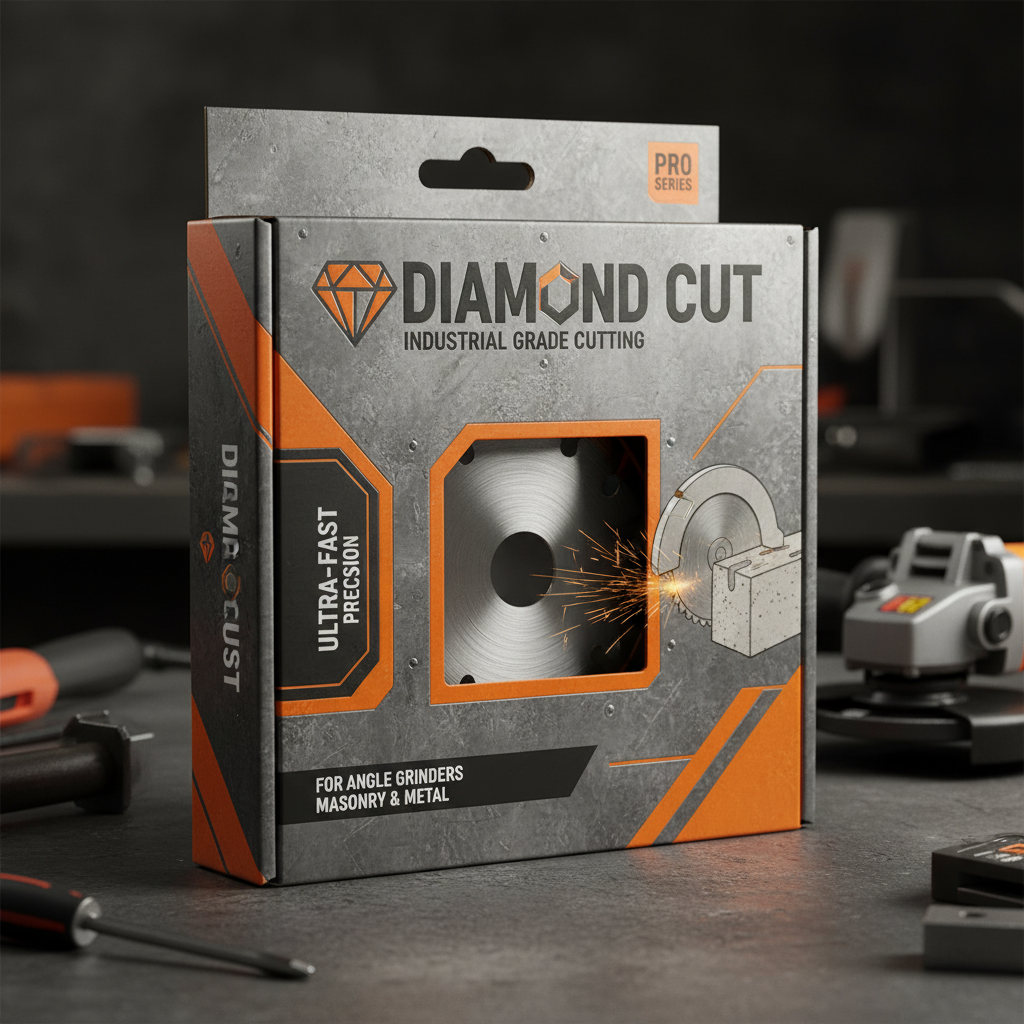
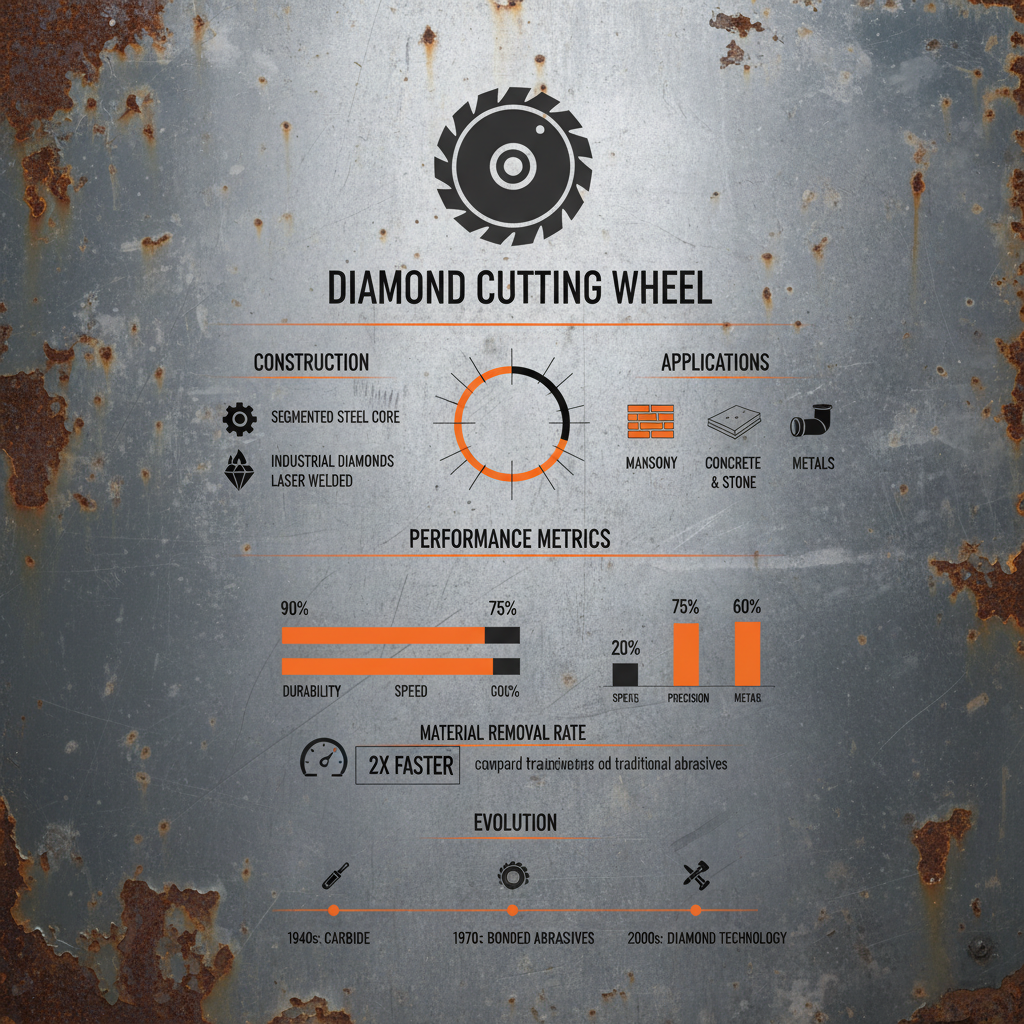
Advanced Diamond Blade Cutting Wheel Technology for Precision Material Processing

The Fundamentals of diamond blade cutting wheel

Advanced Diamond Blade Cutting Wheel Technology for Precision Material Processing

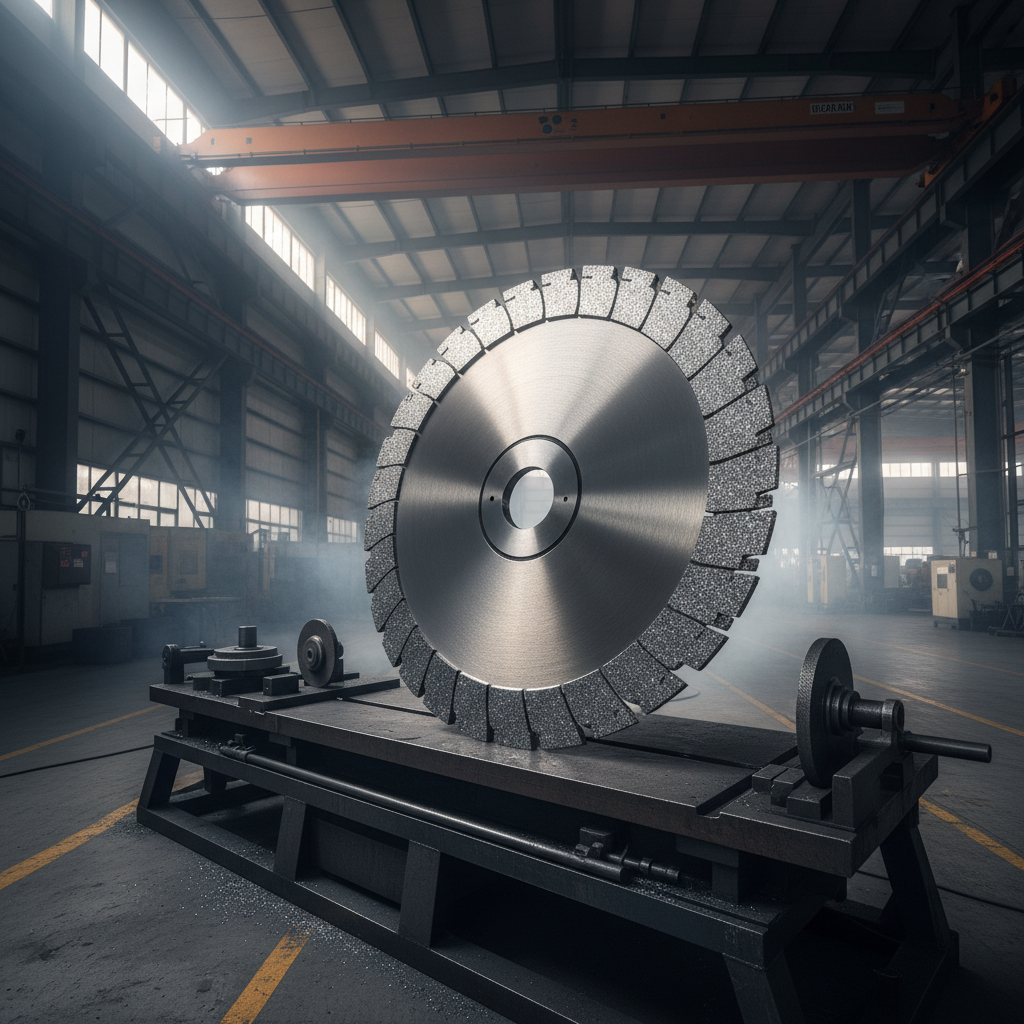
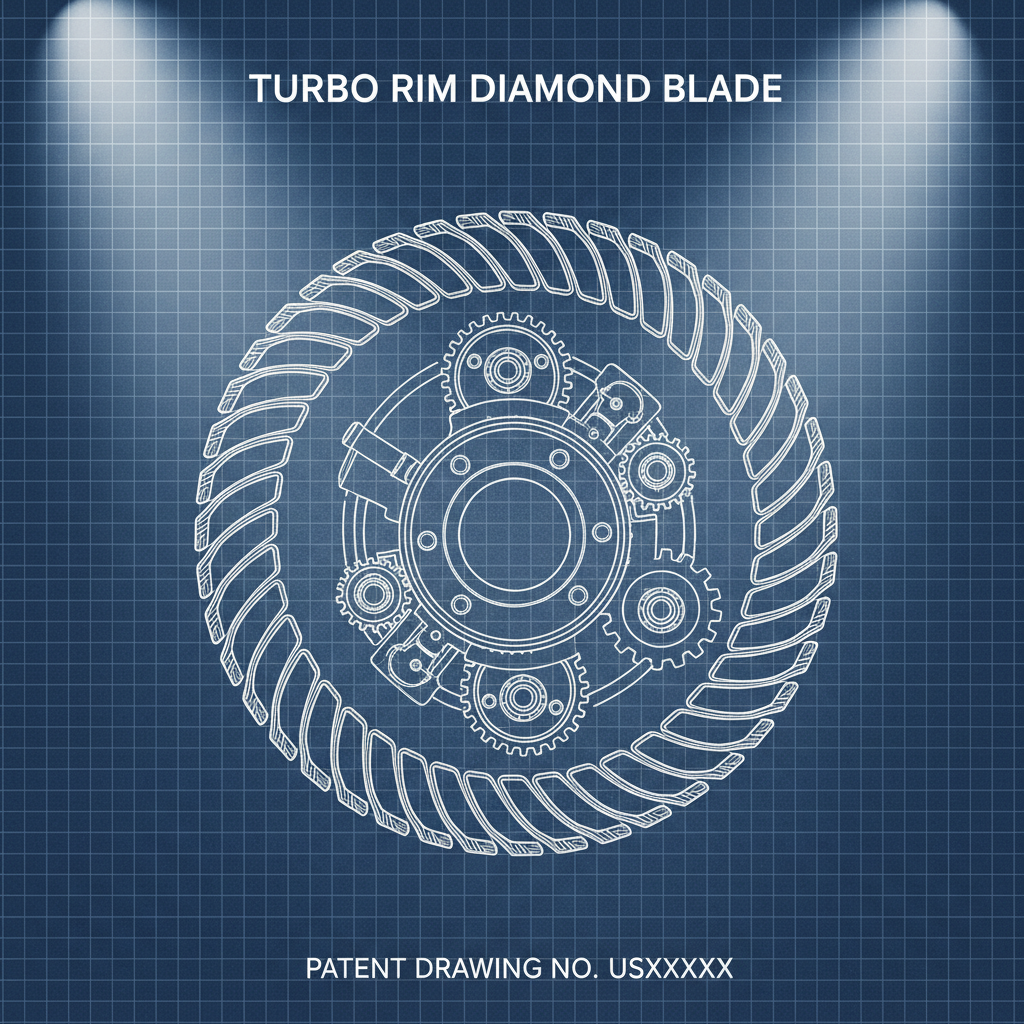
At its core, a diamond blade cutting wheel comprises a circular steel core embedded with industrial-grade diamonds. These diamonds are the abrasive element responsible for cutting through various materials. The bonding matrix, typically made of metal powders, holds the diamonds in place and influences the blade’s cutting characteristics. Understanding the interplay between diamond grit size, bonding agent, and core material is critical for selecting the optimal blade for a specific application.

The manufacturing process of a diamond blade cutting wheel is a highly specialized one, involving precise diamond placement, sintering, and quality control. Modern blades utilize advanced bonding technologies to maximize diamond retention and cutting efficiency, leading to longer blade life and reduced cutting costs. The quality of the diamond blade cutting wheel directly impacts the precision, speed, and finish of the cut.

Global Relevance and Industry Context

Diamond blade cutting wheel plays a vital role in supporting global infrastructure development. From cutting concrete for roadways and bridges to shaping stone for building facades, these tools are essential for the construction industry worldwide. The United Nations estimates that global construction spending will continue to rise, driving increased demand for efficient and reliable cutting solutions. The robustness and efficiency of diamond blades are essential for completing large-scale projects on time and within budget.

Across diverse industrial sectors, diamond blade cutting wheel contributes to manufacturing processes requiring high precision and material versatility. Aerospace companies rely on diamond blades to cut advanced composites, while automotive manufacturers use them to shape metal components. The growing emphasis on lightweight materials and complex geometries in these industries further underscores the importance of diamond blade technology.

The ISO standards governing diamond blade quality and safety ensure consistent performance and protect operators from potential hazards. Adherence to these standards is crucial for manufacturers and end-users alike, guaranteeing the reliability and longevity of diamond blade cutting wheel and promoting safe work practices across industries.

Defining diamond blade cutting wheel

A diamond blade cutting wheel is a power tool accessory engineered for cutting hard and abrasive materials such as concrete, asphalt, tile, stone, metal, and glass. Unlike traditional abrasive wheels that rely on friction to grind away material, diamond blades utilize the hardness of industrial diamonds to shear through the material, resulting in cleaner, faster, and more precise cuts.

The connection to modern industry and humanitarian needs is profound. In construction, diamond blade cutting wheel enables the creation of durable infrastructure. In disaster relief scenarios, they facilitate rapid cutting of concrete and debris for rescue operations. In the manufacturing of critical components, they deliver the precision required for quality control and optimal performance.

Essentially, diamond blade cutting wheel represents a cornerstone of efficient material processing, contributing to advancements across a multitude of sectors and supporting critical activities that enhance safety and quality of life globally.

Key Factors Influencing Performance

Durability: The lifespan of a diamond blade cutting wheel is directly related to the quality of the diamonds, the bonding matrix, and the core material. High-quality blades are designed to withstand significant stress and maintain cutting performance over extended periods.

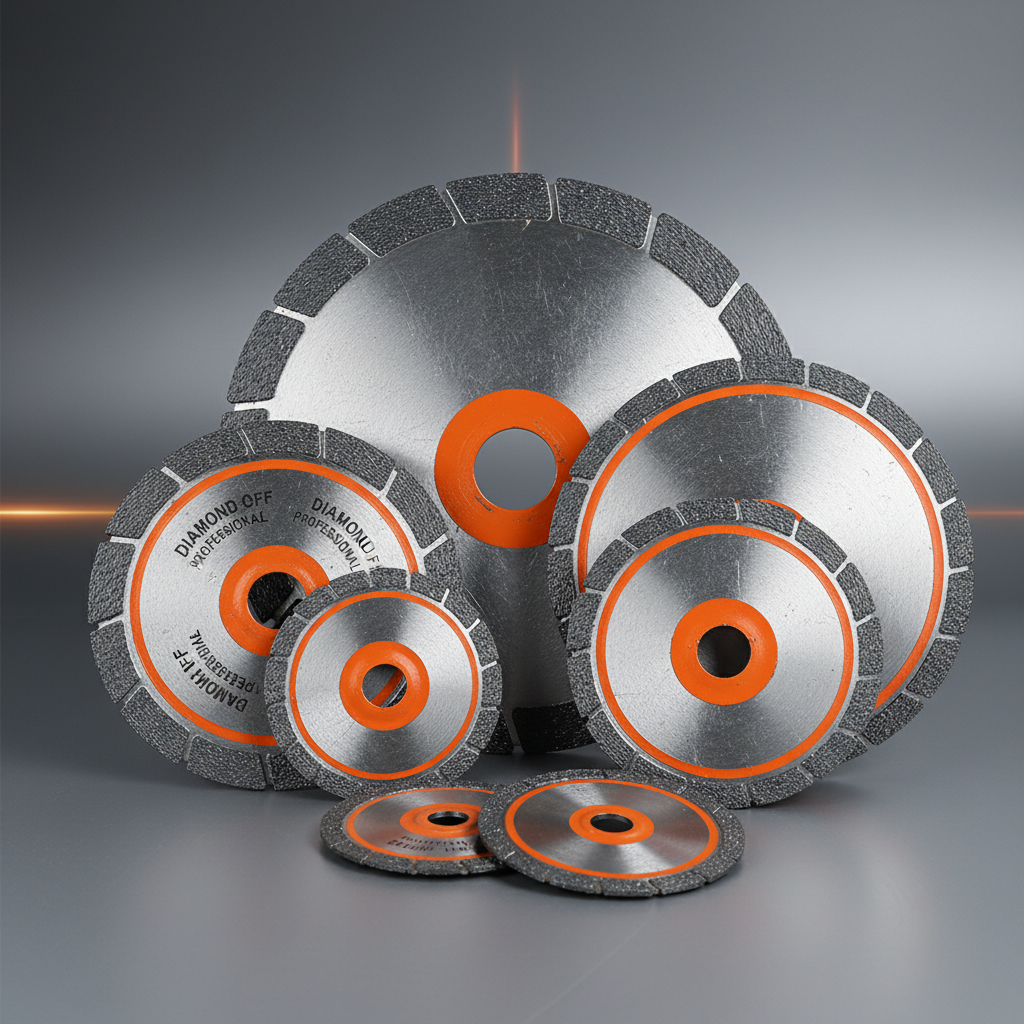
Diamond Grit Size: The size of the diamond grit influences the cutting speed and finish. Coarser grits are suitable for aggressive cutting of hard materials, while finer grits produce smoother finishes on softer materials.

Diamond Blade Cutting Wheel Performance Metrics


Global Applications and Use Cases

In construction, diamond blade cutting wheel are widely used for cutting concrete, brick, and stone during road construction, building demolition, and landscaping projects. In post-disaster relief operations, these blades play a crucial role in quickly cutting through debris to access trapped individuals or create pathways for emergency vehicles.

The mining industry relies heavily on diamond blade cutting wheel for extracting valuable minerals and ores from rock formations. They are also essential in the oil and gas sector for cutting pipelines and well casings. Remote industrial zones often depend on the reliability and efficiency of these blades to maintain critical infrastructure and operations.

Advantages and Long-Term Value

Diamond blade cutting wheel offer significant cost savings over time due to their extended lifespan and reduced need for frequent replacements. Their superior cutting performance minimizes material waste and labor costs, further contributing to overall project efficiency.

From a sustainability perspective, diamond blades generate less dust and noise compared to traditional abrasive wheels, creating a cleaner and safer working environment. This aligns with growing environmental concerns and promotes responsible construction practices. They also contribute to workplace safety by providing more predictable and controllable cutting actions.

Future Trends and Innovations

Ongoing research and development efforts are focused on enhancing diamond blade technology through the use of new bonding materials and diamond grit coatings. These innovations aim to improve cutting speed, blade life, and performance on increasingly challenging materials.

The integration of smart sensors and data analytics into diamond blade cutting wheel is emerging as a significant trend, allowing for real-time monitoring of blade wear, cutting conditions, and operator safety. This data-driven approach enables proactive maintenance and optimized cutting parameters.

Challenges and Solutions in Diamond Blade Cutting Wheel Technology

Challenge Material Type Impact on Performance Potential Solution
Diamond Washout Concrete Reduced Blade Life Utilize High-Retention Bonding Matrix
Heat Buildup Steel Decreased Cutting Efficiency Implement Wet Cutting Techniques
Chip Resistance Tile Chipped Edges and Reduced Precision Select Blades with Reinforced Cores
Abrasive Wear Asphalt Accelerated Diamond Loss Employ Blades with Harder Diamond Grit
Blade Vibration Stone Reduced Cut Quality Ensure Proper Blade Mounting and Support
Dust Exposure All Materials Health and Safety Concerns Utilize Dust Extraction Systems

FAQS

What type of diamond blade cutting wheel should I use for cutting concrete?

For concrete cutting, you should use a blade specifically designed for concrete, typically with a soft to medium bond. A softer bond allows the diamonds to release at a rate that matches the wear of the concrete, providing optimal cutting efficiency. Avoid using blades designed for harder materials like tile or stone, as they won't effectively cut through concrete. Ensure the diamond grit size is appropriate for the concrete's aggregate content—coarser grits for aggregate-rich concrete and finer grits for smoother surfaces.

How can I extend the life of my diamond blade cutting wheel?

To maximize the lifespan of your diamond blade cutting wheel, always use the appropriate blade for the material you’re cutting. Avoid excessive pressure and let the blade do the work. Utilize water cooling during cutting, if applicable, to reduce heat buildup and prevent warping. Regularly inspect the blade for damage and replace it when necessary. Proper storage—clean, dry, and protected from impact—will also contribute to its longevity.

Is it safe to use a diamond blade cutting wheel without water?

While some diamond blade cutting wheel are designed for dry cutting, most perform better and last longer with water cooling. Dry cutting generates more heat, which can damage the blade and the material being cut. Always wear appropriate safety gear, including eye protection, a dust mask, and hearing protection, regardless of whether you’re cutting wet or dry. Check the blade manufacturer's recommendations for specific safety guidelines.

What does "segment height" mean on a diamond blade cutting wheel?

Segment height refers to the height of the diamond-embedded segments on the blade’s core. A higher segment height generally means a longer blade life, as there’s more diamond material available for cutting. The appropriate segment height depends on the material being cut and the depth of cut required. Thicker segments are ideal for materials that wear down blades quickly, while thinner segments are suitable for shallower cuts.

How do I choose the right diamond grit size?

Diamond grit size affects both cutting speed and finish. Coarser grits (lower numbers) cut faster but leave a rougher finish, making them suitable for aggressive cutting of soft materials. Finer grits (higher numbers) cut slower but produce a smoother finish, ideal for harder materials or applications requiring precision. Consider the material’s hardness and your desired outcome when selecting grit size.

What safety precautions should I take when using a diamond blade cutting wheel?

Always wear safety glasses or a face shield to protect your eyes from flying debris. Use a dust mask to prevent inhaling harmful particles. Wear hearing protection to reduce noise exposure. Ensure the workpiece is securely clamped. Inspect the blade for damage before each use. Follow the manufacturer's instructions for safe operation and maintenance. Never remove safety guards.

Conclusion

Diamond blade cutting wheel have become integral to a vast range of industries, offering unmatched precision, efficiency, and durability in material cutting. From construction and infrastructure development to manufacturing and disaster relief, these tools continue to drive innovation and improve performance across diverse applications. Understanding the key factors influencing blade performance – from diamond grit size to bonding matrix – empowers users to select the optimal blade for their specific needs and maximize their return on investment.

As technology advances, we can anticipate further innovations in diamond blade cutting wheel, including the integration of smart sensors, advanced materials, and optimized designs. Embracing these advancements will not only enhance cutting performance but also promote safer, more sustainable, and more efficient working practices. For the highest quality diamond blade cutting wheel, visit our website: www.mydiamondblade.com

Robert Hayes

Robert Hayes

Robert Hayes is a seasoned Application Engineer at Mingye Tools Technologies, boasting over 8 years of experience in the diamond tool industry. He specializes in the application of our cutting-edge blades and grinding tools within the construction and ceramic tile installation sectors. Robert works closely with clients, providing on-site support
Previous Exploring the Versatility and Innovation of Diamond Blade Disc Technology
Next Revolutionizing Material Science with High Performance Diamond Blade Cutting Disc
Can't Find The Products And Services You Need?
If you need our help,
Our staff will be happy to help and answer your questions!

Contact Us

Email: sales@mydiamondblade.com

Phone:0086-15369377868

Address

No.30 Gaoying Road ,Chang'an District,Shijiazhuang,Hebei Province

Business Hours

Mon to Saturday : 8.00 am - 7.00 pm

Sunday & Holidays : Closed

If you are interested in our products, you can choose to leave your information here, and we will be in touch with you shortly.