In the demanding world of concrete restoration and surface preparation, the efficiency of your equipment can make or break a project's timeline. A high-performance mortar grinder disc is not just an accessory; it is the primary interface between the machine and the hardened substrate, determining the speed of material removal and the quality of the final finish.
Understanding the technical nuances of diamond bonding and grit selection is essential for contractors who face the challenge of removing stubborn mortar splashes, epoxy residues, or uneven concrete layers. The right choice of a grinding disc ensures that the operator achieves a level surface without glazing the tool or overheating the substrate, which is critical for subsequent coatings or flooring installations.
Globally, as urban infrastructure ages, the demand for precise surface grinding has surged. By optimizing the use of a professional-grade mortar grinder disc, industry professionals can significantly reduce labor costs and environmental impact through faster completion times and reduced waste, bridging the gap between raw industrial power and refined architectural finishes.
The Technical Composition of Mortar Grinder Discs
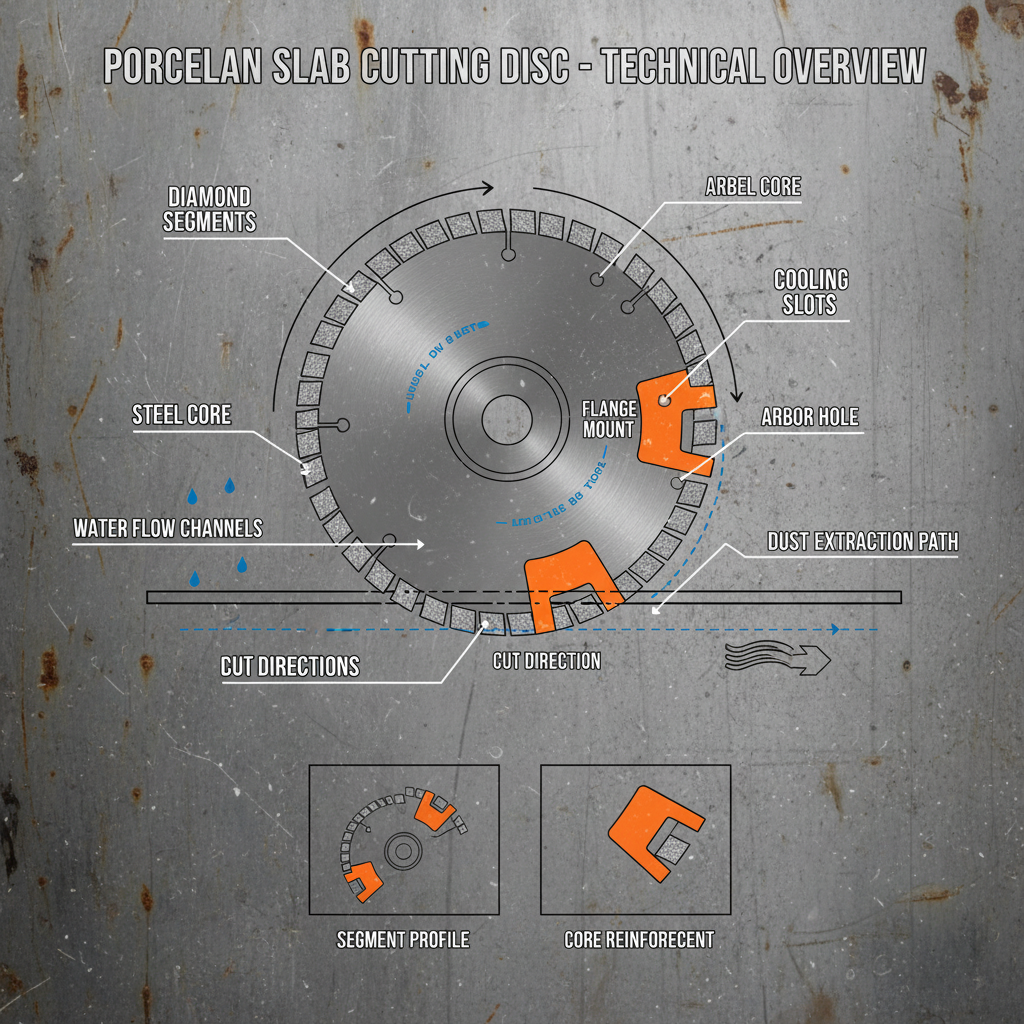
At its core, a premium mortar grinder disc is a sophisticated composite of synthetic diamond crystals embedded in a metal matrix. The "bond" is the secret sauce; it must be hard enough to hold the diamonds in place during high-friction grinding but soft enough to wear away gradually, exposing fresh, sharp diamonds to prevent "glazing." This self-sharpening mechanism is what separates industrial-grade tools from consumer-level discs.
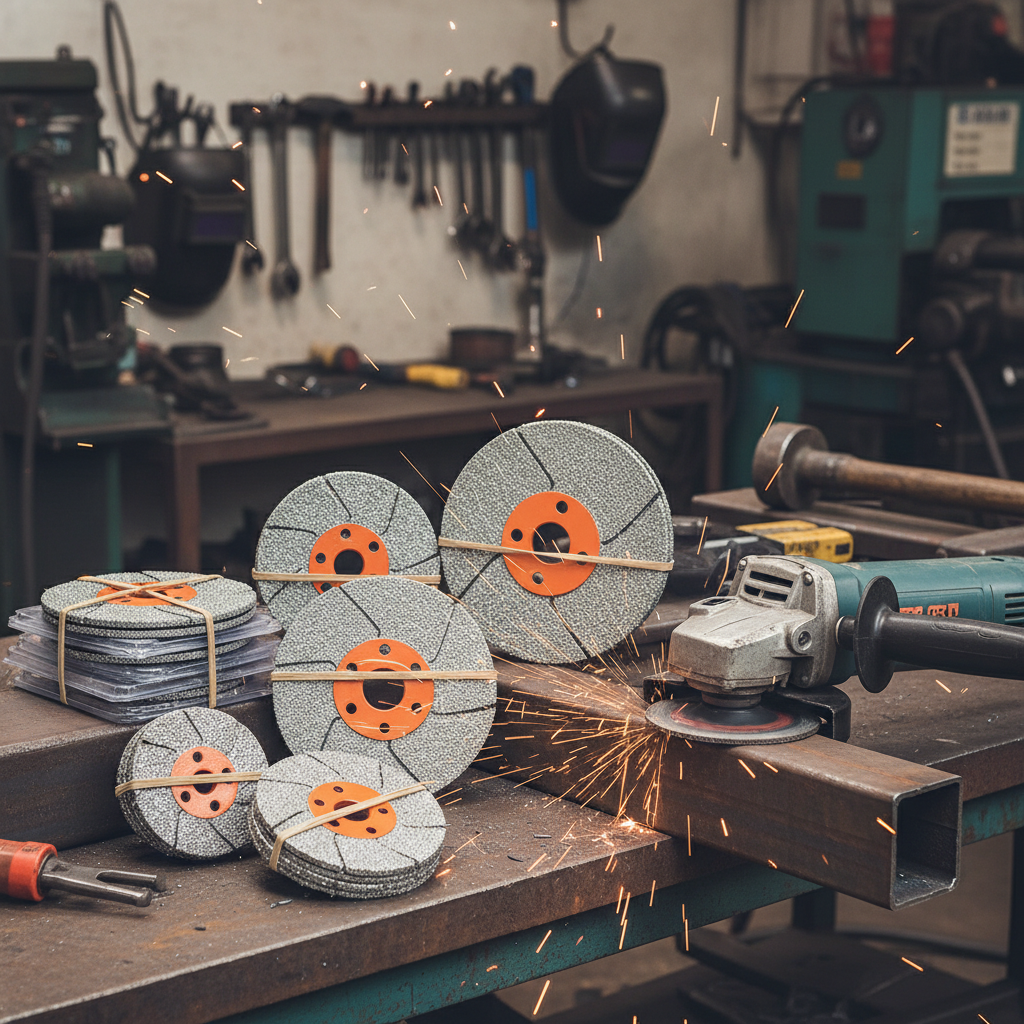
The geometry of the disc also plays a pivotal role. Whether it is a cup wheel design or a flat plate, the distribution of diamond segments is engineered to balance aggressive material removal with vibration control. This ensures that the operator can maintain precision over large surface areas without compromising the structural integrity of the concrete or mortar being treated.
Industrial Relevance and Global Market Standards
The global construction industry adheres to strict standards, such as ISO and ASTM, to ensure the safety and efficiency of abrasive tools. A mortar grinder disc must meet these benchmarks to be viable for large-scale commercial projects. In regions like North America and Europe, where labor costs are high, the demand has shifted toward "ultra-aggressive" bonds that reduce the number of passes required to clear a surface, directly impacting the project's bottom line.
Statistics from global infrastructure reports suggest that surface preparation accounts for nearly 15-20% of the total time in flooring installations. By utilizing advanced diamond tooling, firms are seeing a reduction in this window by up to 30%. This shift is not merely about speed but about the consistency of the "CSP" (Concrete Surface Profile), which is essential for the adhesion of industrial epoxies and high-performance mortars.
However, the challenge remains in the diversity of materials. From soft lime-based mortars to high-strength polymer-modified cements, a one-size-fits-all approach often leads to premature tool failure. This has led to the development of specialized mortar grinder disc variations tailored specifically for different Mohs hardness levels of the target substrate.
Critical Performance Factors for Surface Grinding
Durability is the most cited requirement for any mortar grinder disc. A durable disc doesn't just last longer; it maintains a consistent rate of removal throughout its lifespan. When the metal bond is correctly engineered, the disc resists overheating—a common cause of "burning" the concrete, which leaves permanent discoloration on the slab.
Cost-efficiency is calculated not by the purchase price of the disc, but by the "cost per square foot" of material removed. A cheaper mortar grinder disc that requires frequent replacement and causes more machine downtime is ultimately more expensive than a premium tool that lasts three times longer and works twice as fast.
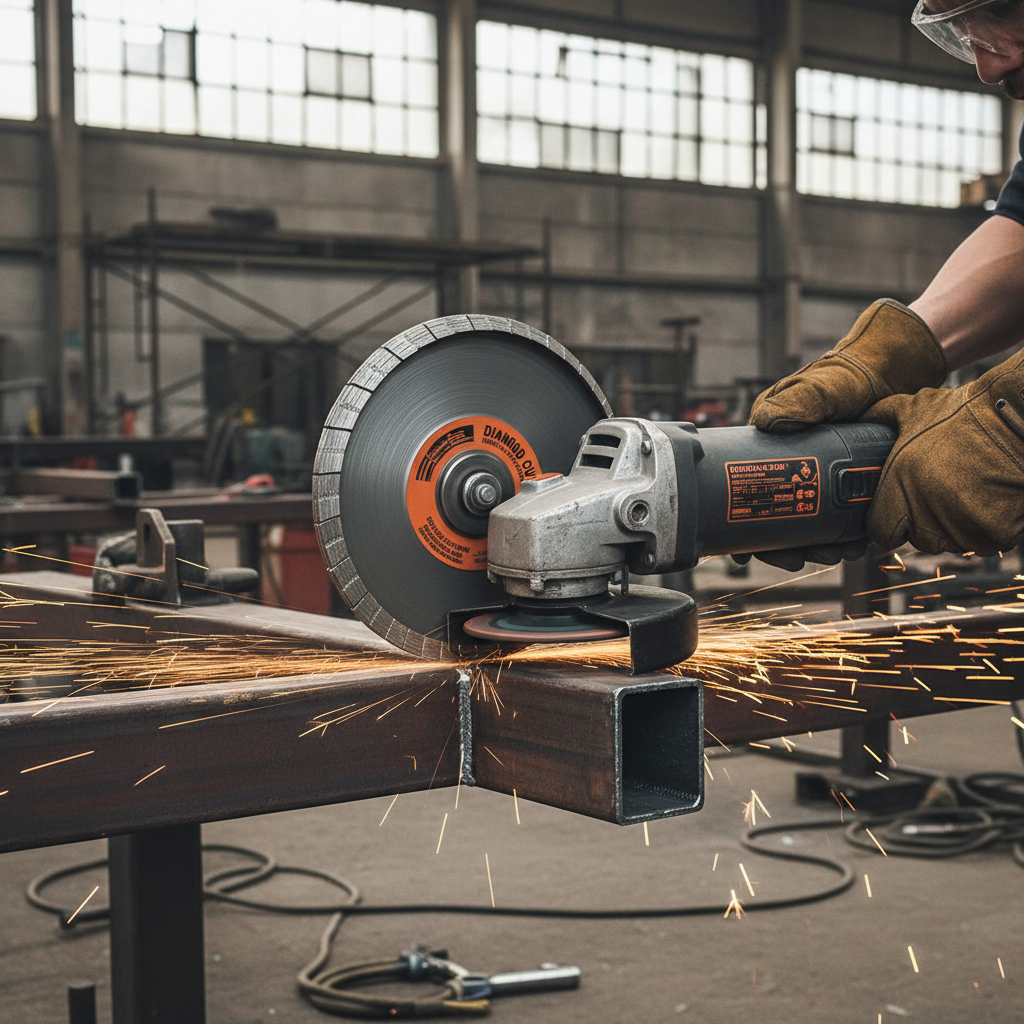
Finally, scalability in operation is key. Whether you are using a handheld angle grinder for small patches or a planetary floor grinder for an entire warehouse, the mortar grinder disc must be compatible with various RPMs and pressure settings to ensure versatility across different project scales.
Comparative Efficiency of Grinding Methodologies
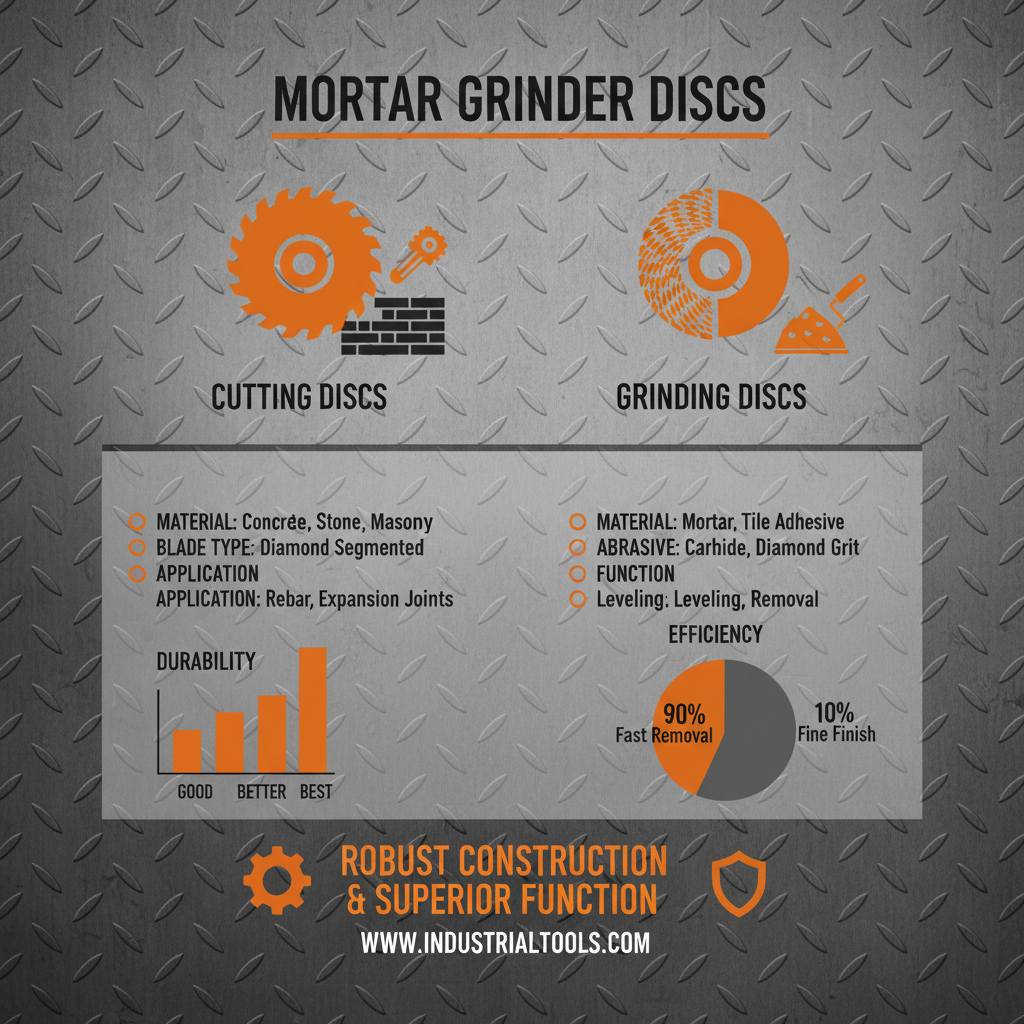
When evaluating the effectiveness of a mortar grinder disc, it is helpful to compare different bond types and grit sizes. For instance, a coarse grit is ideal for heavy mortar removal, while a fine grit is used for polishing and smoothing. The efficiency depends on the synergy between the diamond concentration and the speed of the machine.
Modern contractors often toggle between "vacuum brazed" segments and "sintered" segments. Vacuum brazing allows for a thinner layer of metal, meaning more diamond is exposed to the surface, which can lead to faster initial cutting but may wear down quicker in extremely abrasive environments compared to traditional sintered options.
Performance Analysis of Mortar Grinder Disc Variants
Real-World Applications in Modern Construction
In post-disaster reconstruction, such as after floods or earthquakes, concrete surfaces are often contaminated with debris and hardened sludge. A heavy-duty mortar grinder disc is indispensable here, as it allows teams to quickly strip away damaged surface layers to assess the structural integrity of the slab before applying new reinforcements.
In high-end commercial renovations, the focus shifts toward precision. Removing thin layers of old mortar or adhesive from marble or granite floors requires a disc with a controlled removal rate. Using a precision-engineered mortar grinder disc prevents the "gouging" effect, ensuring the base material is preserved while the unwanted residue is efficiently erased.
Long-Term Value and Sustainability in Tooling
The shift toward sustainability in the construction sector has put a spotlight on tool longevity. A high-quality mortar grinder disc reduces the volume of spent abrasives entering landfills. By utilizing advanced alloys in the metal bond, manufacturers are creating tools that can be "dressed" or renewed, extending their useful life significantly.
Beyond the environmental impact, there is a human element: safety and operator fatigue. Discs that cut efficiently require less downward pressure from the operator, reducing the risk of musculoskeletal injuries and increasing overall workplace safety. Trust in the tool allows the professional to focus on the quality of the finish rather than fighting the equipment.
Furthermore, the integration of dust-extraction compatible designs in mortar grinder disc systems helps in maintaining a healthier work environment. Reducing airborne silica dust is no longer optional but a regulatory requirement in many jurisdictions, making the choice of a compatible, efficient disc a matter of legal compliance.
Future Innovations in Diamond Abrasive Technology
The future of the mortar grinder disc lies in "smart" materials. We are seeing the emergence of nano-crystalline diamonds that offer higher hardness and better thermal conductivity, allowing for even faster removal rates without the risk of overheating the substrate.
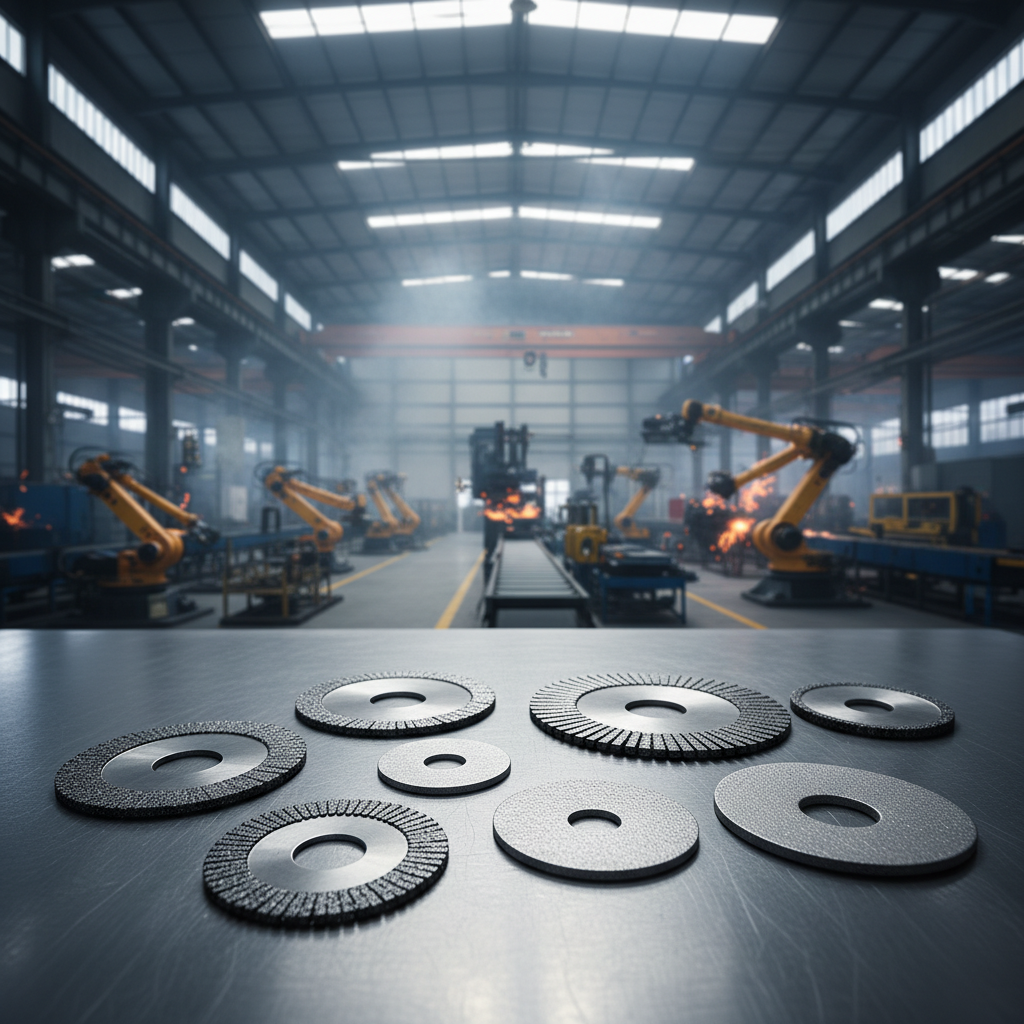
Automation and robotics are also transforming how these tools are used. Automated floor grinders now use sensors to adjust the pressure applied by the mortar grinder disc in real-time, based on the hardness of the mortar encountered. This prevents tool wear-out in hard spots and ensures a perfectly flat floor across varying material densities.
Finally, the industry is moving toward "Green Bonds"—metal matrices that are easier to recycle at the end of their life cycle. As the circular economy becomes a priority, the manufacturing of the mortar grinder disc will evolve to prioritize both extreme performance and total lifecycle sustainability.
Core Analysis of Diamond Grinding Tooling Innovations
| Technology Type |
Primary Benefit |
Wear Resistance |
Application Suitability |
| Sintered Diamond |
Consistent Wear |
High (8/10) |
General Concrete |
| Vacuum Brazed |
Rapid Removal |
Medium (6/10) |
Hard Mortar/Epoxy |
| Nano-Diamond |
Extreme Hardness |
Very High (10/10) |
Industrial Slabs |
| Hybrid Bond |
Versatility |
High (9/10) |
Mixed Substrates |
| Ceramic Matrix |
Heat Dissipation |
Medium (7/10) |
High-Heat Grinding |
| Eco-Bond |
Recyclability |
Medium (7/10) |
Green Projects |
FAQS
Glazing occurs when the diamonds become dull or the metal bond fails to wear away, leaving a smooth, shiny surface on the disc. You'll notice a significant drop in material removal speed and an increase in heat. To fix this, you can "dress" the disc by grinding it against a harder material, like a concrete brick, to strip away the glazed layer and expose fresh diamonds.
For heavy mortar splashes or thick residue, a coarse grit (typically 30-60 grit) is recommended. This provides the aggressive "bite" needed to chew through the material quickly. Once the bulk of the mortar is removed, you should switch to a medium or fine grit to smooth out the scratches left by the coarse disc and prepare the surface for coating.
Yes, but you must choose the correct bond. A "soft bond" disc is required for soft materials like limestone. If you use a hard bond designed for high-strength concrete, the diamonds will not release as they dull, causing the disc to glaze almost immediately. Always match the bond hardness to the substrate hardness for maximum efficiency.
A cup wheel is typically used with angle grinders for edge work and localized mortar removal, offering high torque and depth. A grinding plate is generally larger and designed for planetary floor machines, emphasizing a flat, consistent finish across large square footage. Both can be configured as a mortar grinder disc but serve different operational scales.
Lifespan varies wildly based on the material. In soft mortar, a disc may last for hundreds of square feet; in high-strength polymer concrete, it may wear down much faster. Generally, a premium sintered disc should maintain its efficiency until the diamond segments are worn down to the core. Monitoring the "cost per square foot" is the best way to judge longevity.
Wet grinding is superior for dust control and tool cooling, which extends the life of the mortar grinder disc. However, dry grinding with a vacuum system is often preferred in indoor renovations to avoid creating a slurry that can seep into subfloors. The choice depends on your dust extraction capabilities and the specific requirements of the job site.
Conclusion
In summary, the selection of a professional mortar grinder disc is a critical decision that influences the speed, quality, and cost-effectiveness of any concrete surface preparation project. From the intricate chemistry of the metal bond to the strategic selection of grit sizes, every technical detail contributes to the tool's ability to handle the rigors of industrial grinding while maintaining a precise finish.
Looking forward, the integration of nano-materials and automated grinding systems will continue to push the boundaries of what is possible in surface restoration. For contractors and engineers, investing in high-quality diamond tooling is not just an operational choice, but a commitment to sustainability, operator safety, and superior architectural results. To explore our full range of professional abrasive solutions, visit our website: www.mydiamondblade.com.








.png )