In the demanding world of construction and masonry, the precision of a cut can define the structural integrity and aesthetic finish of a project. The mortar cutting blade has emerged as a critical tool for professionals who need to slice through cementitious materials, adhesives, and mortar joints with surgical accuracy. By leveraging advanced diamond superabrasives, these blades minimize material waste and reduce the physical strain on the operator.
Globally, the shift toward rapid urban renewal and the restoration of historic masonry has increased the demand for high-performance cutting solutions. A standard mortar cutting blade is no longer just a consumable; it is a precision instrument designed to handle the abrasive nature of mortar without glazing or premature wear. This evolution ensures that contractors can meet tighter deadlines while adhering to strict ISO safety and quality standards.
Understanding the nuances of blade segmentation, bond hardness, and diamond concentration is essential for maximizing the lifespan of your equipment. Whether you are performing intricate tuck-pointing or large-scale demolition, choosing the right mortar cutting blade prevents overheating and ensures a clean, burr-free edge. This guide explores the technical landscape and practical applications of these essential tools in the modern industrial era.
The Technical Fundamentals of Mortar Cutting Blades
A mortar cutting blade is specifically engineered to tackle the unique chemistry of mortar, which often contains a mix of sand, lime, and cement. Unlike general-purpose blades, these are optimized with a specific diamond grit size and bond matrix that allows the blade to "open up" as it wears, consistently exposing new, sharp synthetic diamonds to the work surface.
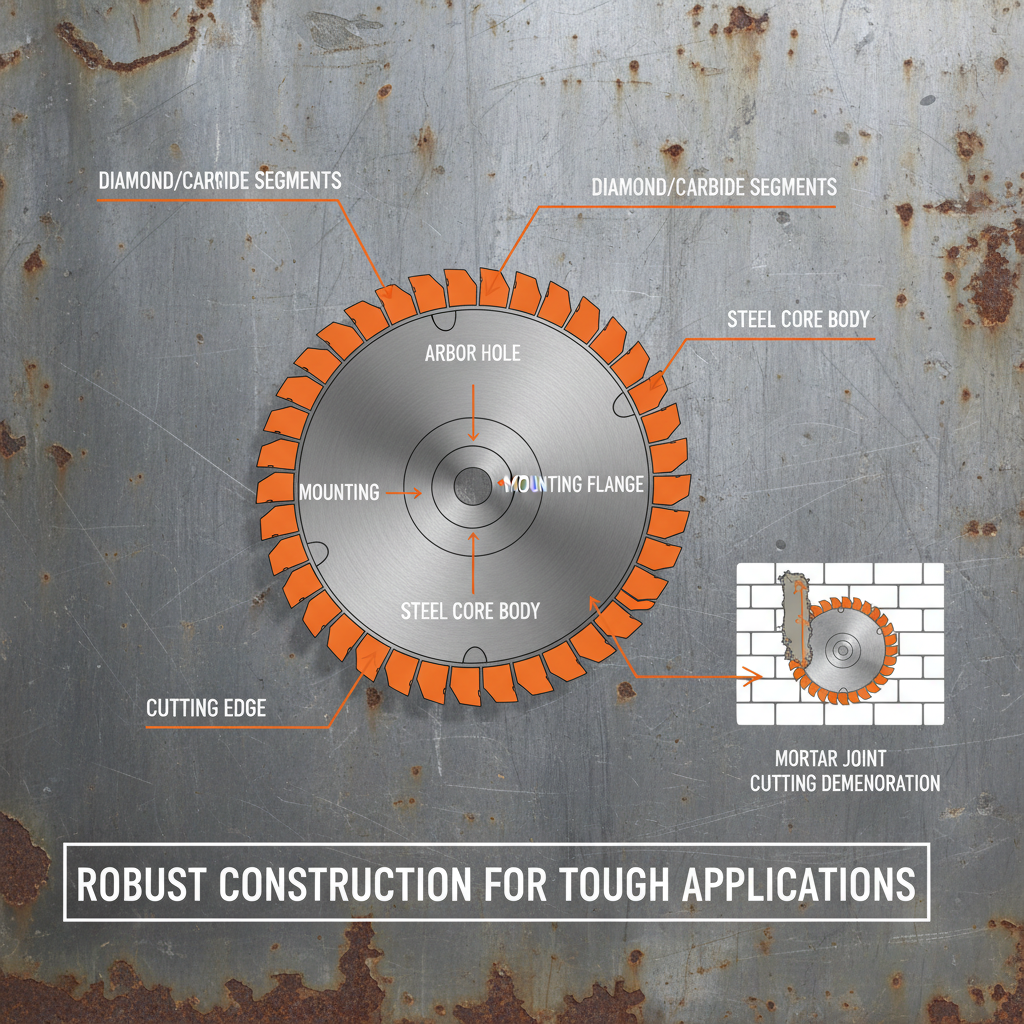
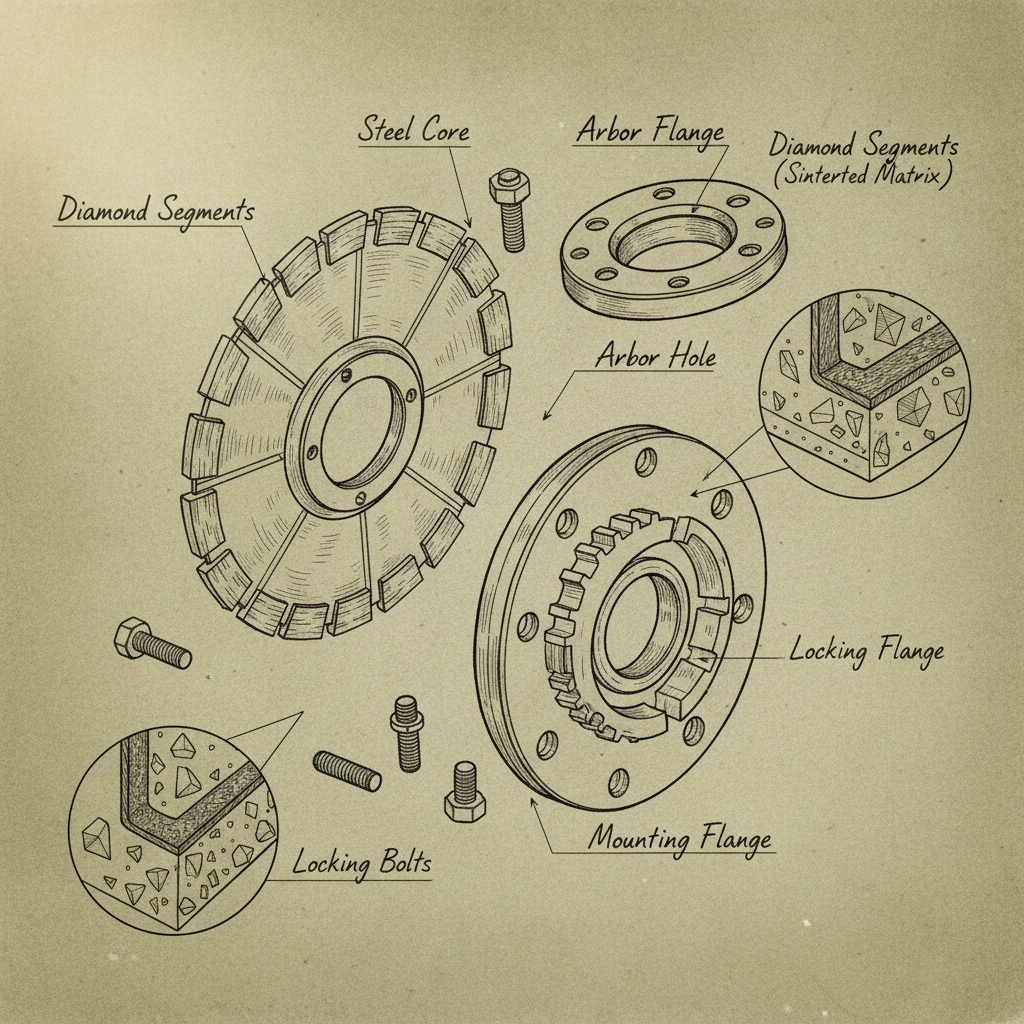
The structural design typically involves a steel core for stability and a sintered diamond rim for the actual cutting action. This synergy prevents the blade from warping under high thermal stress, ensuring that every cut remains linear and precise, which is vital when working on high-value architectural restoration projects.
Global Market Relevance and Industrial Demand
On a global scale, the infrastructure sector is witnessing a massive surge in "green retrofitting," where existing buildings are modified rather than demolished. This trend has placed the mortar cutting blade at the center of urban maintenance. According to industry trends aligned with ISO quality standards, the demand for precision cutting tools has grown as labor costs rise and the need for faster, cleaner installation methods becomes paramount.
In rapidly developing regions, such as Southeast Asia and Africa, the transition from traditional hand-chiseling to mechanized cutting using diamond tools has increased productivity by over 40%. The challenge, however, remains the inconsistency of mortar hardness across different regions, requiring a versatile mortar cutting blade that can adapt to both soft lime-based mortars and hard Portland cement.
Furthermore, the integration of these tools into the wider ecosystem of Diamond Cutting Blades and Vacuum Brazing Tools allows contractors to streamline their workflow. By utilizing a specialized blade for mortar, operators avoid the premature wear of more expensive tools designed for reinforced concrete, thereby optimizing the overall project budget and resource allocation.
Core Components for Maximum Durability
The longevity of a mortar cutting blade is primarily determined by its segment bond. A soft bond is often preferred for non-abrasive but hard materials, whereas a medium-to-hard bond is essential for the sandy consistency of mortar to ensure the diamond particles are held firmly until they are completely spent.
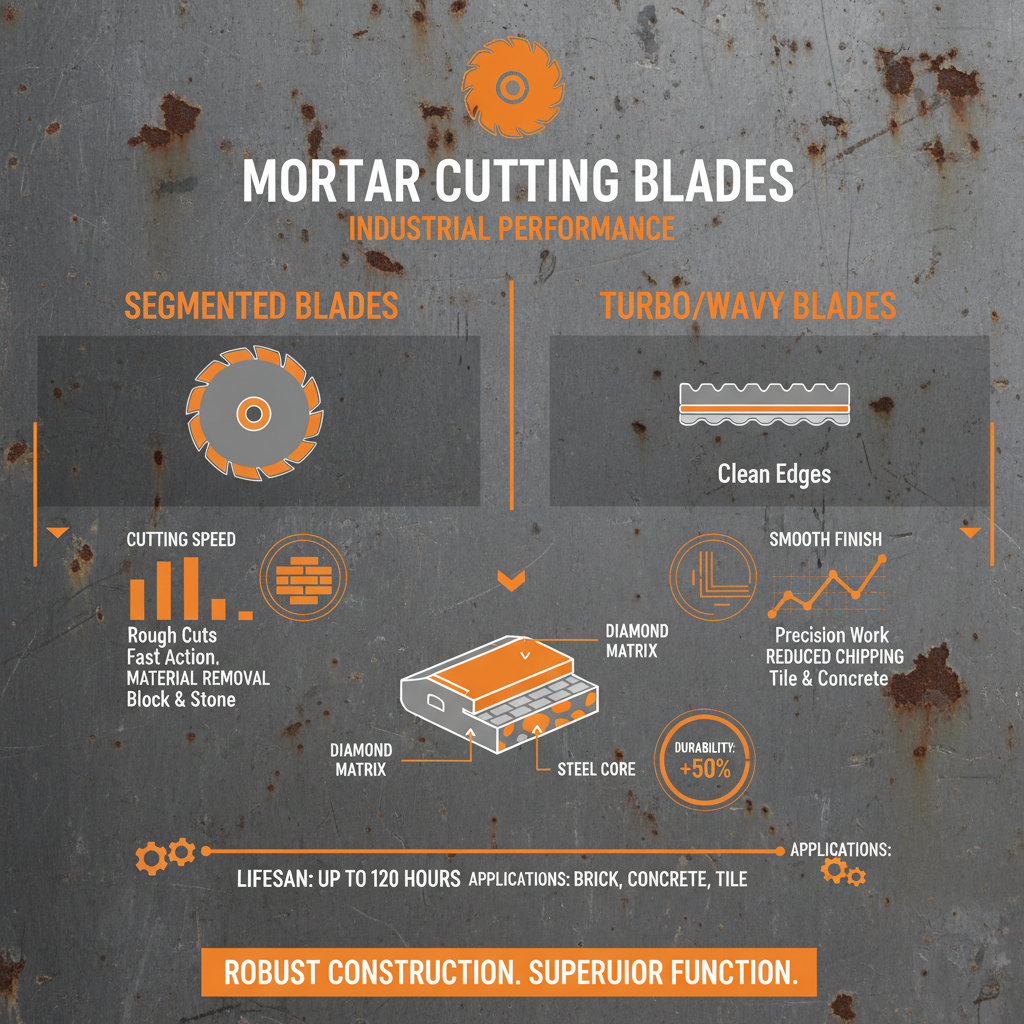
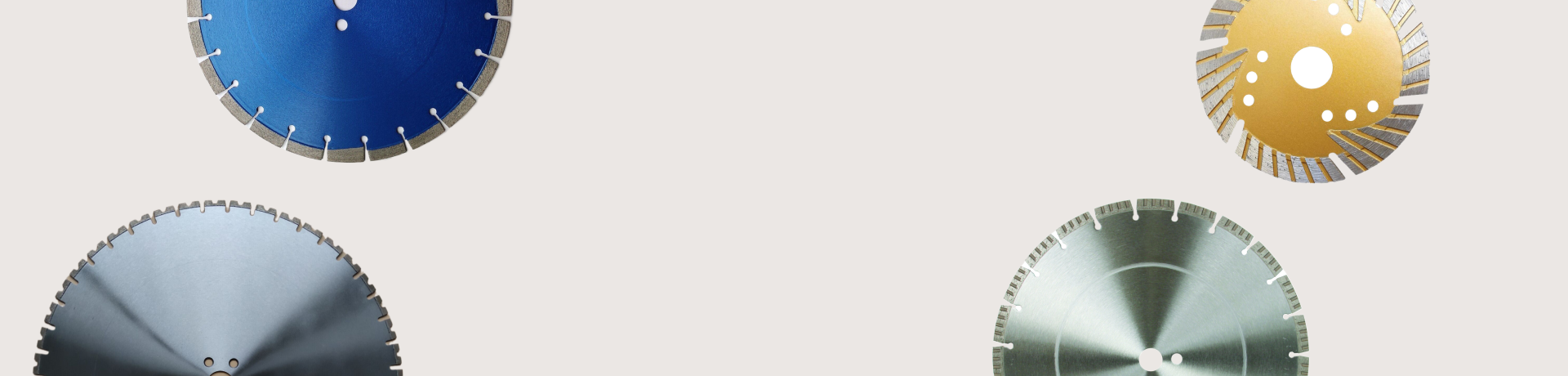
Another critical factor is the "segment geometry." Whether the mortar cutting blade features a continuous rim for smooth finishes or a segmented rim for faster cutting and better cooling, the design must balance heat dissipation with cutting speed to prevent thermal cracking of the diamond matrix.
Finally, the quality of the steel core cannot be overlooked. High-grade alloy steel reduces vibration and noise, which not only protects the machine's motor but also enhances operator safety. A well-balanced mortar cutting blade minimizes "wobble," resulting in a tighter kerf and less material loss.
Performance Metrics and Efficiency Analysis
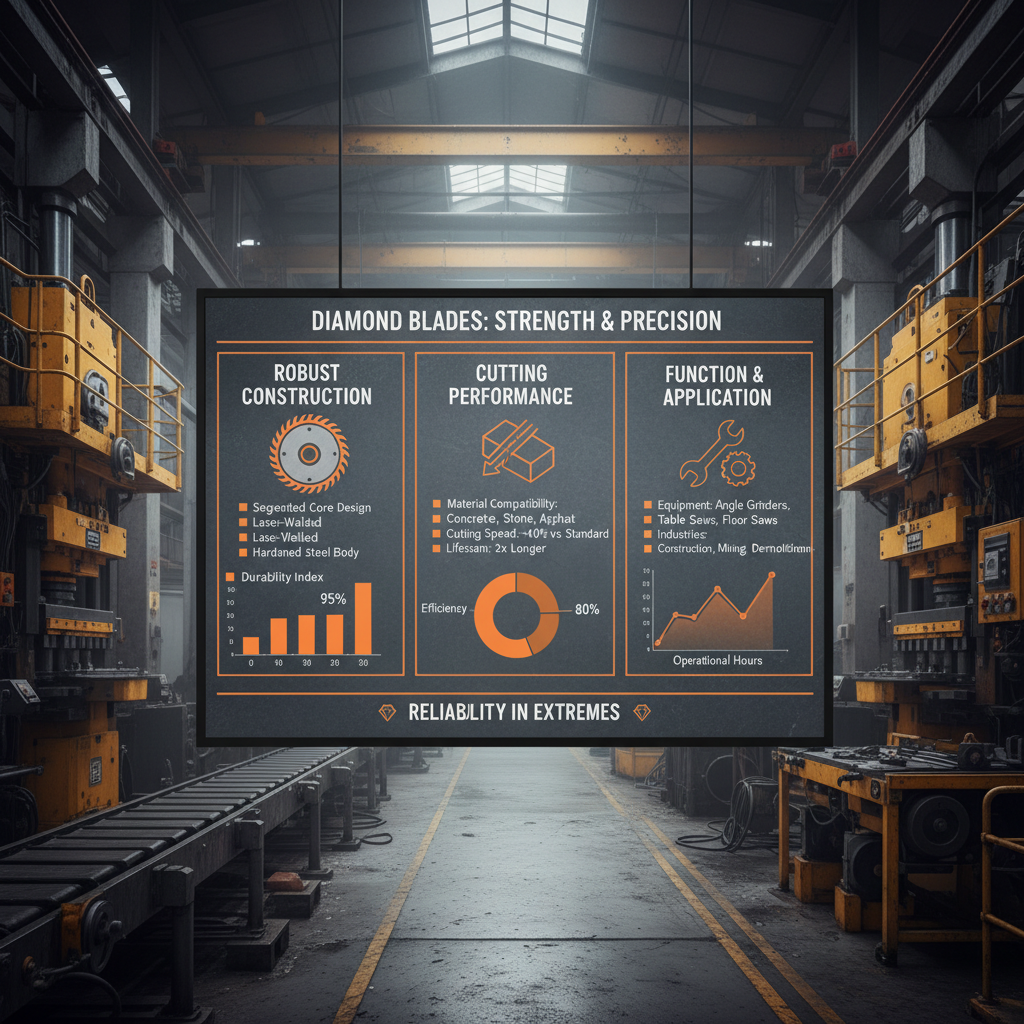
When evaluating the efficiency of a mortar cutting blade, professionals look at the "Material Removal Rate" (MRR) and the total linear feet cut per blade. A high-efficiency blade maintains a consistent cutting speed throughout its life cycle, avoiding the common "drop-off" in performance that occurs with inferior bonds.
Comparing different cutting methodologies allows us to see how diamond technology outperforms traditional TCT blades in abrasive mortar environments. While TCT may be cheaper initially, the frequent sharpening requirements make the mortar cutting blade the more economical choice over a long-term project horizon.
Efficiency Comparison of Mortar Cutting Blade Variants
Real-World Applications Across Global Regions
In the European market, specifically in Italy and France, the mortar cutting blade is indispensable for the restoration of ancient stone facades. These projects require an extremely thin kerf to avoid damaging the surrounding original masonry, pushing the boundaries of diamond concentration and blade thickness.
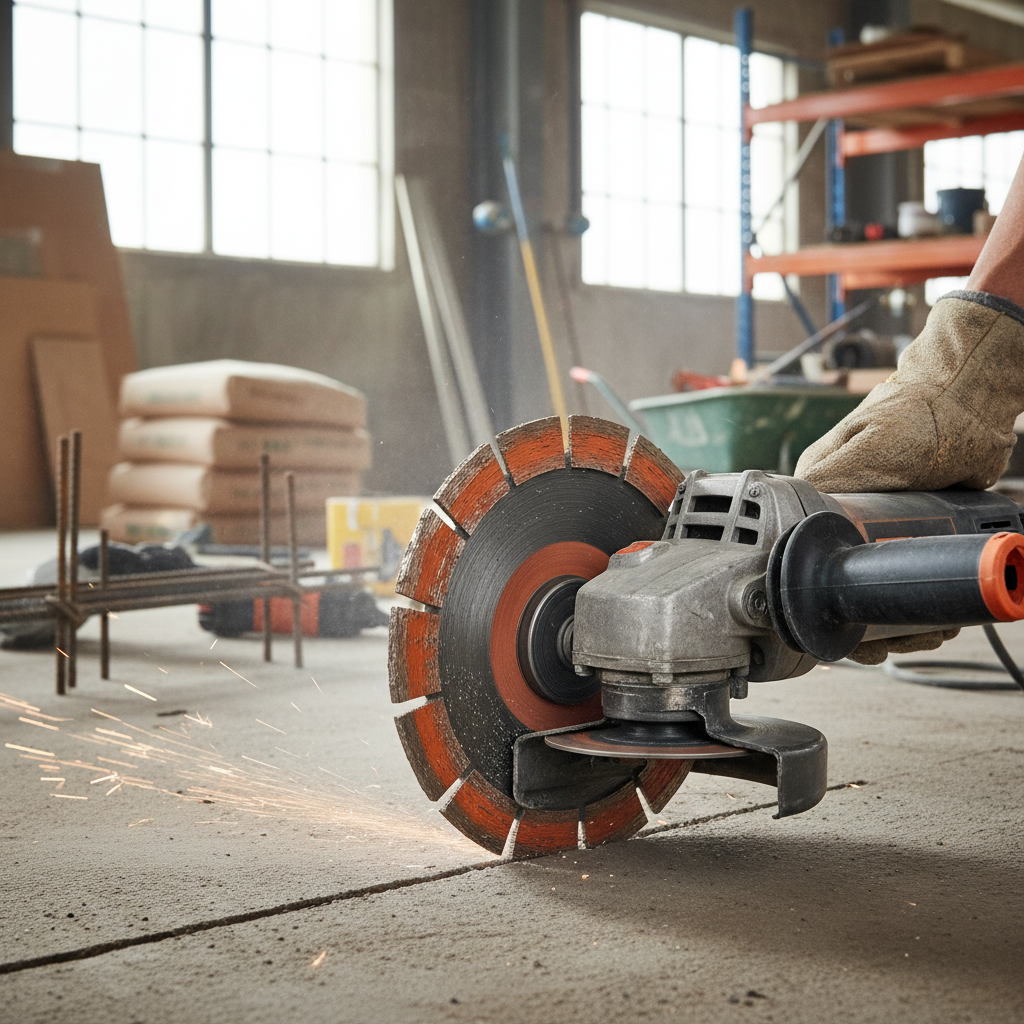
Conversely, in North American industrial zones, these blades are widely used in the demolition of concrete block walls and the installation of new HVAC systems in commercial buildings. Here, the emphasis shifts from delicacy to sheer speed and durability, where a heavy-duty mortar cutting blade can cut through hours of abrasive debris without losing its edge.
Long-Term Value and Sustainability Benefits
Investing in a premium mortar cutting blade provides value that extends beyond the immediate cost of the tool. By reducing the number of blade changes required per project, companies can significantly lower their downtime and labor costs, leading to a higher profit margin per square foot of work completed.
From a sustainability perspective, high-quality diamond tools generate less waste. A precise cut means fewer broken bricks and less rubble to transport to landfills. Furthermore, the longevity of a professional-grade mortar cutting blade reduces the frequency of steel disposal, aligning with global efforts to minimize the environmental footprint of the construction industry.
Safety is another intrinsic value. A blade that doesn't "bind" or "kick back" due to poor quality reduces the risk of workplace injuries. This reliability builds trust between the contractor and the client, as the finished work is clean, professional, and completed without hazardous incidents on site.
Future Innovations in Abrasive Technology
The future of the mortar cutting blade lies in the realm of "smart" abrasives. We are seeing the emergence of laser-welded segments that offer superior bond strength compared to traditional brazing, allowing blades to operate at higher RPMs without the risk of segment loss.
Digital transformation is also hitting the toolset. Some manufacturers are experimenting with embedded markers that can be scanned to track the wear life of the mortar cutting blade, allowing project managers to predict exactly when a blade needs replacement before it fails during a critical cut.
Additionally, the development of "eco-bonds" is reducing the reliance on cobalt—a material often associated with ethical mining concerns. These new binders maintain the hardness required for a mortar cutting blade while ensuring the product is more sustainable and ethically sourced.
Comparative Analysis of Mortar Cutting Blade Technologies
| Bond Type |
Cutting Speed |
Lifespan (Rating 1-10) |
Finish Quality |
| Sintered Metal |
High |
8 |
Standard |
| Vacuum Brazed |
Very High |
6 |
Rough |
| Hybrid Ceramic |
Medium |
10 |
Smooth |
| Laser Welded |
High |
9 |
Clean |
| Electroplated |
Medium |
4 |
Ultra-Smooth |
| Cobalt-Free Bond |
High |
8 |
Clean |
FAQS
For most mortar applications, a medium grit is ideal as it provides a balance between cutting speed and blade life. If the mortar is exceptionally hard or contains aggregates, a coarser grit may be used to increase the removal rate. For delicate restoration work where finish quality is paramount, a finer grit mortar cutting blade is recommended to avoid chipping the surrounding material.
While it might work for thin layers, it is not recommended. A dedicated mortar cutting blade is optimized for the abrasiveness of sand and cement, not the hardness of steel rebar. Using it on reinforced concrete will likely cause the bond to fail prematurely or "glaze" the diamonds, rendering the blade useless. Use a dedicated reinforced concrete blade for those tasks.
Wet cutting is generally preferred for the mortar cutting blade because water cools the segment and suppresses hazardous silica dust. Dry cutting is faster to set up but increases wear on the bond and requires stringent PPE (like N95 masks). Always check the blade rating to see if it is specifically designed for "Dry" or "Wet/Dry" use to avoid overheating.
If you notice the mortar cutting blade is slowing down or "glazing" (the diamonds become smooth), you can dress it by cutting through a soft abrasive material, such as a dedicated dressing stone or a piece of soft concrete block. This strips away the glazed bond and exposes fresh diamonds, restoring the blade's cutting efficiency.
Warping is usually caused by overheating, which happens when the blade is forced too hard into the material or when there is insufficient cooling (lack of water in wet cutting). This thermal shock distorts the steel core. To prevent this, let the mortar cutting blade do the work—don't apply excessive pressure—and ensure a steady flow of coolant.
It depends on the application. Vacuum brazed blades typically have a thinner layer of diamonds and a harder bond, making them excellent for very fast, shallow cuts or handheld tool attachments. However, for deep, continuous cuts in heavy mortar, sintered mortar cutting blades usually offer a longer total lifespan because they have a deeper reservoir of diamond grit.
Conclusion
The mortar cutting blade stands as a testament to the intersection of materials science and practical engineering. From the critical importance of bond hardness to the evolution of laser-welded segments, these tools ensure that the modern construction industry can operate with unprecedented precision, safety, and efficiency. By matching the specific blade type to the mortar's characteristics, professionals can maximize their productivity while minimizing operational costs and environmental impact.
As we look toward a future of sustainable urban development, the reliance on high-performance abrasive tools will only grow. We encourage contractors and procurement managers to prioritize quality over initial cost, as the long-term value of a premium mortar cutting blade is measured in reduced downtime and flawless execution. For the highest quality tools tailored to your specific masonry needs, visit our website: www.mydiamondblade.com









.png )